
Kansas, often referred to as the “Sunflower State,” offers a unique blend of sprawling prairies, vibrant cities, and rich history, making it a captivating destination for travelers seeking an authentic American experience. From its agricultural heartland to its bustling urban centers, Kansas presents a landscape as diverse as its heritage. However, for those planning a visit or considering a long-term stay, one crucial detail often overlooked is its time zone configuration. Unlike many states that adhere to a single time zone, Kansas straddles two distinct time zones, a fact that can significantly impact travel itineraries, booking arrangements, and even daily communication.
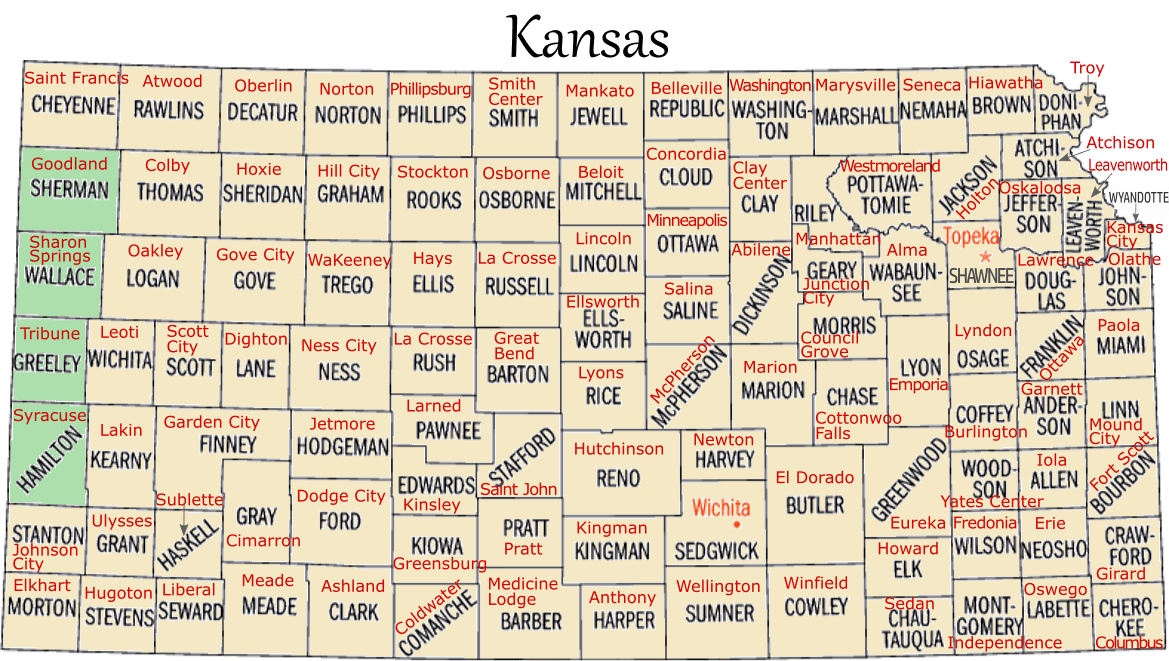
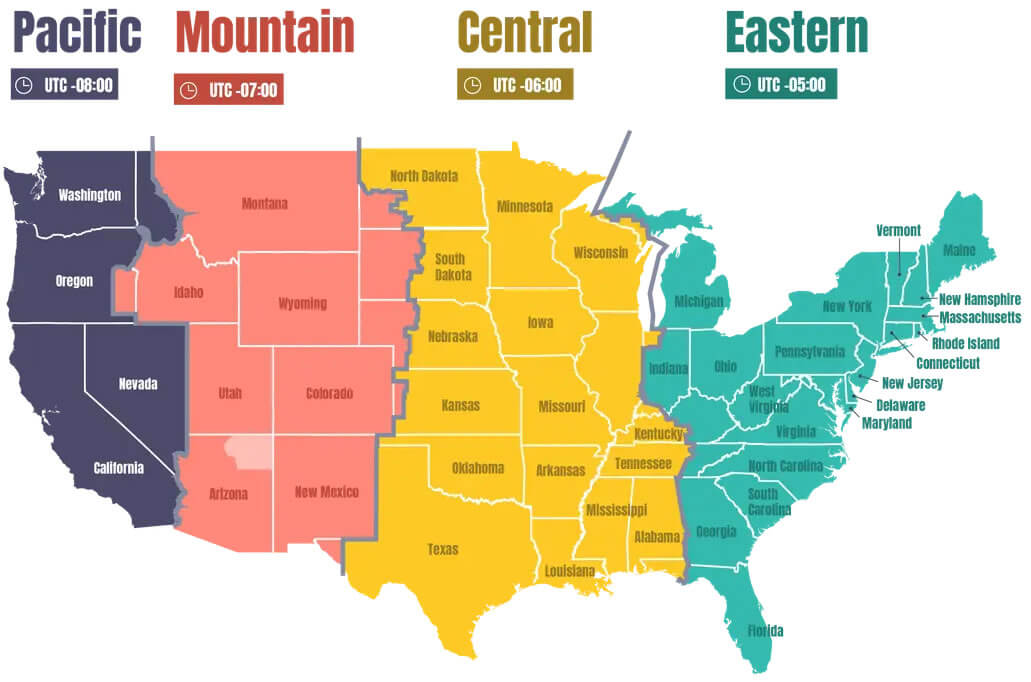
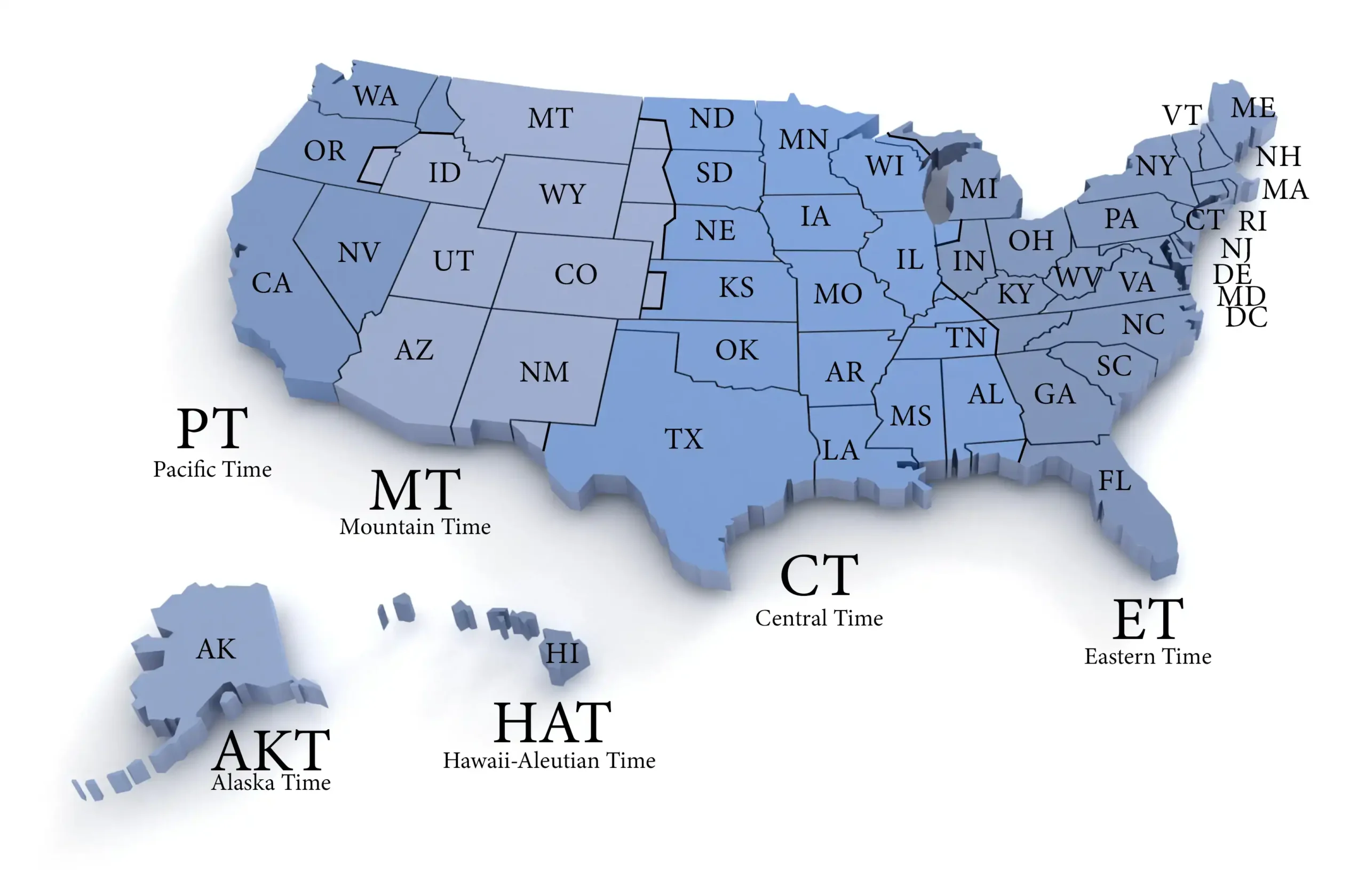
The majority of Kansas operates on Central Time (CT), observing Central Standard Time (CST) during the winter months and shifting to Central Daylight Time (CDT) in the spring and summer. This encompasses the state’s most populous cities and popular tourist destinations, including Wichita, Topeka, and the Kansas City metropolitan area. However, a narrow band of counties in the far western part of the state observes Mountain Time (MT), transitioning between Mountain Standard Time (MST) and Mountain Daylight Time (MDT). This temporal division, though seemingly minor, holds significant implications for everything from flight schedules and hotel check-ins to coordinating business meetings and visiting local attractions. Understanding this dual time zone system is paramount for anyone navigating the state, ensuring a smooth and enjoyable experience, whether you’re embarking on a road trip, booking a luxury resort, or exploring Kansas’s unique landmarks and local culture.
Navigating Kansas’s Dual Time Zones
The geographical expanse of the United States necessitates multiple time zones, and Kansas’s position in the central part of the country places it squarely within the boundary where two major zones meet. This historical demarcation, often influenced by railroad lines and state borders, means that while the vast majority of the state’s population and landmass fall within one time zone, a distinct portion operates on a different clock.
Central Time Zone: The Heart of Kansas
For most visitors and residents, when they think of the time in Kansas, they are thinking of Central Time. This zone covers approximately 95% of the state, extending from the eastern border with Missouri all the way west to just before its border with Colorado. During standard time, from roughly early November to mid-March, these areas are on Central Standard Time (CST), which is UTC-6. When Daylight Saving Time (DST) commences in mid-March and lasts until early November, the clock springs forward by an hour, placing these regions on Central Daylight Time (CDT), or UTC-5.
Major urban centers like Wichita, Topeka, and the Kansas City metropolitan area (specifically the Kansas side) are all firmly within the Central Time zone. This makes planning relatively straightforward for those focusing their travel on these vibrant hubs. Whether you’re flying into Wichita Dwight D. Eisenhower National Airport for a business stay, booking a suite at a luxury hotel in Kansas City, or exploring the historical landmarks of Topeka, your internal clock and all scheduled activities will align with CT. This consistency is particularly beneficial for first-time visitors or those planning family trips, as it minimizes the potential for confusion when coordinating multiple events or managing jet lag, especially for those arriving from the Eastern Time or Pacific Time zones of the United States.
Mountain Time Zone: Western Kansas’s Unique Clock
The westernmost counties of Kansas diverge from the rest of the state’s timekeeping. Specifically, Greeley County, Hamilton County, Sherman County, and Wallace County observe Mountain Time. This means that during standard time, these areas are on Mountain Standard Time (MST), which is UTC-7, and during Daylight Saving Time, they shift to Mountain Daylight Time (MDT), or UTC-6. Essentially, these four counties are an hour behind the majority of Kansas.
Towns like Goodland in Sherman County and Sharon Springs in Wallace County fall within this Mountain Time zone. For travelers embarking on cross-state adventures, particularly those driving from central Kansas towards the Colorado border, this time change is a critical consideration. Imagine driving for hours, expecting to reach your accommodation or a scheduled attraction at a certain time, only to realize you’ve crossed a time zone boundary. This can lead to missed reservations, confusion with check-in times at local hotels or apartments, or even arriving too late for an event. It highlights the importance of checking the specific time zone for your precise destination within Kansas, especially when your journey takes you into its western reaches. Online maps and GPS systems typically adjust automatically, but it’s always wise to double-check, particularly if you rely on traditional clocks or manual itinerary planning.
The Practical Impact of Time Zones on Your Kansas Trip
Understanding the time zone nuances of Kansas goes beyond mere trivia; it’s a fundamental aspect of practical travel planning and can significantly influence the overall success and enjoyment of your visit. From the initial booking stages to daily activities and communication, every element of your trip can be affected.
Planning Your Itinerary and Bookings
The initial phase of any trip involves meticulous planning, and time zones are at its core. When booking flights into or out of Kansas, particularly if your journey involves connecting flights or an international leg, all times displayed will be in the local time of the airport. If you’re flying into Wichita from Denver (which is in Mountain Time), you’ll gain an hour upon arrival, moving into Central Time. Conversely, a drive or bus trip from Kansas City to Goodland will mean losing an hour as you cross into the Mountain Time zone. This impacts not only your arrival time but also any subsequent ground transportation bookings, such as car rentals or taxi pickups.
Hotel bookings are another critical area. While most booking platforms will display check-in and check-out times in the local time of the accommodation, verifying this information is crucial. A luxurious resort in Kansas City will operate strictly on Central Time, but a charming bed and breakfast in Sharon Springs will adhere to Mountain Time. Arriving an hour early or late due to time zone confusion could disrupt your plans, especially if your accommodation has specific check-in windows or if you’ve arranged for early check-in or late check-out. For long-term stays, coordinating with landlords for apartment rentals or even scheduling cleaning services will require a clear understanding of the local time. Similarly, reserving tables at popular restaurants, booking guided tours of historical landmarks, or securing tickets for local events all require precise timing. A reservation for 7:00 PM in Dodge City (Central Time) will feel very different if you’re mentally calculating from Mountain Time.
Communication and Business in Kansas
Beyond personal travel, time zones play a significant role in communication, particularly for business travelers or those trying to connect with family and friends across the state. If you’re attending a conference in Topeka and have a remote team member working from a co-working space in Goodland, their workday begins and ends an hour earlier by your Central Time clock. This one-hour difference can impact meeting schedules, deadlines, and the general flow of remote collaboration.
For tourists, it’s essential when planning visits to attractions. Museums, shops, government offices, and local businesses all adhere to their respective local time zones. A museum in Wichita might close at 5:00 PM CST, while a boutique shop in Wallace County might close at 5:00 PM MST. This difference can easily lead to arriving after closing hours, wasting valuable travel time. Always confirm the operating hours in the local time of your destination to avoid disappointment. Furthermore, when calling ahead to confirm reservations, inquire about availability, or simply connect with locals, being mindful of their current time is a sign of courtesy and good planning. This can be particularly relevant for lifestyle-focused travel, such as arranging private experiences, luxury services, or niche activities that might have less flexible scheduling.
Unveiling Kansas: Destinations and Time Zone Considerations
Kansas offers a myriad of destinations, each with its own charm and set of attractions. Being aware of the time zone in which these places reside is key to a seamless travel experience.
Eastern Kansas Highlights (Central Time)
The eastern and central parts of Kansas are a treasure trove of cultural, historical, and entertainment options, all operating on Central Time.
In Kansas City, visitors can immerse themselves in art at the renowned Nelson-Atkins Museum of Art or enjoy upscale shopping and dining at the Country Club Plaza. Planning your day here is straightforward, as all activities will align with CDT/CST. Hotels in this bustling metropolis, from boutique hotels to expansive resorts, are well-versed in catering to guests arriving from various time zones, but their internal operations and your check-in/check-out will be based on local time.
The state capital, Topeka, is rich in history. A visit to the Brown v. Board of Education National Historic Site offers profound insights into American civil rights, while the majestic Kansas State Capitol showcases impressive architecture. All guided tours and historical site operating hours will be in Central Time, ensuring that your pre-booked slots or self-guided explorations flow smoothly with your itinerary.
Further south, Wichita, the largest city in Kansas, is a hub of aerospace innovation and cultural attractions. The iconic Keeper of the Plains sculpture stands at the confluence of the Arkansas and Little Arkansas Rivers, while the Old Cowtown Museum offers a fascinating glimpse into 19th-century prairie life. When booking flights, organizing hotel stays, or planning a night out to enjoy Wichita’s vibrant dining scene, your Central Time clock will be your reliable guide. For family trips, coordinating schedules for children’s activities or park visits across the city becomes much simpler without the added complexity of a time zone change.
Western Kansas Adventures (Mountain Time & Central Time Border)
Venturing into western Kansas introduces the time zone shift, making careful planning essential. Many of the natural landmarks and historical sites in this region offer stunning beauty and unique experiences.
The geological wonders of Monument Rocks (Chalk Pyramids) and Little Jerusalem Badlands State Park are typically accessed from towns that, for the most part, remain in the Central Time zone, even as you approach the time zone divide. For example, Oakley, a common gateway to these sites, is in Central Time. This means that while you’re marveling at these ancient formations, you’re still primarily operating on the same clock as Wichita.
However, as you press further west, the boundary becomes critical. Towns like historic Dodge City, famous for its Wild West heritage and the Boot Hill Museum, are firmly on Central Time. But if your journey takes you past these points, heading towards the Colorado border, you will encounter the Mountain Time zone.
Remember, it’s specifically Greeley, Hamilton, Sherman, and Wallace counties that observe Mountain Time. If you plan to stay in Goodland or Sharon Springs, or cross into Colorado from these points, you will need to adjust your clock back by an hour. This is vital for scheduling any local activities, confirming bookings for accommodations like a charming apartment stay or a budget-friendly motel, or simply meeting up with local guides or tour operators. For a true Kansas road trip, this border crossing is a subtle yet significant detail that can make or break your schedule.
Adapting to Daylight Saving Time in Kansas
Beyond the static time zone boundaries, visitors to Kansas must also account for Daylight Saving Time (DST). The vast majority of the United States observes DST, and Kansas is no exception. This annual ritual involves moving clocks forward by one hour in the spring (“spring forward”) and back by one hour in the fall (“fall back”).
For the Central Time portion of the state, this means transitioning from Central Standard Time (CST) to Central Daylight Time (CDT). Similarly, the Mountain Time counties switch from Mountain Standard Time (MST) to Mountain Daylight Time (MDT). These changes typically occur on the second Sunday in March and the first Sunday in November, respectively.
The impact of DST is felt universally, affecting everyone from busy business travelers to leisurely tourists. It can influence flight schedules, particularly for those arriving or departing on the weekends of the time change. Hotel check-in and check-out times will adjust accordingly, as will the operating hours of attractions, restaurants, and shops. For individuals planning outdoor activities or nature excursions, the extended daylight in summer (due to CDT/MDT) can be a welcome bonus, allowing for longer explorations of Kansas’s natural beauty or more relaxed evenings. Conversely, the shorter daylight hours in late fall and winter might require an earlier start to your day to maximize sightseeing opportunities.
The key to navigating DST is awareness. Always confirm the current time when making plans, especially if your travel dates fall close to the DST transition weekends. Most smartphones and digital devices automatically update their time, which is helpful, but it’s always prudent to check against a reliable source or confirm with locals. This simple step ensures that your internal clock aligns with local time, preventing missed appointments, early arrivals for closed attractions, or any other schedule mishaps that could detract from your otherwise well-planned Kansas experience.
In conclusion, while the question “What is the time zone for Kansas?” might seem straightforward, the answer reveals a subtle complexity that is vital for any traveler or prospective resident. The state primarily resides in the Central Time zone, but its westernmost counties operate on Mountain Time. Understanding this dual system, coupled with the annual shift for Daylight Saving Time, is paramount for seamless travel planning, booking accommodations, coordinating business activities, and ensuring a fulfilling exploration of Kansas’s diverse attractions. By being mindful of the clock, you can fully embrace the hospitality and charm that the Sunflower State has to offer, making your journey as smooth and enjoyable as possible.
LifeOutOfTheBox is a participant in the Amazon Services LLC Associates Program, an affiliate advertising program designed to provide a means for sites to earn advertising fees by advertising and linking to Amazon.com. Amazon, the Amazon logo, AmazonSupply, and the AmazonSupply logo are trademarks of Amazon.com, Inc. or its affiliates. As an Amazon Associate we earn affiliate commissions from qualifying purchases.