
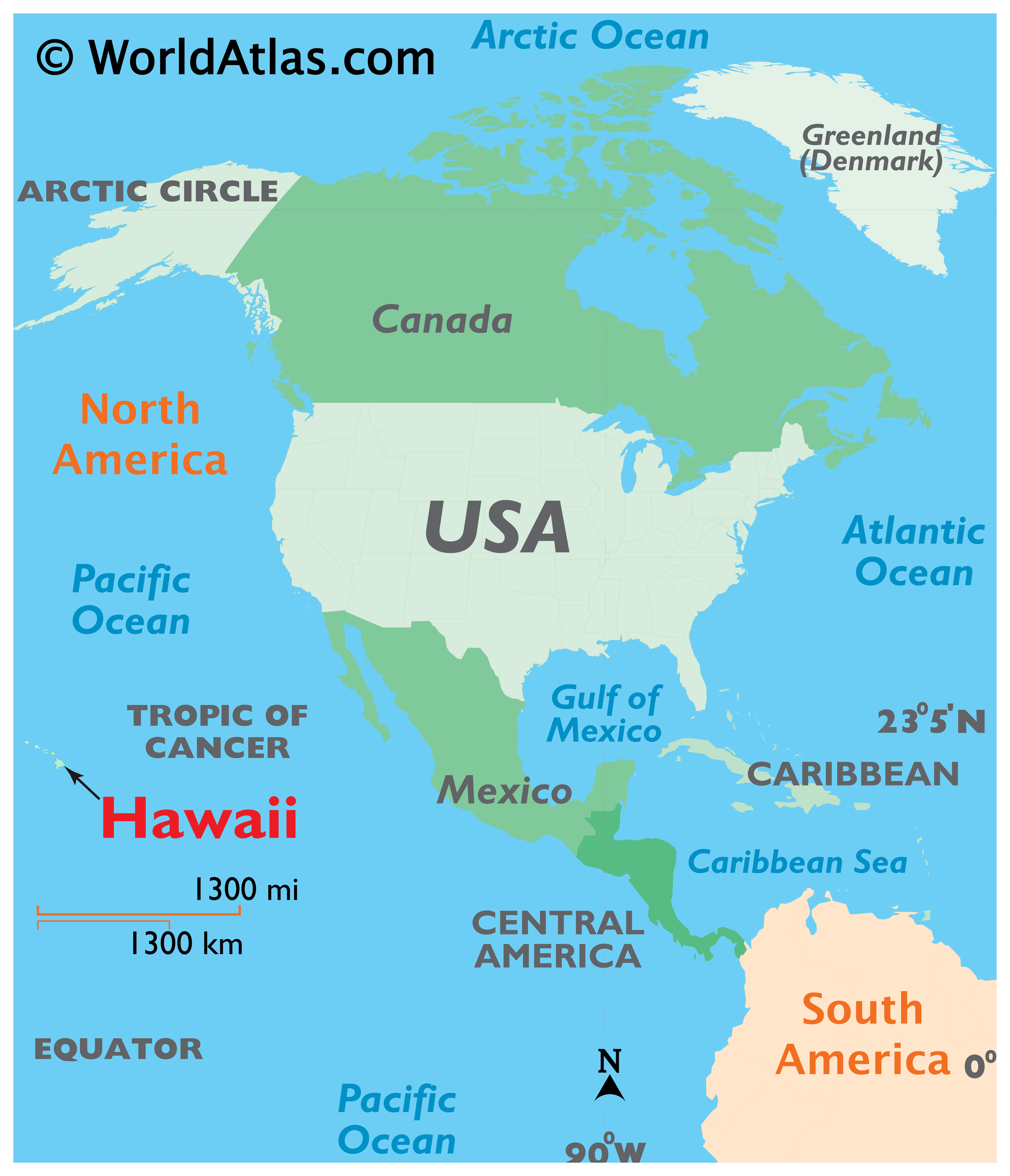
Hawaii, often synonymous with paradise, tropical beauty, and the spirit of Aloha, holds a unique and captivating position on the global map. Far from any continental landmass, this archipelago nation forms the northernmost tip of Polynesia and stands as the only U.S. state located entirely outside of North America. Its remote yet strategic placement in the vast Pacific Ocean has shaped its distinctive geography, ecology, culture, and ultimately, its appeal as one of the world’s most coveted travel destinations. Understanding Hawaii’s location is the first step in appreciating its profound isolation and the incredible journey required to reach its shores, offering a profound sense of escape for any traveler.
The Geographical Tapestry of the Hawaiian Islands
The Hawaiian Islands are much more than just a collection of tropical landforms; they represent a geological marvel, born from the fiery depths of the Earth’s mantle. This unique origin story dictates everything from the islands’ diverse landscapes to their incredible biodiversity, making them a focal point for both scientific study and unparalleled tourism.
A Remote Pacific Paradise
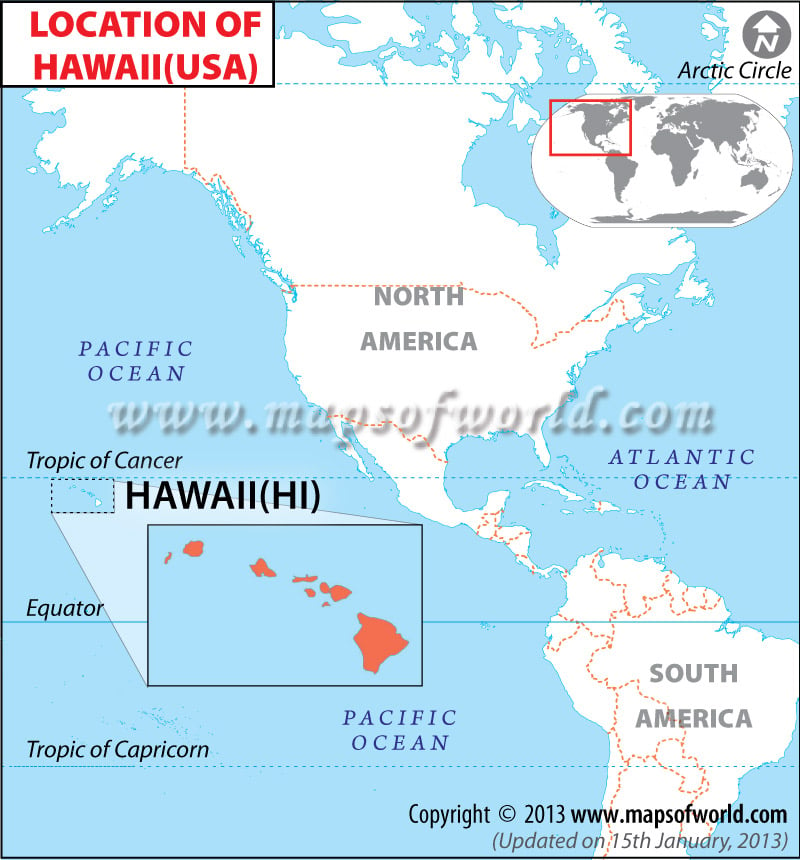
At approximately 2,400 miles (3,860 kilometers) southwest of the contiguous United States mainland (specifically, San Francisco, California), Hawaii stands as the most isolated population center on the planet. To the east, its closest major neighbor is North America, while to the west lies Asia and Australia, thousands of miles across the Pacific Ocean. This incredible isolation means that everything, from its endemic flora and fauna to the very first human inhabitants, had to travel immense distances to reach its shores. The chain stretches for over 1,500 miles (2,400 kilometers) from the Big Island in the southeast to the Kure Atoll in the northwest, forming part of the larger Hawaiian-Emperor Seamount Chain.
This geographical seclusion is not just a matter of miles; it’s a defining characteristic that contributes significantly to Hawaii’s allure for travelers. The journey itself becomes part of the experience, a gradual detachment from the hustle and bustle of mainland life, culminating in an arrival into a truly distinct environment. This sense of remoteness fuels the dreams of those seeking an ultimate escape, a place where the pace slows, and nature takes center stage. For those seeking accommodation, many resorts and hotels emphasize this secluded, private feel, offering luxury villas and secluded bungalows that enhance the sense of being truly “away from it all.”
Volcanic Origins and Diverse Landscapes
The Hawaiian Islands are the spectacular result of volcanic activity over a “hotspot” in the Earth’s mantle. As the Pacific Plate slowly moves northwestward over this stationary hotspot, new islands are continuously formed, while older ones gradually erode and sink. This geological process explains why the southeastern islands, like the Big Island of Hawaii, are still actively growing with ongoing volcanic eruptions, while the northwestern islands are ancient, eroded atolls.
This volcanic genesis has blessed Hawaii with an astonishing array of landscapes. From the active lava flows of Kilauea on the Big Island, to the towering peaks of Maui’s Haleakala, the lush, verdant valleys of Kauai, and the iconic beaches of Oahu, each island presents its own unique ecological niche and visual spectacle. Visitors can explore black sand beaches, vibrant coral reefs, dramatic sea cliffs, dense rainforests, and even snow-capped mountains on the same trip. This incredible natural diversity is a major draw for tourism, catering to every type of lifestyle traveler, whether they seek adventure, relaxation, or cultural immersion. The volcanic history has also created unique natural landmarks that attract millions, offering unparalleled experiences like hiking through lava tubes or witnessing the birth of new land.
Navigating the Aloha State: Key Islands and Their Charms
While the Hawaiian archipelago consists of numerous islands, islets, and atolls, eight main islands comprise the heart of the state, each offering a distinct flavor of the Aloha spirit. For travelers planning a visit, understanding the unique appeal of the major islands is crucial for tailoring an unforgettable experience.
Oahu: The Heartbeat of Hawaii
Oahu, often dubbed “The Gathering Place,” is the most populated and economically developed of the islands, serving as the gateway to Hawaii for most international travelers. Its bustling capital, Honolulu, is a vibrant metropolis blending urban sophistication with tropical charm. The iconic Waikiki Beach is a world-renowned destination, famous for its surfing waves, luxury resorts, and vibrant nightlife. Here, landmarks like Diamond Head Crater offer breathtaking panoramic views, while historical sites like Pearl Harbor provide a poignant reflection on modern history.
For lifestyle travelers, Oahu offers a spectrum of experiences. High-end hotels such as the Halekulani or the Moana Surfrider, a Westin Resort & Spa, cater to luxury travel, while a plethora of mid-range hotels and vacation rentals provide comfortable accommodation for budget travelers and family trips. Beyond Waikiki, the North Shore captivates surfers with legendary breaks like Banzai Pipeline and the Waimea Bay. The island’s diverse attractions make it ideal for first-time visitors who want a comprehensive taste of what Hawaii has to offer, from cultural festivals to world-class dining.

Maui: The Valley Isle’s Allure
Known as “The Valley Isle,” Maui strikes a perfect balance between Oahu’s energy and Kauai’s tranquility. It’s a favorite among honeymooners, luxury travelers, and those seeking a more relaxed yet adventurous Hawaiian experience. The island is famed for the scenic Road to Hana, a winding coastal drive through lush rainforests and past cascading waterfalls, and the majestic sunrise views from the summit of Haleakala National Park.
Maui boasts some of the most luxurious resorts in the world, particularly in areas like Wailea and Ka’anapali. Properties such as the Four Seasons Resort Maui at Wailea and The Ritz-Carlton, Kapalua offer impeccable service, stunning oceanfront accommodation, and world-class amenities, making them perfect for those seeking an indulgent lifestyle experience. The historic whaling town of Lahaina offers charming shops, art galleries, and acclaimed restaurants, while the annual humpback whale migration (December to May) provides an unforgettable natural spectacle.
The Big Island: A Land of Extremes
The largest island by far, the Big Island of Hawaii lives up to its name, encompassing eleven of the world’s thirteen climate zones. It’s a land of incredible contrasts, from active volcanoes and black sand beaches to snow-capped mountains and lush coffee plantations. The star attraction is undoubtedly Hawaii Volcanoes National Park, where visitors can witness the raw power of creation as lava flows into the sea or explore otherworldly landscapes shaped by ancient eruptions.
The island offers diverse tourism experiences. On the western (leeward) side, Kona is known for its sunny weather, coffee farms, and excellent snorkeling and diving spots. Here, resorts like the Fairmont Orchid, Hawaii provide luxurious stays. On the eastern (windward) side, Hilo is greener and more traditional, serving as a gateway to rainforests and waterfalls. Accommodation options range from grand hotels to charming bed-and-breakfasts, catering to a range of budget and lifestyle preferences. The Big Island is ideal for adventurous travelers and nature lovers who want to explore Hawaii’s geological heart.
Kauai: The Garden Isle’s Serenity
Kauai, “The Garden Isle,” is the oldest and northernmost of the main islands, renowned for its dramatic emerald peaks, lush rainforests, and cascading waterfalls. Its unspoiled natural beauty makes it a haven for outdoor enthusiasts and those seeking a tranquil escape. The iconic Na Pali Coast, with its towering sea cliffs and secluded beaches, is best experienced by boat tour, helicopter, or a challenging hike along the Kalalau Trail.
Another stunning natural landmark is Waimea Canyon, often called “The Grand Canyon of the Pacific,” offering spectacular vistas and numerous hiking opportunities. Areas like Poipu on the sunny south shore feature family-friendly resorts and hotels like the Grand Hyatt Kauai Resort & Spa, while the north shore around Princeville offers breathtaking views and upscale accommodation, including vacation rentals perfect for long-term stays. Kauai’s serene atmosphere and abundance of natural attractions make it a top choice for travelers seeking relaxation, natural beauty, and adventure in equal measure.
Experiencing Hawaii: Culture, Cuisine, and Adventure
Beyond its stunning geographical location and diverse islands, Hawaii captivates with its rich culture, unique culinary landscape, and endless opportunities for adventure. For any visitor, immersing in these aspects is key to a truly fulfilling Hawaiian experience, transcending mere sightseeing to become a profound journey into the spirit of Aloha.
Immersive Cultural Encounters
The culture of Hawaii is a vibrant tapestry woven from indigenous Polynesian traditions and influences from successive waves of immigration from Asia, Europe, and the United States. The concept of Aloha, meaning love, peace, and compassion, permeates daily life and interactions. A quintessential cultural experience is attending a traditional luau, where guests feast on Hawaiian cuisine like kalua pig, poi, and fresh seafood, while enjoying live music, hula dancing, and fire knife performances. The Polynesian Cultural Center on Oahu offers an unparalleled immersive journey into the diverse island cultures of the Pacific, presenting a deeper understanding of Hawaii’s roots.
Learning a few Hawaiian words, observing local customs, and visiting historic landmarks, such as Iolani Palace (the only official residence of royalty in the United States), provides invaluable insights into the islands’ proud heritage. Many resorts and hotels offer cultural programs, from lei making to ukulele lessons, allowing guests to connect more deeply with the local culture. This cultural tourism enriches any travel guide, making a trip to Hawaii not just a vacation but an educational and heartwarming experience.
Culinary Journeys and Local Flavors
Hawaii’s isolation and multicultural history have forged a unique and delicious culinary scene. Beyond the luau, foodies can embark on a journey of discovery, sampling everything from local plate lunches to gourmet farm-to-table dining. Iconic dishes like poke (diced raw fish), shave ice, and haupia (coconut pudding) are must-tries. The abundance of fresh seafood, tropical fruits, and locally grown produce (including world-famous Kona coffee and Maui onions) means that every meal is an opportunity to taste the island.
Food tours, farmers’ markets, and cooking classes offer deeper dives into the local food scene. Many upscale resorts feature award-winning restaurants that highlight Hawaiian regional cuisine, blending traditional flavors with contemporary techniques. For budget travelers, food trucks and local eateries provide authentic and affordable options. Exploring Hawaii’s food is an adventure in itself, a sensory exploration of its diverse cultural influences and fertile lands.
Adventures Across Land and Sea
The natural environment of Hawaii is a playground for adventure seekers, offering an incredible array of activities that leverage its unique location and geography. On the water, surfing is king, from beginner lessons on Waikiki Beach to watching professionals tackle the legendary waves of Oahu’s North Shore. Snorkeling and scuba diving in crystal-clear waters reveal vibrant coral reefs teeming with marine life, including colorful fish, sea turtles, and manta rays. Kayaking, paddleboarding, and sailing are also popular ways to explore the coastal beauty.
On land, hiking trails abound, ranging from gentle strolls through botanical gardens to challenging treks up volcanic craters or along dramatic sea cliffs. Zip-lining through rainforests, horseback riding through ranches, and exploring lava tubes offer different perspectives of the islands’ diverse landscapes. For an unforgettable aerial view, helicopter tours provide breathtaking vistas of waterfalls, hidden valleys, and inaccessible coastlines, such as Kauai’s Na Pali Coast. This blend of marine and terrestrial adventures ensures that every lifestyle traveler, from thrill-seekers to nature enthusiasts, finds their perfect activity.
Planning Your Hawaiian Escape: Accommodation and Travel Tips
Embarking on a journey to Hawaii requires careful planning, especially regarding accommodation and navigating between the islands. Given its remote location and popularity, securing the right lodging and understanding inter-island travel are key to a seamless and enjoyable experience.
From Luxury Resorts to Boutique Stays
Hawaii offers an extensive range of accommodation options to suit every preference and budget. For those seeking ultimate luxury travel, the islands are home to world-renowned resorts and hotels that provide unparalleled amenities, from oceanfront suites and private villas to championship golf courses and award-winning spas. Examples include the Grand Hyatt Kauai Resort & Spa, the Hilton Hawaiian Village Waikiki Beach Resort, and the Four Seasons Resort Hualalai on the Big Island. These establishments often curate unique experiences that reflect the local culture, such as hula lessons or stargazing sessions.
Mid-range hotels and boutique properties offer excellent value, often providing a more intimate atmosphere while still being close to major attractions. For budget travelers or those planning long-term stays, vacation rentals (apartments, condos, and private homes) through platforms like Airbnb or VRBO are popular choices, offering kitchen facilities and a more local living experience. Hostels are also available, particularly on Oahu, catering to backpackers and solo adventurers. When booking, consider the specific island’s vibe you seek – bustling Waikiki, serene Maui beaches, or the adventurous spirit of the Big Island – and choose accommodation that aligns with your desired lifestyle and itinerary.
Essential Travel Planning and Booking Advice
Given Hawaii’s location, flights are a significant part of the travel budget and time. Booking airfare and accommodation well in advance, especially during peak seasons (winter, summer holidays), is highly recommended to secure better rates and availability. Inter-island travel is typically done via short flights on local airlines like Hawaiian Airlines or Mokulele Airlines, connecting the major islands multiple times a day. Car rentals are advisable on most islands for flexibility in exploring, though public transportation is an option in Honolulu (TheBus).
The best time to visit often depends on your priorities; the shoulder seasons (April-May and September-November) offer pleasant weather and fewer crowds. Pack light, breathable clothing, swimwear, and good walking shoes. Always remember to respect local customs, protect the fragile natural environment, and embrace the spirit of Aloha. With a little planning, your journey to this remote Pacific paradise will be nothing short of magical, providing memories that last a lifetime and an experience that truly redefines the meaning of escape.
LifeOutOfTheBox is a participant in the Amazon Services LLC Associates Program, an affiliate advertising program designed to provide a means for sites to earn advertising fees by advertising and linking to Amazon.com. Amazon, the Amazon logo, AmazonSupply, and the AmazonSupply logo are trademarks of Amazon.com, Inc. or its affiliates. As an Amazon Associate we earn affiliate commissions from qualifying purchases.