
The journey from the sprawling metropolis of Los Angeles, California, to the glittering oasis of Las Vegas, Nevada, is an iconic American road trip. It’s a route traversed by millions each year, whether for a quick weekend getaway, a leisurely vacation, or a business trip. This adventure offers a fascinating contrast between the vibrant coastal culture of Southern California and the dazzling, desert-bound entertainment capital of the world. Understanding the distance, travel time, and various transportation options is crucial for planning a seamless and enjoyable experience. Beyond the practicalities, this trip also presents opportunities to explore unique roadside attractions and delve into the distinct lifestyles, cultures, and landmarks that define both destination cities.
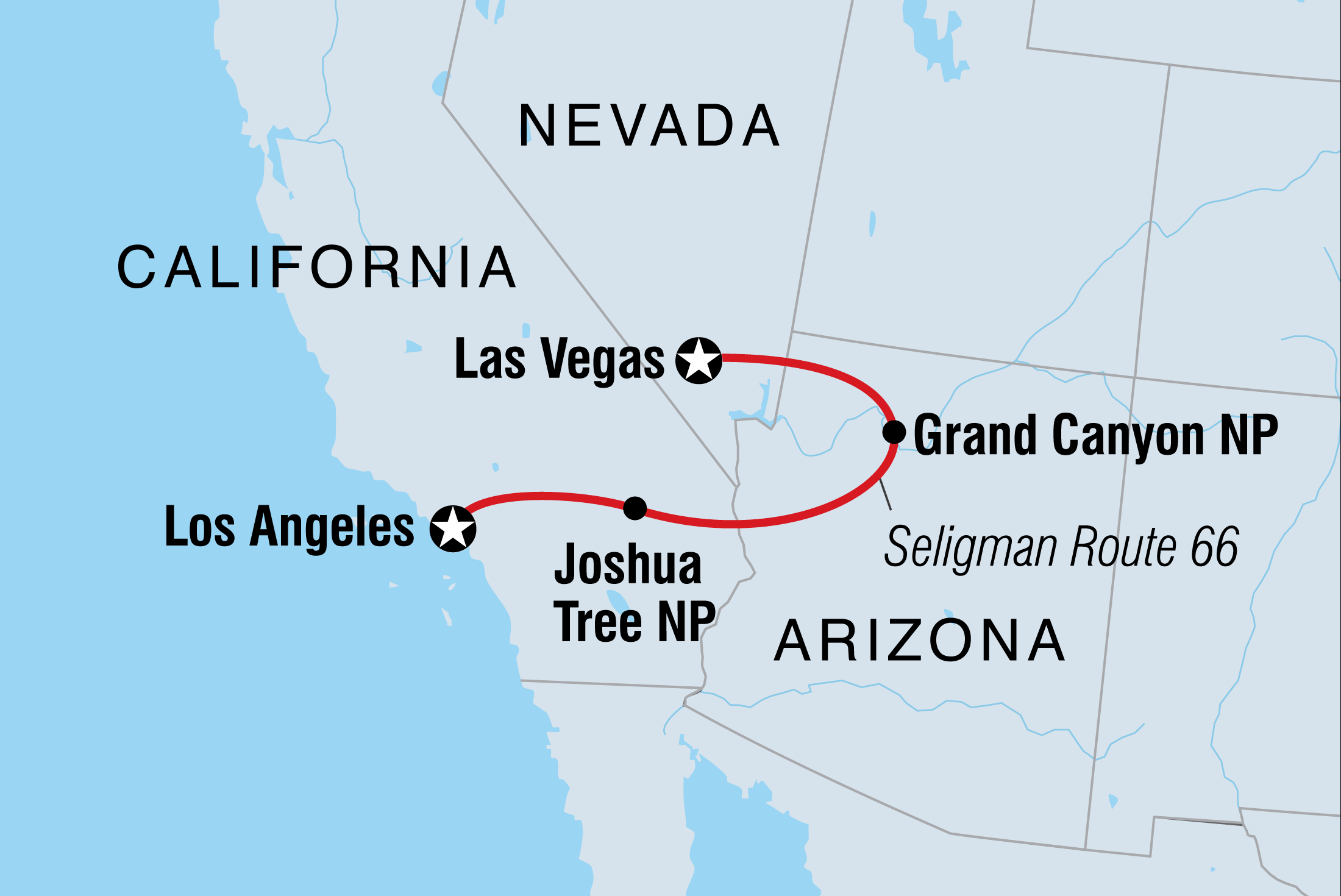
This guide will thoroughly unpack everything you need to know about traveling between Los Angeles and Las Vegas. We’ll cover the precise distances and estimated driving times, explore alternative modes of transport, highlight captivating stops along the way, and provide essential tips for planning your perfect trip, from choosing the right accommodation to experiencing the best attractions each city has to offer. Whether you’re seeking a high-octane adventure, a relaxing escape, or a blend of both, this detailed overview will equip you with the knowledge to make the most of your LA to Vegas expedition.
The Straightforward Journey: Distance and Drive Time
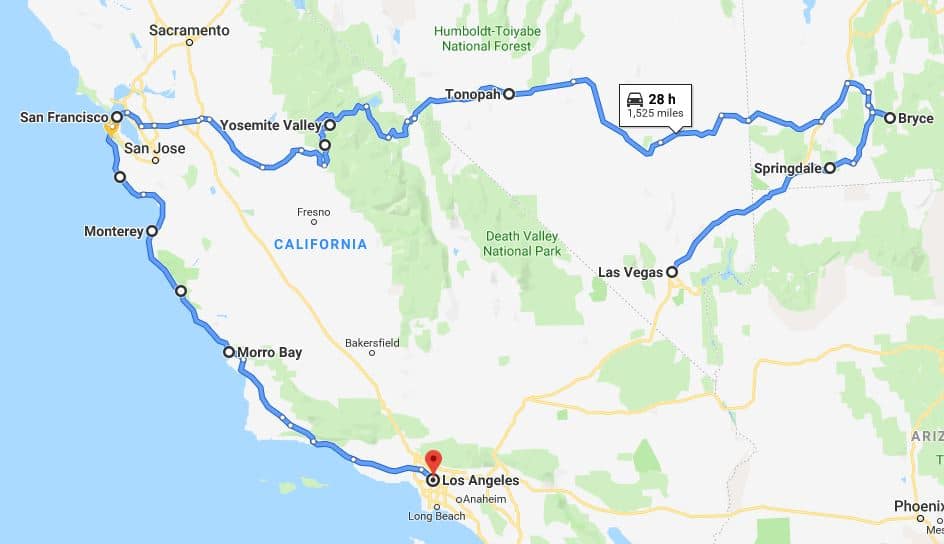
For many, the most common way to travel between Los Angeles and Las Vegas is by car, offering flexibility and the chance to discover hidden gems. However, the exact distance and the time it takes can vary based on your starting point in Los Angeles and your final destination in Las Vegas, as well as the prevailing traffic conditions.
Unpacking the Miles: The Official Distance
The approximate distance between downtown Los Angeles and the Las Vegas Strip is typically around 270 to 280 miles (approximately 435 to 450 kilometers). This measurement generally assumes you’re taking the most direct route, which is almost exclusively along Interstate 15 (I-15) North.
The I-15 corridor is a major artery connecting Southern California to Nevada, cutting straight through the vast and often starkly beautiful Mojave Desert. While a seemingly straightforward drive, the landscape transforms dramatically, moving from urban sprawl to high desert plains and mountain ranges. It’s a journey that reveals the raw, majestic beauty of the American Southwest, even if you’re focused on getting from point A to point B efficiently. Variations in the starting or ending points—for example, departing from Santa Monica or arriving at a resort off the main Strip—can add a few miles to this overall distance.
Clocking the Drive: Realistic Travel Times
Under ideal conditions, with no significant traffic, a drive from Los Angeles to Las Vegas can be completed in about 4 to 5 hours. This estimate, however, is often more theoretical than practical. Several factors can significantly impact the actual travel time:
- Traffic: This is arguably the biggest variable. Departures from Los Angeles during peak hours (Friday afternoons, holiday weekends) can add substantial time, often an hour or more, just to clear the city limits. Similarly, traffic can back up closer to Las Vegas as visitors arrive. The return trip on Sunday afternoons can be even more congested, with bottlenecks forming at various points along the I-15.
- Rest Stops and Fuel: It’s advisable to plan for at least one or two stops for gas, restrooms, and a quick stretch. These pit stops, especially if you grab a snack or coffee, can easily add 30-60 minutes to your total travel time.
- Road Construction: As with any major interstate, road construction projects can lead to lane closures and delays. It’s always wise to check real-time traffic updates before and during your journey.
- Weather Conditions: While most of the drive is through desert, high winds can affect driving conditions, and rare desert rainstorms can lead to flash floods, although this is less common. Extreme heat in the summer months also necessitates more frequent stops to cool down and rehydrate, both for yourself and potentially for your vehicle.
To maximize efficiency, many seasoned travelers recommend departing Los Angeles early on a weekday morning or late at night to avoid the worst of the traffic. Planning your route and checking real-time navigation apps are essential steps for a smoother journey.
Navigating Your Way: Travel Options Beyond Driving
While driving remains the quintessential way to experience the LA to Vegas route, it’s far from the only option. Depending on your budget, time constraints, and preference for convenience versus adventure, several alternatives are available.
Hitting the Road: Driving Your Own Car
Driving yourself offers unparalleled freedom and flexibility. You can depart whenever you like, take detours to interesting sights, and pack as much luggage as your car allows. It’s also often the most cost-effective option for groups or families.
- Freedom and Flexibility: This is the primary advantage. You control your schedule, your stops, and your pace. Want to photograph a peculiar roadside attraction? You can. Need an extra coffee break? No problem.
- Potential for Scenic Stops: The I-15 corridor, despite its reputation as a straight shot, has a surprising number of unique points of interest. These range from quirky roadside art installations to historic ghost towns, providing a refreshing break from the highway monotony.
- Costs: The main expenses include gas (which can add up depending on your vehicle’s fuel efficiency and current prices), potential car rental fees, and parking costs once you arrive in Las Vegas. Many hotels on the Strip now charge for parking, so factor this into your budget.
- Tips for Driving: Ensure your vehicle is in good condition, especially if traveling during hot summer months. Carry plenty of water, snacks, and a first-aid kit. A portable phone charger is also a good idea, as cell service can be spotty in certain desert stretches. Plan your fuel stops, as services can be sparse between major towns.
Public Transportation: Bus Alternatives
For those who prefer to sit back and let someone else do the driving, bus services offer an economical and often comfortable way to travel between the two cities.
- Bus Services: Companies like Greyhound and Megabus operate multiple daily routes between Los Angeles and Las Vegas. These services typically offer amenities such as Wi-Fi, power outlets, and reclining seats, making the 5-7 hour journey more pleasant.
- Cost-Effectiveness: Bus tickets are generally the most budget-friendly option, especially if booked in advance. This makes them a popular choice for solo travelers or those looking to save money.
- Duration: While bus travel might take slightly longer than driving your own car due to scheduled stops and varying traffic patterns, it eliminates the stress of navigating and potential parking woes.
- Convenience: Buses usually depart from central locations in Los Angeles and arrive at easily accessible terminals in Las Vegas, often near downtown or the Strip, facilitating onward travel to your accommodation.
Taking to the Skies: Flying Between Cities
For speed and ultimate convenience, flying is an excellent choice, particularly for business travelers or those with limited time.
- Short Flight Time: The actual flight duration between Los Angeles and Las Vegas is remarkably short, usually around 1 hour to 1 hour and 15 minutes.
- Pros: It’s the fastest way to cover the distance. Multiple airlines offer frequent flights daily, providing plenty of schedule flexibility.
- Cons: While the flight itself is quick, the overall door-to-door travel time can be comparable to or even longer than driving when you factor in travel to and from airports, security checks, boarding, and baggage claim.
- Cost: Airfare can vary wildly. While budget airlines often offer competitive rates, prices can surge during peak travel times, holidays, or if booked last-minute. Don’t forget to account for potential baggage fees.
- Airports: In Los Angeles, the primary airport is Los Angeles International Airport (LAX). In Las Vegas, you’ll arrive at Harry Reid International Airport (LAS), which is conveniently located very close to the Strip and downtown areas. Despite the costs and airport processes, flying remains a popular choice for its sheer speed across the desert.
Making the Most of the Journey: Stops and Experiences
The trip between Los Angeles and Las Vegas doesn’t have to be just about getting from one point to another. The journey itself can be an integral part of the adventure, offering unique roadside attractions and opportunities for extended detours into the stunning natural landscapes of the American Southwest.
Iconic Roadside Attractions
The I-15 corridor is peppered with quirky, historical, and artistic stops that are perfect for breaking up the drive, stretching your legs, and capturing some memorable photos.
- Calico Ghost Town: Located just off the I-15 near Barstow, California, this historic silver mining town from the 1880s has been preserved as a regional park. It offers a fascinating glimpse into the Old West, complete with museums, shops, and authentic buildings. It’s a fantastic stop for history buffs and families alike.
- Seven Magic Mountains: As you get closer to Las Vegas, just south of the city, you’ll encounter this striking art installation by Swiss artist Ugo Rondinone. Seven towering stacks of brightly painted boulders rise dramatically from the desert floor, creating a surreal and vibrant contrast with the natural landscape. It’s a popular spot for Instagram-worthy photos.
- World’s Tallest Thermometer in Baker: Situated in the small desert town of Baker, this monumental thermometer stands at 134 feet tall, commemorating the highest temperature ever recorded in Death Valley, 134°F (56.7°C) in 1913. It’s a fun, quick stop for a photo op and to check the current (often scorching) desert temperature.
- Zzyzx Road: While not a traditional attraction, the sign for Zzyzx Road often piques curiosity. This amusingly named road leads to a former health spa, now a desert research center, known for its natural springs. It’s an intriguing detour for those who enjoy exploring the obscure.
Beyond the Drive: Extended Stays and Detours
For those with more time, the region surrounding the LA to Vegas route offers incredible natural wonders worth exploring as a standalone trip or a significant detour.
- Death Valley National Park: A substantial detour north of the I-15, but absolutely worth it for nature enthusiasts. Death Valley is a land of extremes, home to the lowest point in North America (Badwater Basin), vast salt flats, colorful badlands, and stunning vistas. It’s best visited in cooler months (October to April) to avoid the intense summer heat.
- Lake Mead National Recreation Area: Located just a short drive east of Las Vegas, this massive recreation area centers around Lake Mead, formed by the Hoover Dam. It offers opportunities for boating, fishing, hiking, and stunning desert landscapes.
- Hoover Dam: An engineering marvel and a significant landmark, the Hoover Dam is an essential stop for many traveling to or from Las Vegas. It’s located about 30 miles (48 km) southeast of the city, easily accessible as a half-day trip. Guided tours explain its history and construction, and the views of the dam and Lake Mead are breathtaking.
Incorporating these stops transforms a simple drive into an enriching travel experience, showcasing the diverse appeal of the American Southwest.
Planning Your Ultimate LA to Vegas Adventure
A successful trip from Los Angeles to Las Vegas goes beyond just knowing the distance; it involves careful planning of accommodation, activities, and essential travel tips to ensure a smooth and memorable journey.
Where to Stay: Accommodation Insights
Both Los Angeles and Las Vegas offer a staggering array of accommodation options, catering to every style, budget, and preference, from luxurious resorts to quaint boutique hotels and practical budget stays.
- In Los Angeles: The sprawling nature of LA means choosing a neighborhood is key to your experience.
- Luxury: Areas like Beverly Hills and West Hollywood boast iconic hotels such as the Beverly Wilshire, A Four Seasons Hotel, offering world-class amenities, gourmet dining, and proximity to upscale shopping and celebrity hotspots.
- Mid-Range: Hollywood and Downtown LA provide a mix of stylish hotels, close to major attractions and cultural sites. Santa Monica offers beachfront properties and a relaxed, upscale vibe.
- Budget-Friendly: Options can be found further afield or in smaller motels, especially if you prioritize saving on accommodation to spend more on experiences. Look for good reviews and proximity to public transport if you’re not driving extensively within LA.
- In Las Vegas: Accommodation is a cornerstone of the Vegas experience, with hotels often being attractions in themselves.
- The Strip: This is where most of the iconic resorts are concentrated, such as Bellagio, Caesars Palace, and the Venetian Resort. These offer lavish suites, extensive casino floors, celebrity chef restaurants, world-class entertainment, and luxury shopping. Staying on the Strip puts you in the heart of the action, though prices reflect this premium.
- Downtown Las Vegas: Centered around the Fremont Street Experience, downtown offers a more classic, old-school Vegas vibe, often at slightly more affordable rates. It’s known for its vibrant atmosphere, zip-lining, and unique light shows.
- Off-Strip Options: Numerous resorts and hotels are located a short drive from the Strip, offering larger rooms, often more family-friendly amenities, and generally better value. These are ideal for travelers who prefer a slightly quieter environment or want to save money without sacrificing quality.
Booking accommodation well in advance, especially during peak seasons or major events, is highly recommended to secure the best rates and availability.
What to Do: Experiences and Attractions
Both Los Angeles and Las Vegas are overflowing with attractions and activities, catering to a diverse range of interests, from cultural exploration to thrilling entertainment and natural beauty.
- In Los Angeles:
- Culture and Arts: Visit the Griffith Observatory for stunning city views and celestial exploration, or explore the world-class art collections at the Getty Center and the Los Angeles County Museum of Art (LACMA).
- Entertainment: Experience the magic of Universal Studios Hollywood, stroll along the Hollywood Walk of Fame, or catch a show at one of the city’s many iconic venues.
- Beaches: Relax or play at Santa Monica Pier and Beach, or explore the eclectic culture of Venice Beach.
- In Las Vegas:
- Entertainment: Vegas is synonymous with world-class shows, from resident performers like Cirque du Soleil to headlining musical acts and comedy.
- Gaming and Nightlife: Try your luck at the casinos or dance the night away at lavish nightclubs.
- Dining and Shopping: Indulge in gourmet meals from celebrity chefs or shop at high-end boutiques found in places like The Forum Shops at Caesars Palace.
- Day Trips: Consider a thrilling helicopter tour or bus trip to the Grand Canyon, an unforgettable natural wonder that, while a significant excursion, is easily arranged from Las Vegas.
Essential Travel Tips for a Smooth Trip
- Best Time to Travel: The ideal time to drive between LA and Vegas is during the spring (March to May) or fall (September to November) when desert temperatures are mild and pleasant. Summer (June to August) can be intensely hot, making driving uncomfortable and increasing the risk of vehicle issues. Winters are generally mild but can sometimes bring cooler temperatures and even rare desert snow in higher elevations.
- Packing Essentials: Regardless of the season, pack plenty of water and snacks for the drive. Sunscreen, hats, and sunglasses are a must for protection against the strong desert sun. A light jacket is advisable for Las Vegas evenings, even in summer, due to air conditioning.
- Traffic Considerations: Always check real-time traffic updates before departing and throughout your journey. Weekday travel, especially outside of rush hours, will be significantly faster than weekend or holiday travel.
- Book in Advance: For popular shows, fine dining, or specific hotels, especially during peak season, booking well in advance is crucial to avoid disappointment and often secure better prices.
- Budgeting: Factor in not just travel and accommodation, but also food, entertainment, parking, and potential resort fees in Las Vegas. Having a clear budget helps manage expenses and enhance your enjoyment.
- Stay Hydrated: The desert climate is very dry. Drink plenty of water, even if you don’t feel thirsty, to prevent dehydration.
The journey from Los Angeles to Las Vegas is more than just covering nearly 300 miles of highway; it’s an opportunity for a diverse travel experience. Whether you opt for the efficiency of a flight, the economy of a bus, or the freedom of a road trip, careful planning ensures that every aspect, from the journey itself to your chosen accommodations and activities, contributes to an unforgettable adventure. By understanding the distances, travel options, and available attractions, you can tailor your trip to suit your interests and create lasting memories between these two iconic American cities.
LifeOutOfTheBox is a participant in the Amazon Services LLC Associates Program, an affiliate advertising program designed to provide a means for sites to earn advertising fees by advertising and linking to Amazon.com. Amazon, the Amazon logo, AmazonSupply, and the AmazonSupply logo are trademarks of Amazon.com, Inc. or its affiliates. As an Amazon Associate we earn affiliate commissions from qualifying purchases.