
The tragic event known as the Las Vegas shooting occurred on October 1, 2017. This horrific incident unfolded on a Sunday evening, forever marking a somber day in the history of this vibrant city. What began as a joyous country music festival on the Las Vegas Strip swiftly transformed into a scene of unimaginable terror, leaving an indelible impact on countless lives and the global perception of one of the world’s most famous travel destinations.
For those planning to visit Las Vegas or seeking to understand this pivotal moment, grasping the details surrounding the event is crucial. While the immediate question “When was the Las Vegas shooting?” is answered with a specific date, delving deeper reveals the human stories, the immediate aftermath, and the profound resilience demonstrated by the community. This article aims to provide a comprehensive overview of the incident, its impact on the city’s robust tourism and hospitality sectors, and the ongoing efforts to ensure Las Vegas remains a welcoming and safe destination for visitors from around the globe. Understanding this event is not just about a date; it’s about appreciating the strength of a city that has continually redefined itself, even in the face of immense adversity. From its glittering hotels and world-class attractions to its commitment to visitor well-being, Las Vegas exemplifies resilience, making it a powerful case study for crisis management within the tourism industry.
The Tragic Night of October 1, 2017
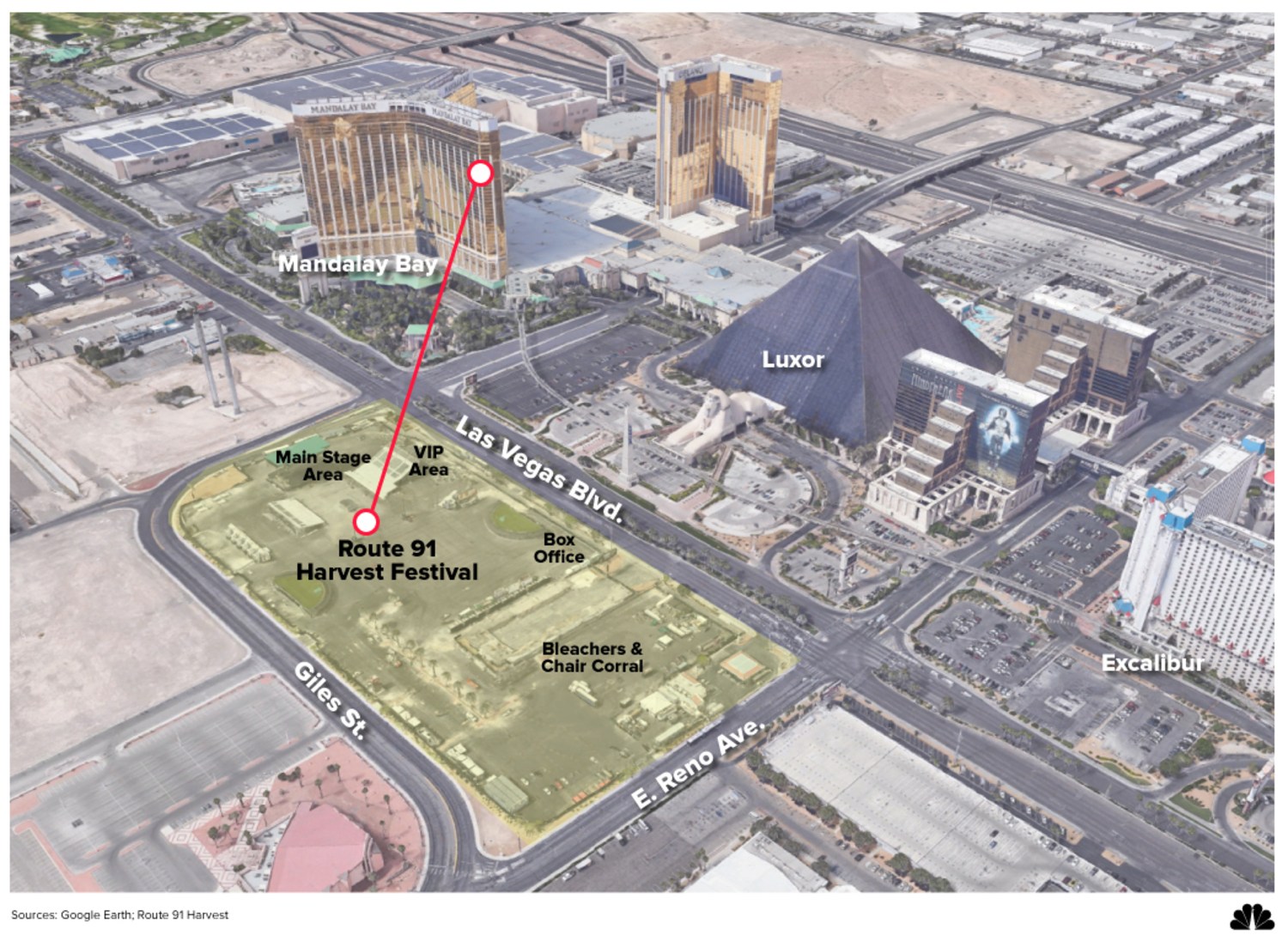
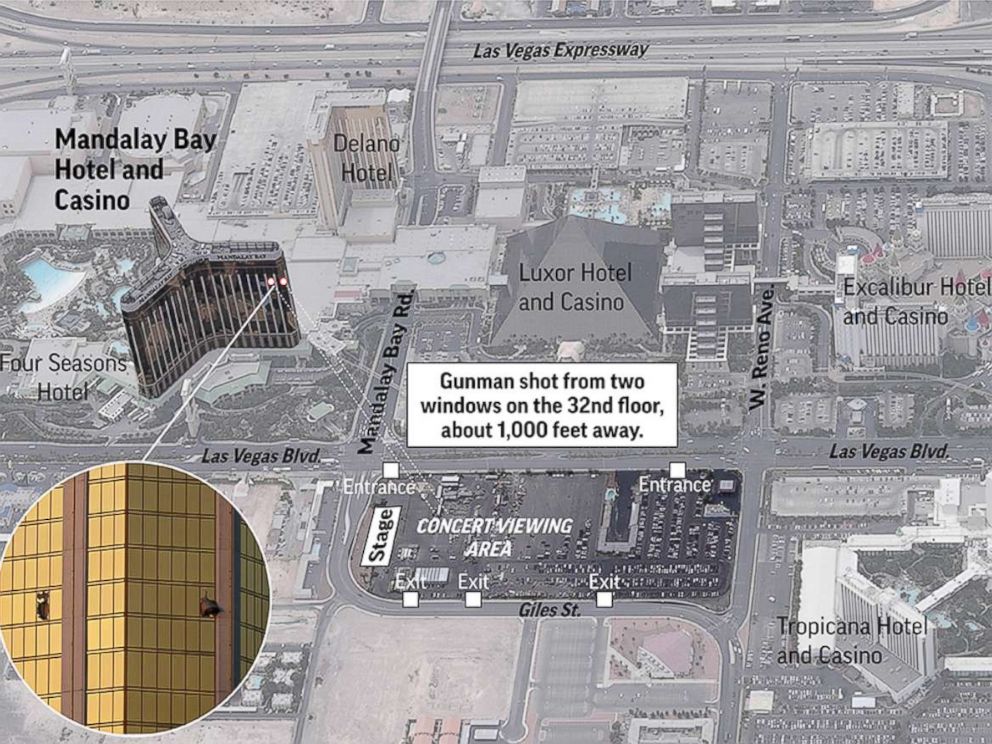
The evening of October 1, 2017, started like many others in Las Vegas, filled with entertainment and excitement. Thousands had gathered for the final night of the Route 91 Harvest Festival, a popular country music event held on a 15-acre open-air lot across from the Mandalay Bay Resort and Casino. Music lovers were enjoying a performance by headliner Jason Aldean when, at approximately 10:05 p.m. PDT, the festive atmosphere was shattered by the sound of rapid gunfire.
The shots originated from a suite on the 32nd floor of the Mandalay Bay Resort and Casino, where a lone gunman, identified as Stephen Paddock, had positioned himself. Armed with multiple firearms, he opened fire on the unsuspecting crowd below, unleashing a barrage of bullets that lasted for over ten minutes. The attack resulted in the deaths of 58 people initially, with two more victims succumbing to their injuries in the years that followed, bringing the total number of fatalities directly attributed to the shooting to 60. Additionally, hundreds more were injured, both by gunfire and in the ensuing stampede as concert-goers desperately sought cover and escape.
A Festival Transformed into a Nightmare
The Route 91 Harvest Festival was a major draw for both Las Vegas residents and tourists visiting from across the United States and beyond. The open-air setting, typical for large music festivals, offered no immediate shelter, leaving attendees vulnerable. The initial confusion, with many mistaking the sounds for fireworks or equipment malfunctions, quickly gave way to a terrifying realization as people witnessed others falling around them. The scale and indiscriminate nature of the attack created a chaotic scene, as individuals struggled to comprehend the unfolding horror and find safety.
The Mandalay Bay Resort and Casino, a prominent landmark on the Las Vegas Strip known for its luxurious accommodations, extensive amenities, and various attractions like its famous beach and convention spaces, became inadvertently central to the tragedy. The choice of such a high vantage point underscored the calculated nature of the attack, allowing the perpetrator to inflict maximum damage over a wide area. This event prompted a global re-evaluation of security protocols for large gatherings and high-rise buildings, especially in tourism-dependent cities. For many, the memory of that night remains a stark reminder of the unpredictable nature of such threats, even in seemingly secure destinations.
The Immediate Aftermath and Heroic Responses
In the immediate aftermath, the city of Las Vegas and its diverse community rallied with extraordinary courage and compassion. First responders, including the Las Vegas Metropolitan Police Department (LVMPD), firefighters, and paramedics, arrived swiftly on the scene, facing an active shooter situation with immense bravery. Alongside them, ordinary citizens became heroes, assisting the wounded, guiding others to safety, and using their own vehicles to transport victims to overwhelmed hospitals. The swift actions of law enforcement eventually led them to the shooter’s suite, where he was found deceased from a self-inflicted gunshot wound.
The medical community in Las Vegas and neighboring Nevada communities was immediately inundated. Hospitals sprang into action, activating mass casualty protocols and demonstrating incredible coordination under extreme pressure. Blood donation centers saw an unprecedented outpouring of support, with lines forming for hours as people sought to contribute to the recovery efforts. This period highlighted the inherent strength and unity of the Las Vegas community, showcasing how a city built on entertainment and visitor experiences could transform into a beacon of hope and mutual aid in its darkest hour. The outpouring of assistance and support, both locally and nationally, symbolized the resilience that would become a hallmark of Las Vegas’s healing journey.
Las Vegas: A City’s Resilience and Unwavering Spirit
The October 1, 2017, shooting presented an unprecedented challenge to Las Vegas, a city whose very identity is intertwined with welcoming millions of tourists each year. The immediate aftermath was marked by profound grief, but also by an incredible outpouring of solidarity, encapsulated by the phrase “Vegas Strong.” This spirit of resilience became the bedrock upon which the city began its recovery, focusing on both healing and strengthening its position as a premier global destination. The incident compelled a comprehensive re-evaluation of security paradigms, influencing everything from urban planning in areas of high foot traffic to the daily operations of individual hotels and resorts.
The Impact on Tourism and Hospitality
For a city where tourism is the primary economic engine, the shooting had an immediate and palpable impact. Initial reports suggested a dip in visitor numbers and hotel bookings in the months following the tragedy. Conference and convention planners, crucial to the city’s midweek hospitality business, also faced difficult decisions. The image of the glittering Las Vegas Strip, usually associated with carefree lifestyle and entertainment, was temporarily overshadowed by sorrow.
However, the industry quickly mobilized. Organizations like the Las Vegas Convention and Visitors Authority worked tirelessly to reassure potential visitors and event organizers about the city’s safety and commitment to guest welfare. Major hotel operators such as MGM Resorts International, which owns the Mandalay Bay Resort and Casino and many other iconic properties on the Strip, invested heavily in enhancing security measures. The collective effort was to demonstrate that while the city had been wounded, its spirit for welcoming guests and delivering world-class experiences remained unbroken. This period saw a remarkable unity among competitors, as the entire Las Vegas industry understood the importance of presenting a unified front of recovery and renewed commitment to safety.

Enhancing Safety and Security Measures
In the wake of the shooting, Las Vegas undertook a monumental effort to bolster its security infrastructure. This involved a multi-faceted approach, combining advanced technology, increased personnel, and enhanced training across all sectors of the hospitality and public safety ecosystem.
- Increased Surveillance and Technology: Hotels and public spaces significantly upgraded their surveillance systems, deploying state-of-the-art cameras, facial recognition technology, and other predictive analytics tools. Baggage screening protocols were reviewed and enhanced at various venues and attractions, akin to airport security procedures.
- Enhanced Law Enforcement Presence: The Las Vegas Metropolitan Police Department increased its visible presence, particularly in high-traffic tourist areas like the Las Vegas Strip. Collaboration with federal agencies like the Federal Bureau of Investigation (FBI) was also intensified to monitor potential threats.
- Hotel and Resort Protocols: Resorts implemented stricter internal security measures, including more frequent checks of guest rooms, particularly those exhibiting suspicious behavior or excessive hardware. Training for hotel staff was significantly expanded to include active shooter response, emergency evacuation procedures, and identifying potential threats. Protocols for large events and concerts were also revamped, often including new perimeter security, entry screenings, and emergency medical services.
- Community Preparedness: Beyond the immediate Strip area, Clark County and local agencies worked to improve overall community preparedness for emergencies, ensuring better coordination between various public safety entities and private enterprises. This included drills and simulations to test response capabilities.
These comprehensive measures were designed not only to prevent future incidents but also to instill confidence in visitors, reinforcing Las Vegas’s commitment to providing a secure environment for everyone who comes to experience its unique blend of entertainment and lifestyle.
Memorials and Remembering the Victims
Amidst the rebuilding and security enhancements, the city of Las Vegas also focused on healing and remembrance. The “Vegas Strong” movement became a powerful symbol of unity and solidarity, reflecting the community’s collective grief and determination to support one another.
One of the most significant immediate memorials was the Las Vegas Community Healing Garden, created shortly after the tragedy. This tranquil space in downtown Las Vegas features a dedicated tree for each victim, surrounded by flowers, benches, and a wall for messages of remembrance. It serves as a permanent testament to the lives lost and a place for quiet reflection and solace.
Plans for a larger, permanent memorial have also been underway. The October 1 Memorial Committee was established to guide the creation of a lasting tribute on a portion of the Route 91 Harvest Festival site. This memorial aims to honor the victims, survivors, and first responders, while also serving as a reminder of the community’s strength. These initiatives reflect Las Vegas’s profound respect for those affected and its enduring commitment to ensuring their memories live on, woven into the fabric of the city’s history and its future. Such memorials are integral not only for local residents but also for tourists who wish to pay their respects, offering a poignant contrast to the city’s otherwise vibrant and bustling atmosphere.
Las Vegas Today: A Vibrant and Safe Destination
Despite the profound challenges posed by the 2017 shooting, Las Vegas has not only recovered but continues to thrive as a leading global destination. The city’s commitment to innovation, coupled with its unwavering focus on visitor safety and experience, ensures that it remains at the forefront of the travel industry. From opulent resorts and gourmet dining to world-class entertainment and unique attractions, Las Vegas offers an unparalleled array of lifestyle and tourism options.
The Las Vegas Strip continues to evolve with new landmarks and experiences such as Allegiant Stadium, T-Mobile Arena, and the groundbreaking Sphere at The Venetian Resort, attracting diverse audiences, from sports enthusiasts to music lovers and technology admirers. These additions complement existing iconic properties like Paris Las Vegas, The Venetian Resort Las Vegas, Bellagio Hotel & Casino, and New York-New York Hotel & Casino, solidifying its reputation as a dynamic city that constantly reinvents itself. The vibrancy of Las Vegas is a testament to its enduring appeal and the success of its efforts to maintain its status as a top-tier global hub for leisure and business travel.
Continuing to Thrive as a Global Hub
Las Vegas’s resilience is evident in its continuous growth and innovation. The city has cemented its position as a global hub not only for gaming and entertainment but also for major conventions, trade shows, and sporting events. The Las Vegas Convention Center consistently hosts some of the world’s largest industry gatherings, drawing millions of business travelers annually who contribute significantly to the local economy. This diversified approach ensures that Las Vegas is not solely reliant on leisure tourism, further strengthening its economic stability and appeal.
The city also boasts an incredible array of dining options, from Michelin-starred restaurants to casual eateries, catering to every palate and budget. Its hotels offer diverse accommodation choices, from luxurious suites and sprawling resorts with extensive amenities to more affordable options, making it accessible for a wide range of visitors. The ongoing development projects, including new entertainment venues and upgraded infrastructure like Harry Reid International Airport, underscore the city’s forward-looking vision and its commitment to remaining a world leader in tourism and hospitality.
Planning Your Visit with Confidence
For prospective visitors, Las Vegas offers a welcoming and secure environment. The enhanced security measures implemented since 2017 are seamlessly integrated into the visitor experience, designed to be effective without being intrusive. Visitors can confidently plan their trips, knowing that the city’s robust public safety infrastructure and the vigilant efforts of its hospitality partners prioritize their well-being.
Whether you’re looking for a luxury travel escape, a family trip, a business stay, or a budget travel adventure, Las Vegas has something for everyone. From enjoying spectacular shows and trying your luck at the casinos to exploring unique attractions and indulging in world-class dining, the city promises unforgettable memories. The spirit of “Vegas Strong” is not just a slogan; it represents a deep-seated commitment to community, safety, and the enduring allure of a destination that continues to captivate the world. By understanding the city’s journey through tragedy and its subsequent efforts to enhance security and foster community, travelers can truly appreciate the depth and character of Las Vegas today.
LifeOutOfTheBox is a participant in the Amazon Services LLC Associates Program, an affiliate advertising program designed to provide a means for sites to earn advertising fees by advertising and linking to Amazon.com. Amazon, the Amazon logo, AmazonSupply, and the AmazonSupply logo are trademarks of Amazon.com, Inc. or its affiliates. As an Amazon Associate we earn affiliate commissions from qualifying purchases.