
To ask “who invented Las Vegas?” is to inquire about more than just a place; it’s to seek the origin story of a global phenomenon, a city synonymous with extravagant entertainment, boundless ambition, and a unique brand of luxury travel. Las Vegas, the “Entertainment Capital of the World,” the “Sin City,” a glittering oasis in the Nevada desert, did not spring from the singular vision of one individual. Instead, it is the cumulative masterpiece of pioneers, dreamers, opportunists, and even notorious figures, each contributing a vital layer to its complex identity. Its invention is a tale woven from historical necessity, legal loopholes, audacious entrepreneurship, and a constant reinvention that continues to this day. To truly understand its genesis, one must journey through the barren desert, trace the lines of a railroad, witness the construction of a monumental dam, and observe the bold decisions of those who dared to gamble on a desert town.

From Desert Oasis to Railroad Stop: The Early Days
Before neon lights pierced the desert night and towering resorts dominated the skyline, Las Vegas was merely a name on a map, inspired by the natural bounty of its surroundings. Its very existence began with the most fundamental of needs: water.
A Spring in the Desert: The Name’s Origin
The name “Las Vegas” itself, Spanish for “The Meadows,” speaks to its earliest allure. In the mid-19th century, this area was a lush wetland, fed by underground springs, offering a rare verdant respite in the vast Mojave Desert. This natural resource made it a crucial stop for travelers, explorers, and traders journeying between Los Angeles, California, and Salt Lake City, Utah, along what was known as the Old Spanish Trail.
Early attempts at settlement included a Mormon mission established in 1855, aimed at converting local Native Americans and providing supplies for pioneers. While this mission was short-lived, it underscored the strategic importance of the area. It was the presence of perennial springs that truly put Las Vegas on the map as a potential hub, a place where life could thrive against all odds.
The Arrival of the Railroad: Forging a Townsite
The real catalyst for modern Las Vegas’ formation came at the dawn of the 20th century with the arrival of the San Pedro, Los Angeles and Salt Lake Railroad. Railroad magnate Senator William Andrews Clark, foreseeing the need for a coaling and water stop for his burgeoning railway, purchased the expansive meadows. On May 15, 1905, an auction was held for 1,200 lots of land adjacent to the new railroad tracks, marking the official birth of the Las Vegas townsite. This event drew a diverse crowd of prospectors, entrepreneurs, and dreamers, all eager to stake their claim in what was envisioned as a promising railroad town.
The initial layout of the town, centered around what is now downtown Las Vegas, quickly developed with saloons, boarding houses, and small businesses catering to the railroad workers and increasing transient population. These early establishments laid the foundational stones for the city’s future as a service-oriented hub, accustomed to catering to visitors passing through. This period was characterized by pragmatic growth, driven by commerce and the basic needs of a developing frontier settlement, rather than the grand ambitions that would later define it.
The Seeds of a Sin City: Prohibition, Hoover Dam, and Gambling
The relatively modest beginnings of Las Vegas took a dramatic turn in the early 20th century, shaped by national policies and monumental engineering projects that would inadvertently pave the way for its unique identity.
The Era of Prohibition and Speakeasies
While the rest of the United States grappled with Prohibition from 1920 to 1933, the spirit of defiance in Nevada fostered a climate ripe for illicit entertainment. Though alcohol was banned nationwide, the remote and less rigidly enforced laws in Nevada meant that speakeasies and clandestine gambling operations flourished, particularly in towns like Las Vegas where a transient population sought recreation. This period arguably introduced an element of ‘anything goes’ to the nascent culture of the town, laying psychological groundwork for its future as a destination that catered to desires often suppressed elsewhere. The informal network of entertainment providers, accustomed to operating outside the law, inadvertently developed skills and infrastructure that would prove invaluable later.
The Hoover Dam and a Boom Town
The true turning point arrived with the construction of the Hoover Dam in the 1930s. This colossal federal project, located just southeast of Las Vegas on the Colorado River, brought thousands of workers and their families to the region. These men, engaged in grueling and dangerous labor, sought solace and entertainment during their off-hours. Las Vegas, with its proximity and a pre-existing, albeit small, entertainment scene, became their primary escape.
Recognizing the influx of population and the demand for recreation, the state of Nevada made a pivotal decision in 1931: it legalized gambling. This move, driven in part by the economic realities of the Great Depression and the desire to regulate and tax existing illicit activities, provided the legal framework that would fundamentally shape the city. Early casinos, simple in their design but effective in their purpose, sprang up to cater to the dam workers, offering games of chance, cheap liquor, and lively atmospheres. This era solidified Las Vegas’ reputation as a place where entertainment, particularly gambling, was openly embraced.
Early Visionaries: From Saloons to Resorts
As the town grew, so did the ambitions of its entrepreneurs. One crucial figure in this transition was Guy McAfee, a former Los Angeles police captain turned legitimate Las Vegas casino operator. McAfee is credited with coining the term “The Strip” for a stretch of Highway 91 just south of downtown Las Vegas, where he and others began to build casinos outside the city limits. This location, outside the jurisdiction of city taxes and regulations, offered more freedom and space for expansion.
The very first resorts, like the El Rancho Vegas (opened 1941) and the Hotel Last Frontier (opened 1942), represented a significant evolution. These weren’t just gambling halls; they were sprawling complexes that offered accommodation, dining, swimming pools, and rudimentary entertainment alongside the gaming tables. They laid the blueprint for the integrated resort concept, a model that would eventually define Las Vegas as a holistic travel destination. These early pioneers recognized that to attract visitors, especially tourists from California, they needed to offer more than just gambling—they needed an experience.
The Godfather of the Strip: Bugsy Siegel and the Flamingo Revolution
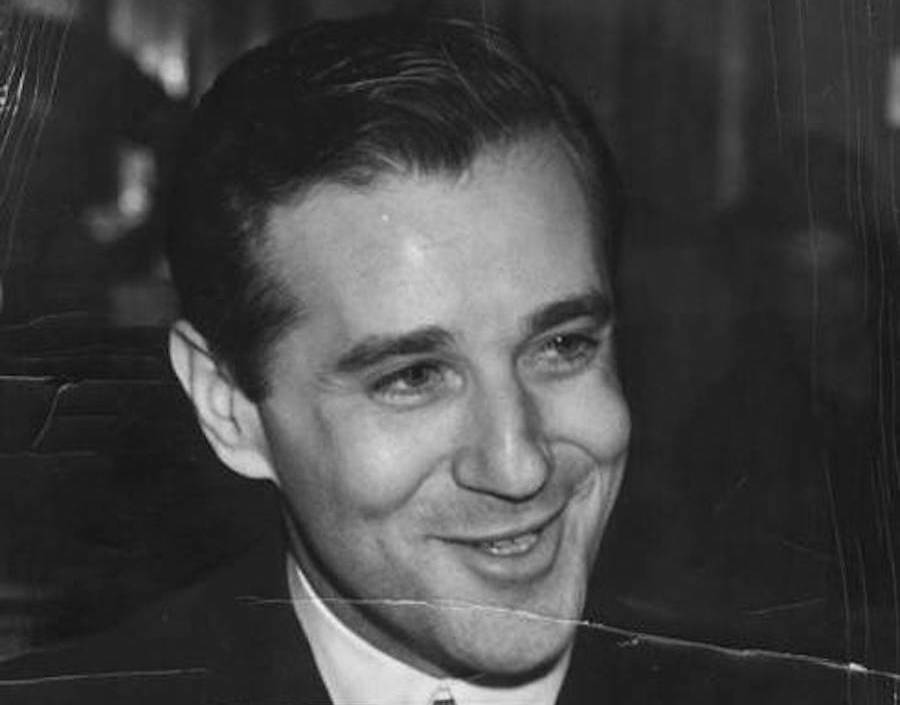
While many contributed to the early development of Las Vegas, one figure stands out for his audacious vision and the lasting impact he had on the city’s trajectory: Benjamin “Bugsy” Siegel. His dream of an opulent resort in the desert marked a radical departure from existing establishments and truly ushered in the era of the modern Las Vegas luxury destination.
A Gangster’s Vision
Bugsy Siegel was not a builder by trade, but a notorious mobster with strong ties to organized crime syndicates on the East Coast. He arrived in Las Vegas in the mid-1940s, initially to manage illegal gambling operations. However, he soon saw beyond the dusty gambling houses and understood the untapped potential of The Strip. Siegel envisioned a grand, European-style luxury hotel and casino, unlike anything the world had ever seen. He wanted to create a destination that would draw not just locals and transient workers, but high rollers and glamorous celebrities from Hollywood and beyond. His vision was to transform a desert outpost into a sophisticated, albeit hedonistic, playground.
The Birth of the Flamingo Hotel and Casino
Siegel famously took over and completed the construction of the Flamingo Hotel and Casino (named, according to legend, after his girlfriend, Virginia Hill, who had long, slender legs like a flamingo). The project was plagued by cost overruns, mismanagement, and escalating budgets, ballooning from an initial estimate of $1.5 million to an astonishing $6 million (over $80 million in today’s money). Much of this funding came from mob sources, which fueled tensions and ultimately contributed to Siegel’s tragic demise.
The Flamingo opened its doors on December 26, 1946, amidst much fanfare but also considerable chaos. It initially failed, partly due to unfinished rooms, poor weather, and the absence of many scheduled Hollywood stars. However, after a brief closure for refinements and a grand re-opening in March 1947, the Flamingo finally found its footing. It offered unparalleled luxury for its time: air-conditioned rooms, lavish dining, a spectacular swimming pool, and top-tier entertainment. Critically, it proved that a high-end, all-encompassing resort could not only survive but thrive in Las Vegas.
The Flamingo was a watershed moment. It set a new standard for accommodation, tourism, and lifestyle in Las Vegas, moving beyond simple gambling toward an integrated luxury experience. Siegel’s audacious gamble on glamour and scale permanently altered the city’s trajectory, inspiring a wave of similar opulent resorts that would define The Strip for decades to come. Though his life ended violently, his invention was the blueprint for modern Las Vegas as a premier travel destination.
The Golden Age and Beyond: Expanding the Vision
Following the groundbreaking success of the Flamingo, Las Vegas entered a period of explosive growth and diversification, attracting more celebrities, legitimate investors, and eventually, corporate giants.
The Rat Pack Era and Celebrity Appeal
The 1950s and 1960s cemented Las Vegas’ reputation as the ultimate entertainment capital, largely thanks to the magnetism of the “Rat Pack.” Icons like Frank Sinatra, Dean Martin, Sammy Davis Jr., Peter Lawford, and Joey Bishop made Las Vegas their playground and stage. Performing at legendary venues like the Sands Hotel and Casino, they drew massive crowds, blurring the lines between performer and guest, often performing impromptu sets in each other’s shows. This era brought a new level of celebrity appeal and glamour to The Strip, attracting tourists seeking a glimpse of their idols and a taste of the sophisticated, albeit edgy, lifestyle. Resorts like Caesars Palace (opened 1966) followed suit, offering increasingly elaborate themes, world-class dining, and headline entertainment, further solidifying Las Vegas’ position as a top travel destination.
Howard Hughes and Corporate Ownership
The late 1960s saw another transformative shift with the arrival of eccentric billionaire industrialist Howard Hughes. Tired of living in hotels and fearing the mob influence, Hughes systematically purchased several major Las Vegas properties, including the Desert Inn, the Sands, and the Frontier Hotel. His acquisitions were pivotal, as they initiated the transition of Las Vegas from a city largely controlled by organized crime to one dominated by legitimate corporations. Hughes’s involvement brought an air of respectability and stability, paving the way for public corporations to invest, ushering in an era of unprecedented growth and larger-scale developments. This move was crucial for attracting institutional capital and rebranding Las Vegas as a legitimate business and tourism hub.
The Megaresort Era: Redefining Tourism and Accommodation
The 1980s and 1990s witnessed the dawn of the “megaresort” era, characterized by an exponential increase in scale, ambition, and diversity of attractions. Pioneers like Steve Wynn led this revolution, opening the Mirage Hotel and Casino in 1989. The Mirage was an architectural marvel, featuring an artificial volcano, a secret garden with white tigers, and luxurious amenities that redefined the concept of a resort. It was an experiential destination in itself, demonstrating that non-gambling attractions could be equally, if not more, profitable.
This shift ushered in an age where hotels were no longer just places to sleep; they were destinations. Properties like the Bellagio with its iconic fountains and art gallery, the Venetian Resort Las Vegas with its canals and gondolas, and the colossal MGM Grand with its vast entertainment complex, transformed Las Vegas into a family-friendly destination, albeit one with an adult edge. These resorts offered unparalleled accommodation options, from opulent suites to sprawling villas, alongside Michelin-starred dining, world-class shopping, intricate spa facilities, and an endless array of shows and activities. They redefined luxury travel and cemented Las Vegas’ reputation as a global leader in integrated tourism.
Las Vegas Today: A Global Travel Hub
Today, Las Vegas continues its relentless evolution. It’s a city that continuously reinvents itself, constantly introducing new attractions, entertainment venues, and innovative accommodation options. It remains a top destination for travel, conventions, and unforgettable experiences, drawing millions of visitors each year. From budget-friendly hotels to ultra-luxury villas, from world-renowned restaurants to thrilling nightlife, Las Vegas offers a diverse range of lifestyle experiences. Its landmarks are not just natural wonders but architectural marvels, each telling a piece of its incredible history. The city’s ability to adapt, innovate, and attract talent from across the globe ensures its enduring appeal.

Conclusion
So, who invented Las Vegas? The answer is not a simple name, but a tapestry of individuals, circumstances, and bold decisions. It began with the anonymous pioneers who discovered a life-giving spring, then evolved through the foresight of railroad builders, the unintended consequences of Prohibition, and the surge of humanity drawn by the Hoover Dam. Early entrepreneurs laid the groundwork, but it was the audacious vision of Bugsy Siegel and his Flamingo that truly ignited the city’s transformation into a luxury destination. From there, the charisma of the Rat Pack, the legitimizing influence of Howard Hughes, and the architectural daring of figures like Steve Wynn shaped the modern megacity we know today.
Las Vegas is a testament to the power of human ingenuity and the enduring allure of a place where dreams are not just dreamt but built, often against the backdrop of a challenging desert landscape. It is a city that never truly rests, constantly inventing and reinventing itself, ensuring its place as a unique and unparalleled travel destination on the world stage. Its invention is an ongoing story, written anew with every groundbreaking resort, every dazzling show, and every visitor who comes to experience its magic.
LifeOutOfTheBox is a participant in the Amazon Services LLC Associates Program, an affiliate advertising program designed to provide a means for sites to earn advertising fees by advertising and linking to Amazon.com. Amazon, the Amazon logo, AmazonSupply, and the AmazonSupply logo are trademarks of Amazon.com, Inc. or its affiliates. As an Amazon Associate we earn affiliate commissions from qualifying purchases.