
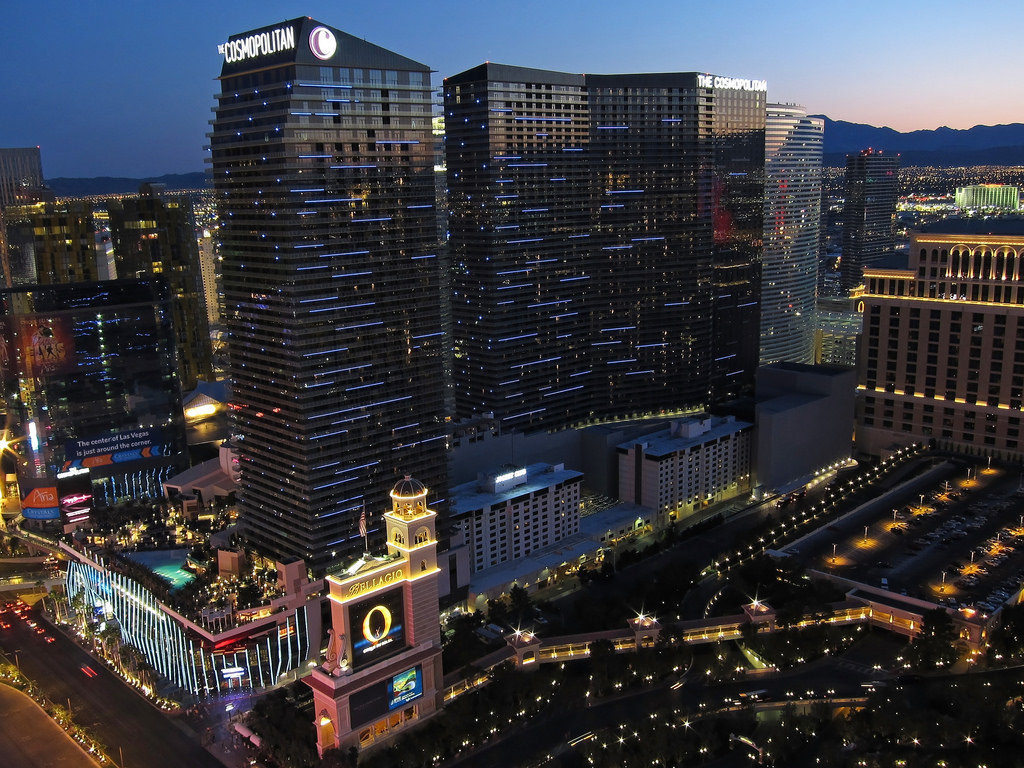
The Cosmopolitan of Las Vegas stands as an undisputed beacon of modern luxury and vibrant lifestyle on the illustrious Las Vegas Strip. Its sleek towers, innovative design, and a curated collection of dining, nightlife, and entertainment options have cemented its status as a must-visit destination for travelers seeking a truly unique Las Vegas experience. However, beneath the dazzling façade and bustling energy lies a complex ownership narrative, a story of ambition, financial shifts, and strategic real estate maneuvers that reflect the intricate nature of high-value hospitality assets in today’s global market. Far from being a simple, singular owner, The Cosmopolitan of Las Vegas is a testament to the evolving financial structures that define modern hotels and resorts.

Understanding who truly “owns” such a monumental landmark requires dissecting its journey through various stages of development and acquisition. From its ambitious genesis to its current multi-faceted arrangement, the ownership history of The Cosmopolitan is a fascinating case study in real estate finance and the dynamic world of tourism and accommodation. This article delves into the intricate web of entities that currently hold the reins, distinguishing between who owns the physical property and who manages its day-to-day operations, offering clarity on one of the most intriguing questions in Las Vegas hospitality.
A Legacy of Luxury: The Cosmopolitan’s Genesis and Early Years
The story of The Cosmopolitan of Las Vegas is one born of audacious vision and, initially, significant financial challenges. Its journey from a conceptual blueprint to a thriving reality is as dramatic as the city it calls home, showcasing the immense capital and ambition required to build a world-class resort on the Las Vegas Strip.
From Vision to Reality: The Birth of a Las Vegas Strip Icon
The initial concept for The Cosmopolitan was conceived by developer Ian Bruce Eichner and his company, 3700 Associates, in the early 2000s. Their vision was to create a different kind of Las Vegas resort, one that blended the sophistication of a boutique hotel with the grandeur of a major casino. The plan called for two high-rise towers featuring over 3,000 hotel rooms, condominiums, a sprawling casino floor, diverse restaurants, a vibrant nightlife scene, and expansive retail space. The location was prime, nestled between the Bellagio and CityCenter, promising unparalleled views and accessibility.
Construction began in 2005, a period of booming economic growth and ambitious projects across the Las Vegas Strip. However, the global financial crisis of 2008 hit hard, dramatically altering the landscape of real estate development and financing. 3700 Associates defaulted on a construction loan from Deutsche Bank, leading the German investment bank to take over the project in 2008. This unexpected turn of events meant that Deutsche Bank, rather than a hospitality group, became the owner and financier of a massive Las Vegas resort nearing completion.
Under Deutsche Bank’s stewardship, the resort continued towards its grand opening. The bank invested an additional $2 billion to complete construction and bring the vision to life, eventually opening the doors of The Cosmopolitan of Las Vegas on December 15, 2010. Despite the challenging economic climate, the resort quickly distinguished itself with its edgy, contemporary design, art-infused interiors, and a focus on unique guest experiences. Its terraced balconies, a rarity on the Strip, offered guests breathtaking views, further enhancing its appeal as a premier destination for luxury travel. Yet, despite its initial appeal and strong brand identity, profitability remained elusive in its early years under the bank’s ownership.
The Blackstone Era: Navigating Financial Turbulence and Forging a New Path
The period following its opening saw The Cosmopolitan struggle with its debt load and operational costs, despite its popularity. This created an opportunity for a major player in the private equity world to step in and transform its fortunes.
The Acquisition by Blackstone Real Estate Partners VII
By 2014, Deutsche Bank had invested over $4 billion into The Cosmopolitan but was keen to divest itself of a non-core asset. This led to a monumental transaction where Blackstone, a leading global investment firm, acquired the resort. Specifically, it was Blackstone Real Estate Partners VII, one of Blackstone’s private equity funds, that purchased The Cosmopolitan for approximately $1.73 billion. This acquisition marked a significant turning point for the resort.
Blackstone is renowned for its expertise in acquiring underperforming or distressed assets, injecting capital, implementing strategic operational changes, and ultimately increasing their value. Their acquisition of The Cosmopolitan was a prime example of this strategy. They recognized the inherent value in the property’s prime location, its distinctive brand, and its potential for growth, despite its previous financial struggles.
Strategic Enhancements and Market Re-positioning
Upon acquiring The Cosmopolitan, Blackstone embarked on a comprehensive strategy to enhance the guest experience and boost profitability. Over several years, they invested hundreds of millions of dollars into various upgrades and renovations. These included:
- Room Renovations: Modernizing and refreshing the resort’s thousands of hotel rooms and suites to maintain their cutting-edge appeal and ensure they remained competitive within the luxury accommodation market.
- Dining Upgrades: Introducing new, critically acclaimed restaurants and revamping existing ones, further solidifying The Cosmopolitan’s reputation as a culinary destination.
- Casino Floor Enhancements: Optimizing the casino layout and technology to improve the gaming experience.
- Nightlife and Entertainment: Continuing to host top-tier performers and DJs, ensuring the resort remained a hot spot for Las Vegas’ vibrant lifestyle.
- Technology Investments: Improving digital infrastructure to streamline operations and enhance guest convenience, from booking to in-room controls.
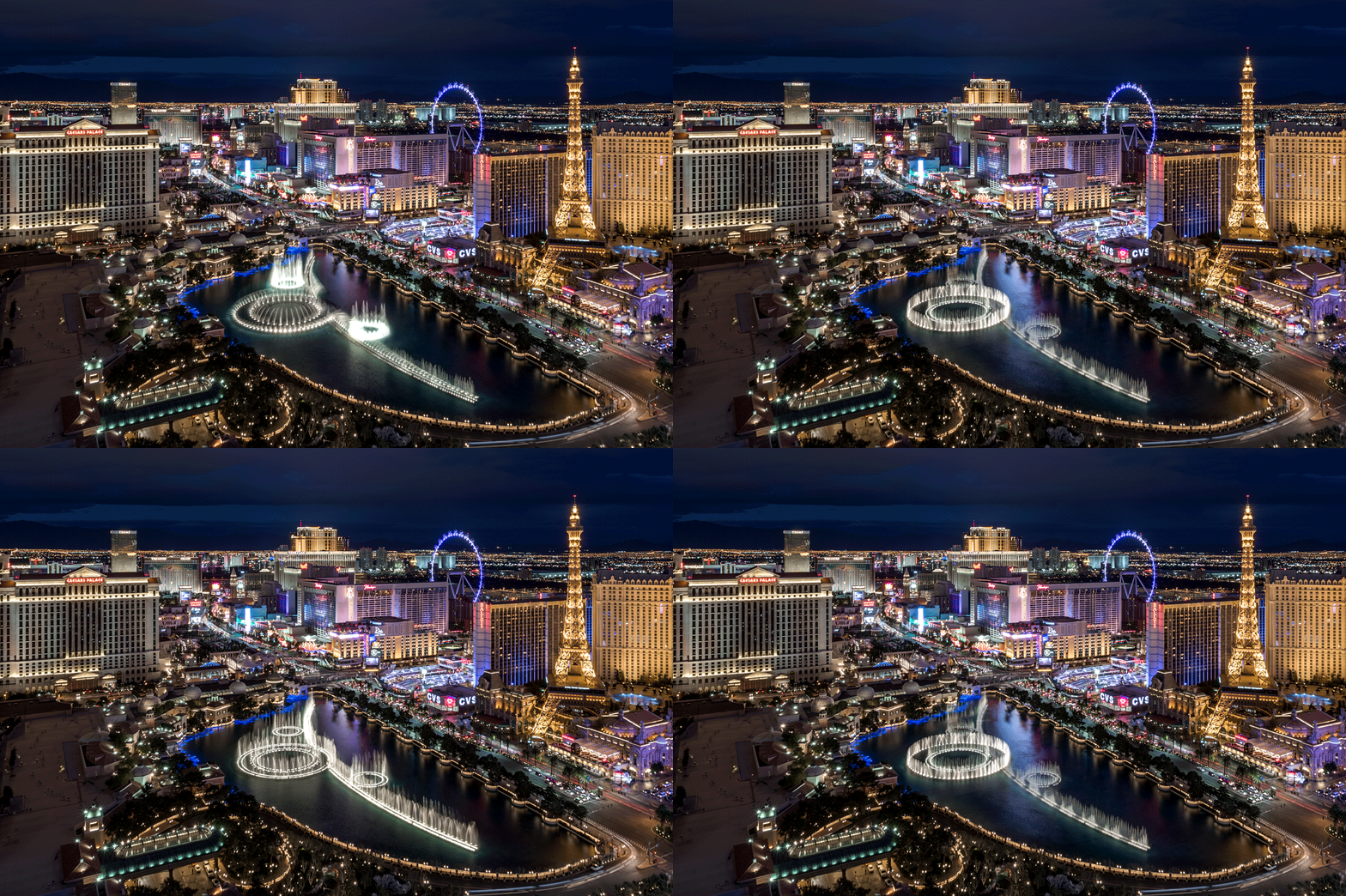
These strategic investments, coupled with Blackstone’s astute management and re-positioning of the brand to target a younger, affluent demographic, paid off handsomely. The Cosmopolitan not only became consistently profitable but also emerged as one of the most successful and sought-after resorts on the Las Vegas Strip, dramatically increasing its valuation and making it an attractive asset for future investors. This turnaround under Blackstone’s ownership is a prime example of how strategic capital investment and expert management can transform a property’s financial performance and market standing.
The Current Ownership Structure: A Multi-faceted Investment
After eight years of successful ownership and a dramatic increase in the resort’s value, Blackstone decided to monetize its investment. This led to a complex, multi-party transaction in 2022 that defined the current ownership landscape of The Cosmopolitan of Las Vegas.
The Sale to MGM Resorts International and its Partners
In September 2021, Blackstone announced the sale of The Cosmopolitan for approximately $5.65 billion, a remarkable return on their initial investment. This transaction, which closed in the first half of 2022, was structured as a “sale-leaseback” or “asset-light” model, a common strategy in the modern hospitality and real estate sectors. This means that the ownership of the physical property and the operational management of the resort were divided among different entities.
Here’s a breakdown of the current ownership:
- Operations: The operational rights to The Cosmopolitan of Las Vegas were acquired by MGM Resorts International for $1.6 billion. This means that MGM Resorts International is responsible for the day-to-day management of the resort, including the casino, hotel accommodation, restaurants, entertainment venues, and all guest services. This acquisition significantly expanded MGM Resorts’ footprint on the Las Vegas Strip, integrating The Cosmopolitan into its vast portfolio of iconic properties.
- Real Estate (Property): The physical real estate of The Cosmopolitan of Las Vegas was sold to a consortium of investment firms for approximately $4 billion. This consortium includes:
- Cherng Family Trust: The family office of Andrew and Peggy Cherng, co-founders of the hugely successful Panda Express restaurant chain. Their involvement represents a significant investment by a prominent family office into prime commercial real estate.
- Stonepeak Partners: A private equity firm specializing in infrastructure and real estate investments. Their participation underscores the appeal of stable, income-generating assets like The Cosmopolitan for institutional investors.
- Blackstone Real Estate Income Trust (BREIT): An unlisted real estate investment trust (REIT) sponsored by Blackstone. Interestingly, while Blackstone sold the property from its private equity fund, it retained a significant minority stake in the real estate through BREIT. This move allowed Blackstone to realize substantial profits while also maintaining a long-term investment in a high-performing asset.
The Operational Lease Agreement and its Implications
Under this arrangement, MGM Resorts International pays rent to the real estate consortium for the use of the property. This long-term lease agreement is a critical component of the deal, ensuring stable rental income for the property owners while providing MGM Resorts International with the operational control necessary to run the resort as part of its brand.
For guests, this structure generally translates into a seamless experience. MGM Resorts International has integrated The Cosmopolitan into its loyalty program, MGM Rewards, allowing visitors to earn and redeem points across its portfolio. Despite the change in operational management, MGM Resorts International has largely committed to preserving The Cosmopolitan’s distinctive brand and unique lifestyle offerings that have made it a favorite among travelers. The operational team strives to maintain the resort’s edgy, art-centric identity, ensuring that its core appeal remains intact while benefiting from MGM Resorts’ broader marketing reach and operational efficiencies.
This multi-layered ownership ensures that The Cosmopolitan of Las Vegas benefits from both the dedicated operational expertise of a leading hospitality group and the long-term capital stability provided by major real estate investors, positioning it for continued success as a premier Las Vegas destination.
Why Such Complex Ownership Structures?
The sophisticated ownership structure of The Cosmopolitan of Las Vegas is not an anomaly but rather a reflection of broader trends within the global hospitality and real estate industries. These complex arrangements are driven by strategic financial and operational considerations that benefit various stakeholders.
One of the primary drivers is the “asset-light” strategy increasingly adopted by major hotel operators like MGM Resorts International. Historically, hotel companies owned both the brand and the physical real estate. However, owning vast real estate portfolios ties up enormous amounts of capital, which could otherwise be used for other strategic investments, brand expansion, or shareholder returns. By selling the real estate and entering into long-term lease agreements, operators can focus on their core competencies: brand management, guest experience, and operational excellence. This model reduces capital expenditure, lowers financial risk, and improves flexibility, allowing companies to grow their brand presence more rapidly without the burden of massive property ownership. It also streamlines their balance sheets, making them more attractive to investors who value operational efficiency and consistent revenue streams.
Conversely, the demand for high-quality, income-generating real estate assets from institutional investors and private equity firms has never been stronger. Entities like Blackstone, Cherng Family Trust, and Stonepeak Partners are seeking stable, long-term returns for their portfolios. Prime properties like The Cosmopolitan of Las Vegas, located in a global tourism destination with a proven track record of generating significant revenue, represent attractive investment vehicles. They offer predictable rental income through long-term leases and the potential for capital appreciation, making them ideal for diversifying investment portfolios. These firms bring substantial capital and expertise in managing large real estate holdings, ensuring the property is well-maintained and its value protected over time.
Furthermore, these structures facilitate risk diversification. For an operating company, shedding real estate ownership reduces exposure to market fluctuations in property values. For real estate investors, owning a diverse portfolio of properties across different sectors and geographies mitigates risk associated with any single asset. The sale-leaseback model essentially allows each party to specialize in what they do best: operators run the business, and investors own the bricks and mortar. This specialization fosters efficiency and financial stability across the industry.
The trend of multi-party ownership and sale-leaseback agreements has become increasingly prevalent across the global hospitality sector, affecting everything from luxury resorts in Dubai to business hotels in New York City. It’s a sophisticated financial engineering approach that allows major hospitality assets to thrive by aligning the interests of expert operators with those of long-term capital providers, ensuring their continued contribution to travel and tourism economies worldwide.
In conclusion, the ownership of The Cosmopolitan of Las Vegas is a layered tapestry, reflecting the complex financial landscape of modern hospitality. While MGM Resorts International orchestrates the vibrant daily experiences and strategic vision, a powerful consortium of real estate investors holds the deed to its iconic towers. This intricate arrangement allows The Cosmopolitan to flourish, securing its place as a premier Las Vegas landmark and a coveted destination for those seeking unparalleled luxury travel and an unforgettable lifestyle on the world-famous Strip. Its journey from a ambitious project fraught with financial peril to a strategically owned and operated powerhouse illustrates the dynamic nature of the hospitality industry, ensuring its continued allure for millions of visitors year after year.
LifeOutOfTheBox is a participant in the Amazon Services LLC Associates Program, an affiliate advertising program designed to provide a means for sites to earn advertising fees by advertising and linking to Amazon.com. Amazon, the Amazon logo, AmazonSupply, and the AmazonSupply logo are trademarks of Amazon.com, Inc. or its affiliates. As an Amazon Associate we earn affiliate commissions from qualifying purchases.