
The question “How far is San Diego to Los Angeles?” is more than just about mileage; it’s an inquiry into the gateway between two of California’s most vibrant cities, each offering a unique tapestry of culture, attractions, and experiences. Whether you’re planning a sun-soaked coastal escape, a thrilling theme park adventure, a sophisticated business trip, or a journey through the heart of Southern California’s diverse landscapes, understanding the distance and travel options between these urban centers is paramount. This comprehensive guide delves into the practicalities of making this popular journey, exploring everything from direct routes and scenic alternatives to various modes of transportation, and offering insights into how to weave the travel itself into an unforgettable part of your California itinerary.
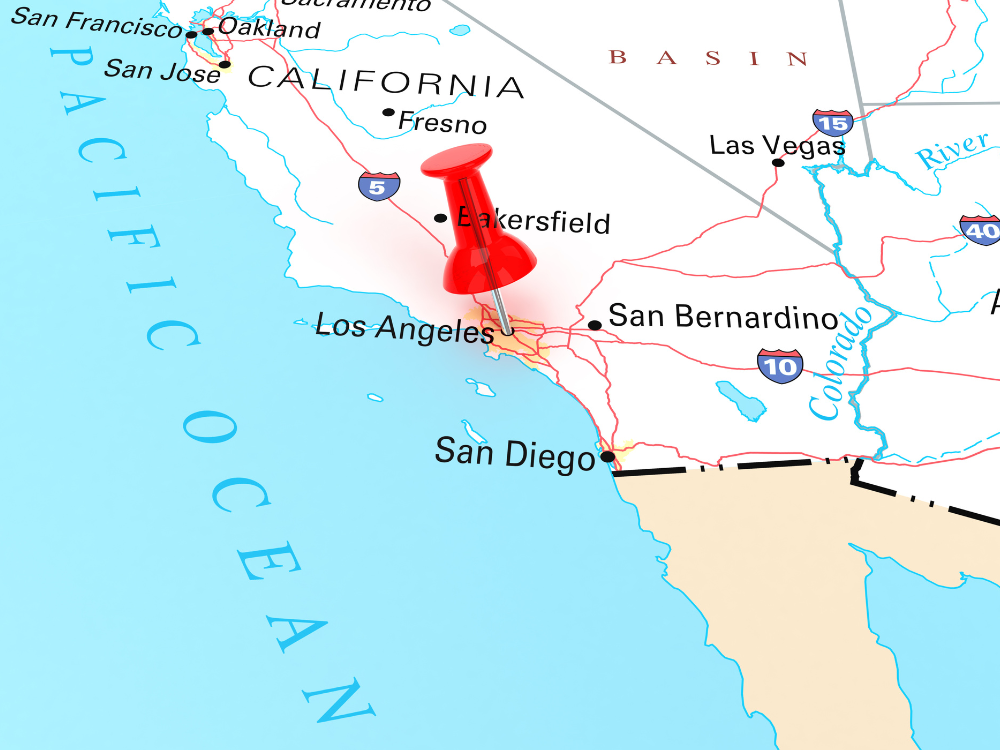
The Straightforward Answer: Distance and Travel Time
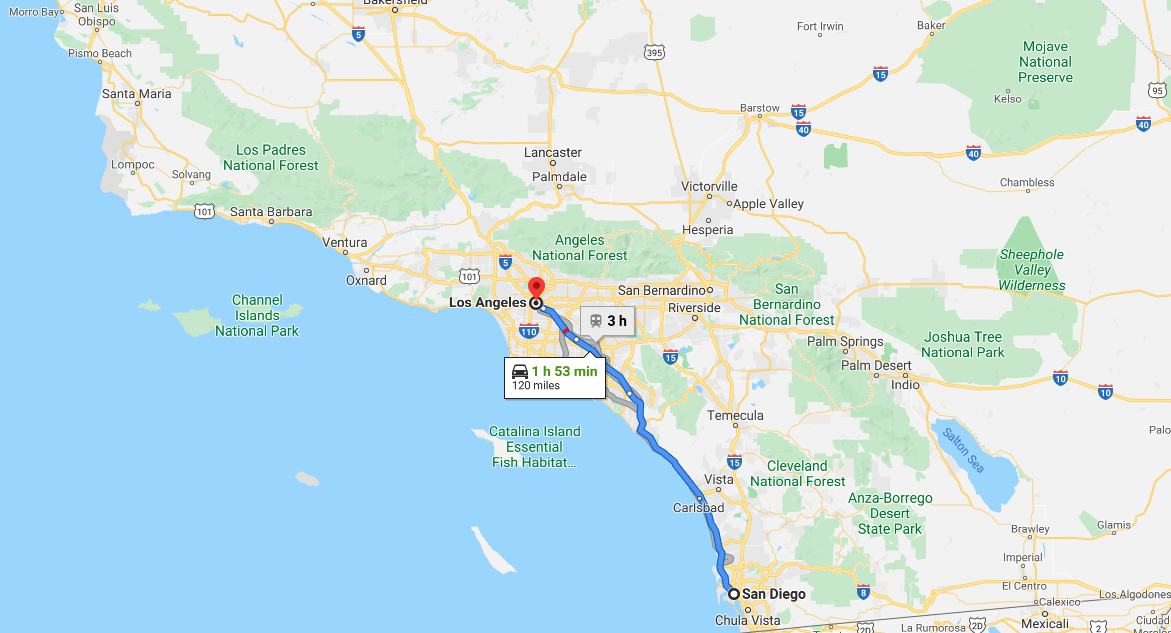
At its core, the distance between San Diego and Los Angeles is approximately 120 miles (193 kilometers) when traveling along the most direct routes. However, this number is merely a starting point. The actual time it takes to traverse this distance can fluctuate dramatically based on a myriad of factors, including the specific starting and ending points within each sprawling city, the time of day, day of the week, current traffic conditions, and your chosen mode of transportation. Typically, without significant traffic, a car journey might take between two to three hours. During peak travel times, such as rush hour on weekdays or busy holiday weekends, this duration can easily extend to four, five, or even more hours, transforming a quick trip into a substantial part of your day.
The Direct Route: Interstate 5
For most travelers, the primary artery connecting San Diego and Los Angeles is Interstate 5 (I-5). This freeway stretches along the stunning Pacific Ocean coastline for much of its length, offering glimpses of pristine beaches, bustling harbors, and charming seaside communities. Traveling north from San Diego, I-5 winds through coastal towns like Carlsbad, San Clemente, and Laguna Beach before entering the populous expanse of Orange County and eventually, the vast urban sprawl of Los Angeles.
While I-5 is the most efficient route, it is also notorious for its traffic congestion, especially when passing through areas like Orange County and approaching the heart of Los Angeles. It is highly advisable to consult real-time traffic applications like Google Maps or Waze before embarking on your journey, particularly if you plan to travel during standard commuting hours (typically 6-9 AM and 3-6 PM on weekdays). These tools can help you predict travel times more accurately and suggest alternative routes if major delays are detected.
Alternative Scenic Routes
While I-5 offers convenience, travelers with more time and a desire for diverse scenery might consider alternative routes.
- Interstate 15 (I-15): For those heading to destinations further inland in Los Angeles or looking to bypass some coastal congestion, I-15 offers an alternative. This route veers northeast from San Diego through inland valleys and mountains, eventually connecting with other major freeways that lead into Los Angeles. While it can sometimes be faster by avoiding coastal traffic, it lacks the ocean views and can still experience its own share of congestion, particularly around Temecula Valley and beyond.
- Pacific Coast Highway (Highway 101/PCH): For the ultimate scenic drive, parts of the iconic Pacific Coast Highway (Highway 101) can be incorporated into your journey. While taking the entire PCH from San Diego to Los Angeles would be significantly longer and slower than I-5, selecting portions, particularly through charming beach towns north of San Diego (e.g., Del Mar, Encinitas) before rejoining I-5, can add a delightful, leisurely dimension to your trip. This option is ideal for those who view the journey itself as part of the destination and want to stop at picturesque overlooks, local cafes, or explore quaint shops.
Navigating the Journey: Transportation Options
Beyond simply knowing the distance, choosing the right mode of transportation profoundly impacts your travel experience. Each option offers a unique balance of cost, convenience, speed, and comfort.
Driving: Flexibility and Scenic Stops
Driving remains the most popular choice for travelers between San Diego and Los Angeles due to the unparalleled flexibility it offers.
- Pros: Drivers have the freedom to depart at any time, make impromptu stops at attractions or viewpoints along the way, and carry as much luggage as their vehicle allows. This is particularly beneficial for family trips, those traveling with pets, or individuals with specific itineraries that require a car upon arrival in Los Angeles. You can easily explore diverse neighborhoods, visit multiple landmarks like the Getty Center, or drive to a restaurant without relying on public transport or ride-shares.
- Cons: The primary drawbacks are the potential for significant traffic delays, especially within the dense urban areas, and the costs associated with gasoline, tolls (if any specific toll roads are chosen), and parking, which can be expensive and scarce in many parts of Los Angeles.
- Rental Cars: For those without their own vehicle, numerous car rental agencies operate at both San Diego International Airport (SAN) and Los Angeles International Airport (LAX), as well as in downtown areas. Booking in advance, especially during peak season, is advisable to secure better rates and ensure availability.
Public Transportation: Train and Bus
For a more relaxed or budget-conscious journey, public transportation offers excellent alternatives to driving.
- Train (Amtrak Pacific Surfliner): The Amtrak Pacific Surfliner is a highly recommended option. This scenic train service hugs the coast, offering breathtaking views of the Pacific Ocean that are often inaccessible by car. The journey typically takes around three hours, making it comparable to driving without traffic, but with the added benefit of avoiding the stress of navigating freeways.
- Departure/Arrival Points: In San Diego, trains typically depart from the historic Santa Fe Depot in Downtown San Diego. In Los Angeles, services terminate at the majestic Union Station, a major transportation hub with connections to various Metro lines, buses, and ride-sharing services.
- Amenities: Trains offer comfortable seating, Wi-Fi, power outlets, a cafe car, and ample space for luggage. It’s an ideal choice for business travelers who wish to work en route, or for tourists seeking a leisurely, stress-free travel experience.
- Bus (Greyhound, FlixBus, etc.): Multiple bus services, including Greyhound and FlixBus, operate routes between San Diego and Los Angeles.
- Pros: Buses are generally the most economical option, often with multiple departures throughout the day.
- Cons: Travel times can be longer than both driving and the train, largely due to frequent stops and susceptibility to the same traffic conditions as cars. Comfort levels can also vary significantly between operators and specific buses. This option is best suited for budget travelers who prioritize cost savings over speed and amenities.
Flying: The Quickest Option (Usually)
While flying between two cities that are only 120 miles apart might seem counterintuitive, it is technically the fastest mode of travel in terms of actual flight time, which is typically around 45-60 minutes.
- Major Airports: Travelers would typically fly from San Diego International Airport (SAN) to Los Angeles International Airport (LAX). Other LA-area airports such as Hollywood Burbank Airport (BUR) or Long Beach Airport (LGB) might also be options, depending on specific airline routes and your final destination in Los Angeles.
- Total Travel Time: The “quickest” aspect of flying is often misleading when factoring in the entire travel process: getting to and from airports, security checks, boarding, deplaning, and baggage claim. When all these components are considered, door-to-door travel time often exceeds that of driving or taking the train, making it a less efficient choice for this particular route unless you have specific reasons (e.g., connecting international flights).
Ride-Sharing and Private Transfers
Services like Uber, Lyft, and private car services are readily available for direct travel between San Diego and Los Angeles.
- Pros: These options offer exceptional convenience, door-to-door service, and the comfort of a private vehicle without the hassle of driving yourself.
- Cons: The cost can be significantly higher than other modes of transport, especially for the full 120-mile journey. Pricing will vary based on demand, vehicle type, and current traffic conditions. This is often a preferred option for business travelers on expense accounts, or small groups who can split the cost, making it competitive with individual train tickets for shorter distances.
Making the Most of Your Trip: Beyond Just Getting There
The journey between San Diego and Los Angeles is not just about logistics; it’s an opportunity to experience Southern California’s diverse offerings. Integrating travel plans with sightseeing and accommodation choices can transform a simple commute into a rich travel experience.
Exploring San Diego: A Coastal Gem
Before you even consider departing, take time to immerse yourself in San Diego’s unique charm. Known for its idyllic climate, stunning beaches, and laid-back vibe, San Diego offers a plethora of attractions. Dive into the cultural heart of the city at Balboa Park, home to the world-renowned San Diego Zoo, numerous museums, and beautiful gardens. Explore the bustling nightlife and culinary scene in the historic Gaslamp Quarter, or step back in time aboard the USS Midway Museum. For ocean lovers, the pristine shores of La Jolla Cove offer opportunities for snorkeling, kayaking, and seal watching. Consider a stay at a luxury resort like the iconic Hotel del Coronado for an unforgettable experience.
Discovering Los Angeles: The City of Angels
Upon arrival in Los Angeles, a whole new world of exploration awaits. The city’s sheer size and diversity mean there’s something for every interest. Walk among the stars on the Hollywood Walk of Fame, gaze at the cosmos and the sprawling city below from the Griffith Observatory, or enjoy the iconic Ferris wheel at Santa Monica Pier. Art enthusiasts can spend hours at the Getty Center, while thrill-seekers will find their fix at Universal Studios Hollywood or the nearby Disneyland Resort in Anaheim. Los Angeles also boasts an unparalleled dining scene, from celebrity chef restaurants to diverse ethnic eateries, and endless shopping opportunities along Rodeo Drive.
Planning Your Stay: Accommodation and Itineraries
Choosing the right accommodation is crucial for enhancing your travel experience. Both San Diego and Los Angeles offer a vast array of options, from luxurious five-star resorts and boutique hotels to budget-friendly hostels and convenient vacation rentals.
- Hotels & Resorts: In San Diego, look for hotels in the Gaslamp Quarter for nightlife, La Jolla for coastal elegance, or Coronado for historic charm. In Los Angeles, consider Beverly Hills for luxury (e.g., Beverly Wilshire, A Four Seasons Hotel), Santa Monica for beach access, Hollywood for entertainment, or Downtown LA for business and cultural attractions. Researching amenities like pools, fitness centers, and dining options can help refine your choice.
- Accommodation Booking & Reviews: Websites specializing in hotel and accommodation reviews are invaluable for comparing prices, reading genuine traveler feedback, and finding the best deals. Whether you seek a sprawling suite with ocean views or a cozy apartment for a longer stay, advance booking is always recommended, especially during peak travel seasons.
Lifestyle and Logistics: Tailoring Your Journey
The “best” way to travel between San Diego and Los Angeles largely depends on your travel style, purpose, and budget.
Family Fun vs. Romantic Getaway
- Family Trips: If traveling with children, the convenience of a car often outweighs the drawbacks. It allows for flexibility with potty breaks, snack stops, and lugging car seats or strollers. Destinations like LEGOLAND California in Carlsbad, the San Diego Zoo, and Disneyland Resort are easily accessible by car. Consider family-friendly resorts or apartments with amenities like multiple bedrooms, kitchens, and dedicated kids’ pools.
- Romantic Getaways: For couples, the Amtrak Pacific Surfliner offers a romantic, stress-free journey with stunning coastal views. Once in Los Angeles or San Diego, luxury hotels, fine dining experiences, and cultural outings become the focus. A private car service could add an extra touch of elegance for seamless transfers.
Budget-Friendly Travel Tips
- Off-Peak Travel: Traveling during off-peak hours or seasons can significantly reduce costs for flights, bus tickets, and even hotel rates.
- Public Transport: Opt for buses for the lowest fares. Within cities, utilize local public transportation systems (San Diego’s MTS, LA Metro) to save on ride-sharing and parking.
- Accommodation: Look for hostels, budget hotels, or shared vacation rentals. Cooking some meals in a rental with a kitchen can also cut down on dining expenses.
- Free Attractions: Both cities offer numerous free attractions, such as beaches, parks, and walking tours, allowing you to experience their essence without breaking the bank.

Business Travel Considerations
For business travelers, efficiency and reliability are paramount.
- Time-Sensitive: If your schedule is tight, and you’re traveling light, flying might seem appealing, but remember the total door-to-door time. The Amtrak Pacific Surfliner can be an excellent choice, offering a comfortable environment to work or relax without traffic worries.
- Meetings & Events: If you have multiple meetings across Los Angeles’s sprawling geography, renting a car might be essential. However, if your business is concentrated in Downtown LA near Union Station, the train followed by a short ride-share or metro connection could be optimal. Many hotels in both cities cater to business travelers, offering amenities like business centers, meeting rooms, and high-speed internet.
In conclusion, the journey from San Diego to Los Angeles is a microcosm of the diverse travel experiences California offers. While the distance is manageable, the choices you make regarding your route, mode of transport, and how you integrate the travel into your overall itinerary can profoundly shape your adventure. By considering your priorities—be it speed, scenery, budget, or luxury—you can transform a simple question of “how far” into an opportunity for an unforgettable Southern California journey.
LifeOutOfTheBox is a participant in the Amazon Services LLC Associates Program, an affiliate advertising program designed to provide a means for sites to earn advertising fees by advertising and linking to Amazon.com. Amazon, the Amazon logo, AmazonSupply, and the AmazonSupply logo are trademarks of Amazon.com, Inc. or its affiliates. As an Amazon Associate we earn affiliate commissions from qualifying purchases.