
The question of population demographics is a complex one, particularly when it comes to understanding the composition of large, dynamic urban centers like Los Angeles. While official census data provides a baseline for the documented population, determining the precise number of undocumented immigrants within any given city is an inherently challenging endeavor. This challenge stems from the very nature of undocumented status, which, by definition, means individuals are not officially registered. Nevertheless, various research institutions and governmental bodies employ methodologies to provide estimates, offering valuable insights into the scale of this population and its presence in communities such as Los Angeles.

Understanding the undocumented immigrant population is crucial for a variety of reasons, ranging from urban planning and resource allocation to social services and policy development. When considering the context of travel, accommodation, and tourism, this demographic might not be the primary focus of a visitor’s itinerary. However, their presence significantly shapes the cultural fabric, economic landscape, and daily life of a city, subtly influencing the overall experience for anyone exploring a destination. For travelers interested in the authentic pulse of a place, beyond the well-trodden tourist paths, a deeper appreciation of the diverse communities that call a city home can enhance their journey.
Estimating Undocumented Populations: Methodologies and Challenges
The absence of direct, official counts necessitates reliance on indirect estimation methods. These approaches, while rigorous, are subject to certain limitations that contribute to the inherent uncertainty in any reported figure.
Data Sources and Analytical Frameworks
Researchers typically draw upon a range of data sources to construct their estimates. These often include:
- Census Data: While census forms do not ask about immigration status directly, data on foreign-born populations, country of origin, and duration of residence can be used as a foundation. Comparisons between census data and other administrative records can highlight potential discrepancies.
- Surveys and Sample Data: Specialized surveys, often conducted by academic institutions or research organizations, aim to capture information on populations that might be less visible in official statistics. These surveys employ statistical sampling techniques to extrapolate findings to the broader population.
- Administrative Records: Data from government agencies, such as those related to school enrollment, healthcare utilization, or social service applications, can provide indirect indicators of the presence of undocumented individuals and families.
- Demographic Modeling: Sophisticated statistical models are employed to project population trends and estimate the size of specific demographic groups, taking into account factors like birth rates, death rates, and migration patterns.
These diverse data streams are then analyzed within specific analytical frameworks, such as the “residual method” or variations thereof. The residual method, for instance, often estimates the undocumented population by subtracting the estimated legal immigrant population from the total foreign-born population.
Inherent Limitations and Sources of Variance
Despite the sophistication of these methods, several inherent limitations contribute to variances in estimates:
- Data Accuracy and Completeness: The accuracy of the underlying data sources is paramount. Incomplete or inaccurate reporting in any of the foundational datasets can propagate errors throughout the estimation process.
- Assumptions in Modeling: Demographic models rely on a series of assumptions about population dynamics, migration flows, and the characteristics of the undocumented population. Changes in these assumptions can lead to different results.
- Defining “Undocumented”: The definition of “undocumented immigrant” itself can be nuanced. It typically refers to individuals residing in a country without legal authorization. However, the status of individuals in transit or with pending applications can sometimes create grey areas in data collection.
- Geographic Specificity: While national-level estimates are more common, creating precise estimates for specific urban areas like Los Angeles can be more challenging due to the fluidity of internal migration within a country.
Estimates for Undocumented Immigrants in Los Angeles
Numerous studies and organizations have attempted to quantify the undocumented immigrant population in the United States and its major metropolitan areas, including Los Angeles. While exact figures vary, consistent trends and approximate ranges emerge from this research.
Leading Research and Data Interpretation
Prominent organizations such as the Pew Research Center, the Center for Migration Studies, and academic research centers affiliated with universities like the University of Southern California often publish reports on this topic. These reports synthesize data from various sources and present their findings with careful consideration of the aforementioned methodological challenges.
For instance, studies have frequently indicated that a significant portion of the nation’s undocumented population resides in major metropolitan areas, and Los Angeles consistently ranks among the top cities with the largest undocumented communities. These estimates are often presented as ranges rather than exact numbers, reflecting the inherent uncertainty.
Approximate Scale and Demographic Profile
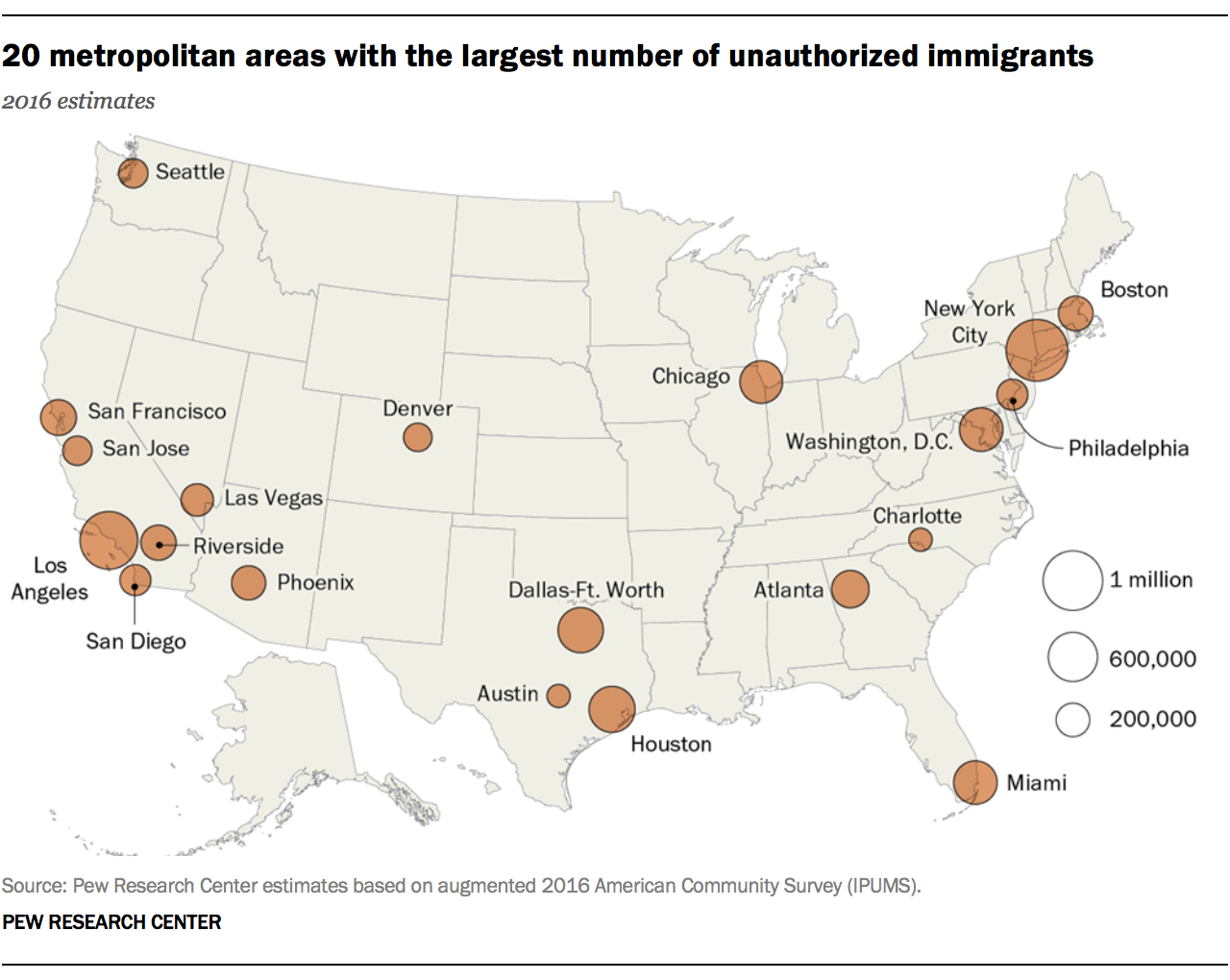
While specific numbers can fluctuate with each new study, available estimates generally place the undocumented immigrant population in the Los Angeles metropolitan area in the hundreds of thousands, and potentially exceeding one million individuals when considering the broader Southern California region. This significant presence means that undocumented immigrants are an integral, albeit often unseen, part of the city’s diverse tapestry.
These individuals often come from countries like Mexico and Central American nations, driven by a variety of factors including economic opportunity, family reunification, and seeking refuge from challenging conditions in their home countries. Their contributions to the local economy, particularly in sectors like agriculture, construction, and hospitality, are substantial, though often overlooked in broader discussions.
Impact on Urban Life and Traveler Experience
The presence of a substantial undocumented immigrant population, while not a direct element of typical tourist itineraries, profoundly influences the character and functionality of a city like Los Angeles. Understanding this influence can enrich a traveler’s appreciation of the urban environment.
Cultural Richness and Neighborhood Dynamics
Undocumented immigrants contribute significantly to the cultural mosaic of Los Angeles. Their presence fuels vibrant ethnic enclaves, enriching neighborhoods with diverse culinary traditions, languages, music, and artistic expressions. Exploring areas like East Los Angeles or certain parts of the San Fernando Valley offers a glimpse into these dynamic communities.
This cultural infusion is a key element of the authentic travel experience. It manifests in the food found in local markets, the music heard on neighborhood streets, and the everyday interactions that give a city its unique flavor. For a traveler seeking to move beyond the superficial, engaging with these aspects of local life can be deeply rewarding.
Economic Contributions and Community Infrastructure
Beyond cultural impacts, undocumented immigrants are vital contributors to the local economy. They fill essential roles in various industries and contribute to consumer spending, supporting businesses throughout the metropolitan area. While often working in jobs that are physically demanding or low-paying, their labor is crucial for the functioning of many sectors that underpin the city’s economy.
Furthermore, their presence necessitates and influences the development of community infrastructure, including schools, healthcare facilities, and social services. While these resources are often strained by population growth, they are essential for serving all residents of Los Angeles, regardless of their immigration status. For a visitor, the resilience and interconnectedness of these community networks are often an unspoken but integral part of the urban fabric.
Navigating Los Angeles: Beyond the Tourist Trail
For travelers eager to delve deeper into the multifaceted reality of Los Angeles, acknowledging the presence and contributions of all its residents, including undocumented immigrants, offers a more nuanced and rewarding perspective.
Experiencing Local Culture Authentically
To truly experience the local culture, consider venturing beyond the well-known attractions like the Hollywood Walk of Fame or Disneyland Park. Seek out neighborhood restaurants in areas with diverse immigrant populations, visit local markets, or attend community festivals. These experiences offer a direct connection to the everyday life of the city and its people.
Engaging with local guides who have a deep understanding of the city’s diverse neighborhoods can also provide invaluable insights. They can lead travelers to hidden gems and introduce them to communities that are often overlooked. This approach transforms a tourist visit into a more immersive cultural exploration.

Understanding the Urban Ecosystem
A deeper understanding of Los Angeles involves appreciating the complex interplay of its various populations. The city’s dynamic economic and social landscape is shaped by the contributions of individuals from all walks of life. By recognizing this, travelers can develop a more informed and empathetic perspective on urban life.
Whether it’s enjoying the diverse array of cuisines available in the city, from authentic Mexican street tacos to Vietnamese pho, or observing the intricate networks of daily life, a conscious awareness of the broader community enhances the travel experience. It allows for a more profound connection with the spirit of Los Angeles and its enduring appeal as a global city.
LifeOutOfTheBox is a participant in the Amazon Services LLC Associates Program, an affiliate advertising program designed to provide a means for sites to earn advertising fees by advertising and linking to Amazon.com. Amazon, the Amazon logo, AmazonSupply, and the AmazonSupply logo are trademarks of Amazon.com, Inc. or its affiliates. As an Amazon Associate we earn affiliate commissions from qualifying purchases.