
Los Angeles, California, is more than just a city; it’s an iconic global hub, a sprawling metropolis synonymous with dreams, glamour, and innovation. Often referred to simply as LA, it conjures images of Hollywood stars, sun-drenched beaches, and a vibrant cultural tapestry. But beneath the glittering facade lies a fundamental question that shapes its character, infrastructure, and experience for both residents and visitors alike: how many people truly call this vast urban expanse home?
The answer isn’t as straightforward as one might think, primarily because “Los Angeles” can refer to several distinct geographical and administrative entities. Understanding these distinctions is crucial to grasping the immense scale of its population and the implications for travel, tourism, and daily life within this captivating corner of the United States. From the bustling streets of Downtown LA to the serene shores of Malibu and the star-studded hills of Beverly Hills, the sheer volume of people inhabiting this region is a defining characteristic, influencing everything from the availability of hotel suites to the diverse culinary scene.
The Scope of Los Angeles: City vs. County
To accurately answer “how many people live in Los Angeles,” we must first differentiate between the City of Los Angeles and Los Angeles County. This distinction is vital for anyone planning a visit, seeking accommodation, or even just trying to understand the local demographics.
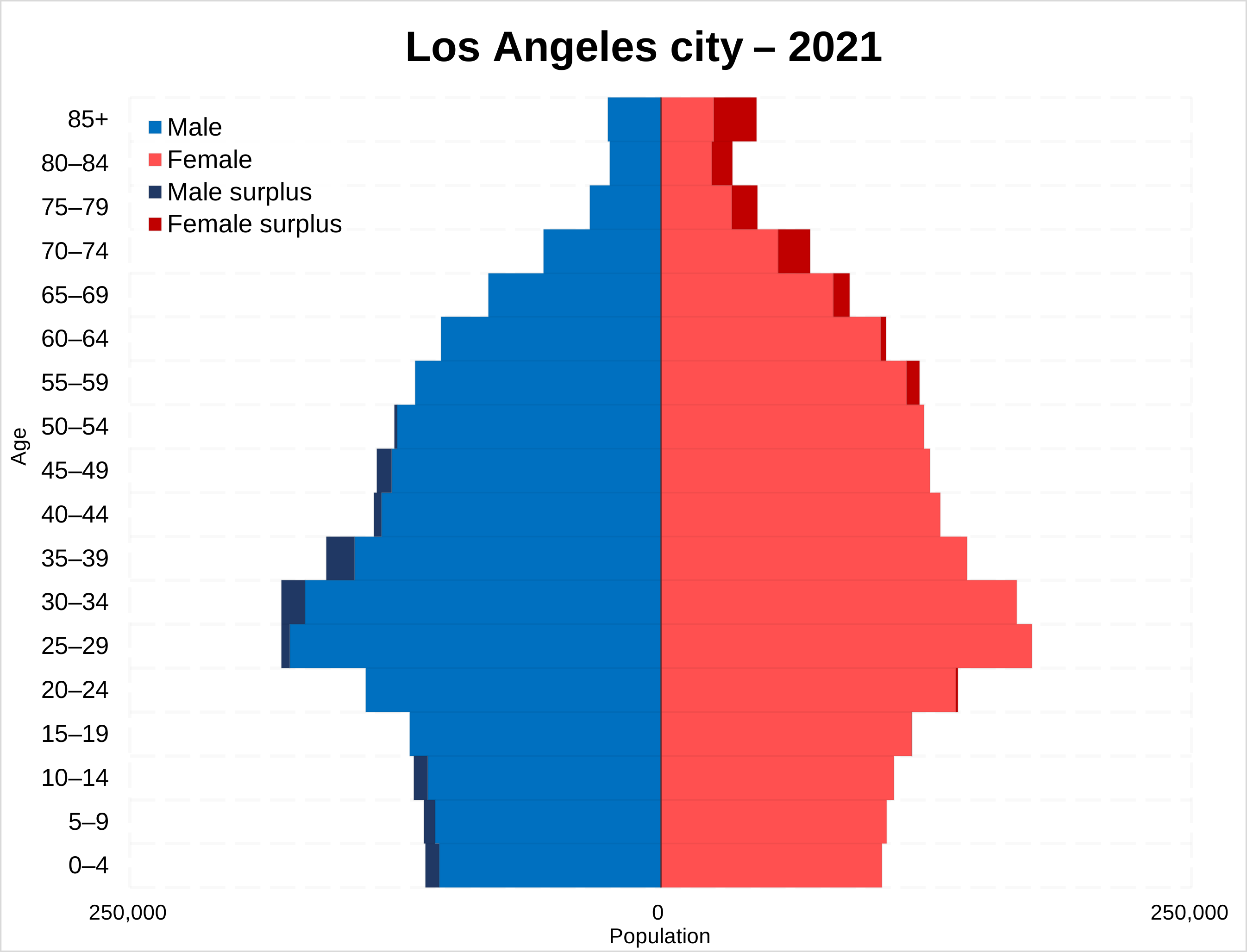
The City of Los Angeles is the municipal corporation itself, governed by a mayor and city council. It is the most populous city in California and the second-most populous city in the United States after New York City. As of recent estimates (typically based on the U.S. Census Bureau data), the population of the City of Los Angeles hovers around 3.8 to 4 million residents. This makes it an incredibly dense and vibrant urban center, with distinct neighborhoods like Hollywood, Koreatown, Venice, and Silver Lake, each contributing to its unique character. For travelers seeking a city experience, understanding the scale of the city proper is key to navigating its attractions and planning travel itineraries.
However, when most people refer to “Los Angeles,” they often implicitly mean Los Angeles County. This vast administrative area encompasses the City of Los Angeles along with 87 other incorporated cities and numerous unincorporated communities. From the desert landscapes of the Antelope Valley to the coastal towns of Santa Monica and Long Beach, Los Angeles County is an enormous region, larger than several U.S. states. Its population is considerably higher, typically ranging from 9.8 to 10.1 million people. This makes Los Angeles County the most populous county in the United States.
- Understanding the Scale for Travelers: For those planning a trip, recognizing this distinction is paramount. A guide to Los Angeles attractions will likely span both the city and the county, encompassing landmarks like Universal Studios Hollywood (within the city) and theme parks like Disneyland (located in neighboring Orange County, though often considered part of the broader Southern California tourist experience). The sheer number of people living across this expansive area means a higher demand for diverse accommodations, from luxury resorts in Santa Monica to boutique hotels in West Hollywood and budget-friendly apartments in more residential zones. It also implies a robust public transport system, albeit one that grapples with the challenges of connecting millions across vast distances.
A Melting Pot: Demographics, Diversity, and Cultural Riches
The immense population of Los Angeles is not monolithic; rather, it’s a vibrant tapestry woven from countless cultures, ethnicities, and backgrounds. This demographic diversity is perhaps one of the city’s most defining and celebrated characteristics, significantly enriching its tourism appeal, local culture, and overall lifestyle.
The city boasts a rich mix of Latino, Asian, African American, and Caucasian communities, alongside people from virtually every corner of the globe. This incredible blend is a direct result of historical immigration patterns and Los Angeles’s role as a gateway to the United States from Asia and Latin America.
Cultural Tapestry and Culinary Delights
The presence of so many different cultures profoundly influences Los Angeles’s local culture, making it a dream destination for experiential travelers. This is most evident in its unparalleled culinary scene. You can find authentic regional cuisines from around the world without ever leaving the city limits.
- Koreatown offers an astounding array of Korean BBQ joints, karaoke bars, and 24-hour spas.
- Chinatown and Little Tokyo provide immersive experiences into Chinese and Japanese cultures, respectively, with traditional eateries, vibrant festivals, and unique shops.
- The diverse Latino communities, particularly those with roots in Mexico and Central America, have created a thriving landscape of taquerias, pupuserias, and vibrant markets, especially noticeable in areas like East Los Angeles.
- Even specialized European enclaves contribute to the variety, ensuring that whether you’re craving Ethiopian injera, Persian kebabs, or French patisseries, Los Angeles has an authentic option.
This cultural melting pot extends beyond food to music, art, fashion, and festivals, providing endless activities for tourists and enriching the daily lives of residents. From world-class museums like the Getty Center and the Los Angeles County Museum of Art (LACMA) to independent galleries and street art, the city’s artistic expression is as diverse as its population.
Population Dynamics and Urban Sprawl
The sheer number of people residing in Los Angeles has significant implications for its urban dynamics, leading to both challenges and unique characteristics that shape the experience of living and visiting here. Urban sprawl, housing availability, and traffic are all directly influenced by the continuously growing population.
Housing and Accommodation Challenges

With millions of residents and a constant influx of newcomers, the demand for housing in Los Angeles is incredibly high. This contributes to a competitive and often expensive housing market, making long-term accommodation a significant consideration for those planning to relocate. For tourists, this translates into a wide array of accommodation options, but also the importance of booking in advance, especially during peak seasons.
- Hotels: From luxurious resorts like The Beverly Hills Hotel and Waldorf Astoria Beverly Hills to boutique hotels in West Hollywood and family-friendly options near attractions, the hotel landscape is vast. Comparison websites become invaluable tools for finding the best rates and amenities.
- Vacation Rentals: Apartments and villas are popular choices for longer stays or for groups, offering a taste of local living.
- Budget Travel: Despite its reputation for luxury, Los Angeles also caters to budget travelers with hostels, motels, and more affordable lodging options scattered across its numerous neighborhoods.
The continuous development of new residential and commercial spaces reflects the need to accommodate a growing population, constantly reshaping the city’s skyline and infrastructure.
The Commute and Getting Around
One of the most immediate impacts of Los Angeles’s massive population is its notorious traffic. With millions of commuters heading to and from work, schools, and leisure activities daily, traffic congestion is a significant challenge. However, the city has invested heavily in expanding its public transportation network, including metro rail and bus lines, offering alternatives to driving.
- Travel Tips: For visitors, understanding the geography and planning routes efficiently is crucial. Staying near key attractions or utilizing rideshare services and public transport for specific areas can enhance the experience. For instance, exploring the Hollywood Walk of Fame, Griffith Observatory, and Universal Studios Hollywood can be done efficiently with careful planning, potentially combining public transit with short rides. For business stays, selecting accommodation close to conference centers or corporate offices can save valuable travel time.
The Magnet Effect: Why People Choose Los Angeles
Despite its challenges, Los Angeles continues to attract millions, proving its powerful “magnet effect.” People flock to this city for a myriad of reasons, solidifying its status as a global destination for both residents and tourists.
Economic Opportunities and Innovation Hubs
Los Angeles is a powerhouse of economic opportunity, famous worldwide as the capital of the entertainment industry. From film studios like Warner Bros. Studio Tour Hollywood to record labels, television networks, and digital media companies, Hollywood’s influence spans the globe. This industry alone creates countless jobs, drawing creative talent and support staff from everywhere.
Beyond entertainment, LA has emerged as a significant hub for technology, aerospace, fashion, and international trade. The port of Los Angeles is one of the busiest in the Western Hemisphere, facilitating global commerce. These diverse industries provide a robust job market, making the city an attractive destination for professionals and entrepreneurs. This economic vitality also fuels luxury travel, with high-end hotels and exclusive experiences catering to business travelers and affluent tourists.
Lifestyle and Leisure
Perhaps the most compelling draw for many is the quintessential Southern California lifestyle. With year-round sunshine, stunning natural landscapes, and an emphasis on outdoor activities, LA offers an enviable quality of life.
- Beaches: Iconic stretches of sand like Venice Beach and Santa Monica Beach provide opportunities for surfing, sunbathing, and vibrant boardwalk scenes.
- Mountains and Parks: The nearby Santa Monica Mountains and Griffith Park offer extensive hiking trails, breathtaking views, and a chance to escape the urban hustle. The Griffith Observatory itself is a major landmark, offering unparalleled views of the city skyline, the Hollywood Sign, and celestial wonders.
- Arts and Culture: Beyond the major museums, Los Angeles boasts a thriving performing arts scene, live music venues, and countless galleries. Landmarks like the Walt Disney Concert Hall and the Music Center are cultural beacons.
- Shopping and Dining: From the high-fashion boutiques of Rodeo Drive in Beverly Hills to eclectic vintage shops in Silver Lake, the shopping experience is as diverse as the population. The city’s restaurant scene, as mentioned earlier, is a world unto itself.
This blend of career opportunities and a desirable lifestyle makes Los Angeles a powerful magnet, continuously drawing people to its shores, whether for a temporary visit or a permanent move. The promise of sunshine, innovation, and endless possibilities keeps its population robust and its energy vibrant.

Implications for Visitors: Navigating a Megacity
For the curious traveler, the sheer number of people living in Los Angeles transforms the city into a dynamic and occasionally challenging destination. However, with careful planning and an adventurous spirit, navigating this megacity can be an incredibly rewarding experience, offering an endless array of travel experiences.
Understanding the population density helps manage expectations about crowds at popular attractions like the Hollywood Walk of Fame, the Santa Monica Pier, or Universal Studios Hollywood. It also underscores the importance of booking accommodations, tours, and even popular restaurant reservations well in advance, especially during peak travel seasons or major events. Whether you’re seeking a serene stay in a luxury villa or a bustling experience in a city-center hotel, the high demand means preparedness is key.
The diverse population means that local culture is rich and varied. Tourists can immerse themselves in specific cultural enclaves, sampling authentic cuisines, exploring unique markets, and participating in festivals that celebrate the city’s global heritage. This offers a more profound and authentic travel experience beyond the typical tourist traps. Tips for navigating the city efficiently, from understanding the freeway system to utilizing the growing public transit, become invaluable for maximizing time and minimizing stress.
Ultimately, the millions who call Los Angeles home are not just numbers; they are the lifeblood of this city. They shape its vibrant neighborhoods, fuel its innovative industries, and contribute to the rich tapestry that makes LA an unparalleled destination for travel, tourism, and a truly unique lifestyle.
In conclusion, while the precise number of people living in Los Angeles varies depending on whether one refers to the city or the broader county, the fact remains that it is one of the most populous and diverse metropolitan areas in the world. With roughly 3.9 million residents in the City of Los Angeles and over 10 million across Los Angeles County, its sheer scale and multicultural fabric define its identity. This immense human presence drives the demand for a vast array of hotels and accommodations, fuels a dynamic tourism sector with endless attractions and activities, and creates a lifestyle that is uniquely Angeleno. For visitors, embracing this colossal and complex city means preparing for an experience as vast and varied as its population itself, promising unforgettable memories whether you’re here for luxury travel, a family trip, or a business stay.
LifeOutOfTheBox is a participant in the Amazon Services LLC Associates Program, an affiliate advertising program designed to provide a means for sites to earn advertising fees by advertising and linking to Amazon.com. Amazon, the Amazon logo, AmazonSupply, and the AmazonSupply logo are trademarks of Amazon.com, Inc. or its affiliates. As an Amazon Associate we earn affiliate commissions from qualifying purchases.