
Los Angeles, a sprawling metropolis often synonymous with glamour, innovation, and an unparalleled lifestyle, is a global magnet for tourists, dreamers, and businesses alike. From the sun-kissed beaches of Santa Monica to the iconic Hollywood Hills, this California powerhouse offers an incredible array of experiences. But beneath the surface of its dazzling attractions and luxurious accommodations lies a fundamental economic reality that shapes the lives of millions: the minimum wage. For both residents pursuing their dreams and travelers planning their next unforgettable journey, understanding the Los Angeles minimum wage is crucial. It’s not just a number; it’s a critical factor influencing everything from the cost of your morning coffee to the price of a hotel room, and the very fabric of the city’s vibrant tourism and hospitality industries.
This comprehensive guide will delve into the specifics of the Los Angeles minimum wage, exploring its current rates, historical context, and profound implications for workers, businesses, and the overall cost of living and travel in the city. Whether you’re considering a move to the City of Angels, looking for a temporary job in its bustling service sector, or simply curious about how economic policies shape your travel experiences, this exploration will provide invaluable insights into one of the most dynamic urban economies in the world. We’ll examine how this baseline wage impacts everything from the diverse array of hotels and resorts that dot the landscape to the vibrant culinary scene and the countless attractions that make Los Angeles a top-tier global destination.
The Current Los Angeles Minimum Wage: A Snapshot
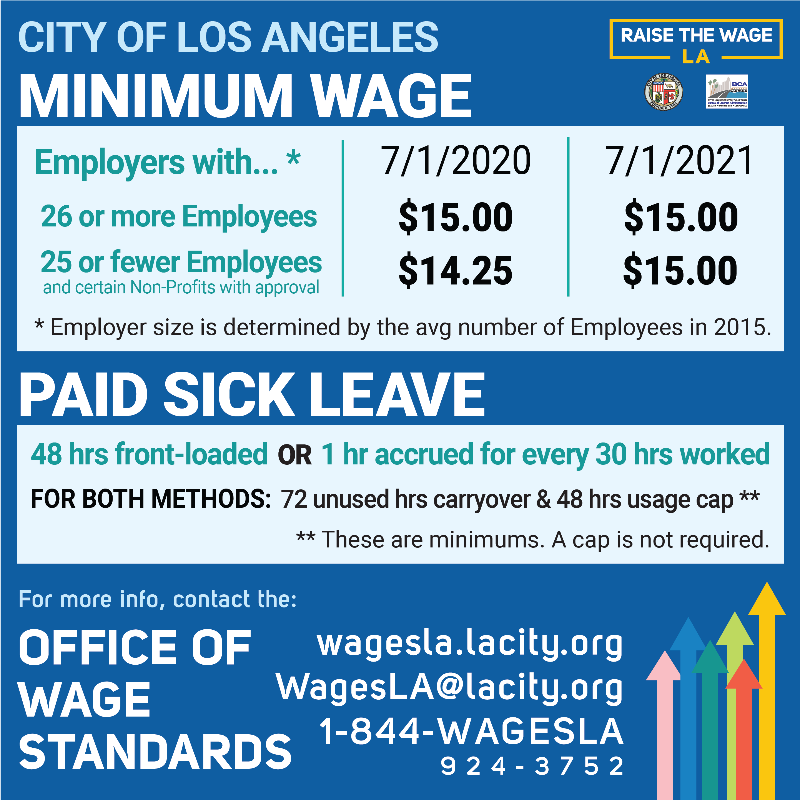
Navigating the minimum wage landscape in California can be somewhat complex due to the interplay of state, county, and city ordinances. For the City of Los Angeles specifically, the minimum wage is often higher than the statewide rate, reflecting the city’s unique economic conditions and high cost of living. As of July 1, 2023, the minimum wage for workers within the jurisdictional boundaries of the City of Los Angeles increased to $16.90 per hour. This rate applies to most employees working within the city limits, regardless of the size of their employer.
This figure represents a significant increase over the past decade, a deliberate effort by city policymakers to provide a more livable wage for its residents. It’s important to note that this specific rate applies only to the City of Los Angeles. Other municipalities within Los Angeles County – such as Santa Monica, Pasadena, or Long Beach – may have their own distinct minimum wage ordinances, which can sometimes be even higher than the City of Los Angeles rate. Furthermore, the State of California has its own statewide minimum wage, which typically serves as a floor, with cities and counties able to set higher rates. As of January 1, 2024, the statewide minimum wage in California is $16.00 per hour for all employers, irrespective of their size. This means the City of Los Angeles rate provides an additional benefit to its workers.
City vs. County Minimum Wage
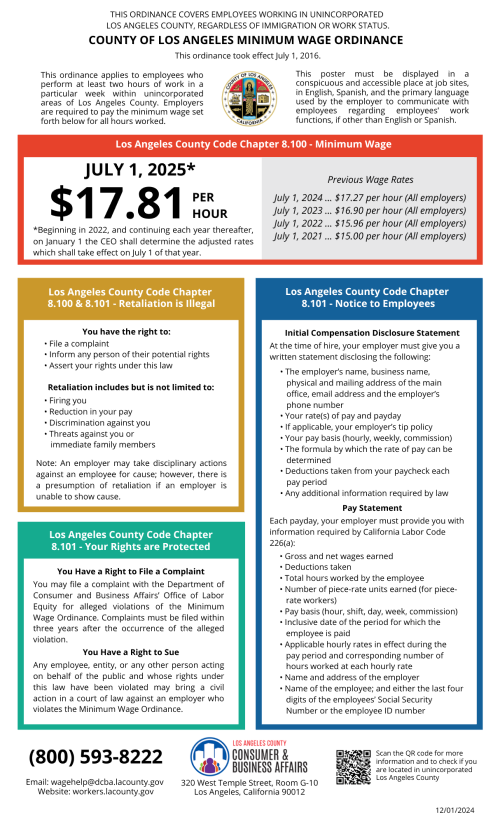
Understanding the distinction between city and county minimum wage is vital for both employers and employees in the Los Angeles metropolitan area. While the City of Los Angeles has its specific rate of $16.90 per hour (as of July 1, 2023), Los Angeles County also has a minimum wage for workers in unincorporated areas of the county. This rate also increased to $16.90 per hour on July 1, 2023, aligning with the city’s rate. This alignment helps create a degree of consistency across a significant portion of the region.
However, the picture remains nuanced. Municipalities like West Hollywood have established even higher minimum wages. For example, West Hollywood’s minimum wage for hotel workers specifically has climbed to over $19 per hour, with annual increases tied to the Consumer Price Index. This localized approach means that a worker at a boutique hotel in Beverly Hills might earn a different hourly rate than a counterpart at a major resort near Universal Studios Hollywood (which is within the City of Los Angeles), or a server in downtown Los Angeles. These variations reflect local economic conditions, political priorities, and the specific cost of living within those micro-regions, profoundly affecting the local lifestyle and the operational costs for businesses, especially within the hospitality sector.
Recent Adjustments and Future Outlook
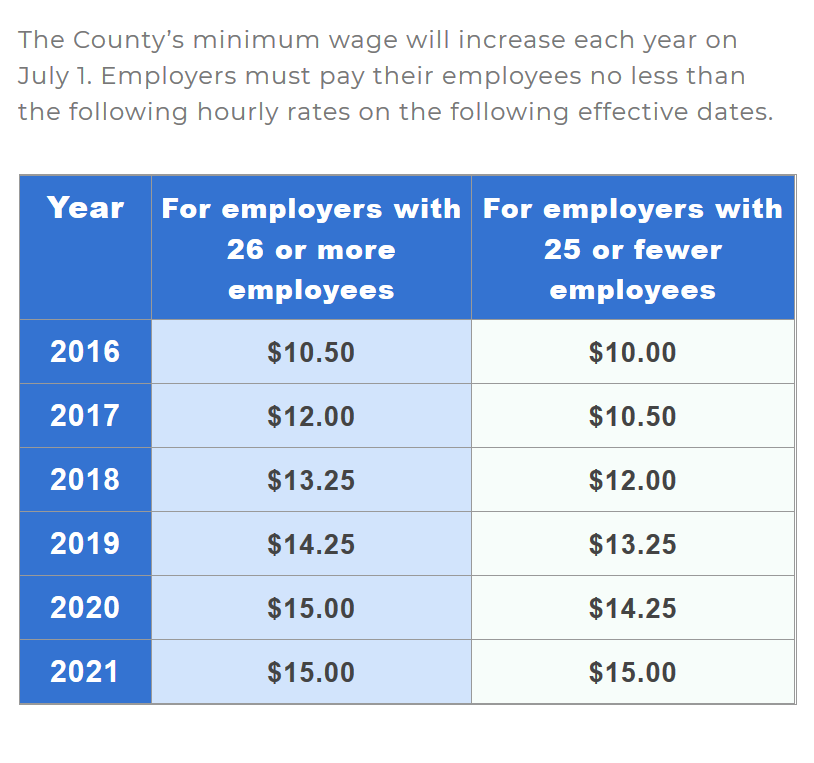
The trajectory of the Los Angeles minimum wage has been one of consistent increase over recent years. Historically, the city adopted a schedule to gradually raise the minimum wage to $15 per hour, which it achieved in 2020 for larger employers and 2021 for smaller employers. Since then, annual adjustments have been tied to the Consumer Price Index (CPI) for the Los Angeles metropolitan area, ensuring that the wage keeps pace, to some extent, with inflation and the rising cost of living. This mechanism for indexing ensures that the purchasing power of minimum wage earners does not erode entirely over time.
Looking ahead, it’s highly probable that the Los Angeles minimum wage will continue its upward trend. These incremental increases are designed to address the significant challenges posed by the city’s notoriously high cost of living, particularly concerning housing, transportation, and everyday necessities. This ongoing commitment to a higher minimum wage underscores the city’s aim to foster a more equitable economic environment. However, it also presents an ongoing challenge for businesses, especially those in labor-intensive sectors like tourism, hotels, and food service, as they must continuously adapt their operational models and pricing strategies to accommodate rising labor costs. For travelers, this means understanding that the cost of services and experiences in Los Angeles is, in part, a reflection of these wage policies.
Impact on the Los Angeles Tourism and Hospitality Industry
The tourism and hospitality industry is the lifeblood of Los Angeles, employing hundreds of thousands of people across a vast spectrum of roles. From the front desk staff at luxury hotels in Beverly Hills to the ride operators at Disneyland Resort in nearby Anaheim, and the servers in trendy Silver Lake restaurants, many of these positions fall within or just above the minimum wage bracket. The periodic increases in the Los Angeles minimum wage thus have a profound and multifaceted impact on this vital sector, affecting both the employees who deliver world-class service and the businesses that strive to attract millions of visitors annually.
For employees, a higher minimum wage can mean a greater ability to afford basic necessities, reduce financial stress, and potentially improve their quality of life in an otherwise expensive city. This can lead to increased morale and reduced staff turnover, which benefits businesses by fostering a more experienced and dedicated workforce. However, for businesses, especially small and medium-sized enterprises, these wage hikes translate directly into increased operating costs. Hotels, restaurants, tour operators, and entertainment venues must carefully balance these rising expenses with competitive pricing, often leading to innovations in efficiency, adjustments in staffing levels, or, in some cases, slight increases in prices for goods and services. Understanding this dynamic is key to appreciating the economic landscape that shapes your travel experiences in Los Angeles.
For Service Professionals: From Hotels to Dining
Service professionals are the unsung heroes of the Los Angeles tourism experience. Housekeepers at the Waldorf Astoria Beverly Hills, baristas in Downtown Los Angeles cafes, valets at exclusive Hollywood clubs, and attendants at major attractions like the Getty Center all contribute significantly to the city’s allure. For many, especially those starting their careers or relying on these roles to support their families, the minimum wage is their primary income. The current rate of $16.90 per hour in the City of Los Angeles translates to approximately $2,929 per month for a full-time employee (assuming 40 hours per week), before taxes and deductions.
While this is higher than in many other parts of the country, it still presents significant challenges in a city where the median rent for a one-bedroom apartment can easily exceed $2,500. This stark reality means that even with an increased minimum wage, many service professionals must often work multiple jobs, live in distant suburbs with long commutes, or share housing to make ends meet. The quest for affordable accommodation is a constant struggle, impacting their lifestyle choices and financial stability. However, the higher minimum wage does offer a crucial safety net and a baseline of dignity, helping to mitigate some of the extreme pressures of living in a major global city. It also underscores the immense value of gratuities in the American service industry, which often supplement these baseline wages significantly, especially in roles like waiting tables or bartending.
For Businesses: Navigating Operating Costs
For businesses operating in the Los Angeles tourism and hospitality sector, the rising minimum wage presents a complex set of operational considerations. Hotels, from the expansive JW Marriott Los Angeles LA Live to quaint boutique inns in Venice Beach, face increased payroll expenses for their extensive staff, from housekeeping and maintenance to front desk and culinary teams. Similarly, restaurants, cafes, and bars across vibrant neighborhoods like Koreatown and Arts District must factor these costs into their pricing models and menu strategies.
To manage these rising labor costs, businesses often explore several avenues. Some invest in technology to improve efficiency, such as self-service kiosks at hotels or automated ordering systems in restaurants, thereby reducing the need for certain types of staff. Others may adjust their staffing levels, optimize scheduling, or focus on upskilling their existing workforce to handle multiple responsibilities. Pricing adjustments are also common, where the increased cost of labor is partially passed on to consumers through slightly higher prices for accommodations, meals, and activities. This delicate balancing act aims to maintain profitability while remaining competitive in the bustling Los Angeles market. The challenge is particularly acute for smaller, independent businesses that may have less financial flexibility than larger corporate chains, yet they contribute immensely to the city’s unique charm and local culture.
Cost of Living and Traveling in Los Angeles
The minimum wage, while primarily affecting local workers, has a significant ripple effect on the overall cost of living and, by extension, the cost of traveling in Los Angeles. Los Angeles consistently ranks among the most expensive cities in the United States and globally. This high cost is driven by a confluence of factors, including desirable climate, robust economy, limited housing supply, and strong demand. The minimum wage, as a component of labor costs, contributes to the price of nearly every good and service consumed in the city, from groceries and gasoline to entertainment and, critically, accommodation.
For travelers, this means that while the service received from dedicated hospitality professionals is often exceptional, it comes at a price. Understanding this economic backdrop helps to set realistic expectations for a Los Angeles vacation budget. It highlights why a stay at a luxury resort like The Beverly Wilshire, A Four Seasons Hotel, or a meal at a Michelin-starred restaurant, reflects not only premium ingredients and amenities but also the compensation required for the skilled staff who deliver that high-end experience in a high-cost environment. Conversely, even budget-conscious travelers will find that basic expenses are elevated compared to many other destinations, necessitating careful planning and smart choices to maximize their Los Angeles experience.
Accommodation and Lifestyle Implications
The impact of the minimum wage on accommodation in Los Angeles is both direct and indirect. Directly, the wages paid to hotel staff—from housekeepers and concierges to maintenance and administrative personnel—are significant components of a hotel’s operating budget. As these wages rise, so too do the underlying costs of providing hotel services, which can translate into higher room rates. Whether you’re booking a room at a bustling hotel near LAX or a serene retreat in Malibu, the cost of labor is subtly factored into the price you pay.
Indirectly, the high cost of living, influenced by wages, impacts the lifestyle of Los Angeles residents, including those who work in the tourism sector. For example, the exorbitant cost of housing means that many hotel employees commute long distances, sometimes from the Inland Empire or Orange County, to their jobs in Los Angeles. This affects their quality of life, their free time, and ultimately, can contribute to staffing challenges for businesses. From a traveler’s perspective, this means the city’s vibrant, diverse workforce often represents a triumph of dedication against significant economic headwinds. When planning your trip, consider that staying in areas further from the prime tourist spots like Hollywood or Santa Monica, such as hotels in Glendale or Burbank, might offer slightly more budget-friendly options, partly due to varying local economic pressures and labor costs.
Budgeting Your Los Angeles Experience
For many travelers, Los Angeles is a dream destination, and while the city’s minimum wage contributes to the overall cost, a fantastic trip doesn’t have to break the bank. Smart budgeting is key. Accommodation will likely be your largest expense. Consider staying in hostels, vacation rentals outside prime tourist zones, or utilizing hotel comparison sites to find the best deals. Websites like lifeoutofthebox.com can be excellent resources for finding comparative reviews and booking options. Eating out can also add up quickly, so explore Los Angeles’s incredible street food scene, visit farmers’ markets for fresh produce, or pack your own snacks for sightseeing.
Public transportation, while extensive, may not reach every corner of the city efficiently, so factor in ride-sharing services or car rentals if you plan to explore widely. However, iconic landmarks like the Griffith Observatory (offering free entry to its exhibits and stunning views), a stroll along the Hollywood Walk of Fame, or relaxing on the sands of Santa Monica Pier and Venice Beach are largely free or low-cost activities. Many world-class museums, such as the Getty Center and the California Science Center, offer free admission to their permanent collections. By strategically balancing paid attractions with free experiences, leveraging local transportation where possible, and making informed choices about food and lodging, you can craft a memorable and relatively affordable Los Angeles adventure, all while indirectly supporting the local economy that benefits from the city’s commitment to a higher minimum wage.
The Broader Economic Landscape: Minimum Wage and Urban Development
The discussion around the Los Angeles minimum wage extends beyond individual paychecks and business ledgers; it’s intricately woven into the broader economic landscape and the city’s ongoing urban development. As one of the largest and most influential cities in the United States, Los Angeles often serves as a bellwether for progressive economic policies. The decision to raise the minimum wage, despite concerns from some business sectors, reflects a societal commitment to addressing income inequality and ensuring that even those in entry-level positions can aspire to a decent quality of life within the city. This policy has far-reaching implications, influencing everything from local consumer spending power to the demographics of its neighborhoods and the types of businesses that can thrive.
Moreover, the minimum wage policies in Los Angeles are part of a larger conversation about sustainable urban growth, equitable development, and the future of work in a major global hub. A higher minimum wage can boost local economies by putting more money into the hands of workers, who then spend it on local goods and services, fostering a virtuous cycle. It can also reduce reliance on public assistance programs, leading to long-term fiscal benefits. However, it also demands innovation and adaptation from businesses, pushing them towards greater efficiency, automation, and potentially a focus on higher-value services. For a city that prides itself on its dynamic blend of industries, from entertainment and technology to trade and tourism, balancing these competing forces is a continuous challenge and a hallmark of its economic evolution.
How Los Angeles Stacks Up Globally
When considering the Los Angeles minimum wage of $16.90 per hour, it’s insightful to compare it with other major global cities. Relative to many international capitals, Los Angeles stands among the leaders in setting a high minimum wage. Cities like London, Paris, Sydney, and Vancouver also have robust minimum wage policies, but their rates, when converted to U.S. Dollars and adjusted for purchasing power parity (PPP), vary significantly. Often, California cities, including Los Angeles, are at the forefront of the highest minimum wage rates in the world, particularly within the context of a large, diverse economy.
This higher wage is a reflection of the economic realities in Los Angeles, where the cost of living is notoriously elevated. While a $16.90 hourly wage might seem substantial in some parts of the world or even other regions of the United States, it provides a modest, though often still challenging, standard of living in the Los Angeles metropolitan area. This global comparison highlights Los Angeles’s position as a city striving for both economic dynamism and social equity, influencing labor practices and tourism costs on an international scale. For travelers from countries with lower minimum wages, the perceived cost of goods and services in Los Angeles can be notably higher, reinforcing the need for careful financial planning when visiting this iconic global destination.
Conclusion
The question “What Is The Los Angeles Minimum Wage?” unearths a complex tapestry of economic realities that shape one of the world’s most captivating cities. Currently set at $16.90 per hour within the City of Los Angeles, this baseline wage is far more than just a number; it is a critical determinant of the local lifestyle, the operational dynamics of the vast tourism and hospitality industry, and the overall cost of visiting and residing in this vibrant metropolis. It impacts the hardworking individuals who staff our hotels, serve our meals, and maintain our attractions, striving to build a life in a city known for both its opportunities and its expenses.
For travelers, understanding the Los Angeles minimum wage provides invaluable context for budgeting and appreciating the true cost of their experiences. It explains why a stay at a luxurious resort like The Ritz-Carlton, Los Angeles, a meal at a trendy Melrose Avenue restaurant, or a ticket to a major theme park reflects not just premium amenities but also the significant investment in human capital required to deliver world-class service in a high-cost environment. The city’s ongoing commitment to a higher minimum wage underscores its dedication to fostering a more equitable society, even as it navigates the delicate balance of supporting its workforce while maintaining a competitive and thriving business landscape. As Los Angeles continues to evolve, its minimum wage policies will remain a vital indicator of its economic health, social values, and its enduring appeal as a global hub for travel, lifestyle, and opportunity.
LifeOutOfTheBox is a participant in the Amazon Services LLC Associates Program, an affiliate advertising program designed to provide a means for sites to earn advertising fees by advertising and linking to Amazon.com. Amazon, the Amazon logo, AmazonSupply, and the AmazonSupply logo are trademarks of Amazon.com, Inc. or its affiliates. As an Amazon Associate we earn affiliate commissions from qualifying purchases.