
Los Angeles, the sprawling metropolis known as the “City of Angels,” beckons millions with its promise of sun-drenched beaches, iconic Hollywood glamour, diverse cultural experiences, and an unparalleled lifestyle. From the historic charm of Downtown Los Angeles to the luxurious enclaves of Beverly Hills and the laid-back coastal vibes of Malibu and Santa Monica, this vibrant Southern California destination offers an endless array of attractions and experiences for every traveler. Yet, beneath the clear blue skies that often grace its promotional brochures, Los Angeles frequently grapples with a less glamorous reality: periods of poor air quality.

For both residents and visitors planning their next adventure, understanding why the air quality in Los Angeles can occasionally be bad is crucial. It’s not just a matter of discomfort; it can impact health, outdoor activities, and the overall enjoyment of this incredible city. Today, as on many other days, a confluence of geographical factors, meteorological conditions, and persistent human activities are likely contributing to the haze that might be seen or felt. This article delves into the multifaceted reasons behind Los Angeles’ recurring air quality challenges, offering insights for those seeking to explore its wonders responsibly and comfortably.
The Unique Geography and Climate of Los Angeles: A Recipe for Smog
The very features that make Los Angeles so picturesque – its proximity to mountains and the Pacific Ocean – are also significant contributors to its air quality issues. The region’s distinct topography and climate create an atmospheric trap, turning it into a natural incubator for pollutants.
The Basin Effect and Inversion Layers
Los Angeles sits primarily within the Los Angeles Basin, a vast, relatively flat area cradled by formidable mountain ranges. To the north lie the towering San Gabriel Mountains, to the east are the San Bernardino Mountains, and to the west and north-west, the Santa Monica Mountains and others form a natural barrier. This basin-like topography, while offering stunning vistas from viewpoints like the Griffith Observatory, also acts like a giant bowl, trapping air masses over the city.
Compounding this geographical reality is a common meteorological phenomenon known as a temperature inversion layer. Typically, air cools as altitude increases, allowing pollutants to rise and disperse into the upper atmosphere. However, in Los Angeles, particularly during warmer months, a layer of warm air often settles above cooler air near the surface. This inversion layer acts as a lid, preventing the vertical mixing of air. As a result, emissions from vehicles, industries, and other sources are trapped close to the ground, concentrating pollutants and leading to visible smog and elevated particulate matter levels. This effect is often exacerbated by light winds, which do little to push the trapped air out of the basin, further intensifying the problem today and on similar days.
Sunshine and Ozone Formation
Southern California’s abundant sunshine, one of its greatest draws for tourists and residents alike, plays a paradoxical role in its air quality. While perfect for beach days or exploring outdoor landmarks, intense sunlight acts as a catalyst in the formation of ground-level ozone, a primary component of smog. Volatile organic compounds (VOCs) and nitrogen oxides (NOx) – emitted predominantly from vehicles and industrial processes – react chemically in the presence of strong ultraviolet radiation from the sun. This photochemical reaction generates ozone near the Earth’s surface, distinct from the beneficial ozone layer high in the atmosphere.
Unlike particulate matter, which is directly emitted, ground-level ozone is a secondary pollutant that builds up over time, especially on hot, sunny days with stagnant air. This means that even if emissions were reduced significantly, the existing pollutants would continue to react under the intense California sun, contributing to poor air quality throughout the day. Travelers hoping to enjoy the outdoor experiences like hiking in the Santa Monica Mountains or strolling along the Hollywood Walk of Fame might find themselves contending with a hazy atmosphere and potential respiratory discomfort when ozone levels are high.
Major Sources of Pollution in the City of Angels
Beyond the atmospheric conditions, the sheer scale of human activity in Los Angeles generates a substantial volume of pollutants. These sources are a persistent challenge, even as the region strives for cleaner air.
The Ever-Present Traffic Congestion
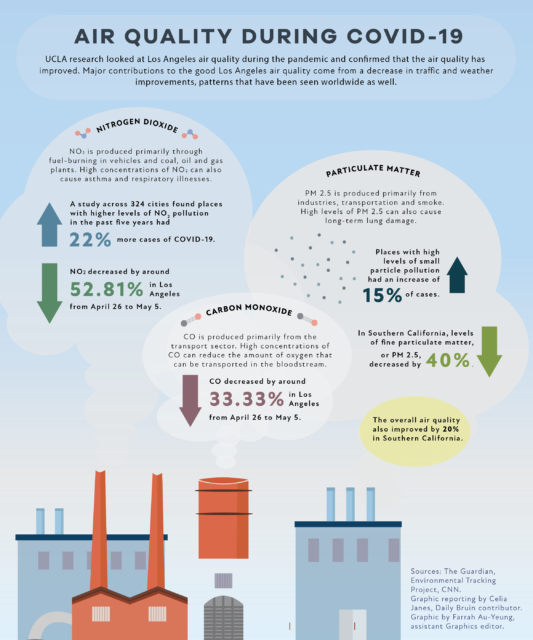
Los Angeles is synonymous with car culture. Millions of vehicles traverse its vast network of freeways and boulevards daily, transporting commuters, tourists, and goods. This immense volume of traffic is, without a doubt, the single largest contributor to the city’s air pollution. Exhaust fumes from gasoline and diesel engines release a cocktail of harmful substances, including nitrogen oxides, carbon monoxide, hydrocarbons, and fine particulate matter (PM2.5). These primary pollutants are directly damaging to human health and are the precursors to ground-level ozone.
The notorious traffic jams, which are a part of the local lifestyle, exacerbate the problem. Idling cars and stop-and-go driving are less fuel-efficient and tend to produce higher emissions per mile traveled compared to vehicles moving at a steady pace. For visitors relying on rental cars or ride-sharing services to explore destinations like Universal Studios Hollywood or the Disneyland Resort, these emissions become a tangible part of their Los Angeles experience. While public transportation options are expanding, the car remains king, making vehicular emissions a constant factor in the city’s air quality.
Industrial Activity and Port Operations
While cars are a major visible source of pollution, Los Angeles is also home to significant industrial operations, particularly its massive port complex. The Port of Los Angeles and the adjacent Port of Long Beach together form the busiest port complex in the United States. These ports are crucial for global trade and local economy, but they are also substantial sources of air pollution. Emissions stem from various activities: large container ships burning bunker fuel as they approach and dock, diesel trucks transporting goods to and from the ports, cargo-handling equipment, and locomotives.
These emissions include sulfur dioxide, nitrogen oxides, and fine particulate matter, which not only contribute to regional smog but also disproportionately impact the communities located near the ports. Beyond the ports, various manufacturing facilities, refineries, and other industrial sites throughout the Los Angeles Basin contribute their share of pollutants to the atmosphere. While regulations have tightened over the years, the sheer volume of activity means these sources remain a significant challenge to achieving consistent clean air days.
The Menace of Wildfires and Santa Ana Winds
Perhaps the most dramatic and immediate cause of severe air quality degradation in Los Angeles today, and particularly in recent years, is wildfires. Southern California is naturally prone to wildfires, especially during its dry seasons. These fires, whether naturally occurring or human-caused, release enormous plumes of smoke, soot, and toxic gases into the atmosphere. Smoke from even distant wildfires can travel hundreds of miles, blanketing entire regions in a thick, choking haze.

The infamous Santa Ana winds often exacerbate this problem. These strong, dry, downslope winds originating from the interior deserts can fan wildfires, causing them to spread rapidly and intensely. Critically, these winds also act as a conveyor belt, carrying smoke and particulate matter directly into the Los Angeles Basin. The fine particulate matter in wildfire smoke is particularly dangerous, as it can penetrate deep into the lungs and even enter the bloodstream, posing serious health risks. When wildfires are active, the air quality can rapidly deteriorate from moderate to unhealthy or even hazardous levels within hours, drastically altering travel plans and outdoor experiences, from a scenic drive along Mulholland Drive to a visit to the Getty Center with its breathtaking views.
Navigating Los Angeles with Air Quality in Mind: Tips for Travelers and Locals
Understanding the causes of poor air quality empowers travelers and locals to make informed decisions and minimize their exposure while still enjoying all that Los Angeles has to offer.
Checking Air Quality Forecasts for Your Travel Plans
Before heading out, especially for outdoor activities, it’s wise to consult air quality forecasts. Organizations like the South Coast Air Quality Management District (AQMD) provide real-time data and forecasts for ozone, particulate matter, and other pollutants. Their websites and apps offer color-coded indices that quickly indicate whether the air quality is good, moderate, unhealthy for sensitive groups, unhealthy, very unhealthy, or hazardous.
Travelers can use this information to adjust their itineraries. On days with poor air quality, consider prioritizing indoor attractions such as world-class museums like LACMA or The Broad, shopping in Pasadena, or exploring the vibrant culinary scene. Save strenuous outdoor activities like hiking or running for days when the air is clearer. Many Los Angeles hotels and resorts also provide localized air quality information as part of their guest services, especially those catering to wellness tourism.
Choosing Accommodation Wisely
For those seeking to mitigate the impact of air quality during their stay, the choice of accommodation can make a difference. Many luxury hotels and modern resorts in Los Angeles have invested in sophisticated HVAC systems with advanced air filtration, providing a cleaner indoor environment. High-end options like the Four Seasons Hotel Los Angeles at Beverly Hills or The Peninsula Beverly Hills often emphasize wellness amenities that include superior air quality.
Additionally, considering the location of your accommodation can be beneficial. Coastal areas like Santa Monica and Malibu often benefit from ocean breezes, which can help disperse pollutants and lead to better air quality compared to inland areas, especially during inversion events. When booking, inquire about a hotel’s air filtration systems or check reviews that mention indoor air comfort. Some serviced apartments or villas might also offer air purifiers, catering to guests with sensitivities or those simply seeking the freshest possible air.
Lifestyle Adjustments and Sustainable Tourism
Responsible tourism plays a crucial role in improving Los Angeles’ air quality. Visitors can contribute by making conscious lifestyle choices during their stay:
- Public Transportation and Ride-Sharing: Utilize the growing public transit network, including the Metro rail and bus systems, to reduce personal vehicle emissions. Ride-sharing services also offer greener options like electric vehicles (EVs).
- Electric Vehicle Rentals: If renting a car is essential, consider an electric or hybrid vehicle. Many rental companies now offer these options, allowing you to explore with a smaller carbon footprint.
- Support Eco-Conscious Businesses: Choose hotels, restaurants, and tour operators that demonstrate a commitment to sustainability and environmental practices.
- Minimize Idling: If driving, avoid unnecessary engine idling, especially near schools or residential areas.
- Embrace Indoor Experiences: On poor air quality days, explore the city’s incredible array of indoor attractions, from museums and theaters to world-class dining and shopping.
By making these mindful choices, travelers can not only protect their own health but also contribute to the long-term goal of cleaner air for everyone in Los Angeles.
The Road Ahead: Efforts and Innovations for Cleaner Air
While challenges persist, Los Angeles and the state of California are at the forefront of efforts to combat air pollution, driven by strong environmental regulations and technological innovation.
Regulatory Measures and Technological Advancements
Decades of concerted effort by agencies like the AQMD have led to significant improvements in Los Angeles’ air quality compared to its peak smog years in the mid-20th century. Strict emission standards for vehicles and industries, coupled with advancements in catalytic converter technology and cleaner fuels, have made a tangible difference.
Looking ahead, California continues to push aggressive targets, including mandates for zero-emission vehicles (ZEVs) and the transition to renewable energy sources. Billions are being invested in expanding public transit infrastructure, electrifying port operations, and incentivizing greener industrial practices. Research and development into air purification technologies and smart city solutions are also part of the ongoing commitment to a healthier environment. These innovations, though gradual, promise a future where days of bad air quality become increasingly rare.
Community Engagement and Sustainable Initiatives
The fight for cleaner air in Los Angeles is not just a top-down effort; it involves active community engagement and countless sustainable initiatives. Local residents, environmental groups, and businesses are actively participating in advocacy, conservation, and education programs. From urban greening projects that plant trees to absorb pollutants, to community-led initiatives promoting cycling and walking, a collective consciousness is emerging.
Visitors also have a role to play. By choosing to stay in eco-certified hotels, dining at farm-to-table restaurants that minimize their carbon footprint, and participating in tours that highlight sustainable practices, travelers can directly support the city’s efforts. Every choice, no matter how small, contributes to the broader goal of making Los Angeles a healthier and more enjoyable destination for generations to come.
In conclusion, while the question “Why Is Air Quality Bad In Los Angeles Today?” points to immediate conditions, the answer lies in a complex interplay of geography, climate, dense urban activity, and sometimes, natural events like wildfires. However, this vibrant global hub is also a leader in environmental stewardship, constantly striving to mitigate these challenges. For those planning a trip or simply navigating daily life in Los Angeles, being informed and making conscious choices ensures that the experience remains as bright and breathtaking as the city’s iconic skyline under a clear sky.
LifeOutOfTheBox is a participant in the Amazon Services LLC Associates Program, an affiliate advertising program designed to provide a means for sites to earn advertising fees by advertising and linking to Amazon.com. Amazon, the Amazon logo, AmazonSupply, and the AmazonSupply logo are trademarks of Amazon.com, Inc. or its affiliates. As an Amazon Associate we earn affiliate commissions from qualifying purchases.