
While often celebrated for its vibrant culture, soulful music, and delectable cuisine, the question of whether Louisiana boasts genuine, sun-drenched beaches might surprise many. Unlike its coastal neighbors, Louisiana’s coastline is a complex tapestry of marshes, bayous, and deltas, shaped by the mighty Mississippi River. This unique geography means that traditional, wide sandy expanses might be less common, but that doesn’t mean the state is devoid of coastal allure or places to enjoy the water and a sandy retreat. For the intrepid traveler seeking a different kind of beach experience, Louisiana offers a distinct and captivating proposition.
The Nuances of Louisiana’s Coastline
Understanding Louisiana‘s relationship with beaches requires acknowledging its distinctive geographical identity. The state’s shoreline is not a straightforward meeting of land and sea like in many other parts of the United States. Instead, it’s a dynamic, ever-changing environment where freshwater meets saltwater, creating a rich ecosystem that is both beautiful and ecologically significant.
The Mississippi River’s Influence
The sheer volume of sediment carried by the Mississippi River is the primary architect of Louisiana’s coast. Over millennia, the river has deposited vast amounts of silt and sand, forming a deltaic plain that constantly reshapes the land. This process creates a unique coastline characterized by barrier islands, wetlands, and estuarine environments. While this offers incredible biodiversity and stunning natural beauty, it also means that traditional sandy beaches, the kind you might find in Florida or California, are not the dominant feature. The land here is often softer, more marshy, and subject to erosion and accretion, making it a fluid landscape.
Gulf Intracoastal Waterway and Estuaries
The Gulf Intracoastal Waterway runs parallel to the Louisiana coast, acting as a significant channel that influences the marine environment. This waterway, along with the numerous estuaries and bays, creates sheltered bodies of water that can offer opportunities for relaxation by the water. These areas often feature smaller, more intimate sandy stretches, sometimes formed by natural deposition or maintained by human efforts. While not the vast, open-ocean beaches of popular imagination, these coastal edges provide unique recreational possibilities and a connection to the Gulf’s waters.
Where to Find “Beach-Like” Experiences in Louisiana
While the quintessential image of a wide, sandy beach might be elusive, Louisiana offers several destinations that provide a satisfying coastal experience, blending natural beauty with recreational opportunities. These spots may not be classic oceanfront resorts, but they offer their own unique charm and the chance to enjoy the sun, sand, and water.
Grand Isle: A Unique Coastal Getaway
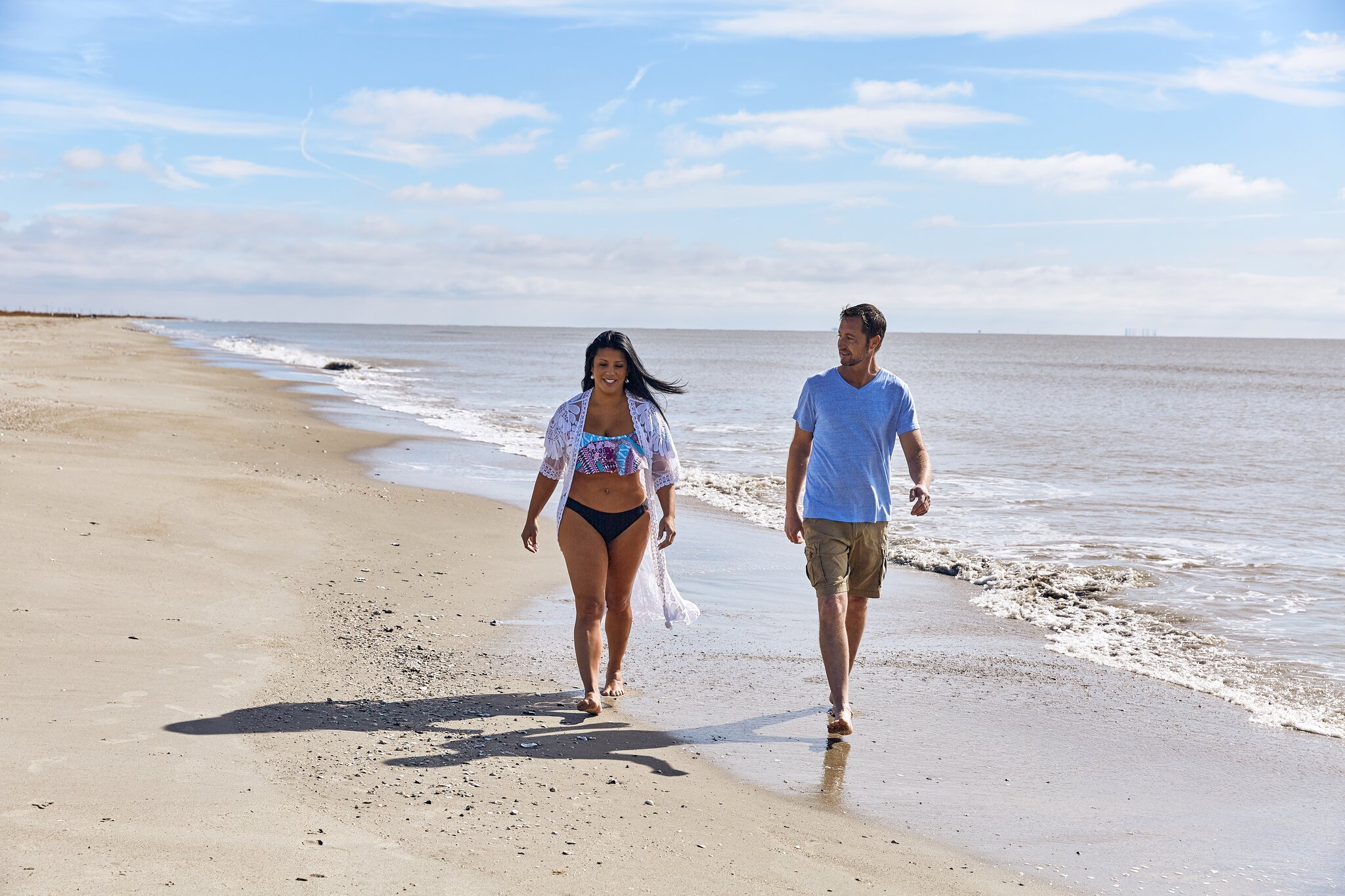
The most prominent and well-known of Louisiana’s coastal destinations is undoubtedly Grand Isle. Situated on a barrier island, it is the state’s only inhabited barrier island and offers the closest experience to a traditional beach. Here, visitors can find stretches of sand where they can relax, swim, fish, and enjoy the coastal breeze.
Sand and Surf at Grand Isle State Park
Grand Isle State Park is a jewel in Louisiana’s coastal crown. The park provides access to the Gulf of Mexico, with designated swimming areas and opportunities for sunbathing. While the sand might be coarser than what you’d find in other states, and the shoreline can change due to natural forces, it offers a genuine beach-like atmosphere. The park also features fishing piers, picnic areas, and camping facilities, making it an ideal destination for a day trip or a longer stay focused on coastal activities. Birdwatching is also a popular pastime here, with migratory birds flocking to the island.
The Grand Isle Community
Beyond the state park, Grand Isle itself is a small fishing community with a laid-back vibe. You’ll find beachfront rentals, seafood restaurants serving the day’s catch, and a palpable sense of connection to the Gulf. The experience here is less about manicured resorts and more about embracing the natural, untamed beauty of the coast and the local way of life. The sunsets over the Gulf from Grand Isle are often spectacular, casting a warm glow over the water and the sandy shores.
Other Coastal Opportunities
While Grand Isle is the primary destination for a beach experience, other areas along Louisiana’s extensive coastline offer opportunities to connect with the water and enjoy sandy areas, albeit in a less conventional format.
Lake Pontchartrain’s Shores
The vast brackish waters of Lake Pontchartrain offer a different kind of coastal experience, particularly for those residing in or visiting New Orleans. While not a saltwater ocean beach, its shores can provide pleasant areas for recreation.
Fontainebleau State Park
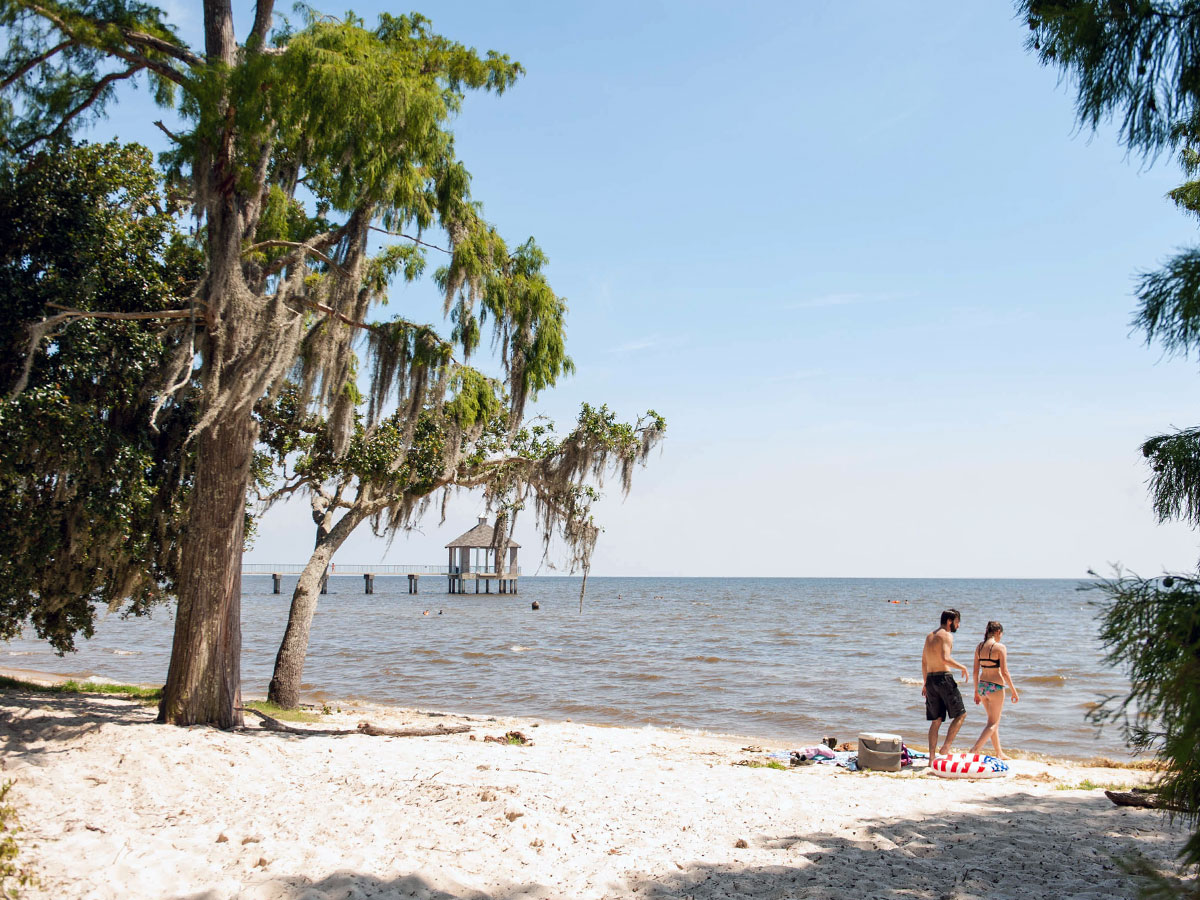
Located on the north shore of Lake Pontchartrain, Fontainebleau State Park boasts miles of shoreline. Visitors can enjoy swimming in the lake, relaxing on sandy stretches, and exploring the park’s diverse habitats. The lake’s calmer waters make it a popular spot for families. The park also offers historic ruins, walking trails, and stunning views of the lake.
City Park Beaches in New Orleans
Even within the urban landscape of New Orleans, City Park offers man-made beach areas along parts of Lake Pontchartrain. These are more for lounging and enjoying the water’s edge than for extensive swimming, but they provide a accessible urban oasis for those seeking a sandy spot.
Chenier Coast and Barrier Islands
The remote and wild Chenier Plain along southwestern Louisiana is characterized by its unique landscape of intervening wetlands and ridges (cheniers). While not featuring traditional tourist beaches, the barrier islands off this coast, such as those near Cameron Parish, can offer remote stretches of sand and a truly wild coastal experience for those willing to venture off the beaten path. Access to these areas often requires boat travel, making them destinations for adventurous explorers and nature enthusiasts.
Beyond the Sand: Coastal Activities and Experiences
Even if the primary goal isn’t a classic sunbathing session, Louisiana’s coastal areas offer a wealth of activities that celebrate its unique environment. The emphasis here is on experiencing the water, the abundant wildlife, and the distinct culture that thrives along its shores.
Fishing and Boating Adventures
Louisiana is a fisherman’s paradise, and its coastal waters are no exception. Whether you’re casting a line from a pier at Grand Isle, chartering a deep-sea fishing boat, or exploring the inshore marshes for redfish and speckled trout, the opportunities are endless. Boating is another popular pastime, allowing visitors to explore the intricacies of the bayous, navigate the Gulf Intracoastal Waterway, or simply cruise the waters of Lake Pontchartrain. Many local operators offer tours that highlight the unique ecosystems and provide insights into the coastal way of life.
Wildlife Viewing and Ecotourism
The wetlands and coastal marshes of Louisiana are among the most ecologically rich areas in North America. These environments are critical habitats for a staggering array of wildlife, including numerous bird species, alligators, dolphins, and various marine life. Guided eco-tours by boat are an excellent way to witness this biodiversity firsthand. Destinations like the Atchafalaya Basin (though inland, its waterways connect to the coast) and the coastal refuges offer unparalleled opportunities for birdwatching and observing these natural wonders in their unspoiled habitat. For those seeking a deeper understanding of the natural world, Louisiana’s coast is a living laboratory.
Embracing the Local Culture
The communities along Louisiana’s coast are deeply intertwined with the water. Towns like Grand Isle and others along the parishes that touch the Gulf have a distinct identity shaped by fishing, seafaring, and resilience in the face of coastal challenges. Visitors can immerse themselves in this culture by enjoying fresh seafood at local eateries, learning about the history of Cajun and Creole coastal life, and witnessing the vibrant traditions that persist. The culinary scene, in particular, is a major draw, with an emphasis on the freshest Gulf seafood prepared with distinct regional flavors.
Planning Your Louisiana Coastal Trip
When planning a visit to Louisiana with coastal aspirations, it’s essential to adjust expectations and embrace the unique offerings of its shoreline. The state might not have the long, sweeping sandy beaches of some other destinations, but it offers a richer, more nuanced experience that celebrates its natural environment and cultural heritage.
What to Pack and Expect
Given the coastal climate, lightweight, breathable clothing is recommended. Sunscreen, hats, and insect repellent are essential, especially during warmer months. Comfortable walking shoes are a must for exploring parks and natural areas. Be prepared for potentially humid conditions and the possibility of rain showers. When visiting areas like Grand Isle, understanding that the shoreline can be dynamic and influenced by tides and weather is important. Embrace the natural beauty and the less-manicured aspects of the coastal environment.
Accommodation Options
While extensive luxury resorts might not be the defining feature of Louisiana’s coast, there are various accommodation options to suit different preferences. Grand Isle offers beachfront cottages and rental homes, providing an immersive experience. State parks, such as Grand Isle State Park and Fontainebleau State Park, provide camping and cabin rentals for those who enjoy a more rustic connection with nature. For those looking for amenities closer to urban centers, areas around Lake Pontchartrain in towns like Mandeville and Covington offer a range of hotels and bed and breakfasts.
Best Time to Visit
The best time to visit Louisiana’s coastal areas generally falls outside the peak of hurricane season, which typically runs from June 1st to November 30th. Spring (March to May) and fall (September to November) often offer pleasant weather with milder temperatures and lower humidity, making them ideal for outdoor activities. Winter can also be a good time to visit for fishing and birdwatching, with fewer crowds. Summer can be hot and humid, but also offers the warmest water for swimming.
In conclusion, while Louisiana may not be the first place that comes to mind when thinking of classic beaches, it undeniably offers compelling coastal experiences. From the more traditional sandy shores of Grand Isle to the unique estuarine environments and the abundant wildlife they support, Louisiana invites travelers to discover a different, yet equally captivating, side of the Gulf Coast. It’s a destination that rewards those who seek authenticity, natural wonder, and a deep connection to the water and its vibrant ecosystems.
LifeOutOfTheBox is a participant in the Amazon Services LLC Associates Program, an affiliate advertising program designed to provide a means for sites to earn advertising fees by advertising and linking to Amazon.com. Amazon, the Amazon logo, AmazonSupply, and the AmazonSupply logo are trademarks of Amazon.com, Inc. or its affiliates. As an Amazon Associate we earn affiliate commissions from qualifying purchases.