
Embarking on a journey between two of America’s most culturally rich and diverse states, Louisiana and Texas, is more than just a matter of traversing miles; it’s an invitation to explore a vibrant tapestry of landscapes, cuisines, and unique traditions. While the exact “distance” depends on your specific starting and ending points, these two Southern powerhouses share a substantial border, making travel between them not only feasible but also incredibly rewarding for any adventurer. From the bustling metropolises of Texas to the soulful bayous of Louisiana, the journey itself becomes an integral part of the travel experience, promising new discoveries at every turn.

Whether you’re planning a quick weekend getaway, a comprehensive road trip, or a business stay requiring seamless transit, understanding the various travel options, typical durations, and the highlights awaiting on both sides of the state line is crucial. This guide delves into the practicalities of bridging the gap between Louisiana and Texas, offering insights into travel logistics, must-see destinations, diverse accommodation choices, and lifestyle experiences that cater to every type of traveler. Get ready to unlock the secrets of convenient cross-state travel and immerse yourself in the distinct charms that make each state an unforgettable destination.
The Proximity and the Journey: Bridging Two Southern Gems
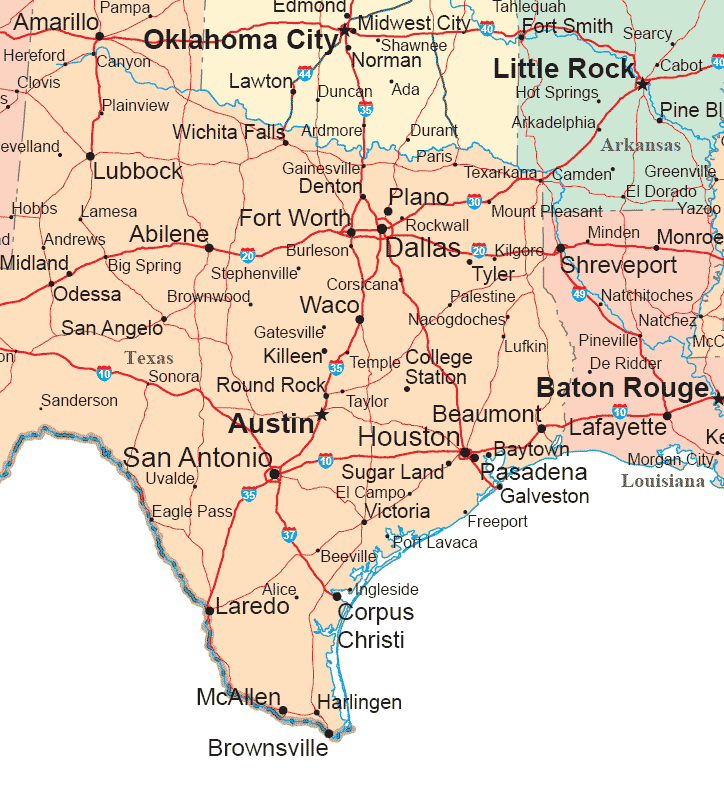
The geographical relationship between Louisiana and Texas is one of immediate proximity, with a shared border stretching approximately 180 miles from the Gulf Coast northward. This natural adjacency makes transit between the two states a relatively straightforward affair, especially for those preferring the flexibility of a road trip. The primary travel routes are well-maintained, offering a direct link between major urban centers and allowing for a seamless transition between the distinct cultural atmospheres of each state.
Geographical Overview: Shared Borders and Gateway Cities
The western border of Louisiana meets the eastern border of Texas, creating a natural corridor for travel and commerce. Along this shared boundary, several key cities act as gateways, providing convenient entry points and hubs for travelers. In Texas, border towns like Orange and Beaumont serve as the easternmost outposts, welcoming visitors from its neighboring state. Conversely, Louisiana’s western cities, such as Lake Charles and Shreveport, are the initial points of contact for those journeying eastward.
This close relationship means that moving from one state to the other is often a matter of a short drive, blurring the lines between the two vibrant regions. The influence of the Gulf Coast is palpable in the southern stretches of both states, lending a similar subtropical climate and an abundance of coastal attractions. Further north, the landscape transitions to pine forests and rolling hills, maintaining a cohesive natural environment that encourages exploration across state lines. This intrinsic connection underscores the ease with which travelers can experience the best of both worlds within a single trip.
Driving the Distance: Routes, Time, and Scenery
For many, the quintessential way to travel between Louisiana and Texas is by car, offering unmatched flexibility and the opportunity to discover hidden gems along the way. The primary artery connecting these states is Interstate 10, a crucial east-west highway that carves a direct path through their southern regions. This route is not only efficient but also offers a glimpse into the changing landscapes and local cultures.
To provide a clearer picture of driving times and distances, let’s consider a few popular city pairs:
- Houston to New Orleans: This is one of the most frequently traveled routes. The distance typically ranges from 350 to 370 miles, and the drive can take approximately 5 to 6 hours without significant stops or heavy traffic. Along Interstate 10, you’ll pass through cities like Beaumont, Lake Charles, and Baton Rouge, offering opportunities for quick breaks or overnight stays.
- Dallas to Shreveport: For those in North Texas, Shreveport in northern Louisiana is a much closer destination. This drive covers about 180 miles and usually takes around 3 hours, primarily via Interstate 20. It’s a convenient trip for a quick cross-state visit.
- Austin to New Orleans: As Austin is further west in Texas, the journey to New Orleans is longer, spanning roughly 500 miles. This extensive drive typically takes about 8 hours, making it a more substantial road trip that often warrants an overnight stop, perhaps in Houston or Lake Charles.
Beyond the main interstates, numerous scenic routes offer a more leisurely and picturesque alternative. Travelers can explore sections of Highway 90, which parallels Interstate 10 and winds through charming small towns, offering a glimpse into local life. In Texas, the Texas Forest Trail provides lush landscapes and historical markers, while Louisiana Scenic Byways, like the Creole Nature Trail All-American Road, invite exploration of unique ecosystems and cultural heritage. These routes are perfect for those who view the journey itself as part of the destination.
Air and Rail Travel: Alternative Perspectives
While driving offers unparalleled flexibility, air and rail travel present viable alternatives for those seeking speed, comfort, or a unique travel experience. Each mode of transport caters to different preferences and itineraries.
Air Travel: For the quickest transit between Louisiana and Texas, flying is the undisputed champion. Direct flights between major cities typically last between 1 to 1.5 hours, excluding airport processing times. Key airports serving these routes include:
- Texas: George Bush Intercontinental Airport (IAH) in Houston and Dallas/Fort Worth International Airport (DFW) in Dallas. These are major hubs with extensive domestic and international connections.
- Louisiana: Louis Armstrong New Orleans International Airport (MSY) in New Orleans is the busiest, with good connections to Texas. Baton Rouge Metropolitan Airport (BTR) and Shreveport Regional Airport (SHV) also offer regional flights, often with connections through larger hubs.
Flying is ideal for business travelers, those with limited time, or anyone prioritizing efficiency. While potentially more expensive than driving, booking in advance and being flexible with travel dates can yield reasonable fares.
Rail Travel: For a more relaxed and scenic journey, Amtrak offers train services that connect Texas and Louisiana. The most prominent route is the Sunset Limited, which runs three times a week and connects major cities like Houston, Beaumont, Lake Charles, and New Orleans.
While considerably slower than driving or flying (a trip from Houston to New Orleans can take 9-10 hours or more), train travel provides a unique perspective. Passengers can enjoy spacious seating, dining cars, and the ability to relax and watch the landscape unfold without the stresses of driving or airport security. It’s a fantastic option for travelers who value the journey as much as the destination, offering a nostalgic and comfortable way to bridge the distance between these two vibrant states.
Unveiling the Charms: What Awaits on Both Sides
Traveling between Louisiana and Texas isn’t just about the mechanics of getting there; it’s about immersing yourself in the distinct, yet equally captivating, cultures each state offers. From the vast open spaces and urban sophistication of Texas to the soulful rhythms and historic charm of Louisiana, a wealth of experiences awaits.
Texas: Beyond the Lone Star Image
Texas is a state of superlatives—everything is bigger, including its hospitality and diversity. While often associated with cowboys and oil, Texas offers a multifaceted travel experience, from historical landmarks to cutting-edge cultural institutions.
Destinations & Attractions:
- San Antonio: Home to the iconic Alamo, a symbol of Texan independence, and the picturesque Riverwalk, a network of pedestrian pathways lined with shops and restaurants. The city also boasts Spanish colonial missions designated as a UNESCO World Heritage site.
- Houston: A global city known for its vibrant arts scene, world-class museums in the Museum District, and, of course, the NASA Space Center Houston, a must-visit for space enthusiasts.
- Dallas: A hub for business and culture, offering attractions like the Sixth Floor Museum at Dealey Plaza, dedicated to the legacy of President John F. Kennedy, and the thriving Arts District.
- Austin: The “Live Music Capital of the World,” Austin pulsates with a unique energy, from its legendary music venues on Sixth Street to its burgeoning tech scene and scenic outdoor activities along Lady Bird Lake.
Culture & Food: Texas’s culinary landscape is as diverse as its geography. Indulge in authentic Tex-Mex, from sizzling fajitas to hearty breakfast tacos. Dive into the world of Texas BBQ, famous for its slow-smoked brisket and ribs. The state also celebrates its cowboy heritage with rodeos and ranches, while its major cities boast international cuisine and sophisticated dining experiences.
Lifestyle: Whether you’re seeking luxury travel with high-end shopping and fine dining, or budget-friendly adventures exploring state parks and food trucks, Texas caters to all. Family trips can involve theme parks like Six Flags Over Texas or educational visits to historical sites, while business stays benefit from world-class convention centers and modern accommodations.
Louisiana: A Tapestry of Culture and Cuisine
Crossing into Louisiana feels like stepping into another country, with its distinct blend of French, Spanish, African, and Native American influences creating a truly unique cultural experience. The state is a sensory delight, famous for its music, festivals, and unparalleled culinary traditions.
Destinations & Attractions:
- New Orleans: The crown jewel of Louisiana, a city alive with jazz music, historic architecture, and a festive spirit. Explore the iconic French Quarter with its wrought-iron balconies, stroll down Bourbon Street for lively nightlife, or admire the stately mansions of the Garden District. Don’t miss a paddlewheel boat tour on the Mississippi River.
- Baton Rouge: The state capital, offering attractions like the imposing New State Capitol building and the historic Old State Capitol, a gothic-style castle overlooking the river.
- Cajun Country: Centered around Lafayette, this region is the heartland of Cajun culture. Experience authentic swamp tours, dance to live Cajun music, and savor spicy, flavorful dishes.
- Shreveport: Located in northern Louisiana, it offers a mix of riverboat casinos, a thriving arts scene, and family-friendly attractions like the Sci-Port Discovery Center.
Culture & Food: Louisiana’s cuisine is a legend in itself. Indulge in rich Creole and hearty Cajun dishes, from spicy gumbo and jambalaya to fresh seafood boils and decadent beignets. The state is the birthplace of jazz and a major hub for blues music, with live performances filling the air in clubs and streets. Annual festivals like Mardi Gras showcase the state’s vibrant, joyful spirit.
Lifestyle: Whether you’re seeking a romantic getaway amidst historical charm, a thrilling adventure on a swamp tour, or a deep dive into culinary traditions, Louisiana delivers. The state offers everything from luxury resorts to quaint bed and breakfasts, catering to travelers with diverse preferences and budgets.
Planning Your Cross-State Adventure
A successful trip between Louisiana and Texas requires thoughtful planning, especially concerning where you’ll stay and how to make the most of your journey. With a wealth of options available, tailoring your travel and accommodation to your specific needs and desires is key to an unforgettable experience.
Accommodation Choices: From Budget to Luxury
Finding the perfect place to stay is paramount to enjoying your cross-state adventure. Both Texas and Louisiana boast a vast array of accommodation options, ensuring there’s something for every budget and preference.
- Hotels & Resorts: Major cities in both states offer a spectrum of hotel choices. For those seeking luxury travel, properties like the Ritz-Carlton New Orleans or Hotel Emma in San Antonio provide opulent amenities and exceptional service. Boutique hotels, such as The Driskill in Austin, offer unique charm and personalized experiences. For more budget-friendly options, numerous chain hotels and motels are conveniently located along major highways and in urban centers, providing comfortable and reliable stays. Resorts are plentiful, especially along the Gulf Coast and near major attractions, often featuring pools, spas, and golf courses, perfect for a relaxing getaway.
- Apartments & Villas: For longer stays, family trips, or groups seeking more space and privacy, vacation rentals such as apartments, condos, or villas are an excellent choice. Platforms like Airbnb and VRBO list countless properties, from quaint historic homes in New Orleans’ Garden District to modern lofts in downtown Houston. These options often come with kitchens, living areas, and multiple bedrooms, enhancing the comfort and convenience of your trip.
- Unique Stays: Beyond traditional lodging, consider staying in a historic plantation home in Louisiana, a charming B&B in a small Texas town, or even glamping sites for an adventurous twist.
When booking, always consult reviews, compare prices across different platforms, and consider the amenities that are most important for your stay, whether it’s a pool, pet-friendly policies, or proximity to specific attractions.
Essential Travel Tips for a Smooth Journey
To ensure your cross-state journey is as enjoyable and seamless as possible, keep these practical tips in mind:
- Best Time to Visit: Spring (March to May) and Fall (September to November) offer the most pleasant weather in both states, with milder temperatures ideal for exploring. Summers can be hot and humid, especially in Louisiana and along the Texas Gulf Coast, while winters are generally mild.
- Packing Essentials: Regardless of the season, pack comfortable walking shoes, as both states offer numerous walkable attractions. Lightweight, breathable clothing is advisable for most of the year. If you plan swamp tours or outdoor activities, include insect repellent. A reusable water bottle is also a good idea to stay hydrated.
- Transportation Within Cities: Once you arrive at your destination, consider your local transport options. Many major cities have public transportation systems, ride-sharing services (Uber/Lyft), and ample taxi availability. In historic districts like New Orleans’ French Quarter or San Antonio’s Riverwalk, walking is often the best way to explore.
- Budgeting: Allocate funds for delicious food, which can be a significant part of the experience in both states. Factor in costs for attractions, entrance fees to museums, and any special tours (e.g., swamp tours, ghost tours). Accommodation prices can vary widely based on seasonality and demand, so booking in advance often yields better rates.
- Safety: While generally safe for tourists, it’s always wise to practice common travel safety. Be aware of your surroundings, especially in crowded tourist areas or late at night. Keep valuables secure and avoid displaying large amounts of cash.
- Flexibility: While planning is important, leave some room for spontaneity. Some of the best discoveries are made when you venture off the beaten path or embrace an unexpected local recommendation.
Embracing the Lifestyle: Tailoring Your Trip
The journey between Louisiana and Texas is an opportunity to immerse yourself in distinct Southern lifestyles, each offering unique flavors and experiences. Whether you’re a culinary enthusiast, an history buff, a music lover, or an outdoor adventurer, these states provide a fertile ground for personalized travel.
The Allure of Road Trips and Scenic Byways
There’s an undeniable charm to the road trip, and the corridor between Louisiana and Texas is perfectly suited for it. The freedom of the open road allows you to set your own pace, detour on a whim, and uncover the lesser-known attractions that often define a region’s true character. Beyond the main interstates, a network of Texas State Highways and Louisiana Scenic Byways beckons.
Consider thematic road trips:
- Culinary Trails: Devote your journey to sampling the best BBQ in Texas and then transition to a feast of Cajun and Creole delights in Louisiana. Stop at roadside diners, local markets, and renowned restaurants.
- History & Heritage Routes: Explore the Spanish missions of Texas, the battlefields of the Texas Revolution, and then delve into Louisiana’s plantation history and vibrant Creole heritage.
- Music & Arts Loop: Start with Austin’s live music scene, perhaps catching a show during South by Southwest (SXSW) or Austin City Limits, and then flow eastward into Louisiana to soak in the jazz and blues clubs of New Orleans and Cajun Country.
- Nature & Wildlife Paths: Explore the Big Thicket National Preserve in Texas and then head to the swamps and bayous of Louisiana for alligator spotting and birdwatching. Even a slight detour to the famous Natchez Trace Parkway, just to the east of Louisiana, can add another layer of scenic beauty and history.
Road trips also offer flexibility in accommodation. You can choose to stay in luxurious resorts one night and charming boutique hotels or cozy bed-and-breakfasts the next, adapting your stay to the local flavor of each stop.
Experiencing Local Flavors and Unique Activities
To truly understand the “how far” between Louisiana and Texas, you must measure it not just in miles, but in the breadth of experiences you can gather.
Food as a Destination:
- In Texas, it’s not just BBQ, it’s a religion. Seek out local smokehouses for melt-in-your-mouth brisket and tangy sausage. Tex-Mex cuisine is another cornerstone; try a breakfast taco in Austin or sizzling fajitas in San Antonio.
- In Louisiana, the food is an adventure. Participate in a cooking class to learn the secrets of gumbo or jambalaya. Sample fresh Gulf oysters, savor piping hot beignets at Café Du Monde, and explore the vibrant food stalls in New Orleans’s markets. Don’t forget the iconic po’boy sandwiches.
Activities Tailored to Every Lifestyle:
- Luxury Travel: Indulge in spa treatments at a high-end resort on the Gulf Coast, enjoy fine dining experiences in Houston or New Orleans, or charter a private fishing trip.
- Budget Travel: Explore free walking tours in historic districts, enjoy street performers in the French Quarter, hike in state parks, or find delicious and affordable eats at local markets and food trucks.
- Family Trips: Visit the Houston Zoo, Audubon Zoo in New Orleans, or Moody Gardens in Galveston. Enjoy educational experiences at science museums or thrilling rides at theme parks.
- Business Stays: Leverage excellent transportation links, access to robust convention centers, and a wide array of business-friendly accommodations, often with executive lounges and meeting facilities. Extend your stay to explore local landmarks after your work is done.
Beyond the specific activities, embracing the local lifestyle means attending a rodeo in Texas, dancing to live music in a New Orleans jazz club, or simply enjoying the slower pace of life in a small Cajun Country town. These immersive experiences are what truly connect you to the heart of the Southern states and transform a simple journey into a rich, memorable adventure.
In conclusion, the distance from Louisiana to Texas is not merely a number on a map, but an accessible passage to a dual adventure. With efficient travel routes, diverse accommodation options, and an abundance of cultural and culinary delights, planning a trip between these two Southern gems is an exciting prospect. Whether you seek vibrant city life, serene natural beauty, or unforgettable gastronomic journeys, Louisiana and Texas stand ready to deliver an experience that transcends mere miles.
LifeOutOfTheBox is a participant in the Amazon Services LLC Associates Program, an affiliate advertising program designed to provide a means for sites to earn advertising fees by advertising and linking to Amazon.com. Amazon, the Amazon logo, AmazonSupply, and the AmazonSupply logo are trademarks of Amazon.com, Inc. or its affiliates. As an Amazon Associate we earn affiliate commissions from qualifying purchases.