
Navigating the complexities of identification requirements can often feel like a journey in itself, especially when preparing for travel or managing daily life. For residents of the Pelican State, understanding the costs and processes associated with acquiring a Real ID in Louisiana has become increasingly important. Far more than just a new driver’s license, a Real ID is a federally compliant identification card that impacts everything from domestic air travel to accessing certain federal buildings. As the deadline for its mandatory use looms, individuals are scrambling to ensure their documents are up to snuff, not just for convenience but for uninterrupted mobility and peace of mind.
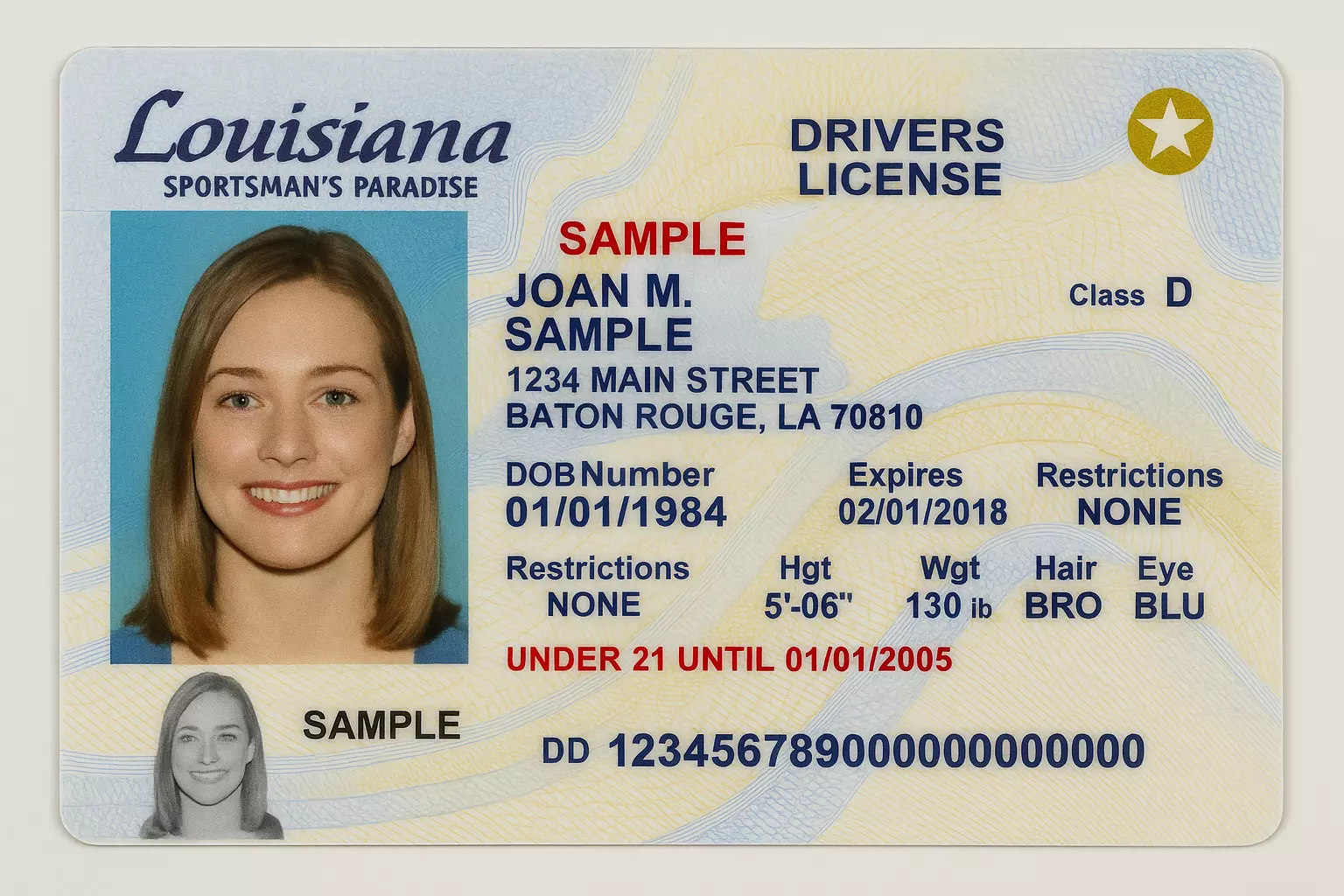
This comprehensive guide will break down everything you need to know about securing your Real ID in Louisiana, including the associated costs, required documentation, the application process, and why this seemingly bureaucratic step is crucial for modern travel and lifestyle. We’ll delve into the federal mandates, clarify the financial investment, and offer practical advice to make your application experience as smooth as possible, ensuring your future adventures, whether for leisure or business, remain unimpeded.
Understanding the Real ID Act and Its Importance for Louisiana Residents
The concept of a Real ID might seem like a recent development, but its origins trace back to a critical juncture in United States history. The Real ID Act, passed by Congress in 2005, was a direct response to the September 11, 2001 terrorist attacks. Its primary goal was to establish minimum security standards for state-issued driver’s licenses and identification cards, thereby enhancing national security by making it harder for individuals to obtain fraudulent identification. This federal law essentially mandates that all states issue identification that meets stringent security requirements if they are to be accepted for specific federal purposes.
For residents of Louisiana, like those across America, understanding the genesis and implications of the Real ID Act is paramount. It’s not merely about getting a new card; it’s about adhering to a nationwide security protocol designed to protect the integrity of our identification systems. The implementation of the Real ID has been a phased approach, giving states ample time to adapt their systems and educate their citizens. Now, with the final deadline approaching, the urgency has increased significantly, particularly for those who frequently travel or need to access secure federal facilities.
What is a Real ID and Why Was It Created?
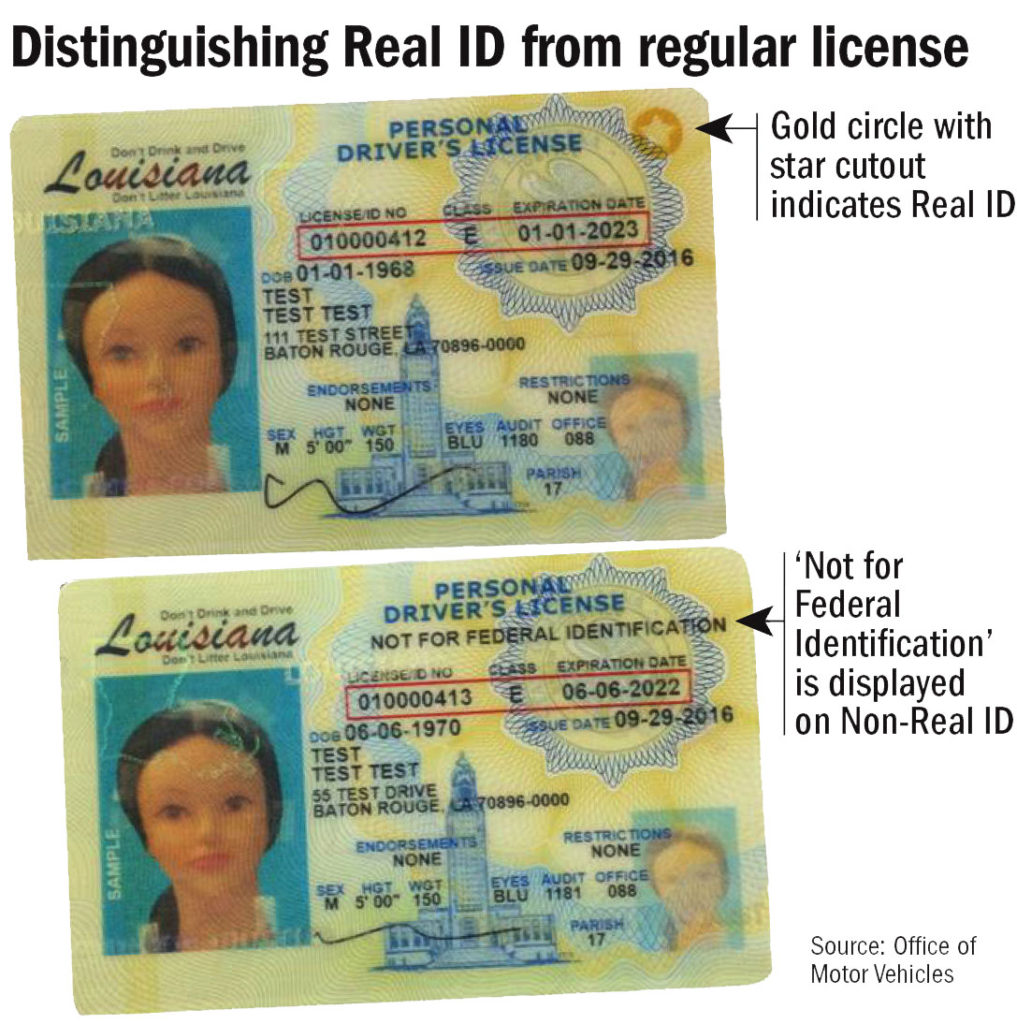
At its core, a Real ID is a driver’s license or state identification card that signifies it has been issued in compliance with the security standards set forth by the Real ID Act. This means that to obtain one, applicants must present a greater number of verified documents than for a standard license, proving their identity, legal status, Social Security Number, and residential address. Once issued, a Real ID card is distinguishable by a star symbol, usually located in the upper right-hand corner, signifying its federal compliance.
The creation of the Real ID Act stemmed from the findings of the 9/11 Commission, which recommended that the federal government establish standards for the issuance of sources of identification, such as driver’s licenses. The U.S. Department of Homeland Security (DHS) was tasked with overseeing its implementation, working with states to upgrade their processes and technology to meet these new, rigorous benchmarks. The aim was to prevent individuals from easily obtaining multiple IDs under different names or using fraudulent documents, thus bolstering homeland security. For Louisiana, this has meant significant adjustments to the Office of Motor Vehicles (OMV) procedures, affecting every resident who wishes to maintain unrestricted access to travel and federal services.
The Critical Role of Real ID in Modern Travel and Access
Perhaps the most significant impact of the Real ID Act for the average citizen, particularly for those who enjoy or require travel, is its mandatory use for domestic air travel. Starting on May 7, 2025, individuals aged 18 and older will need a Real ID compliant driver’s license or state identification card, or another acceptable form of identification such as a U.S. Passport or Passport Card, to board federally regulated commercial flights. This critical deadline means that without a compliant ID, your domestic flight plans could be grounded, directly affecting your ability to reach destinations for family visits, business meetings, or leisure tourism.
This requirement, enforced by the Transportation Security Administration (TSA), underscores the Real ID’s importance for any form of internal air travel within the United States. Imagine planning a relaxing vacation to New Orleans, a business trip to Baton Rouge, or visiting relatives in Shreveport or Lafayette; without a Real ID or an alternative, your booking, accommodation plans, and entire itinerary could be jeopardized right at the airport security checkpoint.
Beyond air travel, a Real ID is also necessary to gain access to certain federal facilities, including military bases, federal courthouses, and other secure government installations. For individuals working with or visiting these institutions, a compliant ID ensures smooth entry, avoiding potential delays or denial of access. This makes the Real ID an indispensable tool for a broad spectrum of Louisiana residents, impacting not just leisure travel but also professional and personal access to various governmental services and locations. For those considering long-term stays, frequent business trips, or exploring local culture, having a Real ID ensures an uninterrupted lifestyle and seamless engagement with the nation’s infrastructure.
Navigating the Real ID Application Process in Louisiana
Acquiring a Real ID in Louisiana is a structured process designed to verify your identity thoroughly. While it requires gathering several documents, understanding the requirements beforehand can significantly streamline your visit to the Office of Motor Vehicles (OMV). The state’s OMV is the sole authority for issuing these federally compliant cards, and they adhere strictly to the guidelines set by the U.S. Department of Homeland Security. Preparing in advance ensures that you can successfully complete your application on your first attempt, saving valuable time and preventing the frustration of multiple visits.
The application journey involves demonstrating proof of identity, legal presence in the United States, your Social Security Number, and your current residential address. This stringent verification process is what gives the Real ID its enhanced security standing and makes it a reliable form of identification for federal purposes. For residents across cities like New Orleans, Baton Rouge, Lake Charles, and Monroe, the process is uniform, requiring meticulous attention to detail regarding the necessary paperwork.
Documents You’ll Need to Secure Your Real ID
One of the most critical steps in obtaining a Real ID is compiling the correct documentation. The Louisiana OMV requires original documents or certified copies (photocopies are generally not accepted). Here’s a breakdown of the categories of documents you will need:
- Proof of Identity and Legal Presence: This is arguably the most vital category. You must provide one document from this list. Acceptable forms include an original or certified copy of your birth certificate (issued by a government agency), a valid, unexpired U.S. Passport or Passport Card, or a Consular Report of Birth Abroad. For non-U.S. citizens, valid foreign passports with approved visas and I-94 forms, Permanent Resident Cards (Green Cards), or other Department of Homeland Security (DHS) documents verifying lawful status are required.
- Proof of Social Security Number (SSN): You will need to present one document that clearly displays your full Social Security Number. This could be your original Social Security Number card, a W-2 form (from the current or previous year), an SSA-1099 form, a non-SSA-1099 form, or a pay stub that includes your name and full SSN. The name on this document must match your identity document.
- Proof of Residency: To confirm your current address in Louisiana, you’ll need two different documents that show your name and current physical street address. Post office boxes are not accepted. Common examples include recent utility bills (electricity, water, gas), current bank statements, a rental agreement or lease, a mortgage statement, vehicle registration, or a voter registration card. The documents must be recent, typically within the last 60-90 days.
- Proof of Signature: Your current Driver’s License or State ID Card will generally suffice to provide a verifiable signature.
- Proof of Name Change (if applicable): If the name on your identity document (e.g., birth certificate) does not match your current legal name, you must provide documentation of all legal name changes. This includes certified copies of marriage licenses, divorce decrees, adoption papers, or a court order for a name change. Each name change must be documented to show a clear “trail” from your birth name to your current legal name.
It is highly recommended to visit the official Louisiana OMV website before your visit to access the most current list of acceptable documents and potentially use their interactive checklist to ensure you have everything needed.
Where and How to Apply: A Step-by-Step Guide
Once you have meticulously gathered all your required documents, the next step is to visit a Louisiana Office of Motor Vehicles (OMV) location. While walk-ins are often accommodated, many OMV offices, particularly in larger cities like New Orleans and Baton Rouge, strongly recommend or even require appointments to manage customer flow and reduce wait times. Checking the specific OMV location’s website or calling ahead is a wise move.
The application procedure typically involves these steps:
- Schedule an Appointment (Recommended): Use the OMV’s online system or call your local office to book a time slot. This can save you hours of waiting, particularly as the [May 7, 2025](https://lifeoutofthebox.com/may-7, 2025) deadline approaches and demand increases.
- Arrive with All Documents: Bring all original or certified copies of the required documents, as outlined above. Ensure they are organized and easily accessible.
- Complete the Application Form: You will fill out a Real ID application form provided at the OMV office.
- Verification and Photo: An OMV technician will review and verify your documents, scan them into their system, and take your photo for the new card. They may ask additional questions to confirm your identity.
- Pay the Fee: After successful verification, you will pay the applicable fee for your Real ID Driver’s License or State ID Card.
- Receive Temporary and Permanent ID: You will typically be issued a temporary paper Real ID at the office. Your permanent, hard plastic card will then be mailed to your residential address within a few weeks. It’s crucial to retain the temporary ID as proof of application for immediate use until your permanent card arrives.
For travelers, ensuring your ID is current and compliant is as important as booking your hotel or planning your itinerary. Having your Real ID in hand prevents last-minute travel disruptions, allowing you to focus on enjoying your trip, whether it’s a romantic getaway to New Orleans, a family adventure in Alexandria, or a business conference in Baton Rouge.
The Financial Aspect: Real ID Costs and Fees in Louisiana
Understanding the cost associated with obtaining a Real ID is a practical concern for many Louisiana residents. While the concept of a Real ID is federally mandated, the fees for issuing these cards are set by individual states. In Louisiana, the cost is integrated into the standard fees for a Driver’s License or State ID Card, meaning you won’t typically pay an additional fee solely for the “Real ID” designation itself. However, the specific amount you pay will depend on whether you are obtaining a new license, renewing an existing one, or simply converting your current license to a Real ID compliant version.
For most citizens, the financial outlay for a Real ID is relatively modest and is a necessary investment in ensuring unrestricted travel and access to federal facilities. It’s a small price to pay for the significant convenience and security it provides, especially when considering the potential disruptions and frustrations of being denied boarding at an airport or entry to a government building.
Breakdown of Standard Real ID Fees
In Louisiana, the fee structure for Driver’s Licenses and State ID Cards is periodically updated. As of current guidelines (and always subject to change, so verify with the OMV website for the latest figures), the costs are generally structured as follows:
- Standard Driver’s License (Class D/E) / Real ID Compliant:
- For a new issuance or renewal of a 6-year license, the fee is typically around $32.25. This includes a service fee, administrative fee, and usually a technology fee.
- For those aged 70 and older, a 4-year license is offered at a reduced rate, typically around $18.75.
- State ID Card / Real ID Compliant:
- A State ID Card, which serves as official identification for non-drivers, usually costs around $18.00 for 6 years.
- Duplicate or Replacement Real ID: If your Real ID is lost, stolen, or damaged, you’ll need to apply for a duplicate. The fee for a duplicate Driver’s License or State ID Card is generally around $13.00.
It’s important to note that these fees are for the card itself and reflect the costs associated with the state’s administrative processes, security features, and printing. The Louisiana OMV typically accepts various payment methods, including cash, checks, money orders, and major credit/debit cards, though it’s always wise to confirm acceptable payment methods at your specific OMV location. For anyone planning travel or requiring access to federal buildings, these are the base costs to factor into your preparations.
Potential Additional Costs and Considerations
While the primary fee for a Real ID is straightforward, there can be indirect or additional costs that individuals might encounter during the application process:
- Cost of Obtaining Supporting Documents: If you don’t have all the necessary original documents (e.g., your birth certificate or marriage license), you might incur fees to obtain certified copies from vital records offices or other government agencies. These fees can vary, but a certified birth certificate can cost anywhere from $10 to $30 or more, depending on the issuing state and county.
- Photography Fees: While the photo for your Real ID is typically included in the overall fee at the OMV, some commercial services might charge for passport-style photos if you mistakenly think you need to bring one (you generally don’t, as it’s taken at the OMV).
- Transportation Costs: Depending on your location within Louisiana, you might incur costs for transportation to and from the nearest OMV office, particularly for those in rural areas or without personal vehicles.
- Time Off Work: For many, the most significant “cost” might be the time taken off work to visit the OMV, which can range from a few hours to half a day, especially without an appointment.
When comparing the cost of a Real ID to alternatives, a U.S. Passport book costs significantly more (currently $130 for routine processing, plus a $35 execution fee), though it offers international travel capabilities not provided by a Real ID. A Passport Card is a more affordable alternative for domestic air travel and land/sea travel to contiguous territories (currently $30, plus a $35 execution fee if not applying with a book). However, for many Louisiana residents, updating their Driver’s License to a Real ID compliant version during their regular renewal cycle is the most cost-effective and convenient solution. It’s an investment in uninterrupted travel, allowing you to confidently book flights for your dream destinations or essential business engagements.
Real ID Alternatives and Future-Proofing Your Travel Plans
While securing a Real ID is the most straightforward path for many Louisiana residents to comply with federal identification standards, it’s not the only option. The Real ID Act specifies a list of alternative acceptable documents that the Transportation Security Administration (TSA) will honor for domestic air travel and entry into federal facilities. Understanding these alternatives is crucial for individuals who may not wish to obtain a Real ID or who already possess other forms of compliant identification. This flexibility ensures that, regardless of your preferred method, your travel plans and access remain secure and uninterrupted.
For those who frequently travel internationally, a U.S. Passport is already a necessity and serves as a perfectly acceptable alternative. However, for domestic travelers who rarely venture abroad, weighing the convenience and cost-effectiveness of a Real ID against other options is a key part of future-proofing their lifestyle and travel experiences. Whether you’re planning a trip to a vibrant New Orleans festival, a serene retreat in Lake Charles, or a family reunion across the country, having appropriate identification is your ticket to seamless journeys.
Acceptable Forms of Identification for Domestic Travel
Beyond the Real ID compliant Driver’s License or State ID Card, the TSA accepts several other forms of identification. These alternatives offer solutions for various travel needs and personal preferences:
- U.S. Passport: A valid, unexpired U.S. Passport book is the gold standard for identification, not only enabling international travel but also serving as a fully compliant document for all domestic federal purposes, including air travel.
- Passport Card: The Passport Card is a wallet-sized alternative to the passport book. It is valid for entry into the United States by land or sea from Canada, Mexico, the Caribbean, and Bermuda. Crucially, it is also accepted by the TSA for domestic air travel.
- Military Identification: Active-duty U.S. military identification cards, as well as cards for military dependents and retired military personnel, are accepted. This is particularly relevant for service members and their families in Louisiana who may be traveling to or from federal facilities like military bases.
- DHS Trusted Traveler Cards: Programs like Global Entry and TSA PreCheck provide cardholders with accepted forms of identification. These programs not only offer compliant IDs but also expedite security screening processes, enhancing the travel experience for frequent flyers.
- Federally Recognized Tribal IDs: Some tribal identification cards are also accepted, provided they meet specific federal requirements.
- Other State-Issued IDs: While a non-Real ID compliant Driver’s License will not be accepted, some other specific state-issued IDs, such as Enhanced Driver’s Licenses (EDLs) from certain states (not currently offered in Louisiana), are accepted. These EDLs are typically marked with a flag or special indicator.
It is always advisable to consult the official TSA website for the most up-to-date and complete list of acceptable identification documents before any travel.
Planning Ahead: Why Procrastination Could Disrupt Your Journeys
The May 7, 2025 deadline might seem distant, but experience has shown that waiting until the last minute to secure required documents often leads to significant delays and stress. As the deadline approaches, OMV offices across Louisiana and the rest of the United States will likely experience a surge in applications, potentially leading to longer wait times, appointment backlogs, and processing delays for permanent cards. This could have a direct and disruptive impact on your travel plans.
For Louisiana’s vibrant tourism industry, which thrives on both domestic and international visitors, ensuring residents are aware and compliant is essential. Many of Louisiana’s most iconic destinations, from the historic streets of New Orleans to the natural beauty around Lake Charles and the cultural richness of Lafayette, are often accessed via air travel. If residents neglect to update their ID, it could cause personal inconvenience and, on a broader scale, potentially affect the smooth flow of tourism.
Furthermore, consider the lifestyle implications. A Real ID ensures you have a universally accepted form of identification for various situations beyond travel. From booking accommodations to renting a car for a scenic drive through Louisiana’s parishes, having a compliant ID simplifies many aspects of daily life and leisure. For families planning trips, business professionals needing to travel for meetings, or individuals simply visiting loved ones, a Real ID provides certainty and convenience. Proactive planning today guarantees that your future journeys, whether for personal enrichment, family connection, or professional advancement, remain seamless and stress-free, solidifying your ability to explore the world, one destination at a time. Don’t let an expired or non-compliant ID be the unexpected roadblock in your next adventure.
LifeOutOfTheBox is a participant in the Amazon Services LLC Associates Program, an affiliate advertising program designed to provide a means for sites to earn advertising fees by advertising and linking to Amazon.com. Amazon, the Amazon logo, AmazonSupply, and the AmazonSupply logo are trademarks of Amazon.com, Inc. or its affiliates. As an Amazon Associate we earn affiliate commissions from qualifying purchases.