
The question “Is Louisiana a Democratic State?” is far more complex than a simple yes or no, especially when viewed through the lens of travel, tourism, and lifestyle. While political leanings often define a region in broad strokes, Louisiana’s identity is a rich tapestry woven from centuries of diverse cultures, unique histories, and a resilient spirit that transcends partisan labels. For the discerning traveler, understanding this multifaceted character enriches the experience, revealing how historical shifts and demographic diversity have shaped not only the state’s political landscape but also its vibrant local culture, stunning landmarks, and distinct lifestyle offerings. This article explores Louisiana’s political complexion not as a dry analysis, but as an integral part of what makes the Pelican State an unparalleled destination for those seeking authentic experiences. From the bustling streets of New Orleans to the tranquil Bayou country, the political undercurrents, whether explicitly acknowledged or subtly felt, contribute to the unique flavor of Louisiana tourism.
The Shifting Sands of Louisiana’s Political Landscape and its Cultural Reflections
To truly grasp Louisiana’s political identity, one must delve into its profound historical roots and the cultural crossroads that have defined it. The state’s political leanings have never been monolithic, evolving significantly over centuries, much like its celebrated music and culinary traditions. This historical ebb and flow is intrinsically linked to the distinct travel experiences visitors can discover today.
Historical Roots and Cultural Crossroads
Louisiana’s story begins with a unique blend of French and Spanish colonization, leaving an indelible mark that sets it apart from other states in the USA. The French influence, particularly in New Orleans and Acadiana, fostered a more liberal, cosmopolitan outlook compared to the Anglo-Protestant traditions that dominated the rest of the Deep South. This early divergence created a unique cultural identity that often manifested in differing political viewpoints.
During the antebellum period, Louisiana was a slave state with a powerful planter class, aligning it with the conservative forces of the South. However, even then, New Orleans stood out as a relatively more diverse and tolerant urban center. Following the Civil War and Reconstruction, the state largely became a Democratic stronghold, not in the modern sense of the Democratic Party, but as part of the “Solid South” where the party represented white Southern interests, often associated with the Jim Crow era.
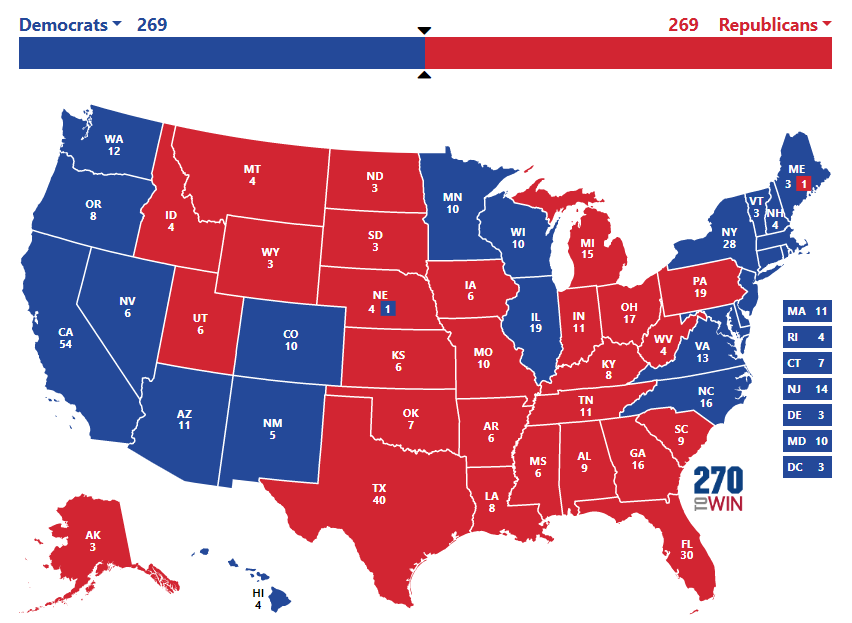
The mid-20th century brought significant change with the Civil Rights Movement and shifting national political alignments. Many white conservatives in the South began migrating to the Republican Party, a trend that accelerated in Louisiana from the 1960s onwards. Today, while the state has a long history of electing populist Democrats, particularly at the state level, it consistently votes Republican in presidential elections. This complex history means that a traveler exploring the historical plantations, the French Quarter’s antebellum architecture, or the civil rights landmarks, is witnessing the physical manifestations of these political and social shifts. The very spirit of rebellion and cultural independence, often associated with its historical fight against external pressures, resonates in both its political past and its enduring charm for tourists.
Demographic Diversity and Regional Variations
Louisiana’s political landscape is not uniform; it varies significantly by region, reflecting diverse demographics and cultural traditions. These regional differences are precisely what make a travel itinerary through the state so rewarding, offering a spectrum of experiences.
- New Orleans and Greater New Orleans: Often considered the most liberal part of the state, New Orleans is a diverse, cosmopolitan hub. Its vibrant arts scene, progressive policies, and diverse population (including significant African American and Creole communities) historically lean Democratic. For tourists, this translates into a rich cultural experience, from jazz clubs to historic neighborhoods like the Garden District and French Quarter, with a palpable sense of freedom and celebration that often accompanies more liberal urban environments.
- Acadiana (Cajun Country): This southwestern region, centered around cities like Lafayette and Houma, is known for its distinct Cajun culture. Historically, Cajun communities, largely Catholic and working-class, were strong Democrats. However, like many rural areas, there has been a significant shift towards the Republican Party in recent decades, while still maintaining a strong sense of local identity and cultural preservation. Travelers here experience the unique hospitality, food, and music (Zydeco, Cajun music) that define this region, often intertwined with a deep-rooted sense of tradition that can sometimes align with conservative values.
- North Louisiana: Dominated by cities like Shreveport, Monroe, and Alexandria, this region shares more cultural and political similarities with neighboring states like Arkansas and Mississippi. It is generally more conservative and heavily Republican, particularly in presidential elections. The tourism here often focuses on outdoor activities, historical sites related to the Civil War, and a more traditional Southern experience, reflecting its distinct political leanings and demographic makeup.
- Baton Rouge and the River Parishes: As the state capital, Baton Rouge often reflects a blend of urban diversity and more conservative suburban and rural influences. It’s home to Louisiana State University (LSU), which brings a younger, more liberal demographic, but also a significant population with strong ties to the oil and gas industry and traditional Southern values. The area offers a mix of urban attractions, historical plantations, and access to the Mississippi River, showcasing the state’s diverse appeal.
These regional differences highlight that Louisiana is not a single political entity, but a collection of distinct communities, each offering a unique cultural experience that is subtly shaped by its residents’ values and political affiliations.
Lifestyle and Local Culture: Beyond the Ballot Box
While political leanings contribute to the fabric of Louisiana, the state’s vibrant lifestyle and local culture often transcend partisan divisions, uniting communities and attracting visitors from around the globe. These cultural hallmarks are arguably the biggest draw for tourism, offering experiences that are universally cherished.
The Spirit of Celebration: Festivals and Community
One of Louisiana’s’ most defining characteristics is its unrivaled spirit of celebration. From world-famous events to intimate local gatherings, festivals are ingrained in the state’s lifestyle and are monumental drivers of tourism. Mardi Gras in New Orleans, for instance, is a global phenomenon where people from all walks of life, regardless of their political beliefs, come together to revel in music, parades, and communal joy. This tradition of revelry is not confined to the urban centers; rural communities celebrate Cajun Mardi Gras with unique horseback rides and communal gumbos, showcasing a shared cultural heritage.
Beyond Mardi Gras, events like the New Orleans Jazz & Heritage Festival (Jazz Fest), Festival International de Louisiane in Lafayette, and the Essence Festival in New Orleans draw millions annually. These festivals are not just tourist attractions; they are integral to the local lifestyle, fostering community, preserving traditions, and offering a platform for artistic expression that often transcends political differences. The collective resilience and joy exhibited during these celebrations, particularly evident in the recovery efforts after events like Hurricane Katrina, speak to a spirit that binds Louisianans together, making it a welcoming place for visitors seeking genuine cultural immersion.
Culinary Traditions and Hospitality
Louisiana’s food scene is legendary and serves as a powerful unifying force across its diverse regions. Cajun and Creole cuisines are celebrated worldwide, drawing food enthusiasts to experience authentic flavors firsthand. Whether it’s a bowl of spicy gumbo, rich jambalaya, fresh seafood from the Gulf of Mexico, or beignets at Cafe Du Monde, the food here is an art form and a way of life.
The hospitality in Louisiana is often described as warm and inviting, a cornerstone of its tourism appeal. Locals take immense pride in sharing their culinary heritage and cultural traditions with visitors. This extends to the various accommodations available, from charming bed and breakfasts in historic districts to luxury hotels in New Orleans, all aiming to provide an authentic taste of Louisiana. The emphasis on family, tradition, and good food often overshadows any underlying political distinctions, creating a universally appealing environment for visitors. Even the iconic Tabasco sauce, produced on Avery Island, symbolizes a universally loved flavor that originated in the heart of Cajun country.
Music and Arts: A Universal Language
The state is the birthplace of jazz, a fertile ground for blues, and the home of Zydeco and Cajun music. This rich musical heritage is not just a backdrop; it’s an active, living part of the local lifestyle. Venues like Preservation Hall in New Orleans offer intimate jazz experiences, while dance halls across Acadiana invite visitors to two-step to Zydeco bands. The music scene, much like the food, provides a universal language that transcends political divides, fostering a sense of shared identity and celebration.
Art galleries, street performers, and vibrant murals contribute to the artistic fabric of cities like New Orleans and Lafayette. These artistic expressions reflect the diverse history and contemporary spirit of the state, often conveying messages of resilience, joy, and community. For tourists, immersing themselves in Louisiana’s music and art scene offers a profound connection to its soul, providing experiences that are both entertaining and deeply meaningful, irrespective of the state’s political leanings.
Travel and Tourism: Experiencing Louisiana’s Unique Blend
For travelers, the real answer to “Is Louisiana a Democratic state?” lies in understanding how its complex political identity manifests in the myriad travel and tourism experiences available. The interplay of urban and rural, historical and contemporary, shapes the types of attractions, accommodations, and adventures visitors can expect.
Urban Charms vs. Rural Escapes
Louisiana’s travel appeal is heightened by the striking contrast between its vibrant urban centers and serene rural landscapes.
- Urban Charms: Cities like New Orleans offer an immersive experience into a more progressive and historically liberal urban culture. Visitors can explore the architectural wonders of the French Quarter, marvel at St. Louis Cathedral overlooking Jackson Square, ride a historic Streetcar, or delve into history at the National WWII Museum. The city’s accommodation options range from boutique hotels in historic buildings to grand resorts along the Riverwalk. The lifestyle here is fast-paced, deeply cultural, and overtly celebratory, echoing the city’s long-standing independent spirit.
- Rural Escapes: Moving beyond the cities, travelers enter a world of tranquil beauty and deep-rooted traditions. The Bayou country offers unique Swamp Tours where visitors can encounter local wildlife and experience the untouched natural beauty of the Atchafalaya Basin. Plantation Tours at sites like Oak Alley Plantation or Laura Plantation provide a sobering yet crucial look into the state’s complex history, particularly relevant to its past conservative leanings. Accommodation in these areas often includes charming bed and breakfasts or secluded cabins, offering a peaceful retreat that stands in stark contrast to urban bustle.
These diverse environments cater to different traveler preferences, with each region’s character shaped by its unique history, demographics, and, implicitly, its political and social evolution.
Preserving Landmarks and Heritage
The political priorities of a state inevitably influence its commitment to preserving historical landmarks and natural heritage, which are vital for tourism. In Louisiana, regardless of the party in power, there’s a widely shared understanding of the economic and cultural value of its unique heritage. Efforts to restore the French Quarter after Hurricane Katrina received bipartisan support, recognizing its importance as a national treasure and tourism engine.
State and local agencies, often guided by conservation and historical preservation mandates, work to maintain sites like Audubon Park, City Park, the Audubon Zoo, and the Audubon Aquarium of the Americas. These attractions not only draw visitors but also educate them about Louisiana’s natural and historical significance. The political will to fund and protect these landmarks ensures their continued accessibility and appeal to tourists, demonstrating a shared commitment that transcends party lines when it comes to the state’s most cherished assets.

Accommodation and Visitor Experience
The spectrum of accommodations and visitor experiences in Louisiana reflects its diverse regions. In politically more liberal urban centers like New Orleans, travelers find a wide array of hotels, from luxury resorts on Bourbon Street to bohemian guesthouses. The service might be more open, eclectic, and tailored to a cosmopolitan clientele, with a focus on vibrant nightlife and diverse culinary adventures, perhaps even reflecting a more progressive approach to hospitality and tourism.
Conversely, in more conservative rural areas like Natchitoches or around Lake Charles, accommodation might lean towards traditional Southern charm, family-run establishments, and experiences rooted in local history and outdoor activities. The emphasis might be on a slower pace, heartfelt hospitality, and a connection to nature. This variety ensures that every traveler can find an experience that resonates with their preferences, implicitly navigating the cultural nuances that are, in part, shaped by the region’s political character.
Ultimately, whether one considers Louisiana a Democratic state or a Republican one, or a blend of both, its political identity is but one thread in its richly woven fabric. For the traveler, this complexity translates into a dynamic and endlessly fascinating destination. Louisiana offers a journey through history, culture, and nature that is uniquely its own, where the spirit of its people and the beauty of its landscapes far outweigh any simple political classification. It remains a captivating place where every visit uncovers new layers of charm, resilience, and unparalleled hospitality.
LifeOutOfTheBox is a participant in the Amazon Services LLC Associates Program, an affiliate advertising program designed to provide a means for sites to earn advertising fees by advertising and linking to Amazon.com. Amazon, the Amazon logo, AmazonSupply, and the AmazonSupply logo are trademarks of Amazon.com, Inc. or its affiliates. As an Amazon Associate we earn affiliate commissions from qualifying purchases.