
The political question of whether Louisiana leans “red” or “blue” in 2023 is a nuanced one, often painted in broad strokes by national media. While electoral maps and recent election results might suggest a predominantly “red” state, especially at the statewide and federal levels, a deeper dive into Louisiana’s vibrant tapestry reveals a more complex and colorful identity. Beyond political affiliations, Louisiana is a state defined by its unparalleled culture, rich history, diverse landscapes, and an incredible array of travel and tourism experiences that transcend simple partisan labels. For those planning a visit, understanding the state through the lens of its local communities, unique destinations, and the distinctive lifestyles of its people offers far more insight than any political map. This article explores Louisiana’s multifaceted character, inviting travelers to discover its true colors, which are far more varied and engaging than just red or blue.
Unpacking Louisiana’s Political Palette: Beyond the Ballot Box
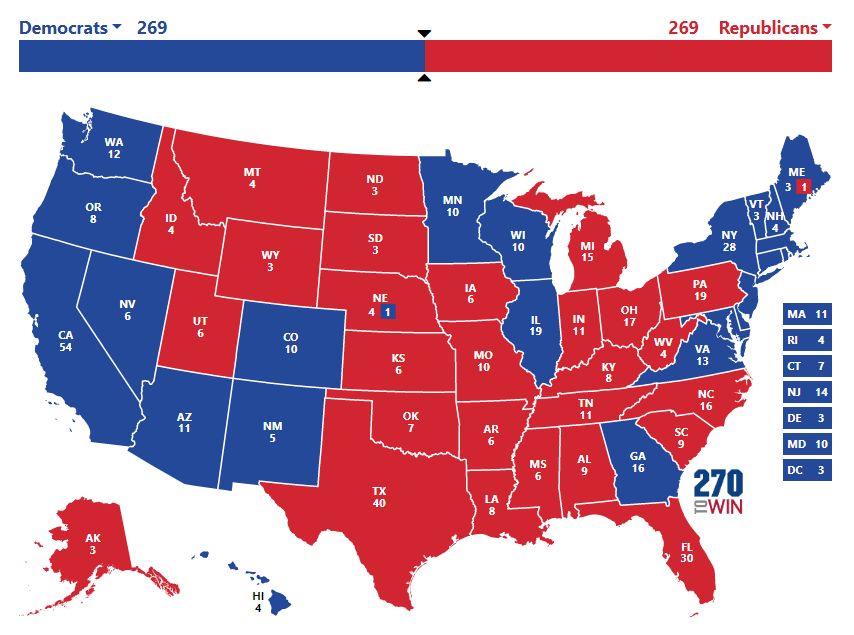
Understanding Louisiana’s political leanings in 2023 requires looking beyond simple election outcomes and considering the diverse socio-economic and cultural factors that shape its identity. While the state has generally trended Republican in recent years for presidential and many statewide races, there are significant pockets of Democratic strength, creating a complex and intriguing political mosaic that mirrors its cultural diversity. This political landscape, while not directly influencing every aspect of tourism, subtly shapes the local lifestyle, policies, and general atmosphere in various regions.
A State of Contrasts: Urban Hubs vs. Rural Strongholds
The political geography of Louisiana is marked by a clear distinction between its major urban centers and its vast rural areas. Cities like New Orleans and Baton Rouge typically lean “blue,” characterized by diverse populations, a more liberal social outlook, and a strong Democratic voter base. New Orleans, in particular, is a global beacon of culture, known for its progressive arts scene, vibrant nightlife, and inclusive community, which often aligns with “blue” state values. Baton Rouge, as the state capital, also exhibits a significant Democratic presence, fueled by its role as an educational and government hub.
Conversely, much of rural Louisiana, particularly the northern parishes and central Cajun Country (outside of certain metropolitan areas), leans heavily “red.” These regions often uphold more conservative values, rooted in strong agricultural traditions, a prominent oil and gas industry, and deeply held religious beliefs. This political divide isn’t merely about voting patterns; it influences local ordinances, social norms, and even the pace of life. For travelers, this means encountering different vibes and expectations as they move from the bustling, liberal streets of New Orleans to the quiet, traditional towns of North Louisiana or the fishing communities along the Gulf Coast. Understanding these nuances can enhance a visitor’s appreciation for the state’s genuine diversity, offering a richer context for exploring its local culture, food, and experiences.
Political Identity and Economic Realities
While political identity is often discussed in terms of social and cultural values, it also intertwines with economic realities. Louisiana’s economy is historically driven by oil and gas, agriculture (sugarcane, rice, cotton), and fishing. These industries, often associated with traditional conservative policies, play a significant role in the state’s “red” leanings. However, tourism represents a powerful, unifying economic force that transcends political divisions. From the French Quarter of New Orleans to the historic plantation tours along the Mississippi River and the natural beauty of the bayous, tourism creates jobs, supports local businesses, and brings vital revenue to communities across the entire state, regardless of their political hue.
State policies, influenced by the prevailing political climate, can impact tourism infrastructure, conservation efforts, and funding for cultural initiatives. For example, decisions regarding coastal restoration, a critical issue for a state grappling with land loss, often involve complex political negotiations that impact both residents and the natural landmarks that draw visitors. While a visitor might not directly engage with these political discussions, their impact can be seen in the maintenance of state parks, the preservation of historic sites, and the promotion of cultural festivals that are integral to the Louisiana experience.
Louisiana as a Tourist Destination: A Spectrum of Experiences
Regardless of its political leanings, Louisiana remains an irresistible magnet for travelers worldwide, offering a spectrum of experiences as diverse as its political map. The state’s enduring appeal lies in its unique blend of influences—French, Spanish, African, and Native American—that have fused to create a distinct identity found nowhere else in the United States. From vibrant urban attractions to serene natural landscapes and profound historical sites, Louisiana truly offers something for every type of traveler.
The Iconic Blue Heart: New Orleans’ Enduring Appeal
At the forefront of Louisiana’s tourism scene is New Orleans, often considered the state’s cultural “blue” heart. This iconic city is a globally recognized destination, famous for its vibrant music scene, particularly jazz music, which permeates every corner of the French Quarter and beyond. Visitors flock to Bourbon Street for its lively atmosphere, but the city’s charm extends to historic architecture, world-class food scene with Creole and Cajun influences, and legendary events like Mardi Gras.
New Orleans offers a wide array of accommodation options, from grand historic hotels like The Roosevelt New Orleans and Hotel Monteleone to charming boutique stays in the Garden District and bed and breakfasts in Faubourg Marigny. Whether seeking luxury travel in a suite with historic flair or a more budget travel friendly apartment rental, the city caters to all preferences. Beyond the parties, visitors can explore cultural landmarks such as St. Louis Cathedral, the historic Jackson Square, and countless museums dedicated to Louisiana’s rich heritage.
Exploring the Redder Hues: Plantation Country and Outdoor Adventures
Moving away from the urban centers, visitors encounter regions often perceived as “redder” in terms of voting patterns, yet these areas are equally rich in tourism offerings. Plantation Country, stretching along the Mississippi River between New Orleans and Baton Rouge, is home to iconic landmarks like Oak Alley Plantation and Laura Plantation. These sites offer profound historical insights into the antebellum South, inviting reflection on a complex past. The architecture and meticulously preserved grounds provide a stark contrast to the lively city, focusing instead on heritage and landscape.
Further into rural Louisiana, the focus shifts to outdoor adventures. Bayou tours and swamp tours reveal the state’s unique ecosystem, where visitors can encounter alligators, diverse wildlife, and the serene beauty of moss-draped cypress trees. Fishing and hunting lodges abound in coastal areas and North Louisiana, catering to those seeking an active lifestyle. Resorts and cabins in areas like Grand Isle or near state parks offer peaceful accommodations for nature enthusiasts. These regions, while politically distinct from the urban centers, contribute significantly to Louisiana’s overall appeal, offering experiences rooted in the state’s natural beauty and deep historical context.
The Neutral Ground: Lafayette and Cajun Country Charm
Cajun Country, with Lafayette as its unofficial capital, represents a cultural “neutral ground,” a vibrant region whose identity is less defined by strict political colors and more by its unique Cajun culture. This area is a melting pot of French Acadian heritage, famous for its lively Zydeco music, authentic Cajun food (think gumbo, jambalaya, and étouffée), and spirited dance halls called fais do-dos. Visitors here can immerse themselves in local culture through cooking classes, cultural festivals like the Festival International de Louisiane, and exploring nature in the Atchafalaya Basin, the largest river swamp in North America.
Lafayette offers a range of accommodation from modern hotels to quaint local guesthouses. Here, the focus is on genuine experiences rather than overt luxury. Budget travel options are plentiful, allowing visitors to savor the authentic Cajun lifestyle without breaking the bank. The region embodies a certain resilience and joy of life that transcends political leanings, inviting everyone to partake in its warmth and hospitality.
Navigating Louisiana: Practical Tips for Travelers
Exploring Louisiana offers an incredibly rewarding experience, and a little planning can ensure a smooth and memorable trip. From choosing the right place to stay to understanding the local lifestyle and activities, practical considerations are key to making the most of your visit to this diverse state.
Accommodation Choices Across the State
Louisiana presents a vast spectrum of accommodation options to suit every taste and budget. In New Orleans, you can indulge in luxury suites at historic hotels like the Omni Royal Orleans or stay in charming boutique apartments that offer a taste of local charm. For those seeking a more tranquil escape, picturesque bed and breakfasts can be found in historic towns such as Natchitoches, the oldest permanent settlement in the Louisiana Purchase. Along the scenic byways and near state parks, cabins and villas offer rustic comfort and access to outdoor activities.
When planning your stay, utilize booking tips and consult reviews to find the perfect fit. Comparison websites can help you weigh options for amenities and locations. For extended stays, perhaps for a business stay or an immersive cultural experience, consider long-term stay apartments or even house rentals, which are particularly popular in cities like Baton Rouge and Shreveport. Whatever your preference, researching your accommodation in advance is essential, especially during peak travel seasons or major festivals.

Lifestyle and Experiences: Embracing Louisiana’s Unique Flavor
Louisiana’s diverse lifestyles mean that every region offers distinct experiences. In urban areas, food tours are a must-do, allowing you to sample everything from classic Creole dishes to modern Southern cuisine. Historical tours delve into the state’s complex past, covering topics from slavery to the origins of jazz. For those who prefer outdoor activities, fishing charters, kayaking through swamps, or birdwatching in national wildlife refuges offer unparalleled connection with nature.
Whether you’re planning a family trip with educational visits to museums and aquariums, a romantic getaway exploring the culinary scene, or a business stay that includes networking amidst cultural events, Louisiana provides a unique backdrop. Embrace the “laissez les bons temps rouler” (let the good times roll) philosophy, be open to trying new things, and engage with the friendly locals. The true essence of Louisiana isn’t found in political labels but in its vibrant communities, mouth-watering food, soulful music, and the welcoming spirit of its people.
In conclusion, while one might ask, “Is Louisiana a red or blue state in 2023?”, the more pertinent question for travelers is, “What vibrant hues of culture, history, and experience does Louisiana offer?” The answer is a kaleidoscope. From the unmistakably “blue” cultural vibrancy of New Orleans to the historically rich “red” landscapes of Plantation Country and the unique “purple” blend found in Cajun Country, Louisiana defies simple categorization. It is a state of contrasts and harmonies, a place where political leanings fade into the background against a backdrop of unparalleled travel destinations, world-class hotels, unforgettable tourism activities, and a lifestyle that is truly its own. Come explore Louisiana and discover its myriad colors for yourself.
LifeOutOfTheBox is a participant in the Amazon Services LLC Associates Program, an affiliate advertising program designed to provide a means for sites to earn advertising fees by advertising and linking to Amazon.com. Amazon, the Amazon logo, AmazonSupply, and the AmazonSupply logo are trademarks of Amazon.com, Inc. or its affiliates. As an Amazon Associate we earn affiliate commissions from qualifying purchases.