
Louisiana, often called the Pelican State, is a vibrant tapestry of culture, history, and unparalleled natural beauty. From the soulful jazz rhythms of New Orleans to the serene bayous of Cajun Country, it offers a travel experience unlike any other in the United States. As you meticulously plan your adventure to this captivating state, one crucial detail often overlooked yet profoundly impactful on your itinerary is understanding its time zone. Whether you’re a first-time visitor eager to delve into its unique traditions or a seasoned traveler returning for more, grasping Louisiana’s time zone ensures a smooth, stress-free, and fully immersive journey. This guide will illuminate the specific time zone governing Louisiana and, more importantly, how this knowledge can enhance every facet of your travel, accommodation, and tourism experiences within the state.
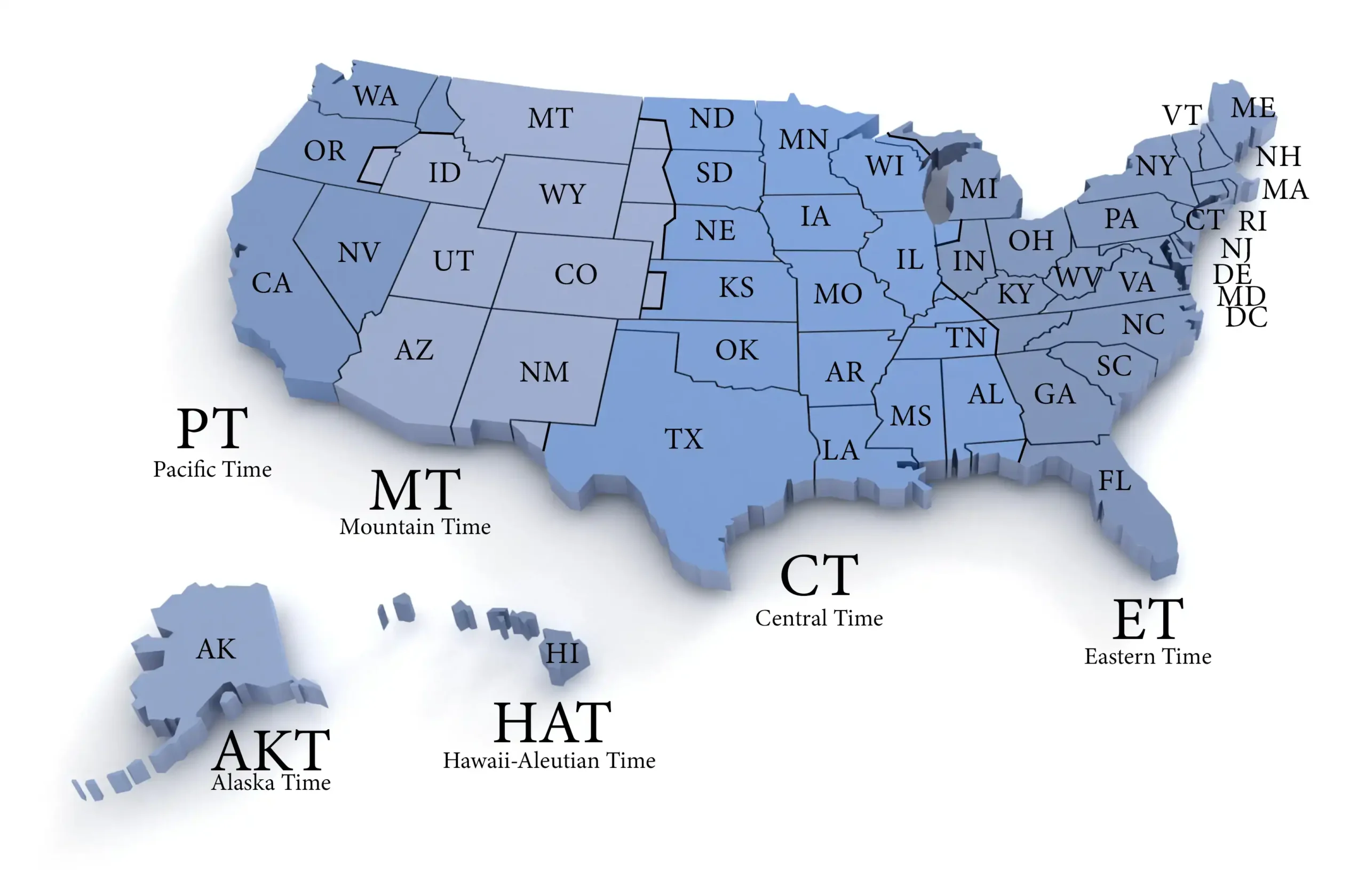
Understanding Central Standard Time (CST) in Louisiana
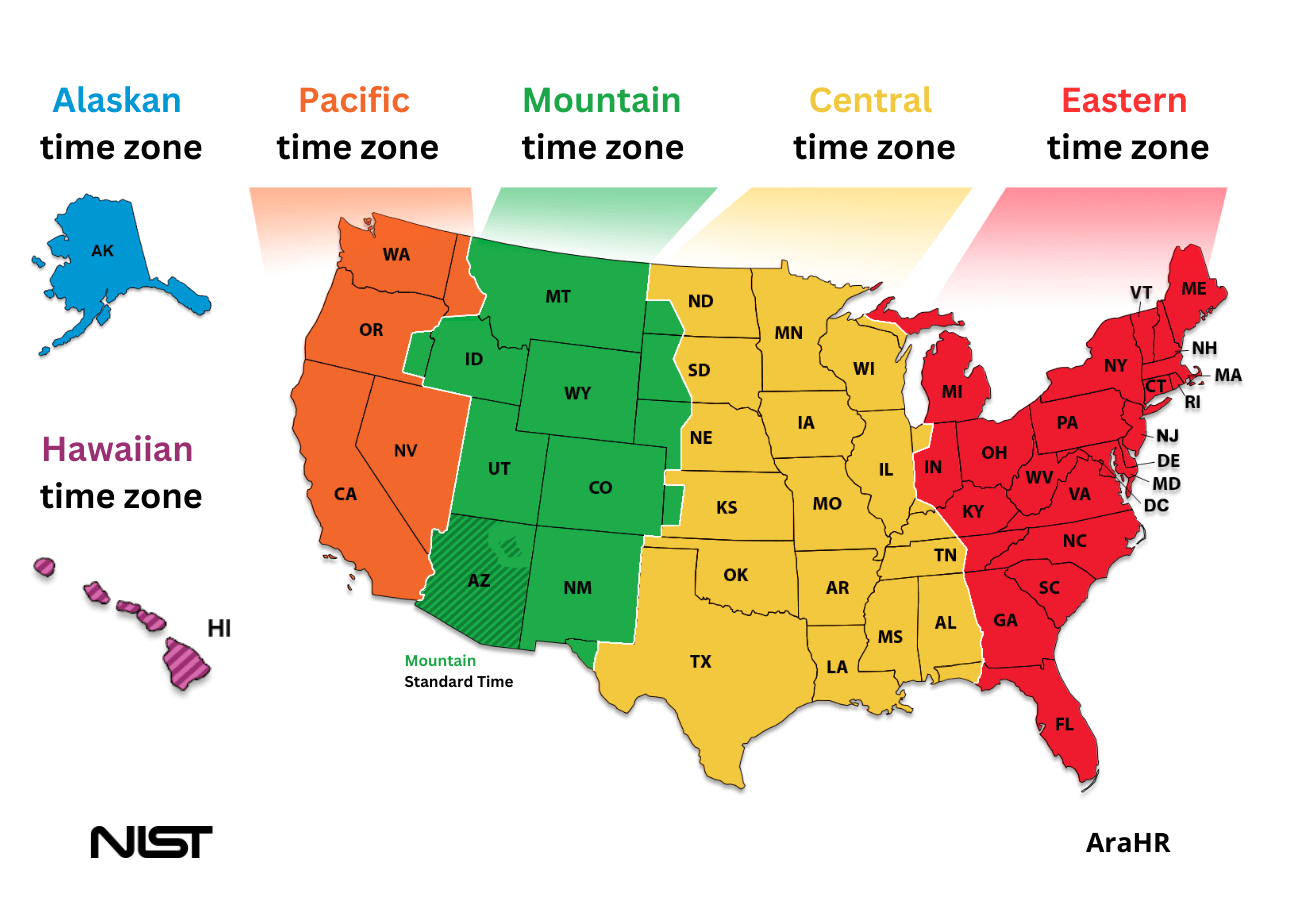
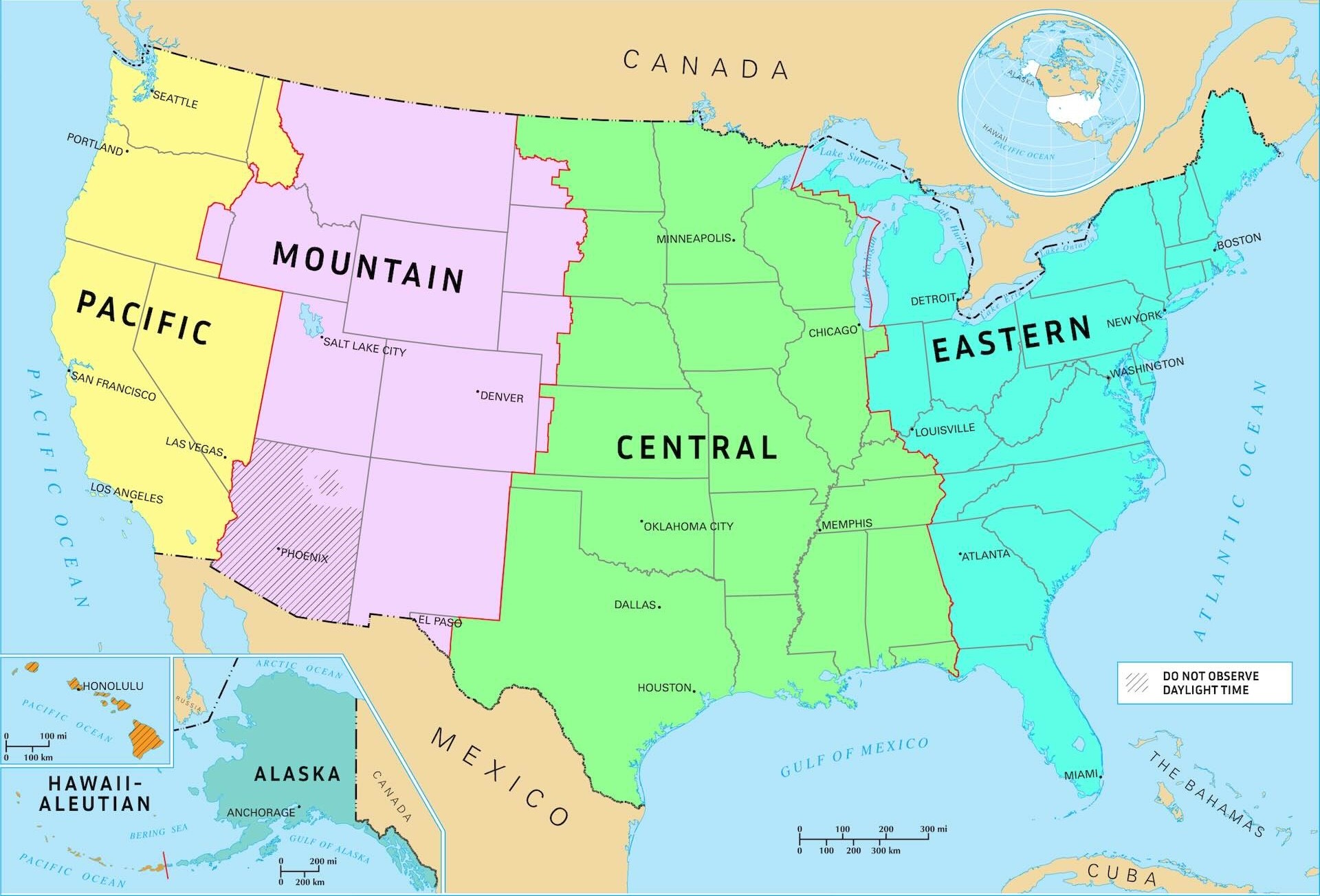
At its core, understanding Louisiana’s time zone is straightforward: the entire state observes Central Time. However, like most regions in the United States, this shifts seasonally with the observance of Daylight Saving Time.
The Basics of CST and CDT
For the majority of the year, from early November to mid-March, Louisiana operates on Central Standard Time (CST). This time zone is defined as six hours behind Coordinated Universal Time (UTC-6). This means that when it is noon UTC, it is 6:00 AM in Louisiana during CST months.
When Daylight Saving Time commences, typically on the second Sunday in March, Louisiana springs forward by one hour, switching to Central Daylight Time (CDT). During this period, which lasts until the first Sunday in November, the state is five hours behind Coordinated Universal Time (UTC-5). This adjustment allows for an extra hour of daylight in the evenings, a welcome change for both locals and tourists looking to extend their adventures.
Crucially, the entire state, from the bustling port city of Baton Rouge to the historic Shreveport in the north, and the vibrant Lafayette in Acadiana, adheres to this single time zone. This uniformity simplifies travel planning immensely, as you won’t need to worry about crossing internal time zone boundaries within Louisiana.
Why Time Zones Matter for Your Louisiana Trip
Understanding the nuances of CST and CDT is far more than just a trivial detail; it’s a cornerstone for seamless travel planning. For travelers arriving from different time zones, especially those on the East Coast (Eastern Time or ET) or the West Coast (Pacific Time or PT), anticipating the time difference is vital. A two-hour shift from ET or a two-hour gain from PT can impact everything from your arrival energy levels to your ability to make scheduled tours or dinner reservations.
For example, if you’re flying in from New York City (ET) to New Orleans (CST), an afternoon flight landing at 3:00 PM local time would have departed at 5:00 PM ET. This seemingly minor detail can affect everything from connecting flights to hotel check-in times. For international travelers, the adjustment can be even more significant, requiring careful planning to mitigate jet lag and ensure you’re refreshed and ready to explore upon arrival.
Beyond personal adjustment, your awareness of Louisiana’s time zone directly influences your interaction with local businesses, attractions, and tour operators. Tour start times, restaurant opening hours, and event schedules are all firmly set to Louisiana local time. Miscalculating this can lead to missed opportunities, such as arriving an hour late for a French Quarter walking tour or finding your preferred restaurant closed for the evening. In a state where experiences are often time-sensitive – think sunset swamp tours or specific Mardi Gras parade schedules – precision is key.
Planning Your Louisiana Itinerary: Time Zone Considerations
Integrating time zone awareness into your travel planning transforms potential logistical hurdles into opportunities for a more organized and enriching experience. This foresight touches every aspect of your trip, from the moment you land to your daily explorations.
Arriving in the Pelican State: Adjusting to Local Time
The journey to Louisiana often begins with an arrival at one of its major airports, such as Louis Armstrong New Orleans International Airport (MSY) or Baton Rouge Metropolitan Airport (BTR). Upon landing, the first thing to confirm is that your devices have automatically adjusted to local time. This seemingly simple step is crucial for coordinating airport transfers, hotel check-ins, and any immediate plans.
For travelers experiencing a time shift, whether a two-hour difference from the East Coast or a more substantial change from international destinations, strategizing your arrival day is important. Consider booking your accommodation with flexible check-in times, or, if you arrive early, inquire about luggage storage options at your hotel, allowing you to begin exploring while your room is prepared. Properties like The Roosevelt New Orleans or Hotel Monteleone in New Orleans are often accustomed to travelers arriving at all hours and offer excellent concierge services to assist with your initial adjustments. If arriving later in the evening, having a confirmed reservation for a late dinner or room service options at your resort can be a lifesaver.
Maximizing Your Day: Exploring Louisiana’s Destinations
Once settled, navigating Louisiana’s attractions requires a keen eye on the clock. Day tours, such as a plantation tour to Oak Alley Plantation or a historical exploration of the Garden District, often have fixed start times. Knowing the local time helps you allocate sufficient travel time to reach these destinations, particularly if they are outside city centers.
Museums like The National WWII Museum in New Orleans or the Louisiana State Capitol in Baton Rouge have specific opening and closing hours. Planning your visits to coincide with less crowded periods, often earlier in the morning or later in the afternoon, requires precise time management. Similarly, if you’re venturing into Cajun Country for a swamp tour near Lafayette or Lake Charles, these often operate on a strict schedule to maximize wildlife sightings, which are influenced by the time of day.
For families, managing children’s schedules around different time zones is paramount. Attractions like the Audubon Zoo and the Audubon Aquarium of the Americas are fantastic for kids, but their enjoyment (and your peace of mind) depends on fitting visits around nap times and meal schedules, all adjusted to Louisiana local time.
Dining and Entertainment: Aligning with Local Rhythms
Louisiana’s culinary scene is a star attraction, from the renowned Creole and Cajun cuisines to fresh seafood by the Gulf Coast. Restaurants often have distinct hours for lunch and dinner service, and popular spots in New Orleans, like those in the French Quarter or Garden District, can have long wait times, especially for peak dinner hours (usually between 6:00 PM and 9:00 PM [CST]/CDT). Booking reservations in advance, and knowing precisely what time that reservation is for, is highly recommended to savor Louisiana’s flavors without stress.
The state’s vibrant nightlife, particularly on Bourbon Street or in the live music venues around Frenchmen Street, truly comes alive after dark. While many bars stay open late, specific shows or performances will have precise start times. If you’re planning to catch a jazz performance, a blues act, or experience the unique atmosphere of a Mardi Gras parade (which adheres to very strict schedules), knowing the exact local time is non-negotiable. Even a simple ghost tour through the historic streets of New Orleans will depart on a fixed schedule, and punctuality, dictated by local time, is key to joining your group.
Louisiana’s Diverse Offerings Across Time
Beyond the clock’s ticking, the time zone also frames how you engage with the distinct experiences Louisiana has to offer, reflecting the diverse lifestyle options for travelers.
From New Orleans Jazz Nights to Baton Rouge History
New Orleans operates on its own unique rhythm, but its adherence to [CST]/CDT means that its famous jazz clubs on Frenchmen Street typically start their sets around 7:00 PM or 8:00 PM, extending late into the night. Your evening plans, from a pre-show dinner in the French Quarter near Jackson Square to catching the last streetcar, will be dictated by this time. Similarly, exploring the opulent mansions of the Garden District during daylight hours means planning your tour to conclude before attractions close, often around 5:00 PM.
In contrast, Baton Rouge, the state capital, offers a different historical perspective. Visits to the Old State Capitol or the USS Kidd Veterans Memorial and Museum are strictly daytime activities, requiring careful scheduling within their operational hours, which usually align with a standard 9:00 AM to 5:00 PM workday, local time. For those interested in Plantation Country, many of the historic estates along the Mississippi River have specific tour times that fill up quickly, emphasizing the need for timely reservations.
In Monroe or Shreveport in northern Louisiana, the pace might be slightly different, but the adherence to the same time zone means event schedules, business hours, and daylight activities are all synchronized across the state, making multi-city itineraries easier to manage.
Family Adventures and Business Engagements
For family trips, understanding Louisiana time is crucial for maintaining routines. Whether it’s planning trips to the Audubon Zoo, timing a relaxing afternoon at a family-friendly resort in Lake Charles, or ensuring kids are well-rested for morning activities, the time zone dictates the rhythm of your day. Many family resorts, like those with extensive water parks or kids’ clubs, publish their activity schedules in local time, which you’ll want to review carefully.
Business travelers also benefit significantly from precise time zone knowledge. Louisiana serves as a hub for various industries, including energy, shipping (via the Port of New Orleans), and conventions. Scheduling meetings, attending conferences, and managing communications with colleagues or clients in different time zones demands a clear understanding of [CST]/CDT. Missing a crucial conference call or arriving late to a business luncheon due to a time zone miscalculation can have professional repercussions. Hotels and suites catering to business travelers, such as the Hyatt Regency New Orleans or the Watermark Hotel, Autograph Collection in Baton Rouge, often provide amenities like 24-hour business centers and meeting rooms, but your own schedule management is still paramount.
Practical Tips for a Seamless Louisiana Experience
With a solid grasp of Louisiana’s time zone, you can implement several practical strategies to ensure your trip is as enjoyable and hassle-free as possible.
Booking Accommodation and Tours
When making reservations for hotels, resorts, apartments, or villas, always confirm the check-in and check-out times in local Louisiana time. Many booking platforms will automatically convert times to your local zone, but a quick double-check can prevent arriving too early for check-in or missing the check-out deadline. For long-term stays, particularly in cities like New Orleans or Baton Rouge, understanding these times is essential for coordinating with property managers.
Similarly, when booking guided tours, cooking classes, or unique experiences like a French Quarter culinary tour, always verify the start and end times in Louisiana local time. Tour operators, like those offering swamp tours or ghost tours, operate on strict schedules, and missing your slot due to a time mix-up can be disappointing and potentially costly. Review cancellation policies and rescheduling options, as these often hinge on timely communication.
Consider also the impact on reviews and comparisons. If a fellow traveler reviews a hotel’s breakfast hours or the timing of a particular attraction, remember that these observations are always relative to Louisiana local time. Factor this into your own planning when comparing options.
Staying Connected Across Time Zones
For travelers needing to stay in touch with family, friends, or colleagues outside of Louisiana, maintaining awareness of time differences is key. Use a world clock app on your smartphone or consult online time zone converters to easily see what time it is back home compared to Louisiana. This is especially important for scheduling video calls or important phone conversations.
Furthermore, digital communication can sometimes get complicated. If you’re sending an email or text message to someone in a different time zone, consider their local time to avoid sending messages at inconvenient hours. This small courtesy goes a long way, whether it’s for personal connections or managing business communications. For international travelers, understanding how Louisiana’s time zone relates to Greenwich Mean Time (GMT) or other global standards helps in communicating with those back in your home country.
Finally, while modern devices usually adjust automatically, it’s a good habit to manually check your phone, watch, and any other time-keeping devices upon arrival and whenever Daylight Saving Time begins or ends during your trip. This simple verification can prevent significant disruptions to your carefully planned Louisiana adventure.
In conclusion, knowing that Louisiana observes Central Time – specifically Central Standard Time (CST) during winter months and Central Daylight Time (CDT) during the warmer seasons – is more than just a piece of trivia. It is a fundamental component of effective travel planning, enabling you to optimize your itinerary, avoid scheduling mishaps, and fully immerse yourself in the rich tapestry of experiences that await you in the Pelican State. By keeping the local time firmly in mind, you’re setting the stage for a smooth, memorable, and truly delightful Louisiana adventure.
LifeOutOfTheBox is a participant in the Amazon Services LLC Associates Program, an affiliate advertising program designed to provide a means for sites to earn advertising fees by advertising and linking to Amazon.com. Amazon, the Amazon logo, AmazonSupply, and the AmazonSupply logo are trademarks of Amazon.com, Inc. or its affiliates. As an Amazon Associate we earn affiliate commissions from qualifying purchases.