
Louisiana, a state renowned for its vibrant culture, soulful music, distinctive cuisine, and picturesque bayous, draws millions of visitors each year seeking unique experiences. From the historic streets of New Orleans to the serene beauty of Cajun Country, there’s an undeniable allure that captivates every traveler. However, for those planning a visit to this captivating corner of the USA, understanding the local weather patterns, particularly hurricane season, is paramount. This knowledge is crucial not just for safety, but also for optimizing your travel plans, finding the best deals on accommodation, and making the most of your tourism destinations.
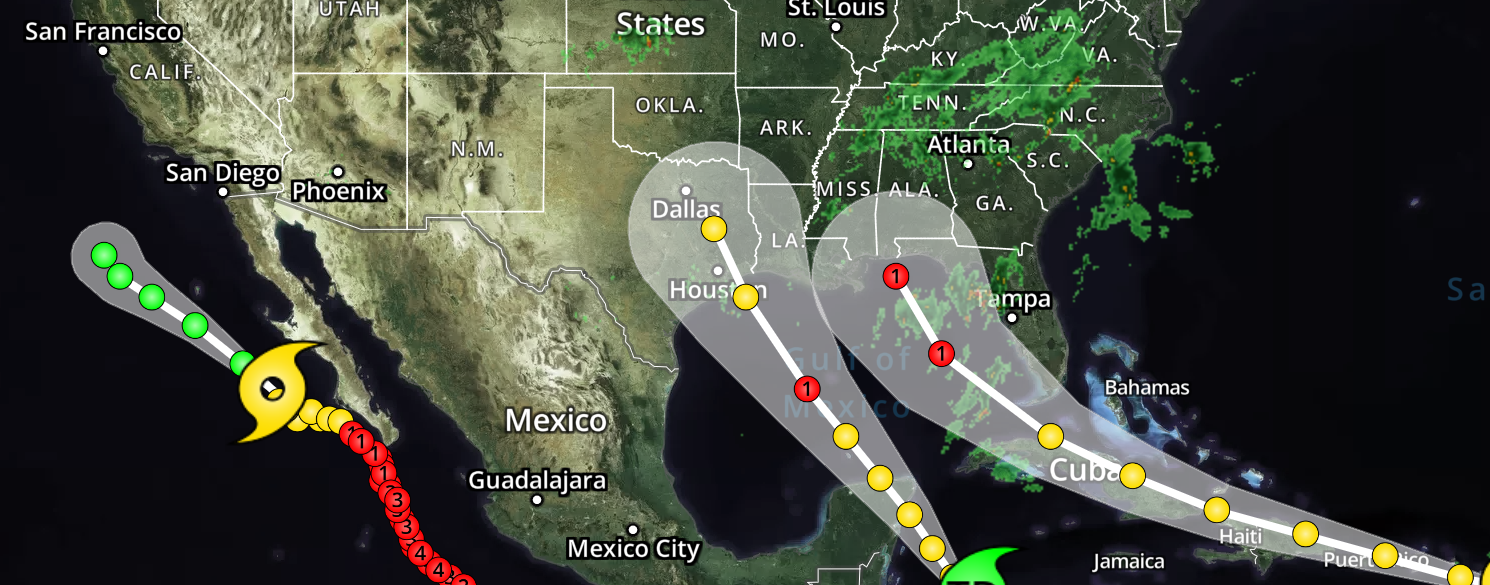
The concept of hurricane season can often deter potential visitors, but with proper planning and awareness, it shouldn’t stand in the way of an unforgettable Louisiana adventure. This comprehensive guide will delve into the specifics of Louisiana’s hurricane season, offering insights into its duration, potential impacts, and expert advice on how to navigate it seamlessly. We’ll explore how to mitigate risks, embrace off-season advantages, and ensure your trip is filled with joy, culture, and peace of mind, regardless of the time of year. Whether you’re considering a luxurious stay in a New Orleans resort or a budget-friendly adventure exploring the bayou, being informed is your best asset.
Understanding Louisiana’s Hurricane Season: Dates and Risks
For anyone contemplating a trip to the Pelican State, a fundamental question arises: “When is hurricane season in Louisiana?” The answer is clear and consistent with much of the Atlantic basin and Gulf of Mexico region. The official hurricane season for Louisiana runs annually from June 1st to November 30th. This six-month window is when tropical storms and hurricanes are most likely to form and potentially impact the state’s coastline and interior. While a hurricane can theoretically form outside this period, such occurrences are rare.
The Official Calendar: June 1st to November 30th
The beginning of June marks the official start, and the end of November signals its conclusion. This period is carefully defined by meteorological organizations based on historical data and climate patterns, indicating when the ocean temperatures are warm enough to fuel tropical cyclone development. For visitors, this means that any travel plans falling within these dates should be made with an awareness of potential weather disruptions. While Louisiana does not experience a hurricane every year, the risk is present, and preparation is key to a stress-free vacation. Understanding this calendar allows travelers to make informed decisions about when to visit, what kind of travel insurance to consider, and how to stay vigilant throughout their stay.
Peak Season Considerations: August, September, October
While the entire season warrants attention, the period from late August through September and into early October is historically considered the peak of hurricane activity for Louisiana and the broader Gulf Coast. During these months, sea surface temperatures are at their warmest, and atmospheric conditions are often most favorable for the formation and intensification of tropical systems. This peak period means that the probability of encountering a significant weather event is statistically higher. This doesn’t mean you shouldn’t travel during these months, but rather that you should be extra diligent with your planning. Flights and hotels might sometimes offer lower rates in these riskier periods, which can be tempting for budget-conscious travelers, but this must be weighed against the potential for itinerary changes or forced evacuations. Flexibility becomes a crucial aspect of lifestyle when planning such trips.
Why Louisiana is Vulnerable: Geography and Climate
Louisiana’s unique geography plays a significant role in its vulnerability to hurricanes. Situated directly on the Gulf of Mexico, with an extensive coastline and a complex system of bayous, wetlands, and barrier islands, the state is naturally exposed. The low elevation of much of Louisiana, particularly the New Orleans area, makes it susceptible to storm surge, heavy rainfall, and subsequent flooding. The warm waters of the Gulf of Mexico provide ample fuel for developing storms, allowing them to strengthen rapidly as they approach the coast. Furthermore, the state’s intricate river systems, including the mighty Mississippi River, can exacerbate flooding issues inland. This combination of factors means that hurricanes can bring devastating impacts, from coastal erosion and wind damage to widespread freshwater flooding. Understanding these geographical realities helps in appreciating the importance of official advisories and emergency preparedness protocols in the state.
Planning Your Louisiana Getaway: Navigating the Weather
Planning a trip to Louisiana during hurricane season requires a thoughtful approach, but it is certainly manageable and can even offer unique advantages. The key is to be proactive and informed, ensuring that your travel plans are robust enough to handle potential weather-related shifts. By taking a few extra precautions, you can still immerse yourself in the rich culture and vibrant atmosphere that defines this incredible state.
Best Times to Visit: Avoiding the Peak Season
For travelers who wish to minimize any hurricane-related concerns, the ideal times to visit Louisiana fall outside the peak hurricane season. The sweet spots for travel are typically:
- Late Fall (late October to November): As the hurricane season winds down, the weather in Louisiana becomes pleasantly mild. The intense summer humidity dissipates, making it comfortable to explore outdoor attractions like the French Quarter in New Orleans or take a swamp tour in the Atchafalaya Basin. This period still carries a minimal risk of late-season storms, but it’s significantly lower than in September.
- Winter (December to February): This is arguably the most pleasant time to visit, with cool, crisp air perfect for strolling through city streets or enjoying outdoor festivals. Mardi Gras often falls in February or early March, drawing huge crowds, but otherwise, winter months offer a calmer, cooler experience.
- Spring (March to May): Spring is another highly popular time, offering beautiful weather, blooming azaleas, and a vibrant festival scene, including the world-renowned Jazz Fest in New Orleans. While temperatures begin to rise, it’s generally comfortable before the intense summer heat and humidity set in.
These periods not only offer more predictable weather but often coincide with many of Louisiana’s signature events, enhancing your overall travel experience.
Travel Insurance: A Must-Have for Peace of Mind
If your travel plans necessitate visiting Louisiana during hurricane season, investing in comprehensive travel insurance is highly recommended. Not all policies are created equal, so it’s crucial to read the fine print. Look for policies that specifically cover:
- Trip Cancellation: In case a hurricane forces you to cancel your trip before departure.
- Trip Interruption: If a storm requires you to cut your trip short or evacuate.
- Delayed Travel: For expenses incurred due to flight delays or other weather-related transportation issues.
- Evacuation Coverage: For costs associated with emergency evacuation, if necessary.
Most policies have specific clauses regarding “known events,” meaning that if a storm is already named or anticipated when you purchase the insurance, it might not be covered. Therefore, it’s best to secure your travel insurance as soon as you book your trip, well in advance of any potential storm formation. This small upfront investment can save you significant financial and emotional stress should an unforeseen weather event occur.
Staying Informed: Reliable Weather Resources
Being prepared means staying informed. Before and during your trip, make it a habit to check reliable weather resources regularly. Key sources include:
- The National Hurricane Center (NHC): This is the primary authority for hurricane forecasts and advisories in the USA. Their website provides detailed information, cone of uncertainty maps, and storm surge potential.
- Local News Outlets: New Orleans and other Louisiana cities have excellent local news stations that provide real-time updates tailored to the immediate area.
- Weather Apps: Reputable weather apps on your smartphone can provide localized forecasts and alerts.
- Hotel Staff: Your hotel or accommodation providers will be a valuable local resource, often providing guests with updates and guidance during a storm threat.
Keep your phone charged and ensure you have access to internet and cellular service. Should a storm threat develop, heed all local warnings and instructions from authorities. This proactive approach ensures your safety and allows for timely adjustments to your itinerary.
Embracing Louisiana: Attractions and Activities Year-Round
Despite the considerations of hurricane season, Louisiana remains a top-tier destination brimming with captivating attractions and activities that can be enjoyed throughout the year. The state’s vibrant culture, deep history, and unique ecosystems offer a diverse range of experiences for every type of traveler, whether you’re seeking lively cityscapes or tranquil natural beauty.

Iconic New Orleans Experiences: Culture and Cuisine
New Orleans stands as the undisputed crown jewel of Louisiana, a city where every street corner tells a story. Even during the hurricane season, much of the city’s magic is indoors or can be enjoyed during fair weather spells.
- French Quarter: Explore the historic architecture, browse unique boutiques, and listen to live jazz spilling from legendary clubs on Bourbon Street. Don’t miss a visit to Café Du Monde for beignets and chicory coffee.
- Garden District: Take a streetcar ride down St. Charles Avenue to admire the stunning antebellum mansions and lush gardens.
- Museums and Galleries: Dive into history at the acclaimed National WWII Museum, explore the New Orleans Museum of Art, or wander through the numerous art galleries along Magazine Street. These indoor attractions are perfect for any rainy days.
- Culinary Journeys: New Orleans is a culinary mecca. From classic Creole and Cajun dishes to upscale dining, food is an integral part of the experience. Cooking classes offer a fun, interactive way to learn about the local flavors.
- Music Scene: Beyond Jazz Fest, New Orleans vibrant music scene thrives year-round in countless clubs and venues.
Exploring Beyond the City: Baton Rouge, Lafayette, and the Bayou
While New Orleans often takes center stage, Louisiana’s charm extends far beyond its most famous city.
- Baton Rouge: The state capital offers its own unique blend of history and culture, including the Old State Capitol (a National Historic Landmark) and the LSU Rural Life Museum.
- Lafayette and Cajun Country: Immerse yourself in authentic Cajun culture with live music (Zydeco and Cajun), traditional dancehalls, and savory local cuisine. A swamp tour through the Atchafalaya Basin is an unforgettable way to experience Louisiana’s wild side, observing alligators and diverse birdlife.
- Plantation Country: Visit historic plantations such as Oak Alley Plantation or Laura Plantation along the Mississippi River to gain insight into the region’s complex past. Many of these offer indoor tours of the main houses.
Historical Landmarks and Natural Wonders
Louisiana is rich with landmarks that tell the story of its diverse heritage. Beyond the cities, you can discover a world of natural beauty.
- Audubon Nature Institute: In New Orleans, the Audubon Zoo and Aquarium of the Americas offer family-friendly attractions with both indoor and outdoor components.
- State Parks and Wildlife Refuges: Explore serene natural areas like Grand Isle State Park, though coastal parks are often the first to close during hurricane threats.
Many of these attractions operate year-round, offering a consistent schedule of tours and activities. By focusing on flexible booking and staying alert to weather forecasts, travelers can enjoy the breadth of Louisiana’s offerings.
Accommodation and Safety: Smart Choices for Your Stay
When planning your trip to Louisiana, especially during hurricane season, the choices you make regarding your accommodation and your approach to safety are crucial. Smart decisions here can significantly enhance your peace of mind and ensure a smoother travel experience.
Choosing the Right Hotels and Resorts
Louisiana boasts a wide array of hotels, resorts, apartments, and villas, each offering unique amenities and styles. During hurricane season, consider these factors:
- Location: While New Orleans is relatively inland compared to coastal towns, some areas are at lower elevations. Check the elevation of your chosen accommodation. Many modern hotels are built to higher safety standards.
- Amenities: Look for hotels that offer robust amenities that could be useful during a weather event, such as reliable Wi-Fi (for checking updates), backup generators, and on-site dining options. Luxury suites in larger resorts often have more comprehensive emergency plans.
- Reputation and Reviews: Check recent reviews for how hotels handle disruptions. A well-managed property will have clear communication and procedures.
- Booking Direct vs. Third-Party: Sometimes, booking directly with a hotel can offer more flexibility with cancellations or rebookings during an emergency, though this can vary.
Flexible Booking and Cancellation Policies
This is perhaps the most vital consideration for anyone booking accommodation during hurricane season. Prioritize hotels, airlines, and tour operators that offer:
- Generous Cancellation Policies: Look for free cancellation up to a certain number of days before arrival, or policies that allow for full refunds or rebooking credits in the event of a declared hurricane warning or evacuation order for your destination.
- Change Fee Waivers: Many airlines and hotels will waive change fees if a hurricane directly impacts your travel route or destination. Always check their specific hurricane policies when booking.
- Read the Fine Print: Don’t assume flexibility. Confirm the terms and conditions explicitly before finalizing any bookings. This due diligence is part of a responsible travel lifestyle.
Emergency Preparedness: What Every Traveler Should Know
While local authorities handle large-scale emergencies, individual preparedness is essential for travelers.
- Emergency Contact Info: Keep a list of emergency contacts, including your family, hotel, travel insurance provider, and the nearest embassy or consulate if you are an international traveler.
- Stay Kit (Mini Version): While you won’t pack a full emergency kit, having a small bag with essential medications, a portable phone charger, copies of important documents (physical and digital), and some non-perishable snacks can be helpful.
- Local Emergency Plans: Familiarize yourself with local emergency plans for your destination. For example, New Orleans has extensive evacuation plans that visitors should be aware of. Follow instructions from local emergency management agencies like FEMA or state and local offices.
- Communication: Have a communication plan with your family or fellow travelers in case cell service is disrupted. Texting often works when calls do not.
By taking these steps, you demonstrate a responsible approach to travel and minimize potential risks, allowing you to focus on enjoying Louisiana’s unique charm.
The Unique Charm of Off-Season Travel in Louisiana
Choosing to visit Louisiana during what is traditionally considered the “off-season” (often overlapping with hurricane season) can offer a truly distinct and rewarding travel experience. While it demands a heightened sense of awareness and preparation, the benefits can often outweigh the perceived risks, especially for those seeking a more authentic and intimate encounter with the state’s vibrant culture and breathtaking landscapes.
Budget-Friendly Opportunities and Fewer Crowds
One of the most compelling reasons to consider off-season travel is the financial advantage. During the summer and early fall months (June through October), when the heat and humidity are at their peak and hurricane season is a factor, travel demand often dips. This translates directly into:
- Lower Accommodation Rates: Hotels, resorts, and vacation apartments often offer significantly reduced rates, making luxury stays more accessible or allowing budget travelers to extend their trips. You might find incredible deals on suites or villas that are out of reach during peak periods.
- Cheaper Flights: Airlines may offer more competitive pricing during these months to fill seats.
- Fewer Crowds: Attractions, landmarks, and popular restaurants are generally less crowded. This means shorter lines, easier access to reservations, and a more relaxed atmosphere when exploring places like the French Quarter or taking a swamp tour. You can truly savor the experiences without feeling rushed or overwhelmed by throngs of tourists. This makes for a more personal and intimate exploration of the local culture.
Festivals and Events Beyond the Summer Rush
While Jazz Fest and Mardi Gras are world-famous, Louisiana’s festival calendar is rich and diverse throughout the year, even during hurricane season. Many smaller, local festivals celebrating food, music, and heritage occur in late summer and fall, offering a glimpse into authentic Louisiana lifestyle that larger, more commercial events might miss. For example, New Orleans hosts events like Voodoo Music + Arts Experience in late October. Baton Rouge and Lafayette also have their unique seasonal celebrations. These events provide opportunities to engage directly with local communities, sample traditional dishes, and dance to authentic Louisiana music, often with a more relaxed and local crowd. Always check local tourism guides and calendars for specific dates and details, as festival schedules can change.

Supporting Local Tourism During Quieter Months
Visiting Louisiana during the off-season also presents an opportunity to provide valuable support to the local tourism industry. Many small businesses, from independent restaurants and music clubs to local guides and artisans, rely heavily on visitor traffic. By choosing to travel during quieter periods, you contribute to the economic vitality of these communities when they need it most. Your patronage helps sustain the unique cultural fabric that makes Louisiana such a special destination. Furthermore, engaging with locals during slower times can lead to richer interactions and deeper insights into the state’s heritage, as they often have more time to share stories and recommendations.
In conclusion, while hurricane season in Louisiana from June 1st to November 30th (with a peak from August to October) requires careful planning, it should not deter you from exploring this incredible state. With diligent research, appropriate travel insurance, flexible bookings, and a commitment to staying informed, you can enjoy all that Louisiana has to offer. The budget-friendly advantages, fewer crowds, and unique local experiences of off-season travel can create lasting memories, proving that with a little preparation, every season is a good season to discover the magic of Louisiana.
LifeOutOfTheBox is a participant in the Amazon Services LLC Associates Program, an affiliate advertising program designed to provide a means for sites to earn advertising fees by advertising and linking to Amazon.com. Amazon, the Amazon logo, AmazonSupply, and the AmazonSupply logo are trademarks of Amazon.com, Inc. or its affiliates. As an Amazon Associate we earn affiliate commissions from qualifying purchases.