
The pulsating heart of New Orleans, Louisiana, beats to a unique rhythm, especially during Mardi Gras. Often shrouded in a veil of mystique for first-time visitors, the exact timing of this world-renowned festival is a question frequently asked by those eager to plunge into its vibrant chaos. Unlike holidays with fixed calendar dates, Mardi Gras is a movable feast, its annual appearance dictated by an ancient ecclesiastical calendar. Understanding this calculation is the first step in planning an unforgettable journey to experience Fat Tuesday firsthand. As a premier destination for travel enthusiasts seeking unparalleled experiences, knowing the “when” is paramount to unlocking the magic of New Orleans during its most celebrated season.

Understanding the Shifting Date of Mardi Gras
The precise date of Mardi Gras, or Fat Tuesday, shifts each year, creating a unique planning challenge and opportunity for tourism. At its core, the timing is deeply intertwined with the Christian calendar, specifically the observance of Lent and Easter. This movable date system, rooted in centuries of tradition, ensures that the joyous revelry of Mardi Gras always precedes the solemnity of the Lenten period. For travelers from around the globe, deciphering this annual shift is key to scheduling their visit and ensuring they don’t miss out on the unparalleled festivities.
The Ecclesiastical Calendar and the Carnival Season
The date of Mardi Gras is directly linked to Easter Sunday. Easter itself falls on the first Sunday after the first full moon occurring on or after the vernal equinox. Once Easter’s date is determined, the rest of the associated holidays fall into place. Ash Wednesday, which marks the beginning of Lent – a period of fasting, prayer, and penance lasting 40 days (not counting Sundays) – always occurs 47 days before Easter. Fat Tuesday, or Mardi Gras, is the day immediately preceding Ash Wednesday. This means that Mardi Gras can occur as early as February 3rd or as late as March 9th. This annual fluctuation means that careful calendar checks are essential for anyone planning a trip, as the difference of a few weeks can significantly alter the overall travel experience, impacting everything from accommodation availability to the precise schedule of parades and events. The entire celebratory period, known as Carnival Season, officially kicks off on Twelfth Night (January 6th), the Feast of the Epiphany. From this day forward, various events and minor parades begin, gradually building in intensity and grandeur until the crescendo of Fat Tuesday. The rich history and traditions of the Catholic Church thus define the very rhythm of New Orleans’ greatest annual celebration.
Key Dates and Their Significance
While Fat Tuesday marks the culmination, the entire Carnival Season is a spectacle of its own. It begins on Twelfth Night (January 6th), which is the traditional end of the Christmas holidays and the start of the pre-Lenten celebrations. This day often sees the first King Cakes making their appearance and smaller, often more local, parades rolling through various neighborhoods. The intensity builds steadily, with major parades, hosted by elaborate social organizations called Krewes, typically starting about two weeks before Fat Tuesday. The final five to six days leading up to Mardi Gras are the most intense, featuring continuous parades, street parties, and events across the city. This period includes “Bacchus Sunday,” “Lundi Gras” (the Monday before Fat Tuesday), and of course, Fat Tuesday itself, when the grandest Krewes like Rex and Zulu parade, culminating in a city-wide celebration before Ash Wednesday ushers in the quiet of Lent. Understanding this progression is crucial for travelers, as it allows them to decide how deeply they wish to immerse themselves in the celebration and at what point in the season they want to experience the peak excitement.
Planning Your Trip Around the Mardi Gras Calendar
Successfully navigating a Mardi Gras trip to New Orleans requires meticulous planning, especially given the fluctuating dates and the festival’s immense popularity. It’s not merely about knowing when Fat Tuesday is, but understanding the entire Carnival Season and how it impacts everything from booking flights to securing desirable accommodation. A well-thought-out plan ensures that visitors can fully engage with the local culture, enjoy the attractions, and avoid common pitfalls associated with peak season tourism.
When to Arrive for the Full Experience
For those seeking the quintessential Mardi Gras experience, arriving at least five to seven days before Fat Tuesday is highly recommended. This allows visitors to witness the gradual escalation of festivities, catch multiple major parades in various districts, and absorb the unique atmosphere as the city transforms. The weekend before Fat Tuesday, encompassing “Bacchus Sunday,” sees some of the largest and most spectacular parades. Arriving earlier also provides opportunities to explore New Orleans’s other famous landmarks and attractions before the crowds become overwhelming. For a more relaxed but still festive experience, arriving during the earlier parts of the Carnival Season (e.g., late January or early February for a March Mardi Gras) can be a good option, with fewer crowds and more accessible parade viewing, although the grandest Krewes may not be rolling yet. Consider how much of the build-up you wish to witness versus the peak intensity of the final days when making your arrival plans.
Navigating Accommodation: Book Early, Book Smart
Accommodation during Mardi Gras is notoriously competitive and expensive. The golden rule for securing lodging is to book as early as possible – ideally 9 to 12 months in advance, or even immediately after the previous Mardi Gras concludes. Popular choices, from charming boutique hotels in the French Quarter to larger resorts in the Central Business District, fill up rapidly. Prices can skyrocket by several hundred percent compared to off-peak seasons, reflecting the massive demand.
Travelers have a range of options, each with its pros and cons. Staying in the historic French Quarter puts you at the heart of the action, close to Bourbon Street and many attractions, but it can be noisy and costly. Popular hotels like the Hotel Monteleone or The Roosevelt New Orleans offer prime locations and luxurious amenities but command top dollar. The Warehouse District or Central Business District offer slightly more modern options, often with easier access to parade routes and a bit more distance from the non-stop party of the French Quarter. Consider a stay at the Royal Sonesta Hotel for its blend of elegance and prime Bourbon Street access. For groups or those seeking a home-away-from-home, renting apartments or villas through platforms specializing in long-term stays can be a cost-effective and comfortable choice, though these also disappear quickly. Reviews and comparison tools are invaluable when booking to ensure you find a place that meets your needs and budget, whether you’re looking for suites with extra space or basic comfort.
Travel Logistics During Peak Season
Beyond accommodation, flights into Louis Armstrong New Orleans International Airport (MSY) also become more expensive and less available closer to Mardi Gras. Booking airfare several months in advance is crucial to secure reasonable rates. Once in New Orleans, navigating the city during Carnival Season requires flexibility. Many streets are closed for parades, making driving and parking nearly impossible in central areas. The city’s charming streetcars are a popular option, but they can be slow and crowded. Walking is often the best way to get around the French Quarter and nearby districts. Ride-sharing services are available but expect surge pricing and potential delays due to traffic and road closures. Familiarizing yourself with parade routes and public transportation maps in advance will save significant time and stress, allowing you to focus on enjoying the vibrant atmosphere rather than battling logistical headaches.
Immersing Yourself in the Culture of Mardi Gras
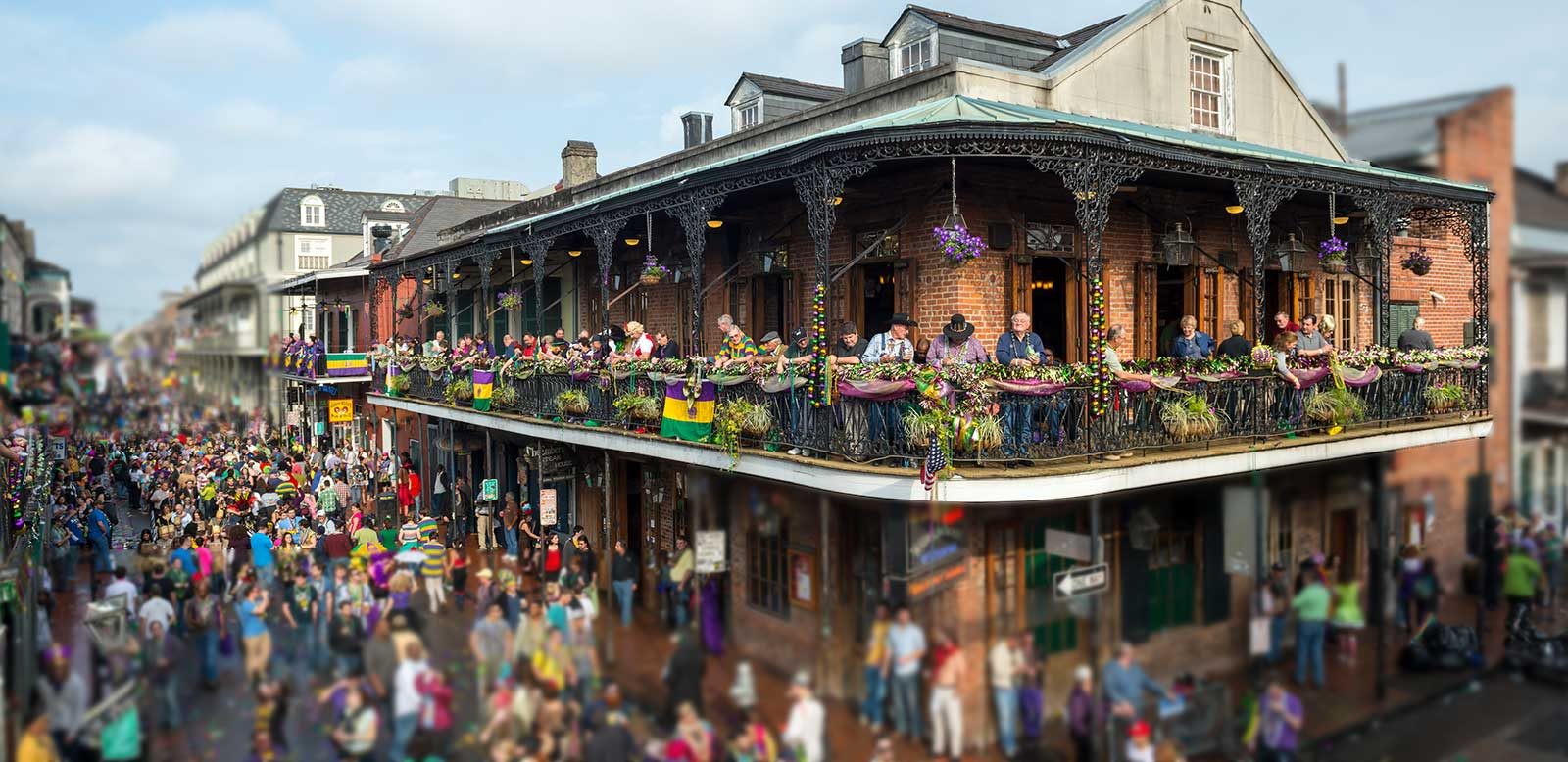
Mardi Gras is more than just a party; it’s a profound expression of New Orleans’ unique local culture, steeped in history, music, and culinary traditions. For any visitor, understanding and participating in these cultural touchstones is essential to truly appreciate the festival. From the intricate artistry of parade floats to the convivial sharing of King Cakes, every element tells a story of community, celebration, and artistic flair. This is a prime example of tourism at its most engaging, offering a deep dive into a vibrant societal tapestry.
Essential Mardi Gras Events and Traditions
At the heart of Mardi Gras are the magnificent parades. Organized by private social clubs known as Krewes, these parades feature elaborately decorated floats, marching bands, and costumed riders who shower spectators with coveted throws – beads, doubloons, cups, and other trinkets. Each Krewe has its own distinct theme, history, and traditions, often evident in their unique throws and float designs. Major parade routes traverse St. Charles Avenue, Canal Street, and other main thoroughfares, but never through the narrow streets of the French Quarter due to size restrictions. Securing a good viewing spot, especially on the final days, requires early arrival and patience.
Beyond the public spectacle, many Krewes host elegant, invitation-only Mardi Gras balls, steeped in tradition and formal attire. While most are private, some organizations offer opportunities for non-members to purchase tickets, providing a glimpse into the more formal side of Carnival Season revelry. Food is another integral part of the experience. King Cakes, a brioche-like pastry decorated with purple, green, and gold icing, are ubiquitous throughout the season. Finding the small plastic baby hidden within a slice is considered good luck and traditionally makes the finder responsible for hosting the next King Cake party. Indulging in classic New Orleans food, from gumbo and jambalaya to beignets, is a must-do to fuel your carnival adventure.
Beyond the Parades: Exploring New Orleans
While Mardi Gras is the main draw, New Orleans itself is a treasure trove of attractions and landmarks that deserve exploration. The historic French Quarter, with its iconic wrought-iron balconies and vibrant street life, offers endless opportunities for discovery. Stroll down Bourbon Street for its lively bars and music, but also venture onto Royal Street for its antique shops and art galleries. Visit Jackson Square, home to St. Louis Cathedral, and enjoy delicious beignets and café au lait at the famous Café Du Monde.
Take a streetcar ride through the elegant Garden District, admiring its grand mansions and lush oak trees. Delve into the city’s rich musical heritage at Preservation Hall for an authentic jazz experience, or explore the various music clubs along Frenchmen Street. For a different perspective, consider a cruise on the Mississippi River to see the city skyline and historic plantations. Even during the busiest Mardi Gras period, dedicating time to these unique New Orleans attractions enriches the overall trip, offering a broader understanding of the city’s enduring appeal as a premier destination.
Practical Tips for a Memorable Mardi Gras Experience
A Mardi Gras trip to New Orleans can be exhilarating, but without practical preparation, it can also be overwhelming. Given the intensity of the crowds and the festive atmosphere, having a solid game plan and adhering to some essential tips will significantly enhance your experience. These insights cover everything from managing your finances to staying safe and comfortable, ensuring your lifestyle preferences, whether luxury travel or budget travel, are accommodated.
Budgeting and Saving for Your Trip
Mardi Gras can be an expensive affair, especially for those seeking a luxury travel experience. As previously mentioned, accommodation and flights will be the largest expenses, so early booking is key to controlling costs. Dining can range from high-end restaurants to casual street food vendors, offering options for every budget. To save money, consider utilizing local grocery stores for snacks and drinks, and take advantage of the many free activities, such as watching parades. While Mardi Gras itself is free, souvenir throws and costumes can add up. Setting a daily budget for incidentals, food, and entertainment will help manage spending. For those on a budget travel plan, staying slightly outside the main parade routes and taking public transport can offer significant savings without sacrificing the full Carnival Season immersion. Shared apartments or hostels also offer more economical accommodation options compared to traditional hotels or resorts.
Safety and Etiquette
With millions flocking to New Orleans for Mardi Gras, crowds are inevitable, particularly in the French Quarter and along parade routes. It’s crucial to stay aware of your surroundings and keep valuables secure. Pickpocketing can be an issue in densely packed areas. Travel with a group if possible, and establish a meeting point in case you get separated. While the atmosphere is generally festive and friendly, excessive alcohol consumption is common, particularly on Bourbon Street.
For family trips, certain sections of parade routes are designated as “family-friendly” or “wet/dry zones,” offering a more subdued environment away from some of the more boisterous revelry. The Garden District stretch of St. Charles Avenue is often favored by families. Understanding and respecting local customs and traditions will also enhance your experience. “Laissez les bons temps rouler!” (Let the good times roll!) is the unofficial motto, and embracing this spirit of joy and camaraderie is key. Be polite when asking for throws, and understand that some areas are more intense than others.

What to Pack and Wear
Comfort is paramount for Mardi Gras. You’ll be doing a lot of standing, walking, and possibly dancing, so comfortable shoes are an absolute must. Layers of clothing are advisable, as February and March weather in New Orleans can be unpredictable, ranging from cool and damp to warm and sunny. Pack rain gear, just in case. Don’t forget sunscreen and a hat, as you’ll spend significant time outdoors.
Perhaps most importantly, embrace the spirit of costuming! While dressing up isn’t mandatory, it’s a huge part of the fun. Even a simple mask, some glitter, or a purple, green, and gold ensemble will help you feel like part of the celebration. Many revelers choose elaborate costumes, ranging from humorous to fantastical. Packing a small backpack or cross-body bag for water, snacks, and any throws you catch is also highly practical. Remember, Mardi Gras is about expression and exuberance, so don’t be afraid to let your festive spirit shine! Even for those on business stays that overlap with the festivities, a touch of purple, green, or gold can bridge the gap between professional commitments and local festivities, offering a taste of local culture.
Ultimately, experiencing Mardi Gras in New Orleans is a bucket-list experience for many, a vibrant spectacle that marries ancient traditions with contemporary revelry. By understanding its movable date and planning accordingly, travelers can ensure their journey into the heart of Carnival Season is as joyous and unforgettable as the festival itself.
LifeOutOfTheBox is a participant in the Amazon Services LLC Associates Program, an affiliate advertising program designed to provide a means for sites to earn advertising fees by advertising and linking to Amazon.com. Amazon, the Amazon logo, AmazonSupply, and the AmazonSupply logo are trademarks of Amazon.com, Inc. or its affiliates. As an Amazon Associate we earn affiliate commissions from qualifying purchases.