
The call of the wild has always held a special allure for travelers seeking untouched natural beauty and encounters with iconic wildlife. For adventurers setting their sights on Maine, the Pine Tree State, a common question often arises: “Are there wolves in Maine?” This query speaks to the primal fascination with one of North America’s most magnificent predators and hints at the state’s reputation as a bastion of wilderness. While the definitive answer to the presence of an established, breeding population of true Gray Wolf (Canis lupus) in Maine is complex and often debated, the allure of the wild remains a central theme for anyone planning a visit to this captivating corner of New England.
Maine offers an unparalleled tapestry of landscapes, from rugged coastlines and serene islands to vast, dense forests and majestic mountains. It’s a destination synonymous with outdoor adventure, fresh seafood, and a tranquil escape from the bustling pace of city life. For travelers whose ideal getaway involves immersing themselves in nature and potentially witnessing wildlife in its natural habitat, understanding the ecological landscape, including the presence of its apex predators, is key to planning an unforgettable experience.
The Elusive Return: A Look at Maine’s Wolf Population
The question of wolves in Maine is steeped in history, ecology, and ongoing scientific discussion. While the state is undoubtedly wild, the specific species of canid that roams its forests is a topic that requires a nuanced understanding.
Historical Presence and Extirpation
Historically, wolves, primarily the Gray Wolf and possibly the now-recognized Eastern Wolf (Canis lycaon), were integral components of Maine’s ecosystem. These apex predators played a crucial role in maintaining the health and balance of ungulate populations like deer and Moose. However, as European settlers expanded across North America, wolves faced systematic persecution. Driven by fears for livestock, bounties were placed on wolves, leading to their widespread extirpation from most of the eastern United States, including Maine, by the late 19th and early 20th centuries. The howl that once echoed through the vast wilderness of Maine fell silent, marking a significant ecological void.
Modern Sightings and Genetic Evidence
In recent decades, with increased conservation efforts and the natural dispersal of wildlife, there have been occasional reports and persistent rumors of wolf sightings in Maine, particularly in its remote northern reaches bordering Canada. These sightings often ignite hope among wildlife enthusiasts and spark lively debates. However, the scientific community, including the Maine Department of Inland Fisheries and Wildlife, largely attributes most of these observations to the presence of the Eastern Coyote.
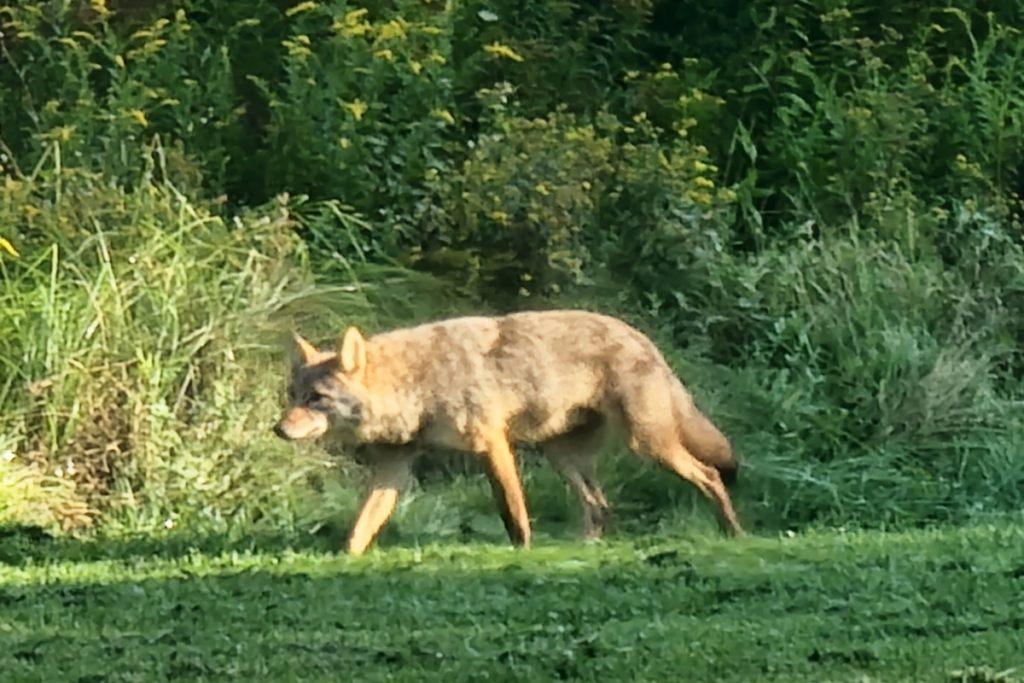
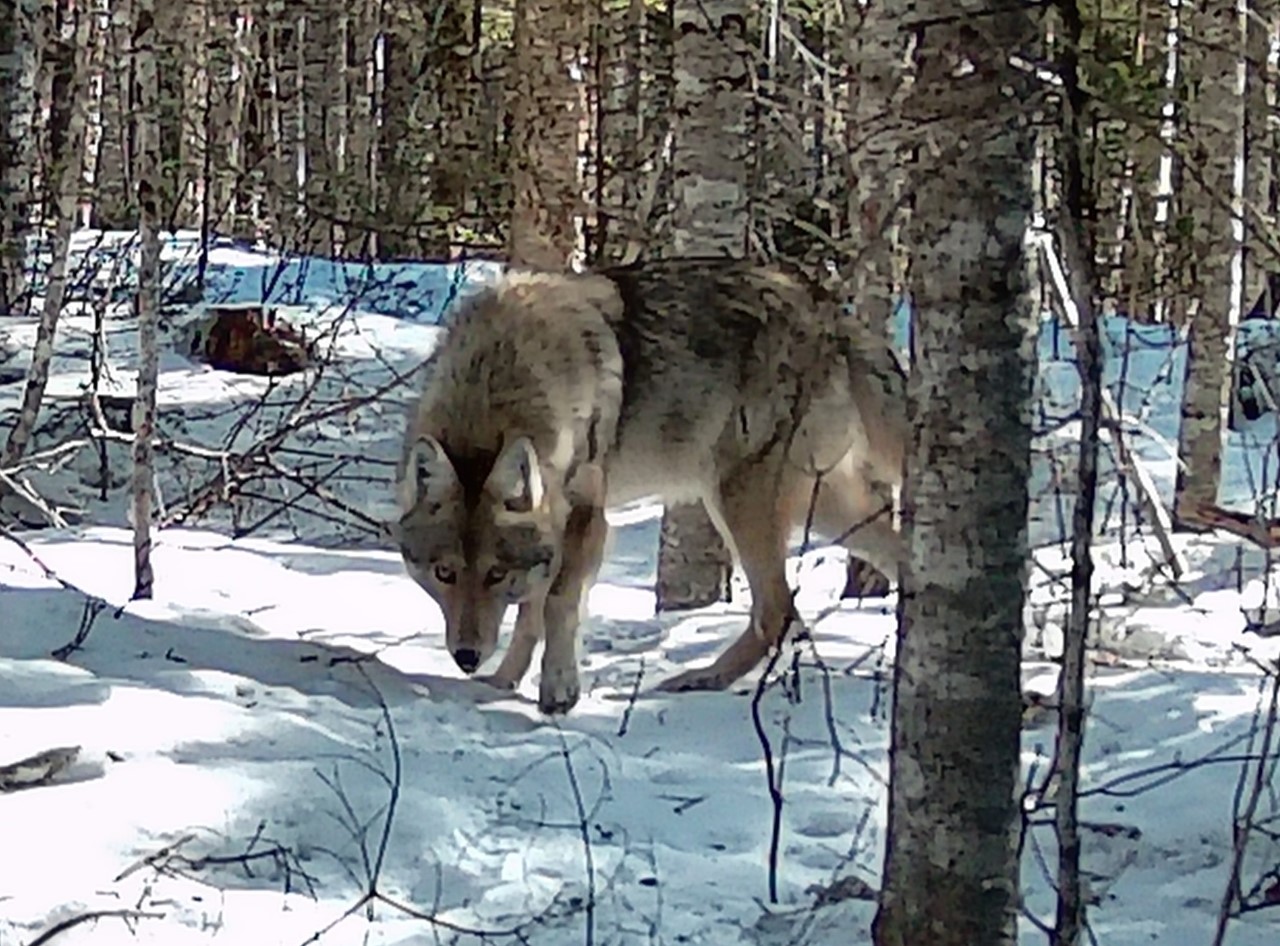
Genetic research has revealed a fascinating aspect of the Eastern Coyote population in Maine and other parts of New England. These animals are not pure coyotes but are often hybrids, possessing a significant genetic admixture from wolves (both Gray Wolf and Eastern Wolf) and domestic dogs. This hybridization likely occurred as coyotes expanded their range eastward into territories where wolves were scarce or absent, breeding with the remaining isolated wolf populations. The result is a larger, more wolf-like canid than their western counterparts, capable of taking down larger prey and filling a similar ecological niche to the wolves that once roamed the area. While not a pure Gray Wolf, these “coywolves” or Eastern Coyotes are formidable predators and the closest most visitors will come to seeing a wolf-like animal in the Maine wilderness. Some scientists believe that a small number of true Eastern Wolf individuals might occasionally cross over from contiguous populations in Quebec or New Brunswick, but evidence of a breeding population within Maine remains inconclusive.
The Eastern Coyote: Maine’s Top Predator
Understanding the Eastern Coyote is crucial for anyone interested in Maine’s current ecosystem. These adaptable and intelligent animals are the true apex predators of much of Maine’s wilderness today. Larger and more robust than western coyotes, they can weigh between 30 and 50 pounds, sometimes even more, and possess a varied diet, preying on deer, smaller mammals, and carrion. Their successful adaptation to diverse habitats, from deep forests to the fringes of suburban areas, highlights their resilience. For visitors hoping to hear a wild howl or spot a majestic canid, the Eastern Coyote is the most likely candidate. Their presence underscores the ongoing dynamic nature of wildlife populations and the fascinating ways species adapt and evolve in response to environmental changes and human impact.
Exploring Maine’s Wilderness: Where to Seek Wildlife (and Potential Wolves)
While the chances of encountering a pure Gray Wolf in Maine are exceedingly slim, the state offers unparalleled opportunities for wildlife viewing, immersing travelers in environments where the spirit of the wild thrives. The vastness of Maine’s wilderness guarantees encounters with other iconic species and the chance to appreciate the diverse ecosystems that support them.
Prime Wildlife Habitats
To maximize your chances of spotting Maine’s incredible fauna, focus your travel plans on its most remote and protected areas. These regions offer the solitude and undisturbed habitat that shy, wild animals require.
- Baxter State Park: This privately owned wilderness area, donated by former Governor Percival P. Baxter, encompasses over 200,000 acres, including Mount Katahdin, the northern terminus of the Appalachian Trail. Known for its strict conservation policies, Baxter State Park is a haven for Moose, Black Bear, deer, and various bird species. Its extensive trail network and remote ponds provide excellent opportunities for quiet observation. The sheer size and undisturbed nature of Baxter make it a prime candidate for any large canids present.
- Katahdin Woods and Waters National Monument: Adjacent to Baxter State Park, this newer national monument offers a similar rugged wilderness experience. Its designation protects an important segment of the East Branch of the Penobscot River watershed and provides critical habitat for many species. Canoeing, kayaking, and hiking are popular ways to explore its pristine beauty and potentially encounter wildlife.
- Moosehead Lake Region: As its name suggests, this is arguably the best place in Maine to see Moose. The vast forests, numerous lakes, and wetlands around Moosehead Lake Region are ideal for large mammals. Guided wildlife tours are widely available here, focusing on Moose, deer, and Black Bear, and offer local insights into tracking and observation.
- Acadia National Park and the Schoodic Peninsula: While primarily known for its stunning coastal scenery, mountains, and islands, Acadia National Park also harbors a variety of land-based wildlife. The less-traveled Schoodic Peninsula section offers a quieter experience and good opportunities for birdwatching, including seabirds, and spotting deer or Eastern Coyote in the forest fringes.
- Rangeley Lakes Region: In western Maine, this area, bordering the White Mountains of New Hampshire, is another prime spot for Moose and Black Bear viewing, characterized by expansive forests and a chain of pristine lakes.
Guided Tours and Wildlife Photography
For serious wildlife enthusiasts and photographers, engaging with local experts can significantly enhance your experience. Guided tours led by experienced naturalists offer the best chances for sightings, as guides are intimately familiar with local animal behaviors and prime viewing locations. Organizations like Maine Audubon often offer educational programs and guided walks focusing on birdlife and general wildlife, which can provide valuable insights into the ecosystem.
Another excellent option, particularly for families or those with limited time, is a visit to the Maine Wildlife Park in Gray. While it’s a wildlife rehabilitation and education center, not a true wilderness experience, it provides an opportunity to see native Maine species, including Black Bear, Moose, and various predators like coyotes and potentially even a resident wolf-hybrid, up close and learn about their conservation. This can be a fantastic way to understand what to look for when venturing into the wild.
Planning Your Wildlife Adventure in Maine
A successful wildlife-focused trip to Maine requires thoughtful planning, from timing your visit to choosing the right accommodations and understanding responsible tourism practices.
Best Times to Visit for Wildlife Viewing
The shoulder seasons—late spring (May-early June) and early autumn (September-October)—are often the best for wildlife viewing in Maine.
- Spring: As the snow melts and foliage begins to emerge, animals become more active after winter. Moose are particularly visible along roadsides and in marshy areas, feeding on new growth. Bird migration is also in full swing, offering spectacular birdwatching opportunities. Insect repellent is a must during this time.
- Autumn: The cooler temperatures and stunning fall foliage create a magical backdrop for wildlife viewing. Animals are often more active, preparing for winter. The absence of biting insects also makes hiking and extended outdoor excursions more pleasant. Deer and Moose are frequently seen, and the chances of spotting predators like the Eastern Coyote might increase as they become more active in their hunting.
Summer (July-August) can also be good, but many animals are more nocturnal to avoid heat and human activity, making sightings rarer during the day. Winter offers unique opportunities for tracking in snow, but accessibility to remote areas can be challenging.
Accommodation for Nature Enthusiasts
Maine offers a wide array of accommodations designed to immerse you in nature. For those seeking true wilderness experiences, consider booking rustic cabins, traditional lodges, or glamping sites in or near prime wildlife areas.
- Remote Lodges: Properties like the Lodge at Moosehead Lake or Migis Lodge on Sebago Lake offer luxurious comfort amidst natural settings, often with direct access to hiking, canoeing, and wildlife tours.
- Cabins and Cottages: Renting a cabin, particularly in areas like the Moosehead Lake Region or near Baxter State Park, provides privacy and a true sense of escape. Many come with self-catering facilities, perfect for extended stays.
- Eco-Resorts: Some establishments, part of the Kennebunkport Resort Collection or boutique hotels like Cliff House Maine along the coast, integrate sustainable practices and natural aesthetics, appealing to environmentally conscious travelers. Even if located closer to towns, they often emphasize access to natural beauty.
- Camping: For the most immersive and budget-friendly option, various state parks and private campgrounds offer sites ranging from primitive backcountry spots to full-service RV parks. Camping allows you to wake up to the sounds of the forest and maximizes your time in nature.
When choosing accommodation, look for places that offer guided excursions, provide local trail maps, or have knowledgeable staff who can advise on wildlife viewing etiquette and opportunities. Packing essentials like binoculars, a field guide, appropriate clothing, and durable gear from retailers like L.L.Bean (a Maine institution) will ensure you’re prepared for your adventure.
Responsible Tourism and Wildlife Etiquette
Ethical wildlife viewing is paramount. Always maintain a respectful distance from animals, never feed them, and avoid disturbing their natural behaviors. Use binoculars or a telephoto lens for close-up views rather than approaching too closely. Be especially cautious during breeding seasons or when young animals are present. Familiarize yourself with “Leave No Trace” principles to minimize your environmental impact: pack out everything you pack in, stay on marked trails, and dispose of waste properly. Supporting local conservation efforts, whether through donations to organizations like Maine Audubon or by participating in ecotourism activities, also contributes to the long-term health of Maine’s incredible ecosystems.
Beyond Wolves: Maine’s Rich Biodiversity and Cultural Heritage
While the quest for wolves might draw some to Maine, the state offers a treasure trove of biodiversity and cultural experiences that extend far beyond a single species.
Other Iconic Maine Wildlife
Maine is home to an astonishing array of wildlife that captivates nature lovers.
- Moose: The state’s official animal, these majestic creatures are a top draw, especially in northern and western Maine.
- Black Bear: Though generally shy, Maine has a thriving Black Bear population. Early morning or late evening sightings are possible, especially where food sources are plentiful.
- Lynx and Bobcat: These elusive felines are present, especially in the remote northern forests, though much harder to spot than bears or Moose.
- Marine Life: Maine’s coast teems with life. Whale watching tours depart from coastal towns like Bar Harbor and Portland, offering chances to see humpbacks, finbacks, and minke whales. Seal colonies are common, and specialized tours take visitors to see nesting seabirds, including the charming Atlantic Puffin.
- Birdwatching: From raptors in the mountains to migratory birds along the coast, Maine is a birdwatcher’s paradise, with hundreds of species recorded annually.

Integrating Culture and Nature
A trip to Maine isn’t complete without experiencing its vibrant local culture and charming coastal towns. Combine your wildlife expeditions with visits to iconic landmarks and culinary delights. Explore the historic Old Port district in Portland, renowned for its award-winning restaurants and bustling waterfront. Drive the scenic coastal routes, stopping at picturesque lighthouses like Pemaquid Point Lighthouse or Bass Harbor Head Light. Indulge in fresh lobster, blueberries, and maple syrup, integral parts of Maine’s culinary identity. Attend a local festival, browse artisan shops, or simply enjoy the tranquility of a seaside village. These cultural experiences enrich your understanding of the state and provide a holistic travel adventure.
In conclusion, while an established, pure Gray Wolf population in Maine remains a topic of scientific inquiry rather than a confirmed reality, the state’s wild heart beats strong. Its vast forests and pristine waters are home to a remarkable diversity of wildlife, including the fascinating Eastern Coyote which embodies a part of that lost wolf heritage. For travelers seeking adventure, natural beauty, and a deep connection with the wild, Maine stands as an unparalleled destination. Whether you’re hiking the trails of Baxter State Park, watching for Moose in the Moosehead Lake Region, or exploring the rugged beauty of Acadia National Park, Maine promises an adventure that speaks to the wild within us all, even if the legendary howl of the wolf is mostly an echo from the past, or a distant dream for the future.
LifeOutOfTheBox is a participant in the Amazon Services LLC Associates Program, an affiliate advertising program designed to provide a means for sites to earn advertising fees by advertising and linking to Amazon.com. Amazon, the Amazon logo, AmazonSupply, and the AmazonSupply logo are trademarks of Amazon.com, Inc. or its affiliates. As an Amazon Associate we earn affiliate commissions from qualifying purchases.