
For travelers planning a visit to the picturesque state of Maine, understanding local laws and regulations is paramount to ensure a smooth and enjoyable trip. Among the many considerations, a common question arises for visitors from the United States and beyond: “Is marijuana legalized in Maine?” The concise answer is yes, both recreational and medical marijuana are legal in the Pine Tree State. However, as with any emerging legal landscape, there are nuances and specific rules that tourists, in particular, should be aware of to fully appreciate Maine’s unique blend of natural beauty, vibrant culture, and relaxed lifestyle without encountering any legal complications.
Maine stands as one of the pioneering states in New England and the larger United States to embrace comprehensive cannabis reform, a move that has subtly reshaped aspects of its tourism and lifestyle offerings. From the bustling streets of Portland to the serene coastlines near Bar Harbor, the presence of legal cannabis dispensaries is becoming more common, integrating into the local economy and traveler experience. This article delves into the specifics of Maine’s cannabis laws, offering essential guidance for tourists, covering everything from purchasing and possession limits to consumption guidelines and what to consider regarding accommodation and travel across state borders.
Understanding Maine’s Cannabis Laws for Visitors
Navigating the legal intricacies of cannabis in a new destination can be daunting. In Maine, the system is designed to allow for both medical use by qualifying patients and adult recreational use, with distinct regulations governing each. For visitors, the primary focus will be on the adult-use market, which is accessible to anyone over the age of 21, regardless of their residency.
A Dual System: Recreational and Medical Marijuana
Maine’s journey towards cannabis legalization began with medical marijuana in 1999, which expanded significantly over the years. In 2016, voters approved a referendum to legalize adult-use cannabis, with retail sales commencing in October 2020. This dual system means that medical marijuana patients, typically Maine residents with a medical card (though some states have reciprocity), can access a broader range of products and higher possession limits through medical dispensaries.
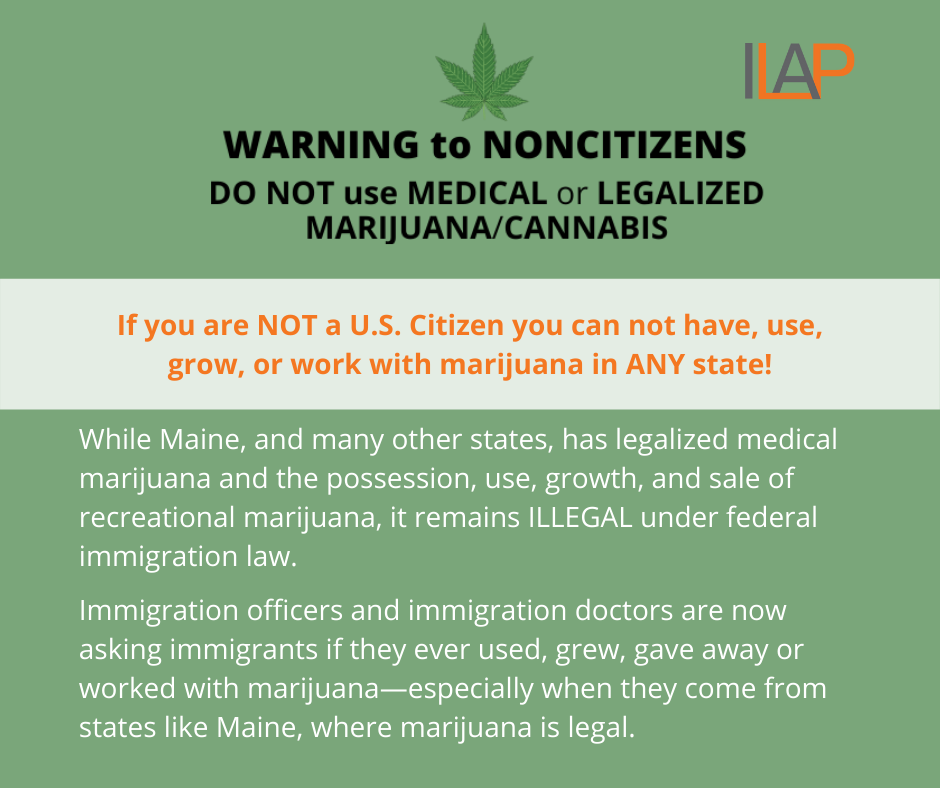
For tourists, the adult-use market is the gateway. Anyone 21 years of age or older, with a valid government-issued ID, can legally purchase cannabis from licensed recreational dispensaries. It’s crucial to understand that while cannabis is legal at the state level in Maine, it remains illegal under federal law. This discrepancy has significant implications, particularly concerning travel and consumption on federal lands, which we will explore further.
Possession Limits and Where to Purchase
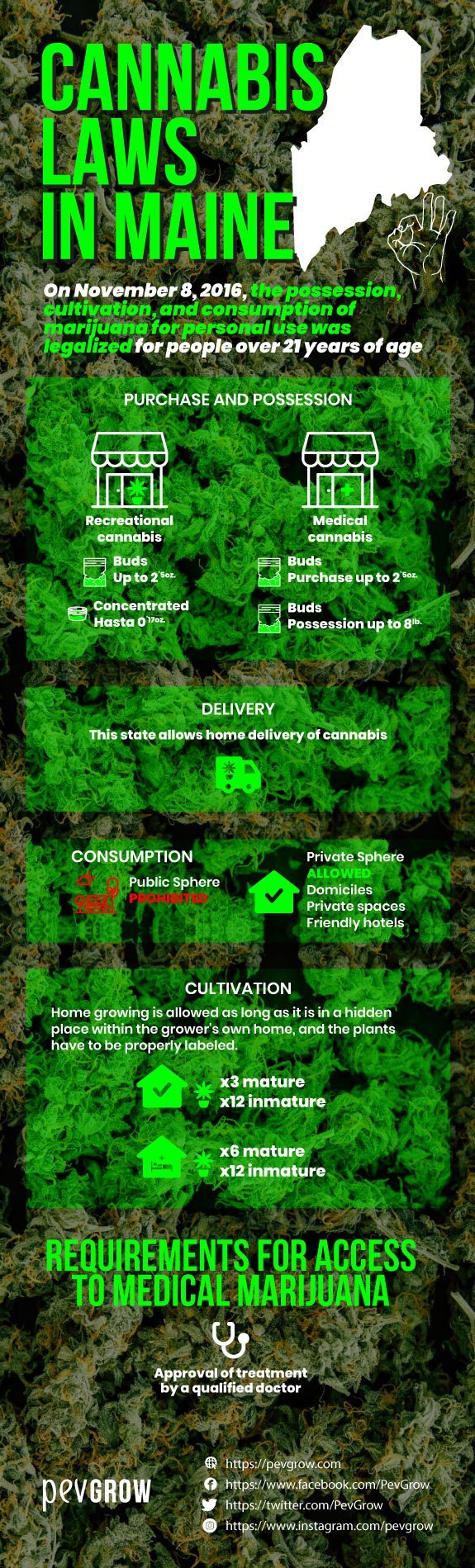
When visiting Maine, adults aged 21 and over are legally permitted to possess up to 2.5 ounces (70 grams) of prepared marijuana. This limit applies to a combination of marijuana flower, marijuana concentrate, and marijuana products (like edibles). However, there’s a specific cap within this total: no more than 5 grams of marijuana concentrate are allowed. This distinction is important for those who prefer vape cartridges, dabs, or other concentrated forms.
Purchasing cannabis in Maine is restricted to licensed recreational cannabis stores. These establishments are regulated by the state and are the only legal source for adult-use purchases. You’ll find a growing number of these dispensaries in urban centers like Portland, Augusta, and other tourist-friendly towns. It is illegal to purchase cannabis from unlicensed sources, including individuals on the street or through unverified online platforms. Always look for official signage indicating a licensed recreational cannabis store to ensure you are buying legal and tested products. Remember to bring a valid ID, as stores strictly enforce age verification.
Navigating Public Consumption Rules
While purchasing and possessing cannabis is legal within the defined limits, consumption rules are more stringent, mirroring those for alcohol. It is illegal to consume cannabis in public places in Maine. This includes parks, sidewalks, beaches, restaurants, bars, and any other area accessible to the public. Violating public consumption laws can lead to fines and other penalties, so discretion is key.
The law specifies that cannabis must be consumed on private property, out of public view. This means within a private residence where consumption is permitted by the owner. For tourists, this presents a challenge, as many hotels and rental properties have strict no-smoking policies, which often extend to vaping and other forms of cannabis consumption. It’s imperative to discuss cannabis policies directly with your accommodation provider before consuming any products on their premises. This aspect significantly impacts a traveler’s ability to legally and comfortably consume cannabis during their stay.
Exploring Maine’s Cannabis-Friendly Travel Landscape
The advent of legal cannabis has added a new dimension to Maine’s tourism industry, influencing accommodation choices, local activities, and even how visitors plan their itineraries around iconic landmarks and serene natural spaces. Understanding the practicalities of integrating cannabis into your travel plans is crucial for a hassle-free experience.
Finding Cannabis-Friendly Accommodation
One of the most significant challenges for cannabis consumers traveling to Maine is finding suitable accommodation. As mentioned, public consumption is illegal, and most hotels, resorts, and vacation rentals (such as those booked through Airbnbs or VRBO) maintain strict no-smoking or no-cannabis policies. This is often due to a combination of local ordinances, insurance policies, and a desire to maintain a particular atmosphere for all guests.
Some forward-thinking bed & breakfasts or private rentals may explicitly state their cannabis-friendly policies, but these are still relatively rare. Your best course of action is always to inquire directly with the property owner or management about their stance on cannabis consumption before booking. If internal consumption is prohibited, remember that consuming outdoors in a private, secluded area on the property (if permitted by the owner) is generally acceptable, but never in shared or public-facing spaces. Some travelers opt for edibles or other non-combustible forms of cannabis to mitigate issues related to smoke and odor, though consumption rules still apply.
Responsible Consumption and Public Safety
Just as with alcohol, responsible cannabis consumption is vital. It is illegal to drive under the influence of marijuana in Maine. Operating a vehicle while impaired can lead to severe penalties, including fines, license suspension, and even jail time. If you plan to consume cannabis, arrange for alternative transportation such as ride-sharing services, taxis, or designated drivers. Maine’s scenic roads, especially those leading to Acadia National Park or along the rocky coast, demand full attention and sobriety.
Furthermore, especially for those new to cannabis or trying new products, starting with a low dose and waiting to understand the effects is always recommended. Edibles, in particular, can have delayed and more intense effects than inhaled cannabis. Always consume in a safe and private environment. Public intoxication or disorderly conduct related to cannabis use can still lead to legal trouble, even though the substance itself is legal.
Geographic Considerations: Key Cities and Regions
While statewide laws provide a general framework, the accessibility and local perception of cannabis can vary slightly across Maine’s diverse regions.
- Portland: As Maine’s largest city and a major tourism hub, Portland has the highest concentration of recreational dispensaries. Its vibrant food scene, craft breweries, and cultural attractions make it an ideal base for exploring, and cannabis is readily available.
- Bar Harbor & Acadia National Park: This popular tourist destination, adjacent to the only national park in New England, also has dispensaries. However, it’s critical to remember that Acadia National Park is federal land, where federal laws supersede state laws. This means cannabis is strictly illegal within the park boundaries, regardless of Maine’s state laws. Consumption or possession in Acadia National Park can result in federal charges.
- Kennebunkport & Southern Maine: These charming coastal towns also offer access to dispensaries, albeit potentially fewer than in Portland. The emphasis here remains on discreet and private consumption.
- Rural Maine: In more remote and rural areas, dispensaries might be scarcer, and local attitudes towards cannabis may be more conservative. Planning your purchases in advance when visiting less populated regions is advisable.
No matter where you are in Maine, the principle of private consumption and adherence to state and federal laws remains constant.
The Broader Impact of Cannabis Legalization on Maine Tourism and Lifestyle
The legalization of cannabis has done more than just open new stores; it has begun to weave itself into the fabric of Maine’s economy, influencing its appeal as a lifestyle destination and posing unique considerations for travelers.
Economic Contributions and the Budding Industry
The cannabis industry in Maine is a significant economic driver, contributing to job creation, local tax revenue, and agricultural innovation. Retail sales generate substantial tax dollars that can be reinvested into state programs and services. For tourists, this means a regulated market ensures product safety and quality, with licensed dispensaries offering a wide array of tested products, including various strains, edibles, concentrates, and topicals. This focus on consumer safety and regulated access is a hallmark of Maine’s mature cannabis market, differentiating it from illicit sources. The industry also supports local businesses, from cultivators and processors to retail employees and tourism operators who cater to a broader range of visitor interests.
Lifestyle and Cultural Integration
For many visitors, [Maine](https://lifeoutofthebox.com/maine]’s appeal lies in its rugged outdoor beauty, fresh seafood, and distinctive New England charm. Legal cannabis has subtly integrated into this lifestyle, particularly among those who enjoy outdoor activities like hiking, kayaking, or simply relaxing by the coast. The opportunity to pair cannabis with these experiences, responsibly and privately, adds a unique dimension for some travelers. It aligns with a broader trend of wellness tourism and the pursuit of unique, local experiences. However, it’s important to note that Maine’s identity is not defined solely by cannabis legalization; it’s simply one facet of a diverse and welcoming state.
Navigating State Borders and Federal Law
This is perhaps the most critical consideration for any traveler planning to purchase cannabis in Maine. Despite its legality within the state, cannabis remains a Schedule I controlled substance under federal law in the United States. This federal prohibition has direct and serious implications for travel:
- Crossing State Lines: It is illegal to transport cannabis across state lines, even if both the origin and destination states have legalized it. This applies whether you are driving to neighboring New Hampshire or Massachusetts, or flying to any other state. Border patrol agents (including those at the Canada border) are federal agents and will enforce federal law.
- Air Travel: Taking cannabis on an airplane, even within Maine, is against federal law. Airports are under federal jurisdiction, and the Transportation Security Administration (TSA) operates under federal guidelines. While TSA’s primary focus is security threats, if they discover cannabis, they are obligated to refer the matter to law enforcement.
- Federal Lands: As previously mentioned, national parks, national forests, and other federal properties (like certain ports or military bases) within Maine are subject to federal law. Cannabis is illegal on these lands.
Therefore, the golden rule for cannabis in Maine is: consume it responsibly and legally within the state, but do not attempt to take it out of the state or onto federal property. This is a non-negotiable aspect of responsible cannabis tourism. States like Colorado, California, Oregon, Washington, Alaska, Vermont, Illinois, Michigan, Montana, New Jersey, New Mexico, New York, Virginia, Arizona, Missouri, Maryland, Delaware, Ohio, and Minnesota also face similar federal vs. state law dilemmas.
In conclusion, Maine has indeed legalized marijuana for both medical and adult recreational use, making it an accessible option for visitors aged 21 and older. However, enjoying this aspect of Maine’s lifestyle requires a commitment to understanding and respecting the specific regulations in place. By adhering to possession limits, consuming only on private property, avoiding federal lands, never driving under the influence, and absolutely refraining from transporting cannabis across state lines, travelers can ensure a legal, safe, and truly unforgettable experience in one of New England’s most captivating destinations.
LifeOutOfTheBox is a participant in the Amazon Services LLC Associates Program, an affiliate advertising program designed to provide a means for sites to earn advertising fees by advertising and linking to Amazon.com. Amazon, the Amazon logo, AmazonSupply, and the AmazonSupply logo are trademarks of Amazon.com, Inc. or its affiliates. As an Amazon Associate we earn affiliate commissions from qualifying purchases.