
When planning a trip to the scenic beauty of Maine, from its rugged coastlines to its pristine wilderness, one of the foundational pieces of information a traveler needs is its time zone. Understanding Maine’s time zone is not merely a matter of knowing what time it is; it significantly impacts everything from flight schedules and hotel check-ins to maximizing daylight for sightseeing and immersing oneself in local culture. For avid travelers and meticulous planners, grasping the nuances of the local time ensures a seamless and enriching experience, aligning with the core aspects of travel, accommodation, and lifestyle exploration that define a truly great journey.
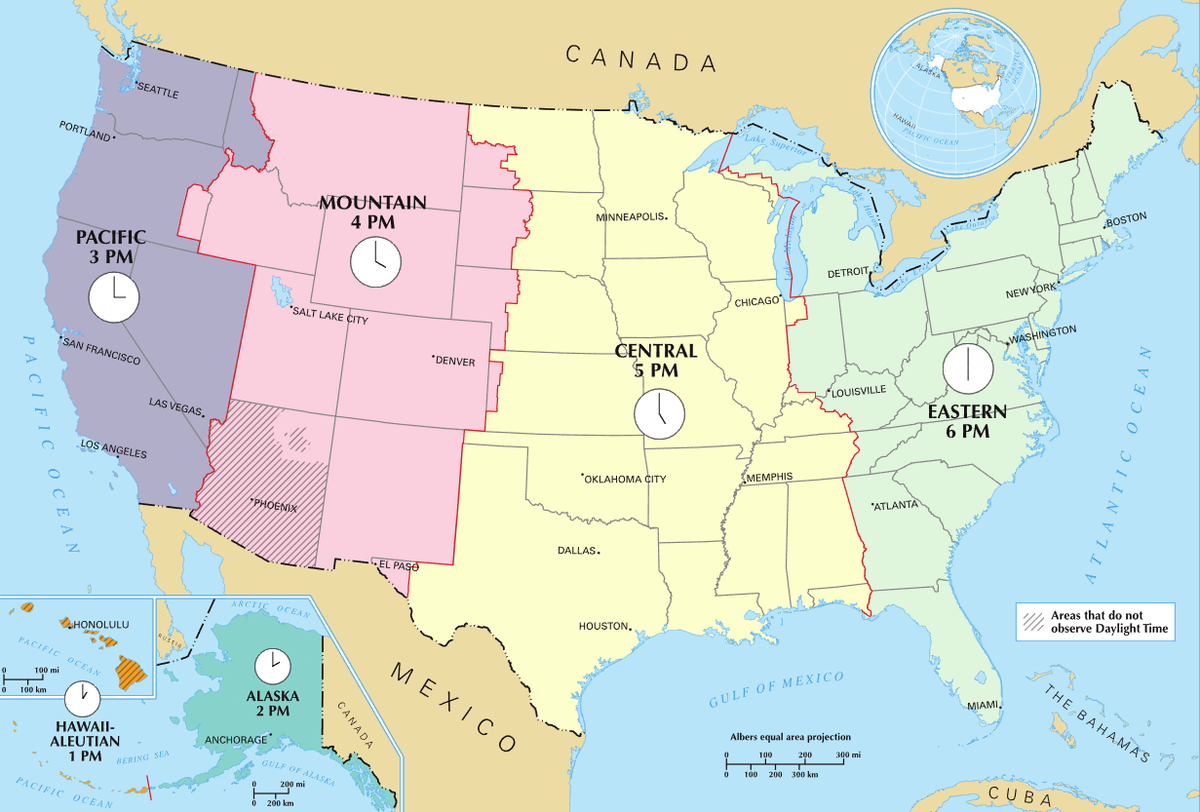
Maine’s Time Zone Explained: Eastern Standard Time (EST) and Eastern Daylight Time (EDT)
Maine, like much of the East Coast of the United States, observes the Eastern Time Zone. This designation is crucial for anyone traveling to, from, or within the state, as well as for those coordinating activities with individuals in other parts of the world. The Eastern Time Zone operates on two distinct settings throughout the year: Eastern Standard Time (EST) and Eastern Daylight Time (EDT).
Understanding EST and EDT
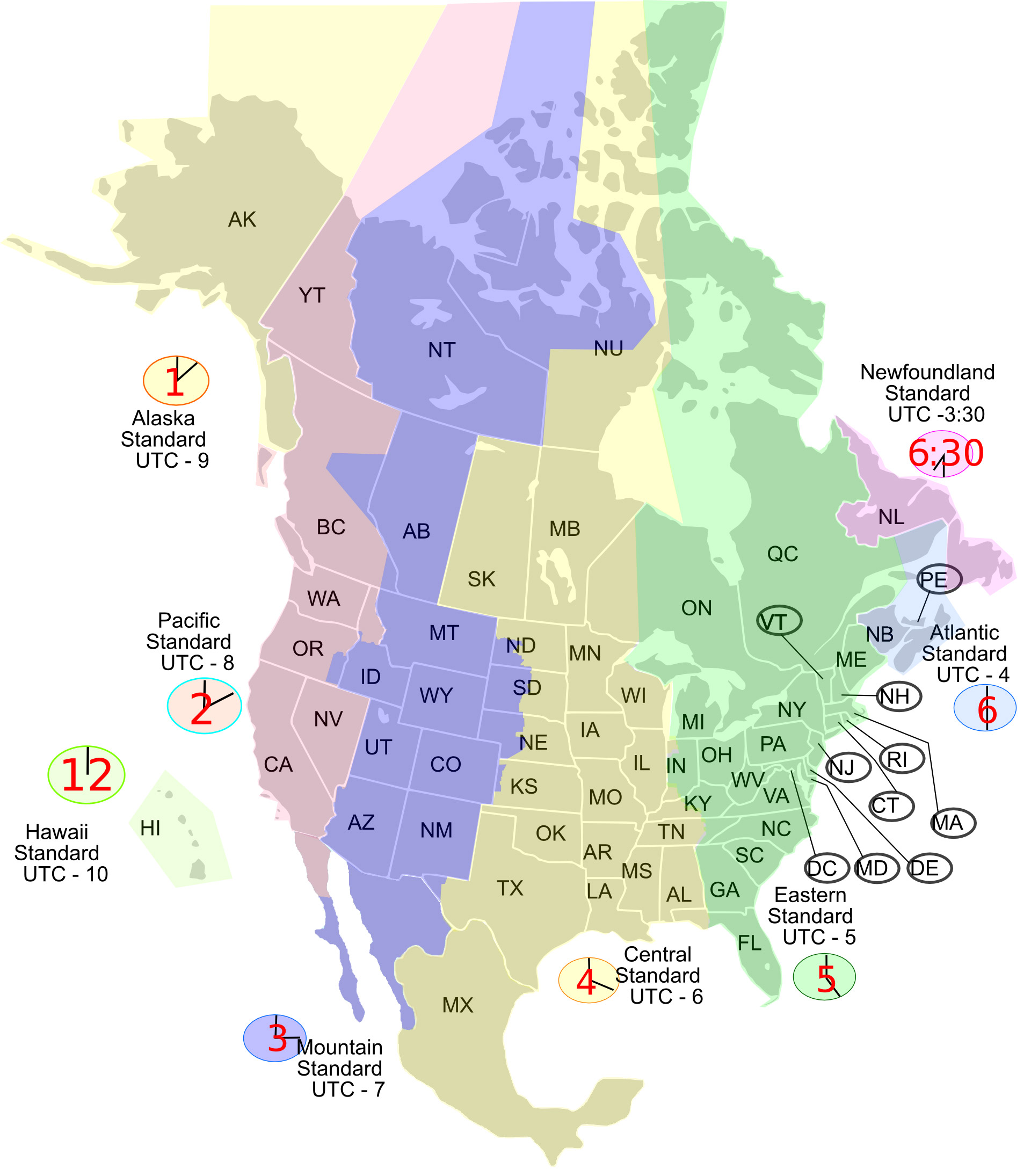
Eastern Standard Time (EST) is observed during the fall and winter months. It is five hours behind Universal Coordinated Time (UTC-5), which is the primary time standard by which the world regulates clocks and time. Formerly known as Greenwich Mean Time, UTC serves as the basis for various local time zones across the globe. When Maine is on EST, 12:00 PM (noon) in Maine corresponds to 5:00 PM UTC.
Conversely, Eastern Daylight Time (EDT) comes into effect during the spring and summer months. This change, commonly known as Daylight Saving Time, involves advancing clocks by one hour. Consequently, EDT is four hours behind Universal Coordinated Time (UTC-4). This shift typically occurs on the second Sunday in March, when clocks “spring forward,” and reverts on the first Sunday in November, when they “fall back.” The purpose of Daylight Saving Time is to make better use of natural daylight, pushing an hour of daylight from the early morning into the evening. For travelers, this means longer daylight hours for outdoor activities and sightseeing during the peak tourist season in Maine.
The Rationale Behind Maine’s Time Zone
Maine’s adherence to the Eastern Time Zone is a matter of geographical and logistical alignment. Situated on the northeasternmost tip of the United States, its longitude places it firmly within this zone, alongside major metropolitan areas like New York City, Washington D.C., and Miami. This uniformity facilitates commerce, communication, and travel across the densely populated East Coast.
While Maine is the easternmost state, leading to some of the earliest sunrises in the United States, especially in places like Acadia National Park’s Cadillac Mountain, it does not observe the Atlantic Time Zone, which is utilized by neighboring New Brunswick and Nova Scotia in Canada. The decision to remain within the Eastern Time Zone for a state like Maine balances the benefits of aligning with major population centers to its south and west against the minor inconvenience of having slightly earlier sunrises compared to the official “start” of the time zone. This strategic choice ensures consistent business operations, travel planning, and general daily life across a significant portion of the country.
Navigating Time Zones for a Seamless Maine Travel Experience
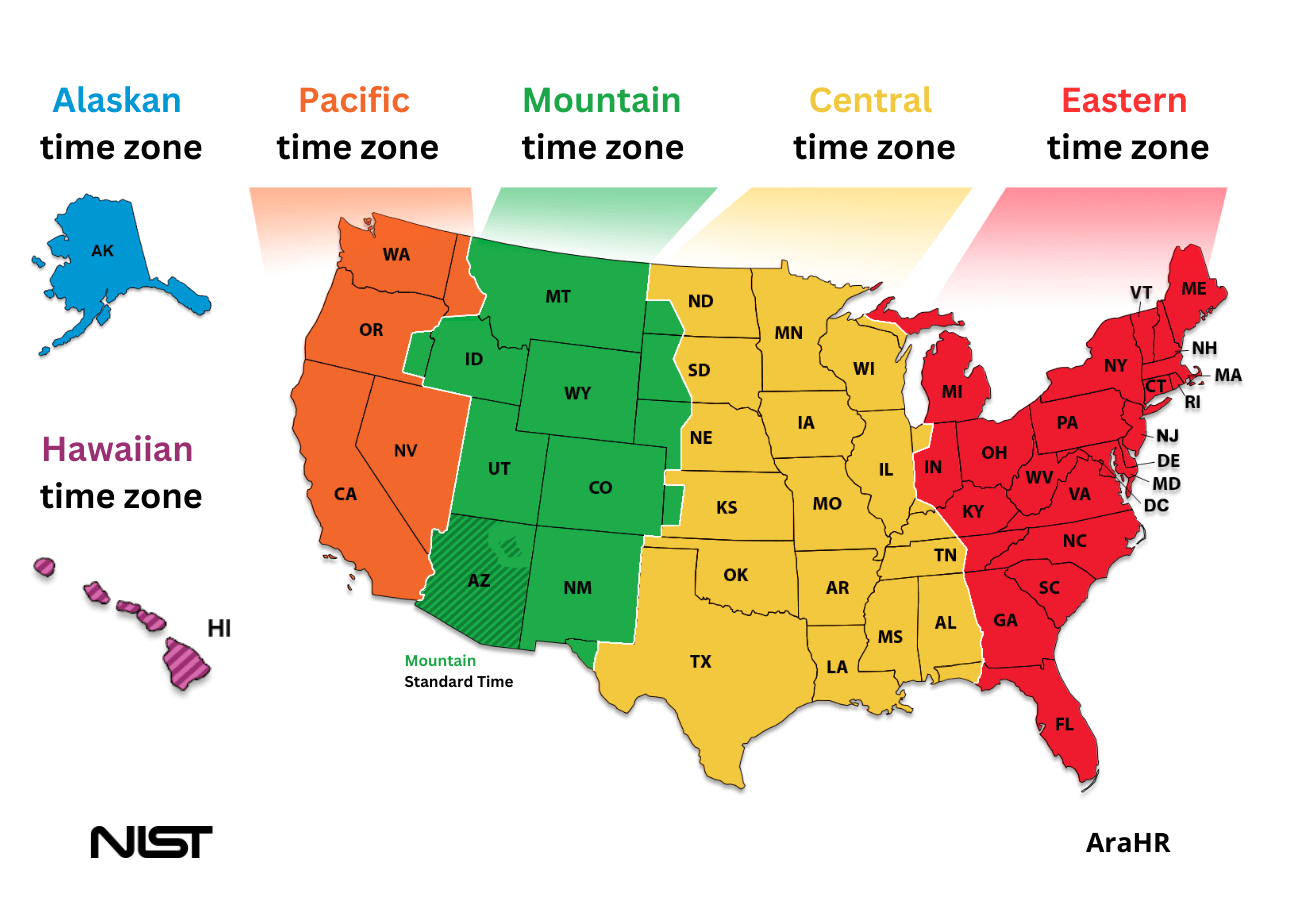
Understanding Maine’s time zone is paramount for crafting a truly seamless travel experience. From the initial stages of planning to the daily execution of your itinerary, time zone awareness touches upon every aspect of a trip, from booking accommodations to exploring local attractions. For travelers coming from different parts of the United States, such as the Central Time Zone, Mountain Time Zone, or Pacific Time Zone, a shift in schedule is inevitable. Even visitors from Alaska or Hawaii will experience significant adjustments.
Planning Your Itinerary and Activities
Effective itinerary planning hinges on precise time management. When researching attractions, tours, and restaurants in Maine, always confirm their operating hours in local EDT or EST. A whale watching tour might depart promptly at 9:00 AM local time, or a historic lighthouse might close its doors at 5:00 PM. Missing these windows due to a miscalculation of the time zone can lead to disappointment and wasted travel time.
Furthermore, for those interested in photography, knowing the sunrise and sunset times – which are directly influenced by the time zone and Maine’s eastern location – is vital. Capturing the iconic dawn from Cadillac Mountain in Acadia National Park requires a very early start, especially during EDT when daylight begins even earlier. Planning daily activities, such as hiking the Appalachian Trail near Mount Katahdin or exploring the shops of Bar Harbor, becomes more efficient when you’re fully synced with the local clock.
Booking Accommodations and Flights
The travel and accommodation sectors are perhaps the most acutely affected by time zone differences. When booking flights, all departure and arrival times are typically listed in the local time zone of the respective airports. A flight from Chicago (Central Time) to Portland, Maine (Eastern Time), for instance, will show an earlier departure time in Chicago but a later arrival time in Portland due to the two-hour time difference. Always double-check these details to avoid missing connections or arriving at an unexpected hour.
Similarly, hotel check-in and check-out times are strictly enforced according to local Maine time. Arriving an hour late for a guaranteed check-in or missing a check-out deadline can lead to additional fees or inconveniences. When communicating with hotels or booking platforms from a different time zone, it’s always wise to specify whether you are referring to your local time or Maine time. This clarity is crucial whether you’re securing a luxurious suite in Kennebunkport or a cozy cabin near Baxter State Park.
Maximizing Daylight Hours for Exploration
One of Maine’s greatest assets, particularly during its vibrant summer and fall seasons, is its abundant daylight. Being in the Eastern Time Zone and positioned so far east means that during EDT, sunrises can be remarkably early – often before 5:00 AM – and sunsets extend well into the evening, around 8:00 PM. This extended daylight is a boon for tourism, allowing visitors to pack more activities into their day.
From scenic drives along the Coastal Route 1 to exploring the charming streets of Portland’s Old Port, more hours of sunlight translate to more opportunities for exploration, photography, and enjoying outdoor recreation without feeling rushed. For families, this can mean more time at the beach or enjoying outdoor hotel amenities. For adventurers, it means longer hiking windows or more time for kayaking and fishing. Understanding this daylight dynamic allows travelers to strategically plan their days to make the most of every precious hour.
Time Zone Impact on Maine’s Lifestyle and Tourism
The rhythm of life in Maine is subtly but significantly shaped by its position within the Eastern Time Zone. This extends beyond mere clock-watching to influence local culture, dining habits, and the scheduling of events, all of which are integral to the tourism experience. For visitors seeking to truly immerse themselves in the “Way Life Should Be” – Maine’s state motto – understanding these time-related aspects is key.
Daily Rhythms and Local Culture
Maine’s residents, like those throughout New England, generally operate on a schedule aligned with the Eastern Time Zone. This means typical business hours for shops, banks, and government offices usually run from 9:00 AM to 5:00 PM. However, what sets Maine apart is its early sunrises, particularly during daylight saving months. This natural phenomenon often encourages an earlier start to the day for many Mainers, especially those involved in outdoor industries like lobstering, farming, or logging.
Visitors might notice that some local cafes and breakfast spots open quite early to cater to this rhythm. Embracing an earlier start can be a fantastic way to experience local life, enjoy quieter mornings at popular attractions, and witness the stunning Maine sunrise, which is often a spectacle of its own. The lifestyle here often leans towards appreciation for the natural world and making the most of available daylight, which can be a refreshing change for those accustomed to later city schedules.
Culinary Experiences and Dining Hours
Maine’s vibrant culinary scene, famous for its fresh seafood, farm-to-table restaurants, and craft breweries, also operates within the parameters of the Eastern Time Zone. Most restaurants will begin serving lunch around 11:30 AM or 12:00 PM and dinner service typically commences between 5:00 PM and 6:00 PM, often wrapping up by 9:00 PM or 10:00 PM, especially in smaller towns.
For travelers, this means planning dinner reservations accordingly. In popular tourist hubs like Portland or Kennebunkport, securing a table at a sought-after restaurant might require booking well in advance, and showing up on time is crucial. The earlier sunset during EST months (fall/winter) might encourage earlier dining, while the long summer evenings of EDT could inspire more leisurely al fresco meals. Being aware of these typical dining schedules ensures you can savor Maine’s gastronomic delights without missing out.
Special Events and Seasonal Attractions
Throughout the year, Maine hosts a diverse array of festivals, fairs, and cultural events. From summer seafood festivals to autumn harvest celebrations and winter carnivals, these events are all meticulously scheduled according to the Eastern Time Zone. Whether it’s the Maine Lobster Festival in Rockland, the North Atlantic Blues Festival, or a local arts fair, understanding the specific start and end times is crucial for participation.
Seasonal attractions also have time-sensitive operations. Ferry schedules to Maine’s islands, the last entry time for museums, or the operating hours of ski resorts are all dictated by the local clock. Travelers planning a visit around a specific event or attraction should always confirm the times, taking into account the time zone, to ensure a smooth and enjoyable experience. This careful planning aligns with a lifestyle of thoughtful travel, ensuring every moment spent in Maine is maximized for enjoyment and discovery.
From Sunrise to Sunset: Iconic Maine Destinations and Time Considerations
Maine’s allure lies in its diverse landscapes and captivating destinations. For each iconic spot, understanding the nuances of the Eastern Time Zone enhances the visitor experience, dictating the best times to visit, capture photographs, or simply soak in the atmosphere.
Coastal Wonders: Acadia National Park and Bar Harbor
No discussion of Maine is complete without mentioning Acadia National Park and its charming gateway town, Bar Harbor. As one of the most visited national parks in the United States, Acadia offers breathtaking scenery, from granite peaks to rocky shorelines. The park’s crown jewel, Cadillac Mountain, holds the distinction of being one of the first places in the United States to see the sunrise during certain times of the year.
For travelers seeking to witness this spectacular dawn, an extremely early start is non-negotiable, often requiring a departure from Bar Harbor well before 4:00 AM local EDT during the summer months. Park Loop Road, the main scenic drive, and various hiking trails have specific access times which must be respected. In Bar Harbor, tour boats, carriage rides, and local shops operate on strict schedules that factor in the early daylight and the flow of tourist traffic. Understanding these time constraints is vital for a rewarding visit, allowing you to experience the beauty without feeling rushed.
Historic Cities: Portland and Kennebunkport
Portland, Maine’s largest city, is a vibrant hub known for its culinary scene, historic architecture, and bustling Old Port. A day in Portland can involve a morning stroll through the Eastern Promenade, a mid-day exploration of local boutiques, and an evening of fine dining. All these activities are framed by the Eastern Time Zone. Restaurant reservations, happy hour specials, and ferry departures to Casco Bay Islands all adhere to this schedule.
Similarly, the affluent coastal town of Kennebunkport draws visitors with its picturesque beaches, charming boutiques, and historic homes. While the pace might seem leisurely, tours of President George H.W. Bush’s Walker’s Point, sailing excursions, and gallery opening hours are all time-sensitive. The long summer evenings provide ample opportunity for leisurely walks along Goose Rocks Beach or enjoying cocktails with sunset views from a waterfront resort, but knowing sunset times helps plan these perfectly.
The Northern Frontier: Baxter State Park and Wilderness Adventures
For those venturing deeper into Maine’s wilderness, places like Baxter State Park offer a different set of time considerations. This vast wilderness preserve, home to Mount Katahdin and the northern terminus of the Appalachian Trail, enforces strict gate hours and visitor policies. Entry and exit times are tied to the Eastern Time Zone, and missing these can disrupt carefully planned backcountry trips.
Hikers attempting the challenging ascent of Mount Katahdin must start exceptionally early to complete the strenuous trek before dark, a decision heavily influenced by the mountain’s remoteness and the variable sunset times. Even for simpler day hikes or wildlife viewing, understanding the daylight hours in these northern latitudes, where the sun’s arc can differ slightly from the coast, is crucial for safety and enjoyment. Wilderness travel in Maine often requires meticulous planning around the clock, embracing the early light and respecting the approaching dusk.
Practical Tips for Travelers to Maine
Adjusting to a new time zone, even one within the same country, can sometimes be challenging. However, with a few practical strategies, travelers can ensure a smooth transition and make the most of their visit to Maine. These tips focus on minimizing the effects of jet lag and maintaining clear communication, ensuring a delightful travel experience that aligns with the best practices of lifestyle travel.
Adjusting to the Eastern Time Zone
For visitors arriving from western time zones (Central, Mountain, Pacific), a key challenge will be adapting to the earlier clock.
- Gradual Adjustment: If possible, begin shifting your sleep schedule a few days before your trip. Go to bed and wake up an hour or two earlier each day to gradually align with Maine time.
- Embrace Daylight: Upon arrival, immediately set your watch to Maine time. Spend as much time as possible outdoors during daylight hours to help reset your body’s internal clock. The bright Maine sun is your friend in combating grogginess.
- Stay Hydrated and Mindful of Caffeine/Alcohol: Dehydration can exacerbate jet lag symptoms. Limit excessive caffeine and alcohol, especially closer to bedtime, as they can interfere with sleep quality.
- Nap Strategically: If you need to nap, keep it short (20-30 minutes) and early in the day to avoid disrupting your night’s sleep.
- Prioritize Sleep: Ensure your accommodation offers a comfortable sleeping environment. Hotels, resorts, and even charming bed and breakfasts in Maine understand the importance of a good night’s rest for travelers.
Communication Across Time Zones
Whether you’re coordinating with family back home or managing work remotely, understanding time differences is vital.
- Time Zone Converters: Utilize online time zone converters or world clock apps to quickly determine the current time in different locations. This is particularly useful for scheduling calls or virtual meetings.
- Clarity in Communication: When discussing meeting times or schedules, always specify the time zone (e.g., “3:00 PM EST” or “3:00 PM Maine time”) to avoid confusion.
- Consider Buffer Times: If scheduling calls with significant time differences, build in buffer times to account for potential delays or adjustments.
Technology and Time Zone Management
Modern technology makes time zone transitions far simpler than they once were.
- Smartphone Auto-Update: Most smartphones automatically detect and adjust to the local time zone when you arrive. Ensure this feature is enabled on your device.
- Smartwatches: Many smartwatches also offer automatic time zone updates and can display multiple time zones simultaneously, which is handy for quick reference.
- Offline Access: If you’ll be venturing into remote areas of Maine where cell service might be spotty, ensure your digital itinerary and any time-sensitive information are accessible offline.
- Charge Devices: Keep your devices charged, especially if you rely on them for timekeeping, navigation, and communication. A portable power bank can be a valuable addition to your travel gear.
By proactively managing time zone adjustments and leveraging available tools, travelers can fully immerse themselves in the beauty and unique rhythm of Maine, making their travel, accommodation, and lifestyle experiences truly memorable. Maine’s position in the Eastern Time Zone is a fundamental aspect of its identity, influencing its daily life and how visitors interact with its rich tapestry of attractions and culture. Acknowledging and planning around this simple fact is the first step toward a perfectly orchestrated adventure in the Pine Tree State.
LifeOutOfTheBox is a participant in the Amazon Services LLC Associates Program, an affiliate advertising program designed to provide a means for sites to earn advertising fees by advertising and linking to Amazon.com. Amazon, the Amazon logo, AmazonSupply, and the AmazonSupply logo are trademarks of Amazon.com, Inc. or its affiliates. As an Amazon Associate we earn affiliate commissions from qualifying purchases.