
The distance between Miami and Fort Lauderdale is a common question for anyone planning a trip to South Florida. These two vibrant cities, while distinct in character, are remarkably close, making them an ideal duo for travelers seeking diverse experiences within a compact geographical area. Understanding their proximity and the various travel options available is key to crafting an unforgettable journey through this dazzling part of Florida.
The Gateway to South Florida: Understanding the Proximity of Miami and Fort Lauderdale
The metropolitan areas of [Miami] and [Fort Lauderdale] are practically contiguous, blurring the lines where one city ends and the other begins for many visitors. This close relationship offers unparalleled convenience for travelers looking to explore both the electric energy of [Miami] and the relaxed, waterfront charm of [Fort Lauderdale] without extensive travel times.
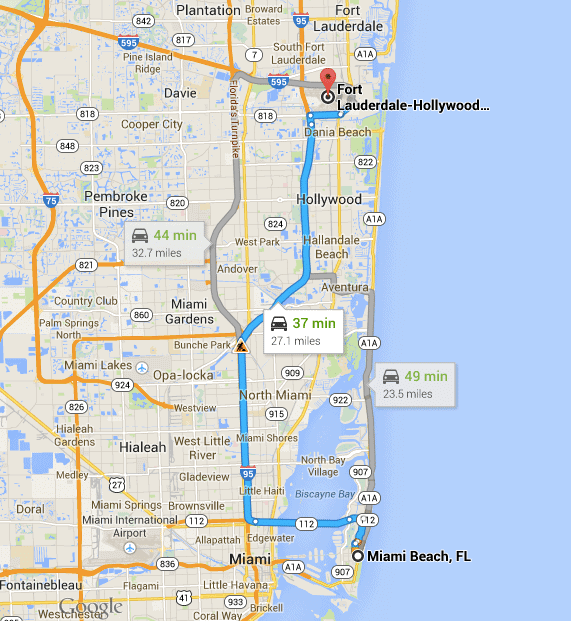
Distance & Driving Time
On average, the driving distance between downtown [Miami] and downtown [Fort Lauderdale] is approximately 25 to 30 miles (40 to 48 kilometers). However, depending on your exact starting and ending points within each sprawling metropolitan area, this can fluctuate slightly. For instance, traveling from Miami International Airport to Fort Lauderdale-Hollywood International Airport covers a similar range.
The travel time by car is typically around 30 to 45 minutes under ideal traffic conditions. However, [South Florida] is notorious for its traffic congestion, especially during peak commuter hours (mornings from 7:00 AM to 9:00 AM and afternoons from 4:00 PM to 6:00 PM on weekdays). During these times, the journey can easily extend to an hour or even longer. Planning your travel outside these windows is highly recommended to ensure a smooth and swift transition between the cities. Major routes include Interstate 95 (I-95), which is the most direct, and sometimes the Turnpike (Florida’s Turnpike) can offer an alternative, though it generally involves tolls.
Various Transportation Options
Traveling between [Miami] and [Fort Lauderdale] is straightforward, thanks to a robust network of transportation options catering to every budget and preference.
Driving Your Own Vehicle
For those who prefer the freedom and flexibility of having their own wheels, driving is a popular choice. Car rental agencies are plentiful at both [Miami International Airport] and [Fort Lauderdale-Hollywood International Airport], as well as throughout the respective cities. Having a car allows you to explore beyond the city centers, venturing into areas like Everglades National Park or the charming neighborhoods of Coconut Grove and Coral Gables in [Miami], or the coastal towns north of [Fort Lauderdale] like Pompano Beach. Remember to factor in parking costs, which can vary significantly depending on the location.
Public Transportation: Brightline, Tri-Rail, Buses
Public transportation has become an increasingly attractive option. The most luxurious and efficient choice is the Brightline high-speed rail service. [Brightline] connects downtown [Miami], [Fort Lauderdale], and [West Palm Beach], offering a comfortable, fast, and modern travel experience. Trains are equipped with Wi-Fi, comfortable seating, and food and beverage service, making the 30-minute journey feel like a breeze. This service is particularly appealing for business travelers or those seeking a premium experience without the hassle of driving and parking.
Another reliable option is the Tri-Rail commuter rail system, which runs parallel to I-95 and serves 18 stations from Mangonia Park in Palm Beach County down to [Miami International Airport]. While slower than [Brightline] and primarily used by commuters, [Tri-Rail] is a cost-effective way to travel between the cities, with stations conveniently located near major attractions and transfer points to local bus services.
Local bus services, operated by Miami-Dade Transit and Broward County Transit, also connect the two areas, though these journeys are typically longer and involve multiple stops, making them less ideal for direct inter-city travel but useful for navigating within each city once you arrive.
Ride-Sharing Services and Taxis
For door-to-door convenience without the commitment of a rental car, ride-sharing services like Uber and Lyft are widely available in [South Florida]. A ride from [Miami] to [Fort Lauderdale] can range from $40 to $70, depending on traffic, demand, and the service level selected. Taxis are also readily available, often with comparable pricing, though ride-sharing apps typically offer more transparency regarding fares upfront. These options are particularly convenient for travelers with luggage or those looking to avoid navigating unfamiliar roads.
Private Shuttles and Tours
Several private shuttle services operate between [Miami] and [Fort Lauderdale], especially catering to cruise passengers or groups. These services offer pre-booked, comfortable transfers, often directly to hotels or cruise ports, removing any travel stress. Additionally, various tour operators offer excursions that might include transportation between the cities as part of a larger [South Florida] itinerary, blending sightseeing with convenient transit.
Exploring the Dynamic Duo: What Each City Offers
While geographically close, [Miami] and [Fort Lauderdale] each possess a distinct personality and an array of attractions that cater to different tastes, making a combined visit exceptionally rewarding.
Miami: The Magic City’s Allure
[Miami] is an internationally renowned metropolis, celebrated for its glamorous beaches, vibrant arts scene, rich cultural tapestry, and pulsating nightlife. It’s a city that buzzes with energy, offering a truly global experience.Iconic Beaches and Urban Sophistication
The allure of [Miami] often begins with its pristine beaches. South Beach, with its legendary sands, pastel-hued Art Deco Historic District, and celebrity sightings, remains an iconic destination for sun-seekers and trendsetters. Beyond [South Beach], areas like Sunny Isles Beach offer a more relaxed, upscale atmosphere with towering luxury condominiums and tranquil shores. The city’s sophisticated side is evident in its high-end shopping districts, world-class dining, and a thriving fashion scene.
Cultural Hotspots and Culinary Delights
[Miami]’s cultural landscape is a vibrant mosaic, largely influenced by its strong Latin American and Caribbean heritage. A visit to Little Havana is a must, where the aroma of Cuban coffee fills the air, and the sounds of salsa spill from cafes along Calle Ocho. The Wynwood Walls transform an industrial area into an open-air art museum, showcasing breathtaking street art and a bohemian vibe, surrounded by trendy galleries, breweries, and eateries. Cultural institutions like the Pérez Art Museum Miami (PAMM) and the Phillip and Patricia Frost Museum of Science offer intellectual stimulation for all ages. [Miami]’s culinary scene is a global melting pot, from Michelin-starred restaurants to authentic food trucks, satisfying every palate and budget.
Adventure and Nature Escapes
Beyond the urban sprawl, [Miami] offers unparalleled access to natural wonders. The vast wilderness of [Everglades National Park] is just a short drive away, inviting visitors to explore its unique ecosystem via airboat tours, walking trails, or kayaking. Similarly, Biscayne National Park, primarily an aquatic park, is a paradise for snorkeling, diving, and boating, revealing vibrant coral reefs and diverse marine life. These natural landmarks provide a refreshing contrast to the city’s urban energy.
Fort Lauderdale: The Venice of America
Often dubbed the “Venice of America” due to its extensive canal system, [Fort Lauderdale] presents a slightly more laid-back yet equally captivating experience. It’s a city that effortlessly blends a relaxed beach town feel with sophisticated cultural attractions and a strong emphasis on outdoor and water-based activities.
Boating, Beaches, and Boulevard Charms
[Fort Lauderdale]’s 300 miles of inland waterways are central to its identity, teeming with yachts and water taxis. Exploring these canals offers a unique perspective of the city’s impressive waterfront properties and lively maritime culture. Fort Lauderdale Beach boasts a picturesque promenade, perfect for strolling, rollerblading, or simply relaxing on the wide, sandy shores. The beach area is less frenetic than [South Beach], making it a favorite for families and those seeking a more tranquil sunbathing experience. Running parallel to the beach, Las Olas Boulevard is the heart of the city’s upscale shopping, dining, and nightlife scene, lined with boutiques, art galleries, and acclaimed restaurants, extending to the charming Riverwalk Fort Lauderdale along the New River.Art, History, and Family Fun
[Fort Lauderdale] is rich in cultural offerings. The Bonnet House Museum & Gardens provides a fascinating glimpse into early 20th-century [Florida] through the eyes of artists Frederic Clay Bartlett and Evelyn Fortune Lilly. The historic Stranahan House Museum, the oldest surviving structure in [Fort Lauderdale], tells the story of the city’s pioneering days. For nature lovers, Hugh Taylor Birch State Park offers an urban oasis with hiking trails, kayaking, and picnicking opportunities. The city also provides abundant family-friendly activities, from interactive museums to water sports, making it an excellent destination for all ages.Relaxed Luxury and Waterfront Living
While [Miami] is known for its high-octane luxury, [Fort Lauderdale] offers a more understated elegance. Waterfront dining, boutique hotels, and exclusive resorts cater to those seeking a serene yet sophisticated escape. The emphasis here is on enjoying the natural beauty of the coast and canals, often from the comfort of a private yacht charter or a scenic water taxi ride, providing a distinct lifestyle experience that contrasts with [Miami]’s urban bustle.
Seamless Travel Between Cities: Making the Most of Your South Florida Adventure
The proximity and excellent connectivity between [Miami] and [Fort Lauderdale] mean that travelers don’t have to choose one over the other. Instead, they can easily combine both cities into a single, enriching [South Florida] itinerary.
Planning Your Inter-City Journey
When planning, consider the purpose of your visit. If attending an event or a cruise, check which city’s airport or port is more convenient. If you’re staying for an extended period, perhaps split your accommodation between the two cities to fully immerse yourself in each unique atmosphere. The availability of efficient public transport like [Brightline] means you can base yourself in one city and take day trips to the other without needing a rental car, making tourism between the two hassle-free.
For instance, you might spend a few days experiencing [Miami]’s nightlife and cultural vibrancy, then transition to [Fort Lauderdale] for a more relaxed beach-focused holiday, perhaps indulging in a yacht charter or exploring the local landmarks. Consider purchasing a multi-day pass for [Brightline] if you plan frequent trips, or look into city-specific public transport passes for local travel within [Miami] and [Fort Lauderdale].
Combining Miami and Fort Lauderdale in One Trip
A popular travel strategy is to fly into one airport (e.g., [Miami International Airport]) and depart from the other ([Fort Lauderdale-Hollywood International Airport]), or vice versa, to optimize travel logistics. Many visitors choose to stay in [Miami] for a few days to explore [South Beach], [Little Havana], and the [Art Deco Historic District], then hop on [Brightline] or drive north to [Fort Lauderdale] for a change of pace, enjoying [Las Olas Boulevard], the canals, and the family-friendly [Fort Lauderdale Beach].
This allows for a comprehensive lifestyle experience, moving from high-energy urban exploration to tranquil coastal relaxation. Such an itinerary offers the best of both worlds, catering to diverse interests, whether you’re seeking luxury travel, budget-friendly options, family trips, or a romantic getaway.
Accommodation Choices for Every Traveler
Both [Miami] and [Fort Lauderdale] offer a vast array of [accommodation] options to suit every preference and budget, from opulent [resorts] to cozy [apartments] and [villas].
Luxury Resorts and Boutique Stays
In [Miami], areas like [South Beach], Brickell, and Bal Harbour boast some of the world’s most luxurious [resorts] and [boutique hotels], offering amenities like private beach access, celebrity chef restaurants, and lavish spas. For example, staying at a beachfront property in [South Beach] puts you right in the heart of the action, while a resort in Aventura or [Sunny Isles Beach] might offer a more secluded, upscale experience.
[Fort Lauderdale] also features a strong selection of upscale [hotels] and [resorts], particularly along its scenic beachfront and near [Las Olas Boulevard]. Here, the luxury often translates into stunning water views, expansive pool decks, and direct access to the promenade, catering to those seeking refined comfort in a slightly more tranquil setting.Budget-Friendly Hotels and Extended Stays
For travelers on a budget, both cities offer numerous chain [hotels], motels, and vacation rentals further away from the prime beachfront areas or in adjacent neighborhoods like Hollywood or Dania Beach. These options often provide excellent value, especially if you plan to utilize public transport or ride-sharing. [Accommodation] platforms also list a variety of [apartments] and [villas] for rent, which can be ideal for families or longer stays, offering more space and the option for self-catering. When looking for extended stay options, consider areas like Dadeland in [Miami] or the areas surrounding [Fort Lauderdale’s] downtown, which offer a range of comfortable and affordable choices.
Crafting Your Perfect South Florida Experience: Tips and Considerations
To truly maximize your [South Florida] adventure, a few tips can enhance your experience and ensure seamless travel between [Miami] and [Fort Lauderdale].
Best Time to Visit
The peak season for [South Florida] is generally from November to April, when the weather is dry, sunny, and pleasantly warm, with lower humidity. This is ideal for beach activities, outdoor excursions, and enjoying the vibrant street life without excessive heat. However, this period also sees higher prices for flights and [accommodation], and more crowds. The shoulder seasons (late April/May and October) offer a good balance of pleasant weather and fewer tourists. Summer (June to September) is hot, humid, and prone to afternoon thunderstorms and hurricane season, but prices are generally lower, and the ocean is wonderfully warm.
Navigating Local Transportation
While a car offers maximum flexibility, relying on [Brightline] for inter-city travel and a combination of ride-sharing, local buses, and walking within each city can be a cost-effective and stress-free alternative. In [Miami], the free Metromover in downtown and [Brickell] is excellent for getting around those specific areas. In [Fort Lauderdale], the Water Taxi offers a delightful and practical way to navigate the canals, connecting major attractions, [hotels], and restaurants along the waterfront. Familiarize yourself with the public transport apps for both Miami-Dade Transit and Broward County Transit to easily plan local journeys.

Embracing the South Florida Lifestyle
Whether you’re drawn to [Miami]’s energetic nightlife and high fashion or [Fort Lauderdale]’s tranquil beaches and maritime pursuits, embrace the unique [lifestyle] each city offers. From enjoying a cafecito in [Little Havana] to chartering a yacht along [Fort Lauderdale]’s canals, allow yourself to immerse in the local culture. Remember to pack light, breathable clothing, plenty of sunscreen, and an open mind ready for adventure. The close proximity of [Miami] and [Fort Lauderdale] is not just a logistical convenience; it’s an invitation to experience the rich tapestry of [South Florida] in one unforgettable journey.
LifeOutOfTheBox is a participant in the Amazon Services LLC Associates Program, an affiliate advertising program designed to provide a means for sites to earn advertising fees by advertising and linking to Amazon.com. Amazon, the Amazon logo, AmazonSupply, and the AmazonSupply logo are trademarks of Amazon.com, Inc. or its affiliates. As an Amazon Associate we earn affiliate commissions from qualifying purchases.