
For travelers planning a vibrant getaway to Miami, one of the most pressing questions, particularly during certain times of the year, often revolves around the operational status of its primary gateway: Miami International Airport (MIA). The short and reassuring answer is: Yes, Miami International Airport (MIA) is generally open and fully operational, serving as a bustling hub for both domestic and international travel to and from South Florida.
However, the reason this question frequently arises stems from Miami’s geographical location within a region susceptible to tropical weather systems, most notably during the Atlantic Hurricane Season, which typically runs from June 1st to November 30th. While temporary closures can occur during severe weather events for safety precautions, these are typically brief and well-communicated. For the vast majority of the year, MIA operates smoothly, connecting millions of passengers to the dazzling beaches, cultural landmarks, and dynamic lifestyle that Miami offers. This article will delve into the current operational insights for MIA, what to expect as a traveler, and how to seamlessly plan your entire Miami adventure, from arrival to exploring its many attractions and choosing the perfect accommodation.
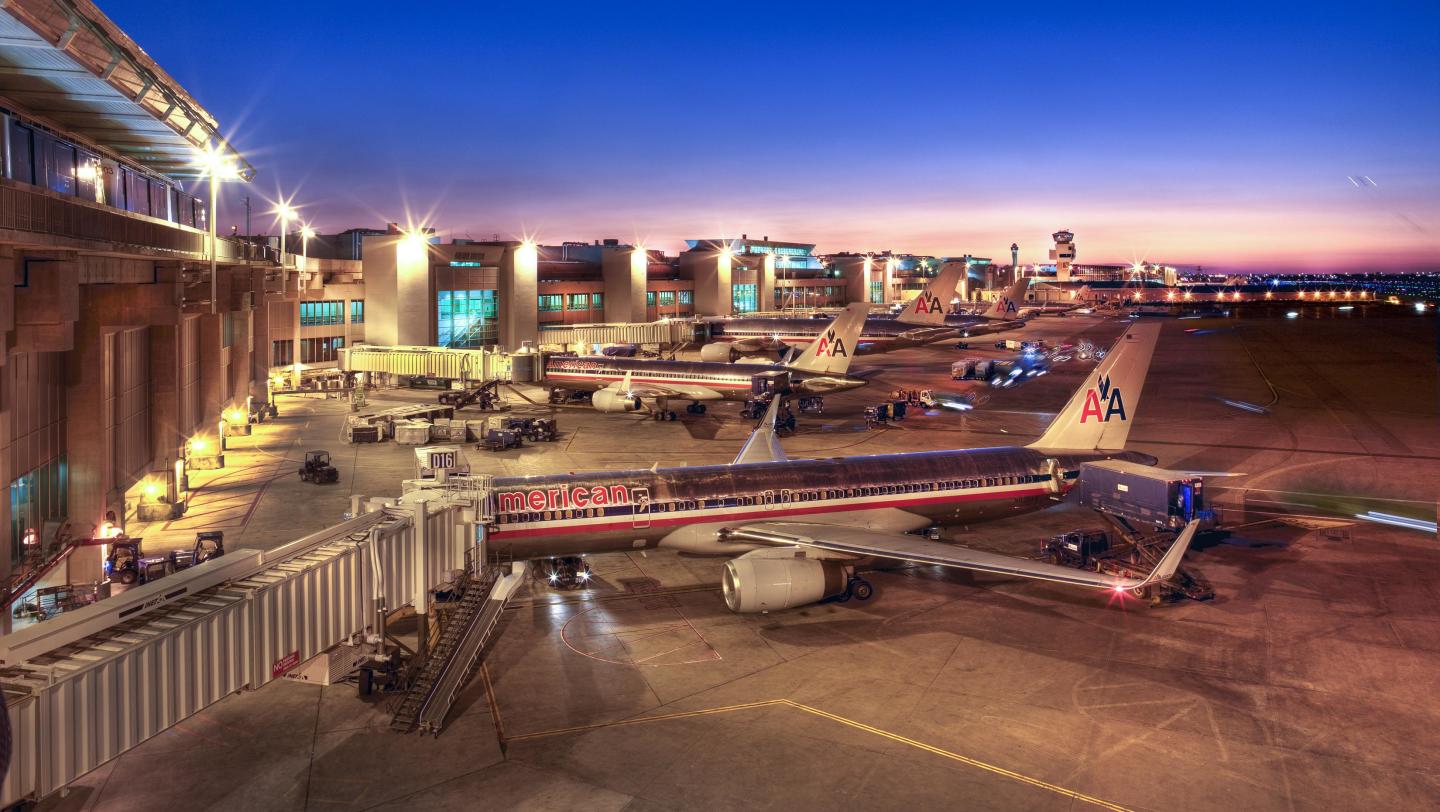
Navigating Miami International Airport (MIA): Current Status and Travel Insights
As a critical air travel nexus for the entire Florida peninsula and a vital link to Latin America and the Caribbean, MIA is equipped with robust infrastructure and contingency plans to maintain operations and ensure passenger safety.
The Immediate Answer: Operational Status
Under normal circumstances, MIA is fully operational 24/7. It serves as a major hub for American Airlines and a significant base for carriers like Spirit Airlines and Frontier Airlines, handling thousands of flights daily. Passengers arriving at MIA can expect a modern, well-maintained facility with a full array of services, including dining, retail, car rental services, and efficient ground transportation options.
However, the “open” status can change rapidly during severe weather, such as hurricanes or major tropical storms. In such instances, the airport authorities, in coordination with the Federal Aviation Administration (FAA) and the Transportation Security Administration (TSA), may initiate temporary closures or significant flight reductions. These decisions are made with the utmost priority given to passenger and staff safety. Travelers should always check the official MIA website, airline websites, or reliable news sources for the most current information regarding airport status and flight schedules, especially if traveling during hurricane season.
Preparing for Your Journey: What Travelers Should Know
For a smooth experience through MIA, several practical tips can be invaluable. First and foremost, always confirm your flight status directly with your airline before heading to the airport. This is crucial for avoiding unnecessary waits or navigating last-minute changes. Online check-in, where available, can significantly reduce your time in queues.
Once at the airport, MIA offers a host of amenities designed to enhance your travel experience. From diverse culinary options ranging from quick bites to sit-down restaurants, to duty-free shopping and comfortable lounges, there’s plenty to keep you engaged. Familiarize yourself with the terminal layout in advance using the MIA official app or website to navigate efficiently, especially if you have a tight connection or are looking for specific services. The airport also provides free Wi-Fi, charging stations, and various ground transportation links, including taxis, rideshares, and public transit like the Metromover and Metrorail, connecting you to different parts of Miami-Dade County.
Contingency Planning: When Weather Woes Strike
Understanding that weather can be unpredictable is key to smart travel planning. If your trip coincides with a potential tropical storm or hurricane, proactive measures are essential. Consider purchasing comprehensive travel insurance that covers delays, cancellations, and interruptions due to weather. This can provide peace of mind and financial protection against unforeseen circumstances, including coverage for unexpected accommodation or rebooking fees.
Stay informed by monitoring weather forecasts and advisories issued by the National Hurricane Center. Airlines typically issue waivers during severe weather, allowing passengers to rebook flights without penalty. If you find your flight canceled or significantly delayed, communicate directly with your airline for rebooking options or alternative arrangements. The Miami-Dade Aviation Department works diligently to ensure a quick return to full operations following any weather-related disruptions, prioritizing safety and efficiency in resuming air service. Having a flexible itinerary and a backup plan for ground transportation or alternative lodging can make a substantial difference in mitigating stress during such events.
Beyond the Terminal: Experiencing Miami’s Vibrant Scene
Once you’ve successfully navigated MIA, a world of excitement awaits. Miami is a global destination renowned for its stunning beaches, electric nightlife, diverse culture, and impressive architecture. From sun-soaked shores to thriving art districts, the city offers an unparalleled array of experiences for every type of traveler.
Unmissable Miami Attractions and Landmarks
No visit to Miami is complete without a stroll through the iconic South Beach. Here, the pastel-colored buildings of the Art Deco Historic District line Ocean Drive, offering a picturesque backdrop to its famous white sands and the vibrant atmosphere of Lummus Park Beach. Beyond the beach, Miami boasts a rich tapestry of cultural attractions.
The Design District and Wynwood Walls are must-visits for art enthusiasts. Wynwood Walls, an outdoor street art museum, showcases massive, colorful murals by world-renowned artists, transforming former warehouse buildings into an expansive canvas. Nearby, the Design District offers high-end fashion boutiques, art galleries, and exquisite dining in a beautifully curated urban space.
For a taste of Cuba‘s influence on Miami, head to Little Havana. Along Calle Ocho, you can experience the rhythms of salsa music, watch skilled artisans roll cigars, savor authentic Cuban coffee, and participate in a game of dominoes at Maximo Gomez Park. History and grandeur await at Vizcaya Museum & Gardens, a stunning European-inspired estate with breathtaking gardens overlooking Biscayne Bay.
Culture vultures will also appreciate the Pérez Art Museum Miami (PAMM) and the Phillip and Patricia Frost Museum of Science, both located in Downtown Miami with impressive collections and engaging exhibits. For those seeking nature, a short drive opens up opportunities to explore the unique ecosystems of Everglades National Park, where airboat tours offer thrilling encounters with alligators and diverse wildlife, or Biscayne National Park, a submerged park perfect for snorkeling and boating adventures near Key Biscayne.
Culinary Delights: A Taste of Miami’s Diverse Culture
Miami’s food scene is as diverse and vibrant as its population, heavily influenced by Latin American and Caribbean flavors. From casual street food to Michelin-starred restaurants, the city caters to every palate and budget. Must-try local specialties include traditional Cuban sandwiches, cafecito (Cuban espresso), stone crab (seasonal), and fresh ceviche.
South Beach and Ocean Drive offer a plethora of dining options, from upscale establishments to lively outdoor cafes. For more authentic and diverse culinary experiences, explore neighborhoods like Little Havana for Cuban fare, Brickell for modern global cuisine, or Coconut Grove for waterfront dining. Food festivals and farmer’s markets are also common, providing an excellent opportunity to sample local produce and artisanal goods. Embracing Miami’s food culture is an integral part of its tourism appeal.
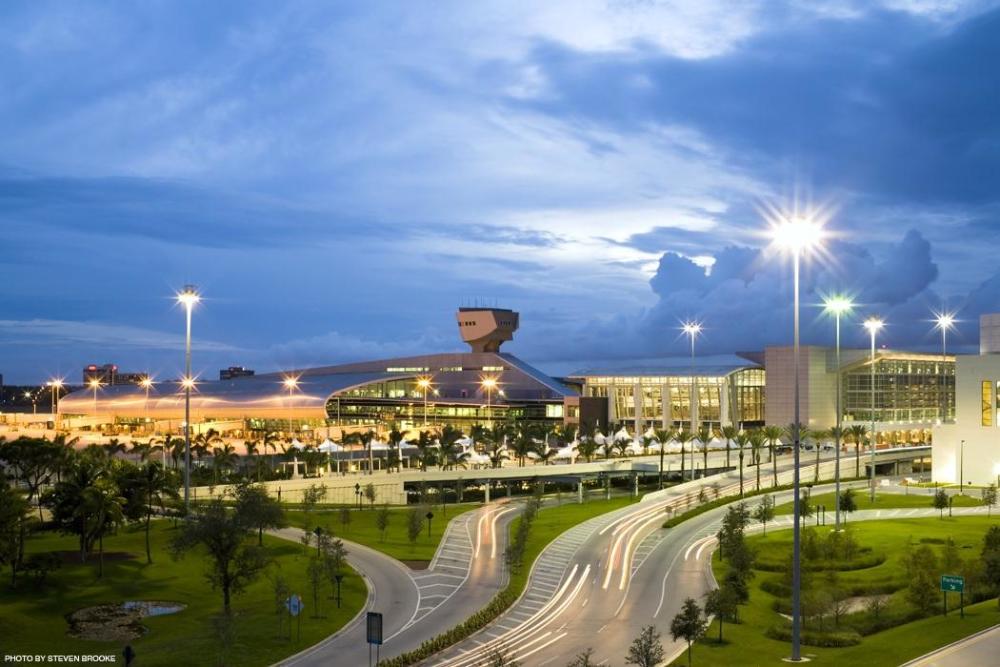
Exploring Miami’s Diverse Neighborhoods
Beyond the most famous spots, Miami is a mosaic of distinct neighborhoods, each with its own charm and character. Coral Gables, known as “The City Beautiful,” boasts stunning Mediterranean-revival architecture, lush landscapes, and iconic landmarks like the Biltmore Hotel and the Venetian Pool. Brickell is Miami’s bustling financial district, characterized by gleaming skyscrapers, high-rise apartments, and a vibrant urban scene with upscale dining and nightlife.
Coconut Grove, the city’s oldest continuously inhabited neighborhood, offers a bohemian vibe with independent boutiques, art galleries, and lush parks. For a more relaxed beachfront experience, head north to Mid-Beach or Sunny Isles Beach, known for their upscale resorts and quieter atmosphere. Even Doral, near the airport, has developed into a family-friendly area with golf courses, shopping, and diverse restaurants. Each neighborhood contributes to Miami’s multifaceted identity, making it a rich destination for exploration.
Choosing Your Miami Stay: Accommodation Options for Every Traveler
Selecting the right place to stay is crucial for any trip, and Miami offers an incredible range of hotels and accommodation options to suit every preference, budget, and travel lifestyle. From ultra-luxurious beachfront resorts to charming boutique hotels and practical vacation apartments, the choices are plentiful.
Luxury Resorts and Boutique Hotels
For those seeking an indulgent escape, Miami Beach is home to some of the world’s most opulent resorts. Iconic establishments like the Fontainebleau Miami Beach and the Faena Hotel Miami Beach offer unparalleled amenities, including private beach access, multiple pools, world-class spas, celebrity-chef restaurants, and vibrant nightlife. These luxury resorts are destinations in themselves, promising an extravagant experience with impeccable service. In Downtown Miami and Brickell, high-end hotels like the Mandarin Oriental, Miami or the SLS South Beach provide sophisticated urban stays with stunning city or bay views.
Alternatively, boutique hotels offer a more intimate and personalized experience. Often found in the Art Deco Historic District of South Beach or areas like Coconut Grove, these properties boast unique design, curated services, and a distinct character that reflects Miami’s eclectic spirit. Whether you prefer grand resorts or charming boutique hotels, Miami has a luxurious option to elevate your stay.
Family-Friendly Stays and Budget-Conscious Choices
Miami is also a fantastic destination for families, and many hotels cater specifically to their needs. Resorts in areas like Sunny Isles Beach or Mid-Beach often feature kids’ clubs, multiple pools with water slides, and spacious suites ideal for larger groups. Many properties offer complimentary breakfast, on-site activities, and convenient access to family-friendly attractions. When researching family trips, look for hotels that prioritize comfort and convenience for all ages.
For those on a tighter budget, Miami still offers plenty of excellent options without sacrificing quality. Areas near MIA, such as Doral, or slightly further afield from the immediate beachfront, often provide more affordable hotel rates. Hostels in South Beach cater to budget travelers and backpackers, offering a lively social scene and an economical way to experience the city. Additionally, exploring options in areas like Downtown Miami can sometimes yield better value compared to the prime beachfront locations. Utilizing hotel comparison websites and booking in advance can help secure the best deals.
Alternative Accommodations: Villas and Apartments
Beyond traditional hotels and resorts, Miami has a thriving market for alternative accommodations, perfect for those seeking more space, privacy, or a local experience. Vacation villas are popular for larger families or groups, offering multiple bedrooms, private pools, and fully equipped kitchens, providing a home-away-from-home feel. These can be found in exclusive neighborhoods and offer a luxurious yet private retreat.
Serviced apartments and vacation rentals are also widely available, particularly in areas like Brickell, Downtown Miami, and South Beach. These options often come with kitchen facilities, laundry amenities, and separate living areas, making them ideal for longer stays or for travelers who prefer self-catering. Booking through reputable platforms and reading reviews are essential to ensure a positive experience with these types of accommodations. They offer flexibility and a chance to live like a local, immersing oneself deeper into the Miami lifestyle.
Essential Travel Tips for a Seamless Miami Adventure
To ensure your Miami trip is as enjoyable and stress-free as possible, a few well-placed travel tips can go a long way. From understanding the best time to visit to navigating local transportation, preparing effectively will enhance your overall experience.
Pre-Trip Planning and Packing Essentials
The best time to visit Miami for ideal weather is typically from November to May, when temperatures are mild, humidity is lower, and the risk of hurricanes is minimal. This is also peak tourism season, so expect larger crowds and potentially higher prices for flights and accommodations. Summers are hot and humid, with frequent afternoon thunderstorms, but can offer more budget-friendly travel options.
When it comes to packing essentials, light and breathable clothing is a must, regardless of the season. Swimwear, sunglasses, sunscreen (reef-safe options encouraged), and a wide-brimmed hat are indispensable for enjoying Miami’s beaches. Comfortable walking shoes are also recommended for exploring neighborhoods and attractions. If visiting during hurricane season, consider packing a light rain jacket or umbrella. Don’t forget any necessary medications and chargers for your electronic devices. Remember to check your airline’s baggage policies to avoid unexpected fees.
Getting Around Miami
Miami is a sprawling city, and understanding its transportation options is key to efficient exploration. While renting a car offers the most flexibility, especially if you plan to visit destinations like Everglades National Park or drive down to the Florida Keys, traffic can be heavy, and parking in popular areas like South Beach can be expensive.
Ridesharing services like Uber and Lyft are readily available and often more convenient for shorter distances or evenings out. Public transportation includes the Metromover, a free elevated rail system serving Downtown Miami and Brickell, and the Metrorail, which connects MIA to various parts of the county. The Miami Beach Trolley offers free service around Miami Beach. For intercity travel to nearby cities like Fort Lauderdale, West Palm Beach, or even Orlando, the high-speed Brightline train is an excellent option, providing a comfortable and fast journey.
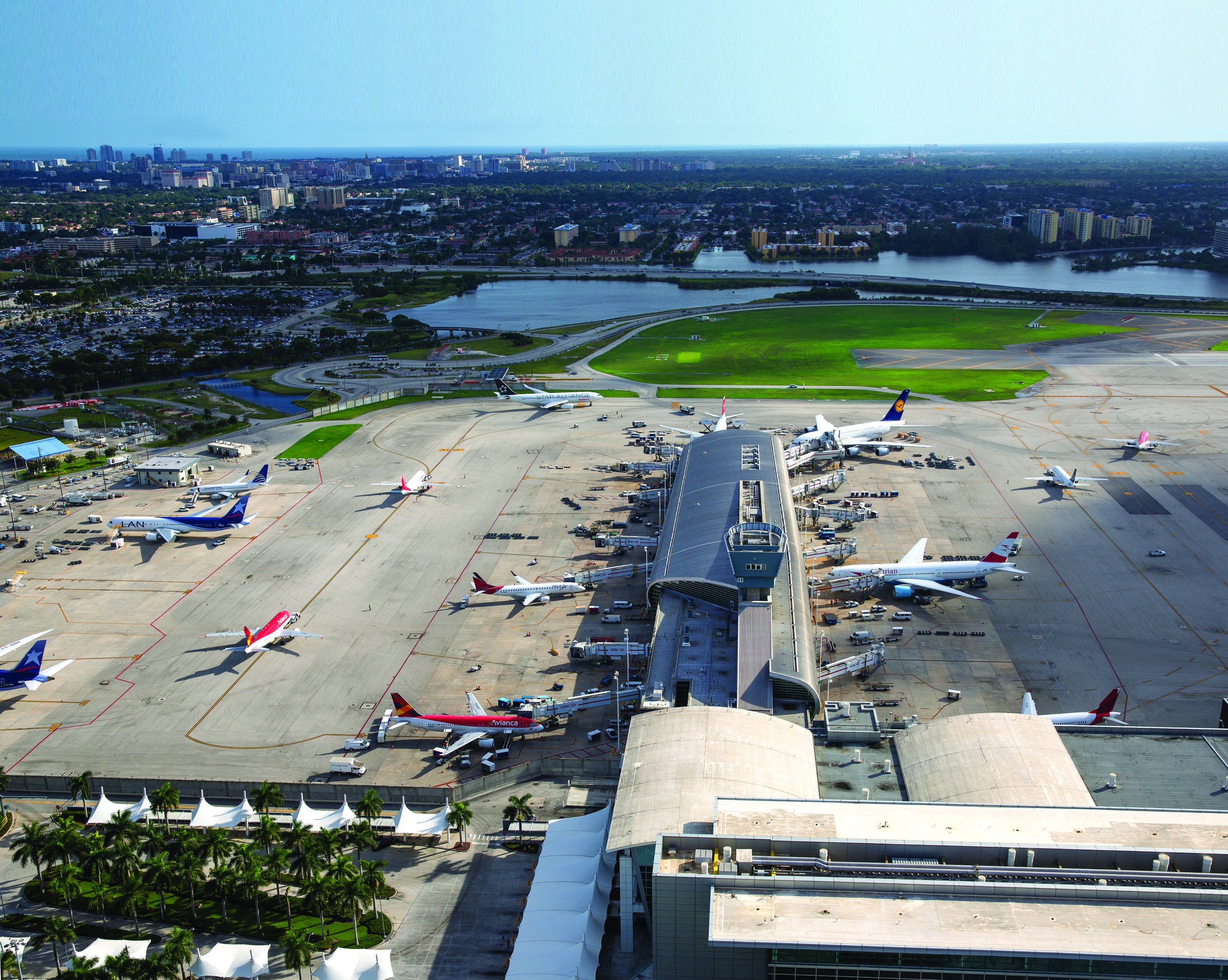
Embracing Miami’s Lifestyle and Culture
Miami is a melting pot of cultures, primarily influenced by its vibrant Latin American and Caribbean communities. Embrace this diversity by trying different cuisines, listening to live music, and visiting cultural festivals if your timing aligns. English and Spanish are widely spoken, so having a few basic Spanish phrases can be helpful and appreciated.
The lifestyle in Miami is generally laid-back yet energetic. Beach attire is common during the day, but evenings often call for more stylish ensembles, especially in upscale restaurants and clubs. Tipping is customary for service industries. Be mindful of your belongings in crowded areas, as you would in any major city. Finally, remember to stay hydrated, especially during the warmer months, and take advantage of the sunny weather that defines the Magic City. With these guides and tips, your visit to Miami will undoubtedly be a memorable experience.
LifeOutOfTheBox is a participant in the Amazon Services LLC Associates Program, an affiliate advertising program designed to provide a means for sites to earn advertising fees by advertising and linking to Amazon.com. Amazon, the Amazon logo, AmazonSupply, and the AmazonSupply logo are trademarks of Amazon.com, Inc. or its affiliates. As an Amazon Associate we earn affiliate commissions from qualifying purchases.