
For anyone planning a trip, conducting business, or simply curious about the vibrant city of Miami, knowing the current time is more than just a matter of trivial information—it’s a critical component for seamless travel, effective communication, and making the most of every moment in this dynamic destination. Miami, a jewel of Florida situated on the southeastern tip of the United States, operates on the Eastern Time Zone. This means it adheres to either Eastern Standard Time (EST) or Eastern Daylight Time (EDT), depending on the time of year. Currently, Miami observes Eastern Daylight Time (EDT) from mid-March to early November and Eastern Standard Time (EST) for the remainder of the year.
The difference between EST and EDT is a crucial detail for travelers. EST is UTC-5 (Coordinated Universal Time minus 5 hours), while EDT is UTC-4. This shift, commonly known as Daylight Saving Time, pushes the clock forward by one hour in the spring and back one hour in the fall. For a city that never truly sleeps, understanding this temporal rhythm is the first step toward unlocking the full potential of your Miami adventure, from coordinating international flights to catching the perfect sunrise over the Atlantic Ocean or reserving a table at a coveted dining spot.
Understanding Miami’s Time Zone: Practical Implications for Travelers
Navigating time zones can often be one of the less glamorous but most essential aspects of travel planning. For Miami visitors, this means more than just setting your watch; it involves strategic planning to optimize your itinerary, minimize jet lag, and ensure you don’t miss out on any of the city’s incredible offerings.
Eastern Standard Time (EST) vs. Eastern Daylight Time (EDT)
As mentioned, Miami alternates between EST and EDT. The shift to Daylight Saving Time typically occurs on the second Sunday in March, when clocks “spring forward” one hour. They then “fall back” one hour on the first Sunday in November. This means that for a significant portion of the year, particularly during the popular spring, summer, and early fall travel seasons, Miami is on EDT (UTC-4). During the cooler winter months, it reverts to EST (UTC-5).
Why does this matter? Imagine booking a flight that lands in Miami at 3 PM and simultaneously scheduling a tour. If you arrive during a period of transition between EST and EDT and fail to account for the change, your carefully planned schedule could be off by a full hour. This seemingly small detail can cascade into missed connections, late arrivals for hotel check-ins, or even a missed reservation at a highly sought-after restaurant. Always double-check the current date against the Daylight Saving Time schedule to confirm whether Miami is observing EST or EDT when you plan to visit. Most modern smartphones and digital devices automatically adjust, but it’s always wise to verify, especially when dealing with external schedules like flight times or tour start times that might be pre-set.
Navigating Time Differences for International & Domestic Travelers
For domestic travelers, particularly those coming from the Central, Mountain, or Pacific Time Zones, the time difference can range from one to three hours. This is usually manageable, but still warrants attention for early morning flights or late-night arrivals. Adjusting your internal clock can be smoother by beginning to shift your sleep schedule a day or two before departure. For example, if you’re traveling from Los Angeles (Pacific Time, UTC-8) to Miami (EDT, UTC-4), you’ll gain four hours. Try to go to bed and wake up earlier in the days leading up to your trip.
International travelers face a more significant challenge, often dealing with time differences of six hours or more, which can lead to considerable jet lag. Visitors from Europe, for example, will experience a five to six-hour time difference (e.g., London is typically five hours ahead of Miami during EDT). The key to combating jet lag includes staying hydrated, avoiding excessive caffeine and alcohol during travel, trying to sleep on the plane if it aligns with your destination’s night, and exposing yourself to natural light upon arrival in Miami to help reset your circadian rhythm.
It’s also crucial for international visitors to consider how time differences will impact communication with home. Scheduling video calls or important work communications requires careful planning to avoid waking family or colleagues in the middle of their night. Having a reliable international roaming plan or a local SIM card can help you stay connected and manage these time-sensitive interactions efficiently.
Maximizing Your Miami Experience: Time-Sensitive Planning
Miami offers a kaleidoscope of experiences, from sun-drenched beaches to pulsating nightlife, world-class dining, and captivating cultural attractions. To truly maximize your time and soak in the essence of this vibrant metropolis, understanding the typical rhythms and operating hours of its various facets is paramount.
Essential Activities and Their Timings
Mornings (Sunrise to 11 AM): Miami mornings are best started early, especially if you want to experience the tranquility before the crowds. Head to South Beach for a serene sunrise walk or jog along the shore. The soft morning light is perfect for photography, capturing the pastel-hued buildings of the Art Deco Historic District. Many breakfast and brunch spots, like those along Ocean Drive or Española Way, open early, offering everything from classic American breakfasts to Cuban coffee and pastries. This is also an excellent time for a quieter stroll through Vizcaya Museum & Gardens before the heat of the day and larger tour groups arrive.
Afternoons (11 AM to 5 PM): The afternoon is ideal for exploring Miami’s cultural institutions and shopping districts. The Pérez Art Museum Miami (PAMM) and the Phillip and Patricia Frost Museum of Science are excellent choices, typically open until 5 PM or 6 PM. For retail therapy, Lincoln Road Mall offers outdoor shopping, while luxury brands can be found at Bal Harbour Shops or Aventura Mall. If relaxation is on your agenda, many luxury resorts like The Setai Miami Beach or Faena Hotel Miami Beach offer exquisite poolside experiences where you can unwind. Bayside Marketplace provides waterfront shopping, dining, and boat tours during these hours.
Evenings (5 PM onwards): As the sun sets, Miami truly comes alive. This is the time for pre-dinner cocktails, culinary adventures, and vibrant nightlife. Dining in eclectic neighborhoods like Wynwood or the upscale financial district of Brickell is a must. Restaurants often have prime reservation slots between 7 PM and 9 PM. After dinner, choose from world-renowned nightclubs like LIV Nightclub or a sophisticated performance at the Adrienne Arsht Center for the Performing Arts. The city’s energy often continues well into the early morning hours, particularly on weekends.
Booking Accommodations and Flights Strategically
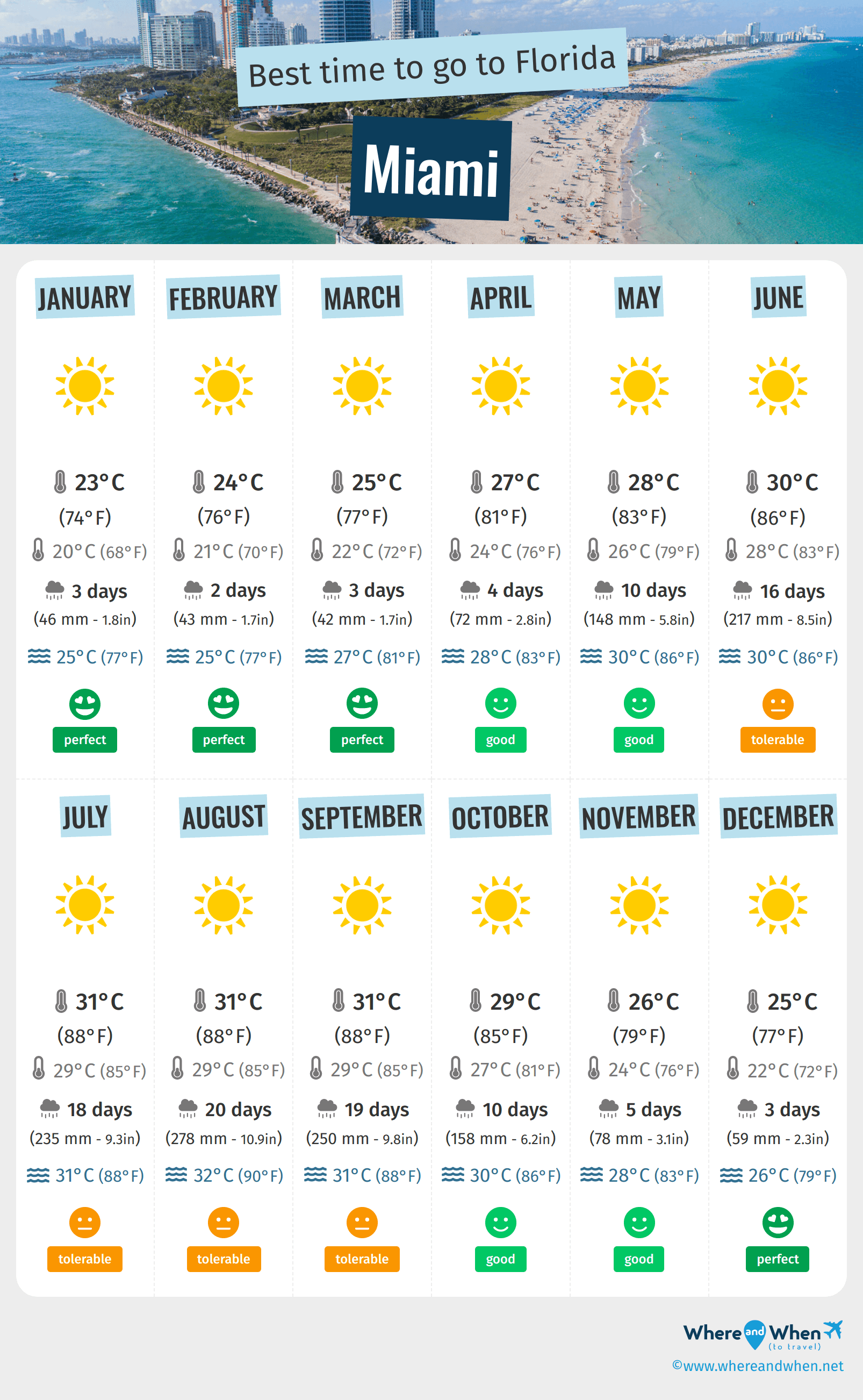
The timing of your bookings can significantly impact both the cost and availability of your Miami trip. High season generally runs from November to April, coinciding with cooler, drier weather and major events. During this period, prices for flights and hotels, including boutique hotels like SLS South Beach or large establishments like Fontainebleau Miami Beach and Loews Miami Beach Hotel, can skyrocket. Booking several months in advance is advisable, especially if your visit coincides with marquee events such as Art Basel Miami Beach, the South Beach Wine & Food Festival, or Miami Music Week.
Conversely, the summer months (June to September) offer lower prices due to higher temperatures, humidity, and the possibility of hurricanes. However, this can be a great time for budget-conscious travelers who don’t mind the heat, as many hotels offer attractive deals. Always consider travel insurance, especially during hurricane season.
Hotel check-in and check-out times are typically 3 PM or 4 PM and 11 AM or 12 PM, respectively. Aligning your flight schedule with these times can avoid unnecessary waiting or extra fees for early check-in or late check-out. If you have an early arrival or late departure, inquire about luggage storage options at your accommodation or consider booking an extended-stay apartment that might offer more flexible arrangements. Planning your ground transportation around these times is also essential, especially from Miami International Airport or Fort Lauderdale-Hollywood International Airport.
Beyond the Clock: Embracing Miami’s Lifestyle and Culture
Miami’s allure extends far beyond its sun-kissed beaches and vibrant nightlife. It’s a melting pot of cultures, a hub of culinary innovation, and a city where life moves to its own distinctive rhythm. Understanding this lifestyle is key to truly immersing yourself in the local experience.
Dining and Entertainment: A Culinary Clock
The dining scene in Miami is a reflection of its diverse population. Dinner often starts later than in many other U.S. cities, with prime reservation times extending well into the 9 PM or 10 PM hour, especially in trendy areas like South of Fifth (SoFi) or Coral Gables. The city embraces a lively brunch culture on weekends, with many establishments offering extended hours and bottomless mimosas.
For a taste of authentic Cuban culture, a visit to Little Havana is a must. Here, you’ll find institutions like Versailles Restaurant, serving Cuban classics from morning until late at night. Seafood is a staple, with legendary spots like Joe’s Stone Crab operating seasonally from October to May, a crucial timing consideration for seafood lovers. High-end dining experiences can be found across the city, from Coconut Grove to the Design District, each with its own unique operating hours and reservation policies.
Nightlife is a central pillar of Miami’s appeal. Clubs and lounges typically open around 10 PM or 11 PM and often stay open until the early hours of the morning, especially on weekends. From exclusive venues at hotels like The Ritz-Carlton South Beach or the Mandarin Oriental Miami to vibrant bars in Wynwood, the entertainment options are endless, and they certainly don’t adhere to an early bedtime.
Seasonal Events and Peak Times
Miami is renowned for its packed calendar of events, drawing visitors from across the globe. Planning around these events is crucial for both experiencing them and avoiding unexpected crowds and price surges if you’re not interested in them.
Winter (December-February): This is peak season. Events like Art Basel Miami Beach (early December) transform the city into an international art mecca, leading to extremely high demand for accommodation and dining. New Year’s Eve celebrations are extravagant, particularly around South Beach and downtown Miami.
Spring (March-May): Spring Break brings a youthful energy, particularly to South Beach. Miami Music Week and Ultra Music Festival draw electronic music enthusiasts, while the South Beach Wine & Food Festival attracts gourmands. These periods see high hotel occupancy and increased traffic.
Summer (June-August): While hot and humid, summer offers more relaxed crowds and better deals. It’s also hurricane season, so travelers should be prepared with travel insurance. Despite the weather, attractions like Everglades National Park and Biscayne National Park are still accessible, though best visited in the early mornings.
Fall (September-November): The shoulder season offers a mix of good weather and fewer crowds before the winter rush. It’s an excellent time to visit the Vizcaya Museum & Gardens or explore the distinct neighborhoods without the intense summer heat or winter crowds.
Being aware of these seasonal fluctuations and major events allows you to either dive headfirst into the festivities or strategically plan your trip to avoid them, depending on your preferences and budget.
Essential Tips for a Seamless Miami Trip
Beyond knowing the time, a successful trip to Miami hinges on practical considerations that enhance your overall experience. From getting around to staying connected, these tips will help ensure your visit is as smooth and enjoyable as possible.
Local Transportation and Navigating Rush Hour
Miami’s transportation network includes options ranging from public transit to ride-sharing. The Metromover is a free elevated rail system that conveniently loops around downtown Miami and Brickell, perfect for short distances and avoiding traffic. The Metrobus system covers a wider area but can be slower due to road congestion. For longer distances, ride-sharing services (Uber, Lyft) are widely available and often the most convenient option, especially for reaching destinations like South Beach or Wynwood from the airport or downtown.
If you plan to rent a car, be prepared for Miami’s often heavy traffic. Rush hour typically runs from 7 AM to 9 AM and 4 PM to 7 PM on weekdays. Travel times can significantly increase during these periods, particularly on major arteries like I-95. Using navigation apps with real-time traffic updates is highly recommended. Parking can also be a challenge and expensive, especially in popular areas like South Beach and the Design District. Consider your itinerary and decide if a rental car is truly necessary, or if a combination of ride-sharing and public transit might be more efficient. For trips to Fort Lauderdale or Orlando, the Brightline high-speed rail offers a comfortable and efficient alternative to driving.
Stay Connected: Technology and Time Management Apps
In today’s interconnected world, your smartphone can be your best travel companion. Several apps can make your Miami trip more manageable:
- World Clock/Time Zone Apps: Essential for quickly checking the current time in Miami and your home location, helping you coordinate calls or manage jet lag.
- Navigation Apps (Google Maps, Waze): Provide real-time traffic updates, public transit routes, and walking directions, invaluable for navigating the city.
- Ride-Sharing Apps (Uber, Lyft): Facilitate easy and convenient transportation around the city.
- Restaurant Reservation Apps (OpenTable, Resy): Allow you to book tables in advance, especially for popular dining spots where reservations are highly recommended, particularly for evening meals.
- Weather Apps: Keep you informed about Miami’s rapidly changing tropical weather, including potential afternoon thunderstorms or hurricane warnings during season.
- Airline and Hotel Apps: Provide up-to-date information on flight statuses, check-in details, and hotel amenities.
Ensure your phone is charged, and consider carrying a portable power bank, especially during long days of sightseeing. Having a data plan is crucial for utilizing these apps effectively. Many hotels and public spaces offer Wi-Fi, but relying solely on it can be limiting.
In conclusion, while “What Is The Time In Miami Right Now?” might seem like a simple question, its answer is interwoven with every aspect of experiencing this vibrant city. From understanding its time zone and seasonal shifts to meticulously planning your activities and travel logistics, being time-aware is the cornerstone of a fulfilling Miami adventure. Whether you’re chasing the sunrise on South Beach, indulging in a late-night Cuban feast in Little Havana, or dancing until dawn in a Wynwood club, embracing Miami’s unique rhythm will ensure you create unforgettable memories in this unforgettable destination.
LifeOutOfTheBox is a participant in the Amazon Services LLC Associates Program, an affiliate advertising program designed to provide a means for sites to earn advertising fees by advertising and linking to Amazon.com. Amazon, the Amazon logo, AmazonSupply, and the AmazonSupply logo are trademarks of Amazon.com, Inc. or its affiliates. As an Amazon Associate we earn affiliate commissions from qualifying purchases.