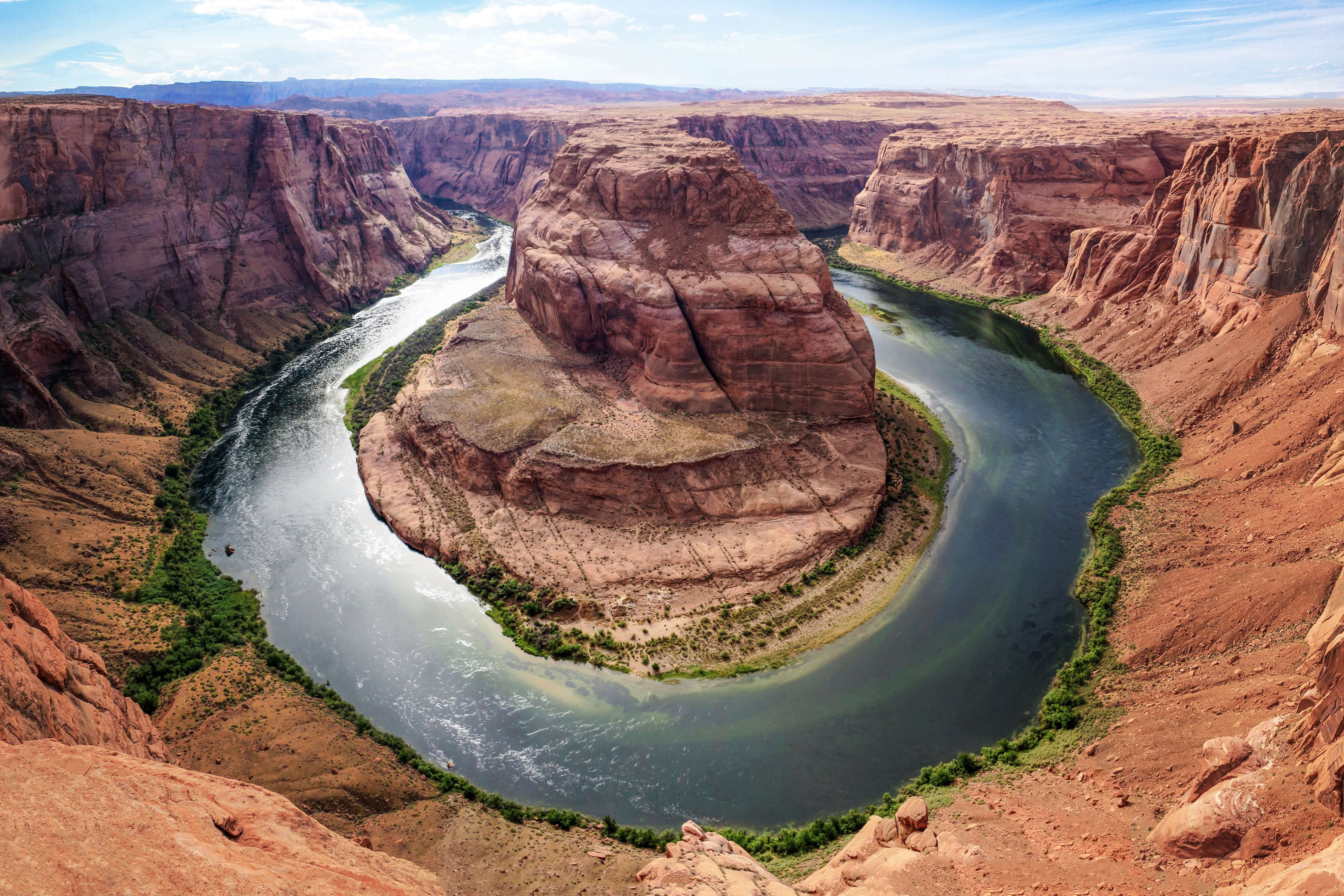
Embarking on a journey from the neon-lit entertainment capital of Las Vegas to the awe-inspiring natural wonder of the Grand Canyon is a quintessential American travel experience. While the vibrant energy of Las Vegas offers an abundance of luxury hotels, world-class dining, and unforgettable shows, many visitors crave an escape to the tranquility and grandeur of nature. The question of “how far” isn’t just about mileage; it’s about choosing the right adventure, understanding the different sections of the Grand Canyon, and planning a memorable trip that aligns with your lifestyle and travel preferences.
The Grand Canyon, a colossal gorge carved by the Colorado River over millions of years, is an undisputed landmark and one of the Seven Natural Wonders of the World. Its sheer scale, vibrant geology, and breathtaking vistas attract millions of tourists annually. From Las Vegas, several distinct areas of the Grand Canyon are accessible, each offering a unique perspective and varying travel times and distances. Understanding these differences is key to planning your perfect excursion.

Navigating the Grand Canyon: Understanding the Rims and Their Proximity
The Grand Canyon is broadly divided into three main accessible sections: the West Rim, the South Rim, and the North Rim. Each rim offers a distinct experience, from the easily accessible and culturally rich West Rim to the iconic and vast South Rim, and the remote, serene North Rim. Your choice will significantly impact your travel time and the kind of adventure you’ll have.
The Grand Canyon West Rim: Closest to Las Vegas
For those seeking the quickest and most convenient Grand Canyon experience from Las Vegas, the Grand Canyon West Rim is your ideal destination. Located within the Hualapai Indian Reservation in Arizona, it’s famously home to the Grand Canyon Skywalk, a horseshoe-shaped glass bridge extending 70 feet out over the canyon.
- Distance from Las Vegas: Approximately 120-130 miles (193-209 kilometers).
- Driving Time: Around 2 to 2.5 hours, depending on traffic and stops.
The drive to the West Rim is relatively straightforward, primarily via U.S. Route 93 south towards Boulder City and then through the picturesque desert landscape of Arizona. This proximity makes it an excellent choice for a day trip, allowing visitors to return to their Las Vegas accommodation by evening. Along the way, you can catch glimpses of the mighty Hoover Dam and the expansive Lake Mead, offering additional scenic stops for those with a bit more time.
The Grand Canyon South Rim: The Classic Experience
The Grand Canyon South Rim is the most popular and accessible part of Grand Canyon National Park, renowned for its expansive, postcard-perfect vistas and a wealth of visitor services. This is where you’ll find the iconic viewpoints like Mather Point, Yavapai Point, and the Desert View Watchtower.
- Distance from Las Vegas: Approximately 280 miles (450 kilometers).
- Driving Time: Around 4.5 to 5 hours, non-stop.
Reaching the South Rim from Las Vegas involves a longer drive. The typical route takes you south on U.S. Route 93, then east on Interstate 40 through towns like Kingman and Williams, Arizona, before heading north on Arizona State Route 64 directly to Grand Canyon Village. Due to the extended travel time, most visitors opt for an overnight stay near the Grand Canyon or in nearby gateway towns like Tusayan, Williams, or Flagstaff to fully immerse themselves in the experience.
The Grand Canyon North Rim: Serenity and Seclusion
The Grand Canyon North Rim, while geographically closer to the South Rim as the crow flies, is the most remote and least visited section of the Grand Canyon National Park due to a significant canyon separating the two rims and a much longer drive. It offers a more rugged, forested landscape and a distinctly different perspective than its southern counterpart, characterized by cooler temperatures and higher elevations. It is typically closed from mid-October to mid-May due to snow.
- Distance from Las Vegas: Approximately 270 miles (435 kilometers).
- Driving Time: Around 5 to 6 hours, due to the winding routes.
The journey to the North Rim from Las Vegas involves heading north into Utah via Interstate 15 to St. George, then south through Kanab and Fredonia, Arizona, on U.S. Route 89A, finally connecting to Arizona State Route 67 which leads directly to the North Rim. This rim is perfect for those seeking solitude, uncrowded trails, and a deeper connection with nature, often requiring a multi-day trip given the travel time.
Getting There: Travel Options from Las Vegas
Choosing how you travel from Las Vegas to the Grand Canyon significantly impacts your experience. Options range from independent road trips to guided tours and exhilarating air excursions, each catering to different preferences for convenience, budget, and adventure.
The Classic Road Trip: Driving Yourself
Renting a car and driving yourself offers the most flexibility, allowing you to set your own pace, explore scenic detours, and spend as much time as you like at each viewpoint. This is an excellent option for those who enjoy the open road and want to personalize their travel itinerary.
- Advantages: Complete freedom and flexibility, cost-effective for groups, opportunity to stop at attractions like the Hoover Dam or historic Route 66 towns like Seligman or Oatman on the way to the South Rim.
- Considerations: Requires navigation, driving long distances, parking at popular viewpoints can be challenging, especially during peak season. Ensure your rental car includes unlimited mileage.
Air Tours: The Ultimate Scenic Perspective
For a truly unforgettable and time-efficient journey, consider a helicopter or small plane tour. These tours typically depart directly from Las Vegas and offer breathtaking aerial views of the Grand Canyon, Lake Mead, and the Hoover Dam. Many tours include landings within the canyon (especially at the West Rim) for ground exploration, a Champagne toast, or even a boat ride on the Colorado River.
- Operators: Reputable companies like Maverick Helicopters and Papillon Grand Canyon Helicopters offer a range of packages.
- Advantages: Stunning panoramic views, significant time-saving (tours to the West Rim can be as short as 3-4 hours round trip), luxurious and memorable experience.
- Considerations: Higher cost compared to driving or bus tours, can be weather-dependent. A fantastic option for luxury travel or special occasions.
Bus Tours: Convenient and Comprehensive
Bus tours provide a hassle-free way to visit the Grand Canyon from Las Vegas. These all-inclusive packages typically include transportation, a professional guide, entrance fees, and sometimes meals. They are particularly popular for visits to the West Rim and South Rim.
- Advantages: No need to drive or navigate, often include informative commentary from guides, convenient pick-up/drop-off from Las Vegas hotels, suitable for budget travel or those who prefer organized tours.
- Considerations: Less flexibility in itinerary, can involve long hours of sitting, limited time at each stop.
Planning Your Grand Canyon Adventure: Accommodation and Activities
A trip to the Grand Canyon is more than just seeing the views; it’s about experiencing the natural grandeur, exploring trails, and immersing yourself in the destination. Strategic accommodation planning and understanding available activities are crucial, especially when combining it with a Las Vegas vacation.
Where to Stay: Hotels and Resorts
Depending on your chosen rim and the duration of your trip, your accommodation options will vary.
- Staying in Las Vegas: If you plan a day trip to the West Rim or an air tour, staying in Las Vegas makes the most sense. The city offers an incredible array of hotels and resorts, from iconic landmarks like the Bellagio and Caesars Palace to more budget-friendly hotels off the Strip. Booking well in advance, especially during peak seasons or major events, is always recommended. Look for suites or family-friendly hotels if you’re planning a family trip.
- Staying Near the Grand Canyon: For South Rim or North Rim visits, especially if you plan to hike or spend more than a few hours, consider staying closer to the park.
- South Rim: Grand Canyon Village offers lodges directly within the national park, providing unparalleled access to sunrise and sunset views. Options range from historic El Tovar Hotel to more contemporary lodges. Just outside the park entrance, Tusayan provides numerous hotel and dining options. Further afield, Williams and Flagstaff offer a wider range of accommodation and are good bases for exploring other northern Arizona attractions.
- North Rim: The historic Grand Canyon Lodge North Rim is the primary accommodation within the park, and rooms are highly sought after. Nearby towns like Kanab in Utah offer additional lodging.
- West Rim: While some limited accommodation exists on the Hualapai Indian Reservation (e.g., Hualapai Ranch), most visitors come for a day trip from Las Vegas. The nearby town of Peach Springs offers a hotel, the Hualapai Lodge.
Activities and Experiences
The Grand Canyon offers a spectrum of activities for every type of traveler.
- West Rim: The iconic Grand Canyon Skywalk, Hualapai cultural experiences, helicopter and pontoon boat rides on the Colorado River, and ziplining. This rim emphasizes short, impactful experiences.
- South Rim: Extensive hiking opportunities, including portions of the famous Bright Angel Trail and South Kaibab Trail (caution: hiking into the canyon requires significant preparation and is strenuous). Ranger programs, historical tours, mule rides, scenic drives along Hermit Road (shuttle-only much of the year), and visitor centers like the Grand Canyon Visitor Center near Mather Point.
- North Rim: Known for its challenging trails like the North Kaibab Trail (leading to Phantom Ranch at the canyon bottom), scenic viewpoints like Point Imperial and Cape Royal, and a more serene, less crowded atmosphere. Ideal for serious hikers and those seeking solitude.
Beyond the Canyon: Maximizing Your Las Vegas Stay
Combining a Grand Canyon adventure with a Las Vegas vacation offers the best of both worlds: thrilling natural beauty and unparalleled urban entertainment. To make the most of your trip, consider how the two destinations complement each other.
For your Las Vegas portion of the trip, explore the diverse lifestyle offerings. If you’re into luxury travel, indulge in high-end dining at celebrity chef restaurants, exclusive resort spas, and world-renowned shows. For budget travelers, numerous free attractions, affordable buffets, and budget-friendly hotels ensure an exciting stay without breaking the bank. Family trips can enjoy various attractions like circus acts, aquariums, and interactive museums.
Consider adding other natural wonders into your itinerary. From Las Vegas, you’re also within driving distance of Valley of Fire State Park (about an hour east), Zion National Park (about 2.5 hours northeast), and Bryce Canyon National Park (about 4 hours northeast). These landmarks offer different geological formations and hiking opportunities, making for an epic Southwest adventure for those with more time.
Whether you choose a quick, scenic helicopter flight to the West Rim or an immersive multi-day road trip to the South Rim, the journey from Las Vegas to the Grand Canyon promises unforgettable memories. By understanding the distances, travel options, and available experiences, you can seamlessly integrate this majestic natural wonder into your Nevada vacation, creating a travel narrative that blends urban excitement with the profound beauty of the wilderness.