
The Mississippi River, a name that conjures images of steamboats, blues music, and vast, sprawling landscapes, is more than just a river; it’s a colossal artery of North America, a lifeline that has shaped the history, culture, and economy of the United States. From its humble beginnings in a remote Minnesota lake to its grand discharge into the Gulf of Mexico, the Mississippi is a waterway of immense significance, captivating travelers and historians alike. But beyond its legendary status, a fundamental question often arises for those planning to explore its banks or simply seeking to understand its grandeur: exactly how long is the Mississippi River?

The answer, much like the river itself, is both straightforward and complex, varying slightly depending on the methods of measurement and the inclusion of its vast network of tributaries. However, one thing remains constant: the Mississippi offers an unparalleled journey through the heart of America, revealing a tapestry of diverse destinations, rich history, vibrant local cultures, and an array of accommodation options that cater to every type of traveler. Whether you’re a luxury seeker, a budget-conscious adventurer, a family on vacation, or a business traveler looking for a unique extended stay, the Mississippi promises an unforgettable experience.
The Mighty Mississippi: Unveiling Its True Length and Geographical Grandeur
Understanding the length of the Mississippi River is key to appreciating its monumental scale. It’s not just a measure of distance; it’s a testament to the immense natural forces that have sculpted the continent and continue to influence the lives of millions.
A River of Records: Debating the Exact Measurement
When we talk about the length of the Mississippi River, the most commonly cited figure is approximately 2,340 miles (3,766 kilometers). This measurement typically accounts for the river’s journey from its recognized source at Lake Itasca in Itasca State Park, Minnesota, down to its delta in the Gulf of Mexico.
However, geographical measurements of rivers can sometimes be contentious due to various factors:
- Meandering Nature: Rivers like the Mississippi constantly shift their courses, forming oxbow lakes and changing their exact path over time, which can slightly alter their length.
- Tributary Systems: If one considers the longest continuous waterway system, the Mississippi-Missouri-Jefferson river system becomes significantly longer. The Missouri River is the longest tributary of the Mississippi, and when its length is combined with the Mississippi downstream of their confluence near St. Louis, Missouri, the total length stretches to an astonishing 3,710 miles (5,970 kilometers). This makes it the fourth-longest river system in the world, surpassed only by the Nile, Amazon, and Yangtze rivers. For clarity, when people refer to “How long is the Mississippi River?”, they usually refer to the 2,340-mile figure.
The headwaters at Lake Itasca are a landmark in themselves, a tranquil spot where visitors can famously walk across the infant river. From this serene starting point, the river gains momentum, width, and depth, eventually becoming the behemoth that empties into the Gulf of Mexico through a complex delta system in Louisiana. This journey traverses a staggering variety of ecosystems and cultural landscapes.
A Lifeline Across America: States Touched by the Mississippi
The Mississippi River directly borders or flows through 10 U.S. states, acting as a natural boundary or a central artery for many of them. These states, in order from north to south, include:
- Minnesota: The river’s origin, marked by lakes, forests, and the vibrant Twin Cities of Minneapolis and St. Paul.
- Wisconsin: Forms the state’s western border, characterized by bluff country and charming river towns.
- Iowa: Its eastern border, known for agricultural landscapes and historic river communities.
- Illinois: Its western border, home to significant industrial and historical sites, including the confluence with the Missouri River.
- Missouri: Its eastern border, showcasing the iconic Gateway Arch in St. Louis.
- Kentucky: A small stretch forming its western border.
- Tennessee: Its western border, highlighted by the vibrant musical heritage of Memphis.
- Arkansas: Its eastern border, with fertile farmlands and a rich history.
- Mississippi: Its western border, known for antebellum homes and Southern hospitality.
- Louisiana: The final state, where the river flows directly through its heart, culminating in the cultural melting pot of New Orleans and its delta.
Beyond these 10 states, the Mississippi River Basin is an even more expansive geographical marvel, draining all or parts of 31 U.S. states and two Canadian provinces. This makes it the third-largest drainage basin in the world, underscoring its profound environmental and economic importance to the entire continent. Its vastness influences everything from weather patterns to agricultural output and sustains a dizzying array of flora and fauna.
Journey Downstream: Iconic Destinations Along the Mississippi
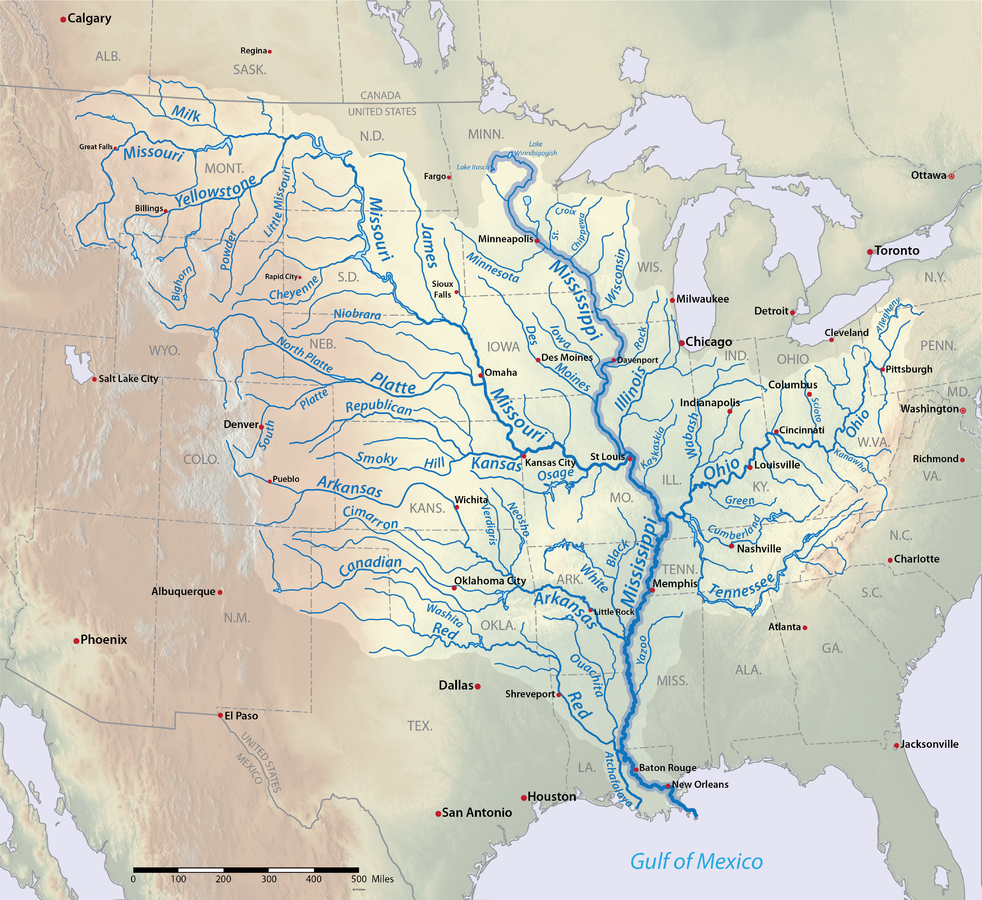
Traveling the length of the Mississippi River is not merely a geographic exercise; it’s an immersive historical and cultural expedition. From its nascent flow in the north to its majestic expanse in the south, the river showcases distinct regional identities, iconic landmarks, and unique experiences.
From Northern Wilderness to Southern Charm: Key Cities and Attractions
The cities along the Mississippi are like pearls strung on a thread, each offering a distinct flavor of American life.
- Minneapolis and St. Paul, Minnesota: These “Twin Cities” mark the upper reaches of the navigable Mississippi. Here, the river is still wild in places, with picturesque gorges and waterfalls, including the historic St. Anthony Falls. Minneapolis is known for its vibrant arts scene, beautiful parks, and thriving culinary landscape. Travelers can find everything from luxury boutique hotels to comfortable, budget-friendly apartments.
- St. Louis, Missouri: A pivotal city in westward expansion, St. Louis is instantly recognizable by the soaring Gateway Arch, a monument to American exploration. The city offers a rich blend of history, sports, and a fantastic food scene. Accommodation ranges from grand historic hotels to modern suites, catering to both business and leisure travelers. Don’t miss the Anheuser-Busch Brewery Tour or a stroll through Forest Park.
- Memphis, Tennessee: The birthplace of Blues, Soul, and Rock ‘n’ Roll, Memphis pulses with musical energy. Beale Street is legendary for its live music venues, while Graceland, Elvis Presley’s former home, draws millions. The city offers unique boutique hotels and historic resorts, many with musical themes, providing an immersive experience into its rich culture.
- New Orleans, Louisiana: The undisputed crown jewel of the Mississippi’s journey, New Orleans is a city unlike any other. Its French Quarter with its iconic iron balconies, the soulful sounds of Jazz, and a culinary scene blending Cajun, Creole, and Southern influences make it a bucket-list destination. From luxurious hotels in the Garden District to charming guesthouses in the French Quarter, New Orleans offers accommodations for every preference, often with unique historical character.
Beyond the City Limits: Natural Wonders and Historical Sites
The Mississippi River experience extends far beyond its major metropolitan centers, revealing a treasure trove of natural beauty and historical significance.
- Itasca State Park, Minnesota: The very source of the Mississippi is a must-visit for nature lovers. Hike through old-growth forests, spot wildlife, and literally step across the fledgling river. Cabins and campgrounds are available for those seeking an immersive nature experience.
- The Upper Mississippi River National Wildlife and Fish Refuge: This vast refuge stretches over 261 miles from Wabasha, Minnesota, to Rock Island, Illinois. It’s a paradise for birdwatchers, kayakers, and outdoor enthusiasts, offering stunning scenic beauty and diverse ecosystems.
- Natchez, Mississippi: This charming city boasts an impressive collection of antebellum mansions, many available for tours or even as bed and breakfast accommodations. It offers a glimpse into the opulent pre-Civil War South.
- Vicksburg, Mississippi: A critical site during the American Civil War, Vicksburg is home to the Vicksburg National Military Park, preserving battlefields, monuments, and a museum. History buffs can spend days exploring this significant landmark.
- Plantation Homes in Louisiana: Downstream from Baton Rouge, numerous historic plantations like Oak Alley Plantation and Laura Plantation offer tours that delve into the complex history of the South, providing insight into both grandeur and hardship. Many offer accommodations for those seeking a truly immersive historical stay.
Experiencing the Mississippi: Travel, Culture, and Accommodation
The sheer length and diversity of the Mississippi River mean there are countless ways to experience it, catering to every travel style and interest. From luxurious river cruises to adventurous road trips, and from immersing oneself in unique local cultures to finding the perfect long-term stay, the possibilities are as vast as the river itself.
Navigating the Waters: Cruises, Road Trips, and River Adventures
- Riverboat Cruises: For a classic and luxurious Mississippi experience, a multi-day riverboat cruise is unparalleled. Companies like American Queen Voyages offer journeys that evoke the grandeur of a bygone era, complete with gourmet dining, live entertainment, and guided excursions to riverside towns. These cruises often feature suites and premium amenities, perfect for luxury travel.
- The Great River Road: For those who prefer independent exploration, the Great River Road is a designated scenic byway that parallels the Mississippi for its entire length. Marked by distinctive green-and-white signs, this road trip offers countless opportunities to pull over, explore charming towns, visit historic sites, and enjoy panoramic river views. It’s an ideal choice for family trips or those seeking budget-friendly travel, with various motels, guesthouses, and vacation rentals along the way.
- Biking and Hiking: Numerous sections of the Mississippi are flanked by dedicated bike trails and hiking paths, especially in the upper and middle sections. The Mississippi River Trail offers segments for avid cyclists to experience the river up close and personal.
- Fishing and Boating: The river and its backwaters are a haven for anglers and recreational boaters, offering opportunities for fishing, kayaking, and canoeing, particularly in the quieter stretches.
A Taste of the River: Local Cuisine and Cultural Immersion
The cultural landscape along the Mississippi is as varied as its geography, deeply influenced by the river’s historical role in trade, migration, and settlement.
- Culinary Delights: From hearty Midwestern comfort food in Minnesota and Iowa to St. Louis’ famous barbecue and toasted ravioli, the culinary journey is a highlight. Further south, Memphis reigns supreme with its dry-rub ribs and pulled pork, while New Orleans tantalizes with Creole and Cajun masterpieces like gumbo, jambalaya, and beignets. Food tours are popular in many cities, offering an authentic taste of local culture.
- Music and Arts: The Mississippi is the birthplace of many American music genres. Explore the Blues Trail in Mississippi, visit museums dedicated to Johnny Cash and Elvis Presley in Memphis, and immerse yourself in the vibrant Jazz clubs of New Orleans. Festivals celebrating music, food, and local heritage are frequent occurrences along the river, offering deep cultural immersion.
- Historical Exploration: Beyond the battlefields and mansions, numerous museums, cultural centers, and small-town historical societies preserve the stories of the river, from Native American history to the steamboat era and the Civil Rights Movement.

Where to Stay: Hotels, Resorts, and Unique Accommodations
The travel landscape along the Mississippi River is rich with accommodation options, catering to every budget and preference.
- Luxury Hotels and Resorts: In major cities like Minneapolis, St. Louis, Memphis, and New Orleans, you’ll find world-class hotels with premium amenities, exquisite dining, and often stunning river views. These are perfect for those seeking luxury travel experiences or comfortable business stays. Look for establishments offering suites, spas, and concierge services.
- Boutique Hotels and Guesthouses: Many smaller towns and historic districts boast charming boutique hotels and guesthouses, often housed in beautifully restored buildings. These provide a more intimate and locally immersive experience, frequently with unique decor and personalized service. Cities like Natchez excel in this area.
- Budget-Friendly Options: For budget travelers or those on a long road trip, there’s no shortage of reliable motels, chain hotels, and vacation rentals available in most towns and cities along the route. Websites for booking and comparison can help find the best deals.
- Unique Stays: Consider booking a long-term stay in an apartment or villa in a vibrant city for a more authentic local experience. Or, for a truly unique adventure, look for houseboat rentals, historic bed and breakfasts, or even campgrounds in Itasca State Park or the numerous state parks along the river, providing an opportunity to connect with nature.
The Mississippi River, at approximately 2,340 miles long, is far more than a geographical feature; it is a profound journey through the heart and soul of America. Its length defines a path that stitches together diverse landscapes, cultures, and histories, offering an inexhaustible source of adventure, relaxation, and discovery. Whether you’re drawn by its monumental length, its historical landmarks, its vibrant cities, or its serene natural beauty, the Mississippi invites you to explore, learn, and create unforgettable memories. So, pack your bags, choose your adventure, and prepare to be captivated by the mighty river that truly defines a nation.
LifeOutOfTheBox is a participant in the Amazon Services LLC Associates Program, an affiliate advertising program designed to provide a means for sites to earn advertising fees by advertising and linking to Amazon.com. Amazon, the Amazon logo, AmazonSupply, and the AmazonSupply logo are trademarks of Amazon.com, Inc. or its affiliates. As an Amazon Associate we earn affiliate commissions from qualifying purchases.