
The question “How long is the Mississippi River?” might seem straightforward, but its answer unravels a fascinating narrative of geography, history, and a captivating array of travel experiences. Spanning the heart of North America, this iconic waterway is far more than just a measurement on a map; it’s a living, breathing artery that has shaped cultures, economies, and landscapes for millennia. For travelers seeking to delve into the rich tapestry of the United States, understanding the Mississippi’s immense scale is the first step in planning an unforgettable journey along its banks, from its humble origins in Minnesota to its grand delta in Louisiana.

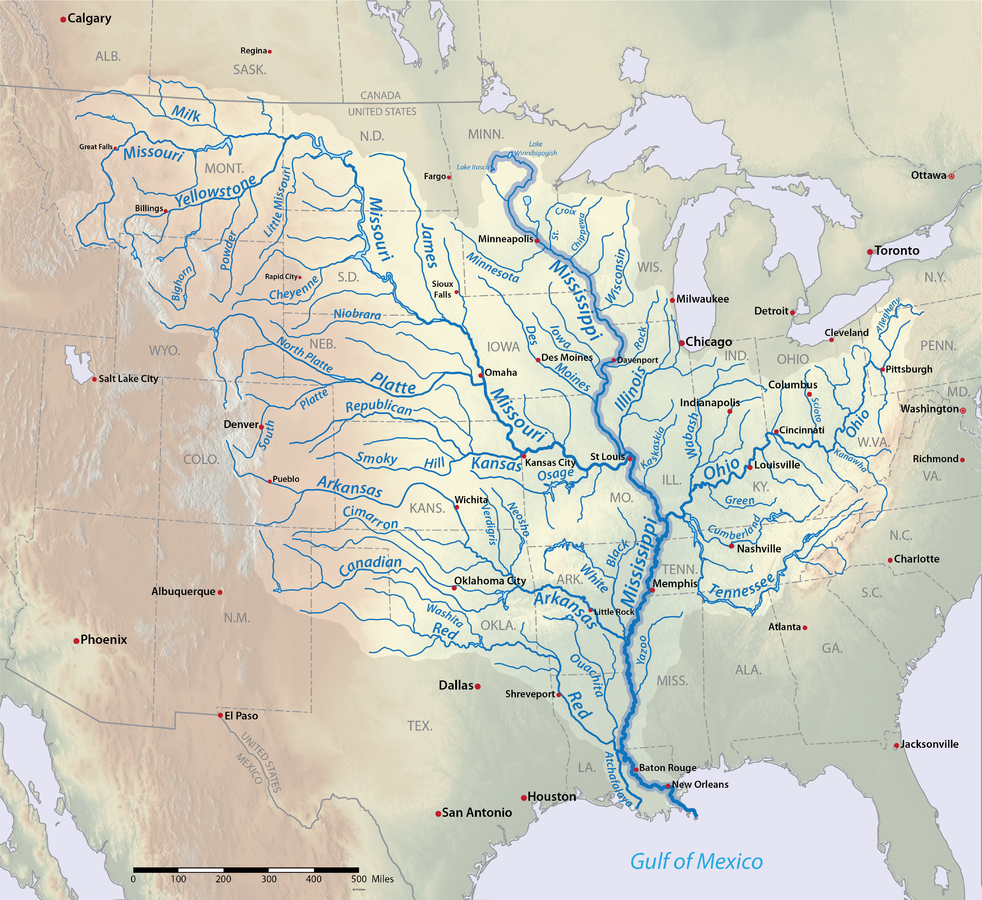
Often cited as approximately 2,340 miles (3,766 kilometers), the Mississippi River is the second-longest river in North America, surpassed only by the Missouri River, which is its longest tributary. However, if one considers the Missouri-Mississippi River System as a single entity, it becomes the fourth-longest river system in the world, stretching over 3,710 miles (5,970 kilometers). This incredible length carves a path through ten U.S. states and its immense watershed drains all or parts of 31 U.S. states and two Canadian provinces, making it a geographical marvel that touches a vast majority of the continent. Its sheer scale means that exploring the Mississippi is not just about measuring distance; it’s about embracing the diverse destinations, attractions, and cultural experiences that thrive along its course, offering a lifetime of travel opportunities.
Unveiling the Mighty Mississippi: A Journey Through America’s Spine
The Mississippi River’s journey is a epic saga of natural forces and human interaction. From its seemingly modest beginnings to its dramatic confluence with the Gulf of Mexico, the river flows through vastly different ecosystems and historical landscapes, offering a dynamic and evolving experience for anyone who chooses to explore it.
Tracing the Source: From Lake Itasca to the Gulf of Mexico
The official source of the Mississippi River is nestled within Itasca State Park in northern Minnesota. Here, the mighty river begins as a tranquil stream flowing out of Lake Itasca. Travelers can literally walk across the river’s nascent point, a unique and humbling experience that marks the very beginning of its formidable journey south. From this serene forested landscape, the river gradually widens and deepens, fed by countless tributaries, including major rivers like the Ohio River and, most notably, the Missouri River.
As it winds its way south, the Mississippi crosses through or borders ten states: Minnesota, Wisconsin, Iowa, Illinois, Missouri, Kentucky, Tennessee, Arkansas, Mississippi (state), and Louisiana. Each state adds its own unique flavor to the river’s story, from the rugged bluffs of the Upper Mississippi to the fertile plains of the Middle Mississippi and the cypress swamps and bayous of the Lower Mississippi.
Finally, after thousands of miles, the Mississippi River culminates its epic journey by emptying into the Gulf of Mexico southeast of New Orleans, Louisiana. This vast delta region is a crucial ecological zone, a haven for wildlife, and a testament to the immense power of the river to transport sediment and shape landforms over millennia. Understanding this complete course—from source to sea—is key to appreciating the river’s impact and planning a comprehensive travel experience along its length.
The River’s Ever-Changing Nature: Why Length Varies
While “2,340 miles” is the widely accepted length, it’s important for travelers to know that the exact measurement of the Mississippi River can fluctuate. Rivers, by their very nature, are dynamic entities, and the Mississippi is particularly famous for its meanders and cutoffs. Over time, the river’s powerful currents erode the outer bends of its meanders and deposit sediment on the inner bends, causing the river to snake across its floodplain. Occasionally, during major floods, the river can cut across a narrow neck of a meander, shortening its course significantly. These natural processes, often accelerated or mitigated by human engineering, mean that the river’s precise length is subject to change.
The U.S. Army Corps of Engineers has played a monumental role in managing the river, particularly for navigation and flood control. Their extensive system of locks and dams, particularly on the Upper Mississippi, and levees along its lower stretches, have stabilized portions of the river, but its fundamental character as a constantly evolving natural landmark remains. This fluidity means that every visit can offer a slightly different perspective, a new sandbar, or an altered bank, adding to the mystique and allure of this grand American waterway. For those seeking authentic, nature-driven experiences, this inherent variability is part of the river’s charm, encouraging repeat visits and continuous discovery.
Experiencing the Mississippi: A Traveler’s Guide
The immense length of the Mississippi River translates directly into an incredible diversity of travel experiences. Whether you’re drawn to urban adventures, historical sites, natural beauty, or culinary delights, the river offers a segment perfectly tailored to your interests.
Iconic Destinations Along the Mississippi
Traveling along the Mississippi is a journey through the heartland of America, touching numerous vibrant cities and significant historical landmarks.
-
Upper Mississippi (Minnesota to Iowa):
- Minneapolis and St. Paul, Minnesota: These Twin Cities offer a blend of urban sophistication and natural beauty. Explore the historic Stone Arch Bridge for stunning skyline views, paddle through the urban wilderness of the Mississippi National River and Recreation Area, or visit the Mill City Museum to learn about the river’s industrial past. Accommodation options here range from luxury hotels like the Four Seasons Hotel Minneapolis to charming boutique stays.
- La Crosse, Wisconsin: Known for its picturesque riverfront and bluffs, particularly Grandad Bluff, which offers panoramic views of the river valley. The city provides a gateway to exploring the scenic Driftless Area.
- Dubuque, Iowa: A historic river city featuring the impressive National Mississippi River Museum & Aquarium, where visitors can learn about the river’s ecology and history. Take a ride on the Fenelon Place Elevator for unique vistas.
-
Middle Mississippi (Missouri to Tennessee):
- St. Louis, Missouri: Dominated by the iconic Gateway Arch National Park, a monument to westward expansion. Explore the Delmar Loop for vibrant dining and entertainment, or take a tour of the historic Anheuser-Busch Brewery. The Four Seasons Hotel St. Louis offers luxurious riverfront accommodation.
- Memphis, Tennessee: The home of the Blues, Memphis is a cultural powerhouse. Stroll down Beale Street for live music, visit Graceland, the former home of Elvis Presley, and don’t miss the chance for a classic riverboat cruise on the Mississippi. Boutique hotels and historic inns offer comfortable stays.
-
Lower Mississippi (Mississippi to Louisiana):
- Vicksburg, Mississippi (state): A city steeped in Civil War history, with the solemn and educational Vicksburg National Military Park overlooking the river.
- Natchez, Mississippi (state): Famous for its well-preserved antebellum homes, Natchez offers a glimpse into the opulent past of the Old South. It’s also a southern terminus of the scenic Natchez Trace Parkway.
- Baton Rouge, Louisiana: The state capital, home to the impressive Louisiana State Capitol building and a vibrant local culture that serves as a prelude to New Orleans.
- New Orleans, Louisiana: The grand finale of a Mississippi journey, New Orleans is a city like no other. Its vibrant French Quarter, historic Jackson Square, world-renowned Cajun and Creole cuisine, and legendary jazz music create an unparalleled travel experience. Don’t miss a traditional steamboat cruise on the river. Iconic hotels like the Hotel Monteleone New Orleans offer historical elegance.
Navigating the River: Cruises, Road Trips, and Outdoor Adventures
The length of the Mississippi River allows for myriad ways to experience it, catering to different travel styles and durations.
- Riverboat Cruises: For a truly immersive and leisurely experience, a multi-day riverboat cruise is unparalleled. Companies like American Cruise Lines and American Queen Voyages offer journeys that span different sections of the river, providing luxury accommodation, onboard entertainment, and guided excursions to historical towns and landmarks. These cruises offer a unique perspective, allowing travelers to witness the changing landscapes and cultures firsthand without the hassle of daily planning.
- Scenic Drives: The Great River Road: For those who prefer independent exploration, the Great River Road is a designated scenic byway that closely follows the course of the Mississippi River for its entire length. This network of state and local roads offers endless opportunities for road trips, allowing travelers to stop at quaint towns, national parks, historical sites, and local eateries at their own pace. Segments can be explored over a weekend, or a full journey could take weeks.
- Paddling and Boating: For the adventurous and active traveler, kayaking, canoeing, and even longer expedition-style paddles are popular, particularly in the quieter stretches of the Upper Mississippi. Numerous outfitters along the river offer rentals and guided tours. Fishing is also a popular activity, with diverse species found throughout the river’s different sections.
- Hiking and Biking: Many state parks, national wildlife refuges, and urban green spaces along the river offer extensive networks of hiking and biking trails. These provide opportunities for outdoor recreation, birdwatching, and experiencing the river’s natural beauty up close.
Accommodation and Lifestyle Along the Mississippi
The journey along the Mississippi River is as much about the places you stay and the experiences you have as it is about the destinations themselves. The river’s vastness ensures a diverse range of accommodations and cultural encounters.
Finding Your Perfect Stay: From Boutique Hotels to Historic Inns
Given the incredible length of the Mississippi River, you’ll find an accommodation option to suit every taste and budget, whether you’re planning a luxury getaway, a budget-friendly family trip, or a unique long-term stay.
- Luxury Resorts and Hotels: In major cities like Minneapolis, St. Louis, Memphis, and New Orleans, you’ll discover world-class hotels offering premium amenities, fine dining, and often stunning river views. Examples include the aforementioned Four Seasons Hotel Minneapolis and Hotel Monteleone New Orleans, which are perfect for a lavish travel experience or a sophisticated business stay.
- Boutique Hotels and Historic Inns: Many charming river towns boast beautifully restored historic properties, offering unique character and a glimpse into the past. These boutique accommodations often provide personalized service and a cozy atmosphere, perfect for a romantic getaway or a culturally immersive experience. Look for these gems in places like Natchez or the French Quarter of New Orleans.
- Vacation Rentals and Apartments: For families or those planning longer stays, vacation rentals and apartments offer flexibility, extra space, and the opportunity to experience local life more authentically. These can be found in most cities and towns along the river, providing a home-away-from-home feel.
- Camping and RV Parks: For budget travelers or those seeking an outdoor adventure, numerous state parks and private campgrounds along the Great River Road offer facilities for tents and RVs, allowing direct access to nature and riverside activities.
When choosing accommodation, consider your itinerary: are you planning to base yourself in one city for a few days, or are you moving frequently along the river? Booking in advance, especially during peak seasons or major events like Mardi Gras in New Orleans, is always recommended. Reading reviews and comparing amenities can help ensure your stay is comfortable and meets your expectations.
Embracing Local Culture and Cuisine
The Mississippi River is a melting pot of American culture, with each region boasting its own distinct flavor.
- Culinary Journey: The river’s influence on American cuisine is undeniable. In the Upper Mississippi, expect Midwestern comfort food and agricultural delights. As you move south, savor St. Louis-style BBQ, then delve into the smoky richness of Memphis BBQ. In the Lower Mississippi, the food becomes truly iconic: Cajun and Creole dishes of Louisiana, from gumbo and jambalaya to beignets and po’boys, are culinary experiences not to be missed. Local food tours and cooking classes are excellent ways to explore this rich heritage.
- Music and Arts: The Mississippi is the birthplace of uniquely American music genres. From the Blues in Memphis to the Jazz of New Orleans, the river pulses with rhythm. Live music venues, festivals, and museums dedicated to musical legends are abundant. Art galleries showcasing local and regional artists also thrive in river towns, reflecting the diverse inspirations drawn from the waterway.
- History and Heritage: The river’s banks are alive with history, from ancient Native American mounds to Civil War battlefields and grand plantation homes. Exploring these sites offers profound insights into the formation of the United States and the complex narratives of its people. Guided tours, living history museums, and historical markers ensure that every stop along the river offers a learning opportunity.
Planning Your Mississippi Adventure
Embarking on a journey along the Mississippi River requires some thoughtful planning to maximize your experience and ensure a smooth trip. Considering the sheer length and diversity of the river, a well-organized itinerary is essential.

Best Time to Visit and Travel Tips
The best time to visit the Mississippi River depends heavily on which section you plan to explore and what activities you prioritize.
- Spring (March to May) and Fall (September to November) are generally considered the most ideal times to visit. Temperatures are mild and comfortable across most of the river’s length, making outdoor activities and city explorations pleasant. Fall foliage along the Upper Mississippi is particularly stunning, while spring brings vibrant blooms to the South. These seasons also tend to have fewer crowds than summer, especially on riverboat cruises.
- Summer (June to August) can be very hot and humid, especially in the southern sections of the river. However, it’s a popular time for family trips, with many festivals and events. If traveling in summer, plan activities for early mornings or evenings, and ensure your accommodation has good air conditioning.
- Winter (December to February) can be cold, with snow and ice in the northern states, which might limit some outdoor activities. However, winter offers a unique, tranquil beauty and the chance to experience holiday festivities in cities like New Orleans (e.g., Christmas in the French Quarter). Riverboat cruises operate year-round, but schedules might be adjusted for northern routes during severe weather.
Practical Travel Tips:
- Transportation: For a comprehensive exploration, a car is invaluable for navigating the Great River Road and reaching various attractions. Major cities along the river are served by airports, making it easy to fly into one region and out of another. Amtrak also offers scenic train routes, such as the “City of New Orleans” that parallels a significant portion of the river.
- Packing Essentials: Regardless of the season, comfortable walking shoes are a must. Layers are always advisable, especially if you’re traveling across different climate zones. Don’t forget sunscreen, insect repellent (particularly in the warmer, more humid southern regions), and a good camera to capture the diverse landscapes.
- Budgeting: The Mississippi River offers options for all budgets. Luxury riverboat cruises and high-end hotels will obviously be more expensive, while camping, budget hotels, and self-catering vacation rentals can significantly reduce costs. Eating local and seeking out free attractions (like parks and scenic overlooks) also helps manage expenses.
- Flexibility: While planning is good, remember that travel along the river can be unpredictable. Weather can change, and you might discover an unexpected charming town or festival. Allowing some flexibility in your itinerary will enhance your overall experience.
- Family-Friendly Travel: Many attractions along the river are well-suited for families, including museums, parks, and shorter boat excursions. Consider destinations like the National Mississippi River Museum & Aquarium in Dubuque or the Gateway Arch National Park in St. Louis for engaging educational experiences.
The question of “How long is the Mississippi River?” opens the door to an understanding of its incredible reach and the profound impact it has had on the American landscape and its people. From the tranquil forests of Minnesota to the vibrant streets of New Orleans, the river offers a journey spanning thousands of miles and centuries of history. Its winding path, diverse ecosystems, and the rich cultural tapestry woven along its banks present an unparalleled opportunity for exploration and discovery. Whether by luxurious riverboat, scenic road trip, or an active outdoor adventure, experiencing the mighty Mississippi is an essential American travel experience, promising unforgettable memories and a deeper connection to the heart of the continent. Embark on your own Mississippi adventure and witness the enduring spirit of this magnificent landmark.
LifeOutOfTheBox is a participant in the Amazon Services LLC Associates Program, an affiliate advertising program designed to provide a means for sites to earn advertising fees by advertising and linking to Amazon.com. Amazon, the Amazon logo, AmazonSupply, and the AmazonSupply logo are trademarks of Amazon.com, Inc. or its affiliates. As an Amazon Associate we earn affiliate commissions from qualifying purchases.