
For many adventurers and nature enthusiasts, the thought of exploring the vast, untamed wilderness of Montana conjures images of majestic peaks, sweeping prairies, and abundant wildlife. Known as Big Sky Country, Montana offers an unparalleled tapestry of landscapes, from the towering Rocky Mountains to the expansive Great Plains. Travelers flock to destinations like Glacier National Park and the edges of Yellowstone National Park to witness its raw beauty. However, when planning a trip to such a wild and diverse state, a common question often arises, especially for those venturing off the beaten path: Are there rattlesnakes in Montana? The short answer is yes, but understanding their presence, habitats, and how to safely coexist with them is crucial for any responsible traveler.
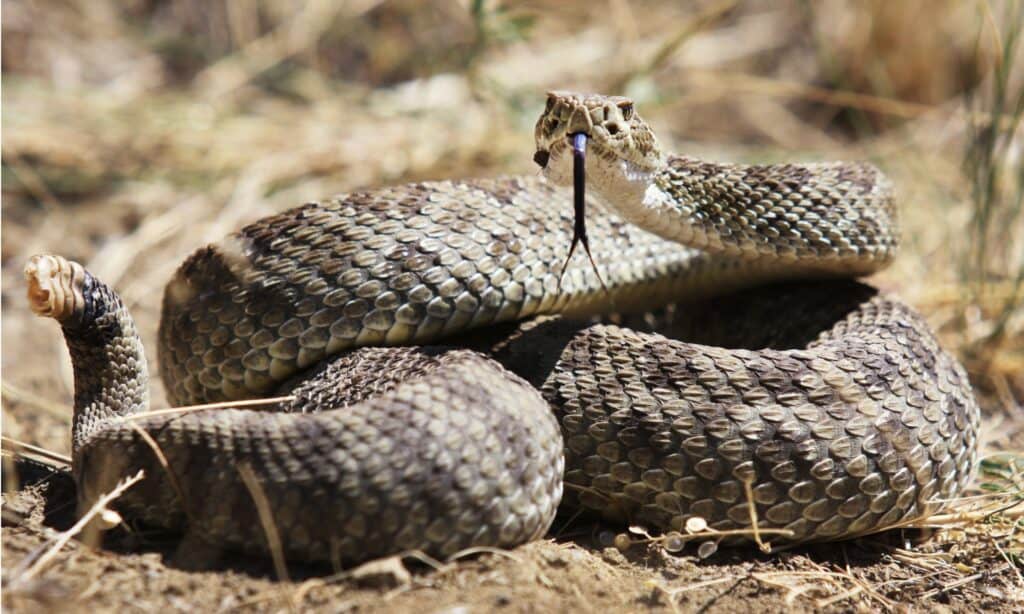
Montana is indeed home to rattlesnakes, specifically one species: the Prairie Rattlesnake. These fascinating reptiles are an integral part of the state’s ecosystem, playing a vital role in controlling rodent populations. While their distinctive rattle can be a startling sound, it serves as a warning, and understanding this behavior is key to enjoying Montana’s natural wonders without incident. This guide will delve into where these snakes can be found, how to ensure your safety, and how to make the most of your Montana adventure, all while respecting its wild inhabitants.
Unveiling Montana’s Wild Side: The Presence of Rattlesnakes
Montana’s diverse geographical features, from arid badlands to verdant river valleys, create suitable habitats for a variety of wildlife, including venomous snakes. The presence of rattlesnakes might seem daunting to some, but with proper knowledge and precautions, they needn’t detract from the wonder of your travel experiences.
The Prairie Rattlesnake: Montana’s Resilient Resident
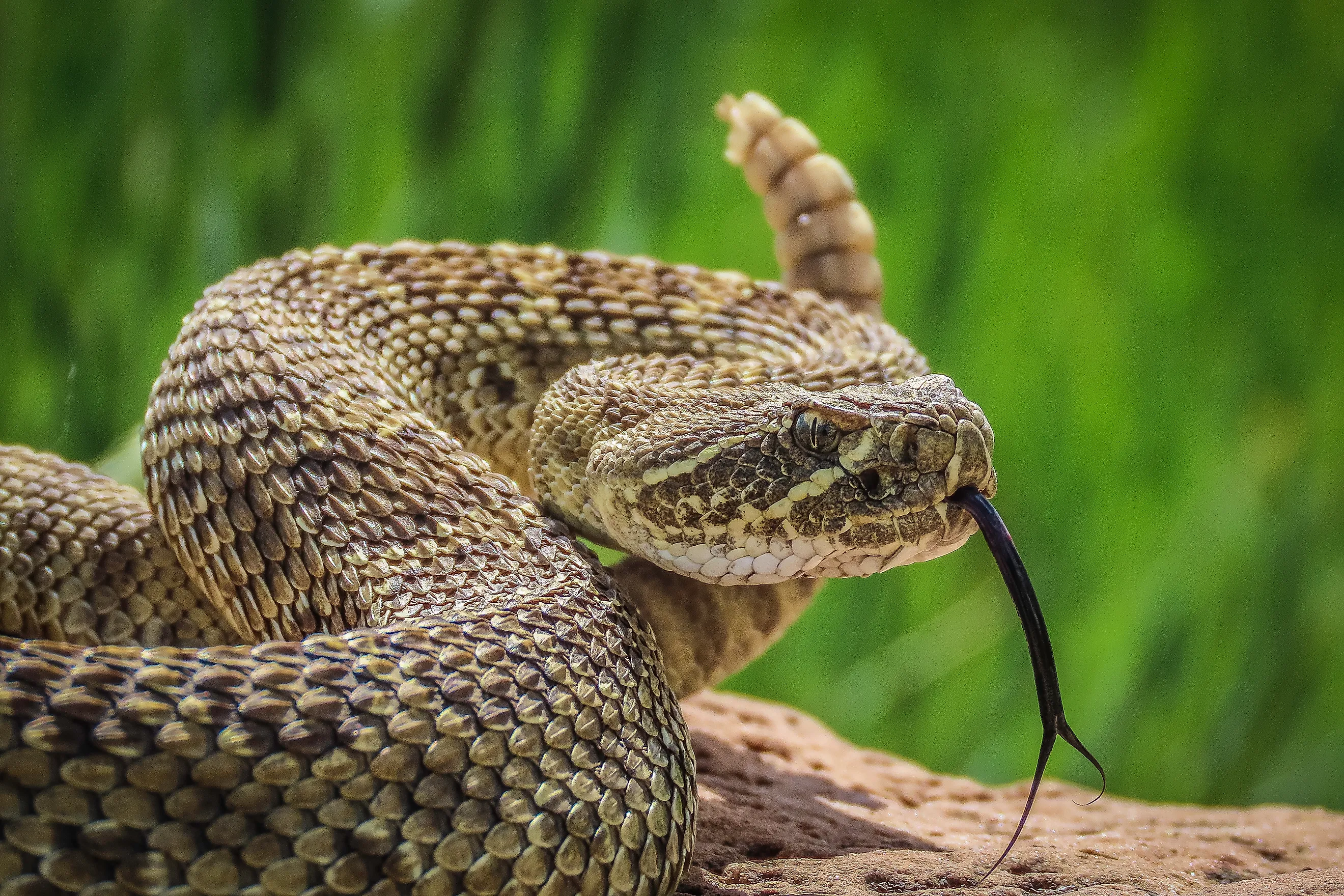
The sole species of rattlesnake found in Montana is the Prairie Rattlesnake (Crotalus viridis). These snakes are characterized by their greenish-gray or light brown coloration, often adorned with dark blotches that help them camouflage perfectly with their surroundings. Ranging in length from 2 to 4 feet, they are equipped with a series of keratin segments at the end of their tail – the iconic rattle – which they shake vigorously as a warning when they feel threatened.
The Prairie Rattlesnake is widely distributed across the Great Plains of North America, extending its range through Canada down to Mexico. In the United States, they are found in states like Wyoming, North Dakota, South Dakota, Nebraska, Kansas, Oklahoma, Texas, New Mexico, and Arizona, making Montana a northern outpost of their expansive habitat. They are primarily nocturnal during the hottest summer months but can be active during the day in spring and fall. These creatures are essential predators, helping maintain ecological balance by preying on small mammals, birds, and amphibians.
Where to Find Them: Habitats and Hotspots
Understanding the preferred habitats of the Prairie Rattlesnake is crucial for anyone planning to explore the more remote areas of Montana. They are predominantly found in the warmer, drier, and lower elevation regions of the state, primarily Eastern Montana. Their preferred environments include:
- Prairies and Grasslands: Expansive, open areas with tall grasses provide excellent cover and hunting grounds.
- Badlands and Rocky Outcrops: These rugged terrains offer ideal places for basking in the sun and finding shelter in crevices and dens.
- River Bottoms and Coulees: Areas near water sources, often with dense vegetation, can also be prime habitats, especially when looking for prey.
- Agricultural Areas: Fields and farms can attract rodents, which in turn attract rattlesnakes.
- Winter Dens (Hibernacula): During colder months, rattlesnakes gather in communal dens, often in rocky crevices or abandoned burrows, to hibernate. These dens are typically on south-facing slopes to maximize sun exposure.
While Western Montana and mountainous regions like Glacier National Park are less common areas for rattlesnakes due to cooler temperatures and higher elevations, they are not entirely absent from the valleys and lower elevations there. Areas around Missoula and Bozeman can also encounter them, particularly in the surrounding grasslands and foothills. Travelers should always remain vigilant, regardless of the specific region they are exploring, especially between April and October when rattlesnakes are most active.
Navigating Montana’s Outdoors: Safety and Awareness
A trip to Montana promises breathtaking scenery and unforgettable experiences, but a responsible traveler understands the importance of safety, especially in a landscape teeming with diverse wildlife. Knowing how to react to and prevent encounters with rattlesnakes is an essential part of your travel preparation.
Essential Tips for Hikers and Explorers
When planning your outdoor adventures in Montana, particularly hiking, camping, or engaging in activities in grassy or rocky terrain, consider these precautions:
- Stay on Marked Trails: This is one of the most effective ways to avoid unexpected encounters. Rattlesnakes often seek shelter or bask off the main path.
- Wear Appropriate Footwear: Sturdy, ankle-high hiking boots provide protection against potential bites. Avoid open-toed shoes or sandals in snake habitats.
- Watch Your Step: Always look where you are walking, especially when stepping over logs, rocks, or through tall grass. Be mindful when reaching into crevices or under ledges.
- Use a Walking Stick: A hiking pole can be useful for probing ahead in dense vegetation or when checking potential resting spots before stepping.
- Keep Pets on Leash: Dogs, especially curious ones, can easily disturb or provoke a rattlesnake. Keeping them leashed and close prevents them from wandering into dangerous situations.
- Be Mindful of Sounds: The distinctive rattle is a clear warning. If you hear it, stop immediately and locate the snake before slowly backing away.
- Never Harass or Handle Snakes: Attempting to kill, capture, or move a snake significantly increases the risk of a bite. Give them space and they will generally move away.
- Carry a First-Aid Kit: While specific snakebite kits are often debated for effectiveness, a standard first-aid kit for general injuries is always prudent. Know how to call for emergency services.
Understanding Rattlesnake Behavior
Rattlesnakes are not inherently aggressive; they are defensive creatures. Their primary goal is to avoid conflict. They will generally try to escape detection or warn off perceived threats with their rattle before striking. Bites usually occur when a snake feels trapped, surprised, or provoked.
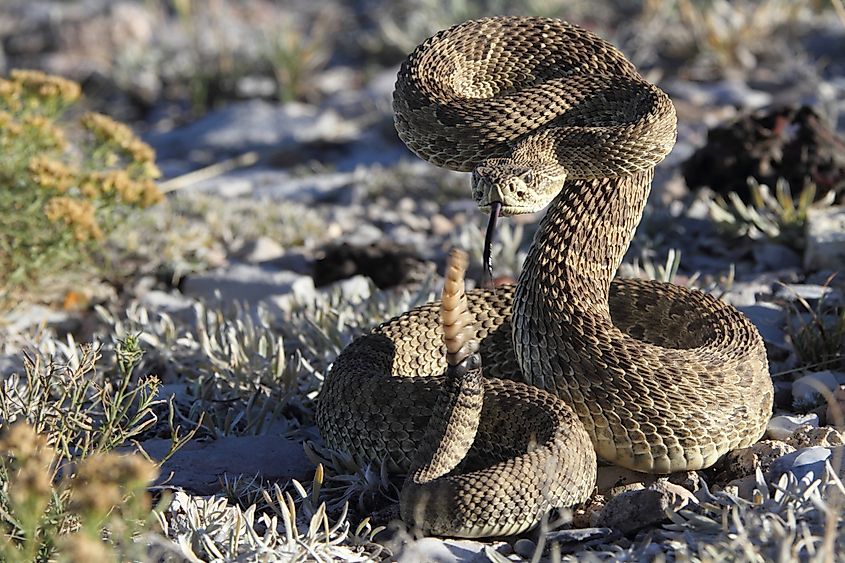
- Warning Rattle: This is their most common defense mechanism. The sound is unmistakable and should be heeded immediately.
- Striking Distance: A rattlesnake can strike up to two-thirds of its body length. Maintain a safe distance of at least 6 feet (2 meters).
- Bask in the Sun: Snakes are cold-blooded and often bask in sunny spots to regulate their body temperature. Be particularly cautious on warm rocks or sun-drenched trails.
- Shelter in Shade: During the hottest parts of the day, they may seek shade under bushes or rocks, so be careful when moving through such areas.
- What to Do if Bitten: In the rare event of a bite, remain calm. Seek immediate medical attention. Do not attempt to suck out venom, apply a tourniquet, or use ice. Keep the bitten limb below heart level and try to keep it still. Remove any tight clothing or jewelry near the bite before swelling occurs.
Beyond the Buzz: Experiencing Montana’s Diverse Ecosystems
While rattlesnake awareness is crucial, it’s just one aspect of preparing for an incredible journey through Montana. The state offers an abundance of travel experiences, from luxurious resorts to budget-friendly camping, all designed to connect you with its unique local culture, food, and activities.
Iconic Montana Destinations and Wildlife Encounters
Montana’s appeal extends far beyond its prairies. The state boasts some of the most breathtaking natural landmarks in the United States:
- Glacier National Park: Known as the “Crown of the Continent,” this park offers pristine forests, alpine meadows, rugged mountains, and spectacular lakes. Here, you’re more likely to encounter Grizzly Bears, Black Bears, Mountain Lions, Moose, and Elk, rather than rattlesnakes, due to its higher elevation and cooler climate. The Going-to-the-Sun Road is a world-famous scenic drive.
- Yellowstone National Park (Northern Entrance): While much of Yellowstone lies in Wyoming, its northern entrance near Gardiner, Montana provides access to the park’s geysers, hot springs, and vast wildlife populations, including Bison and wolves.
- Absaroka-Beartooth Wilderness: For serious adventurers, this wilderness area on the border with Wyoming offers rugged terrain, high-altitude lakes, and some of Montana’s highest peaks.
- Flathead Lake: The largest freshwater lake west of the Mississippi River in the continental United States, offering boating, fishing, and scenic drives.
- Lewis and Clark Caverns State Park: Montana’s first state park, featuring impressive limestone caves.
- Cities like Bozeman, Missoula, and Billings: These urban centers serve as gateways to outdoor adventures and offer a vibrant local culture, diverse food scenes, and a range of accommodation options.
Planning Your Montana Adventure: Accommodation and Travel Insights
When planning your trip to Montana, consider the vast array of accommodation options and travel styles available to suit any lifestyle or budget:
- Hotels and Resorts: From luxury suites in places like The Ranch at Rock Creek or Paws Up Resort offering an all-inclusive glamping experience, to cozy boutique hotels in cities like Bozeman or more standard chains in Billings, there’s something for everyone. Resorts like Big Sky Resort cater to both winter sports and summer activities.
- Cabins and Vacation Rentals: For those seeking a more immersive nature experience or a long-term stay, renting a cabin or a private villa near national forests or state parks can be ideal. Websites for booking accommodation offer detailed reviews and comparison tools to help you find the perfect fit.
- Camping and Glamping: Montana is a camper’s paradise, with numerous campgrounds in national forests and state parks. Glamping combines the ruggedness of camping with the amenities of a hotel, offering a unique blend of adventure and comfort.
- Travel Guides and Experiences: Utilize comprehensive travel guides that cover specific destinations, attractions, and local activities. Whether you’re interested in fly-fishing, horseback riding, whitewater rafting, or exploring historical sites like the Big Hole National Battlefield, Montana offers a wealth of experiences. Don’t forget to sample local cuisine, from hearty ranch fare to innovative farm-to-table dining.
No matter your chosen style of travel – be it luxury, budget, family-oriented, or a business stay – preparing for Montana’s unique environment will enhance your journey.
Protecting Wildlife and Ensuring a Safe Journey
Responsible tourism is about more than just enjoying the scenery; it’s about respecting the natural world and minimizing your impact. Coexisting with Montana’s wildlife, including its rattlesnakes, is a fundamental aspect of this.
Coexisting with Wildlife: Best Practices for Responsible Tourism
To ensure the safety of both visitors and wildlife, adhere to these principles:
- Leave No Trace: Pack out everything you pack in. Dispose of waste properly. Stay on marked trails to minimize disturbance to habitats.
- Observe from a Distance: Whether it’s a deer, a bear, or a snake, always give wild animals space. Never approach, feed, or harass wildlife. Use binoculars for close-up views.
- Educate Yourself: Learn about the local flora and fauna before your trip. Understanding animal behavior can help prevent dangerous encounters.
- Support Conservation: Consider visiting local visitor centers, supporting park programs, or donating to wildlife conservation efforts.
Rattlesnakes, like all creatures in Montana’s ecosystem, have a vital role. By respecting their space and understanding their habits, we can ensure they continue to thrive and contribute to the wild beauty of the state.
Resources and Emergency Preparedness
Before embarking on your Montana adventure, it’s wise to compile a list of essential resources:
- Local Emergency Services: Know the local emergency number (usually 911 in the United States).
- Poison Control Centers: Have the national poison control hotline number readily available.
- Park Ranger Stations: Familiarize yourself with the locations and contact information of park ranger stations or local wildlife agencies in the areas you plan to visit. They are excellent sources of current conditions, trail information, and wildlife alerts.
- Travel Insurance: For longer trips or those involving adventurous activities, consider travel insurance that covers emergency medical treatment and evacuation.
In conclusion, yes, rattlesnakes are present in Montana, predominantly the Prairie Rattlesnake in the state’s drier, eastern, and lower elevation regions. However, their presence should not deter travelers from exploring the magnificent landscapes of Big Sky Country. By understanding their habitats, practicing vigilance, and adhering to simple safety protocols, you can confidently enjoy the vast wilderness, rich culture, and diverse experiences that make Montana an unforgettable travel destination. Embrace the adventure, stay informed, and respect the wild, and Montana will undoubtedly reward you with memories to last a lifetime.
LifeOutOfTheBox is a participant in the Amazon Services LLC Associates Program, an affiliate advertising program designed to provide a means for sites to earn advertising fees by advertising and linking to Amazon.com. Amazon, the Amazon logo, AmazonSupply, and the AmazonSupply logo are trademarks of Amazon.com, Inc. or its affiliates. As an Amazon Associate we earn affiliate commissions from qualifying purchases.