
Las Vegas, often hailed as the “Entertainment Capital of the World,” is a city of dazzling lights, world-class entertainment, and luxurious resorts, all set against the dramatic backdrop of the Mojave Desert. For travelers planning a visit, understanding the local climate is paramount, as the temperature can significantly influence everything from what to pack to the best activities to enjoy. Beyond the glamour of the Las Vegas Strip, the city’s weather plays a crucial role in shaping the travel experience, dictating whether you’ll be seeking refuge in air-conditioned comfort or enjoying the pleasant desert air.
The temperature in Las Vegas varies drastically throughout the year, characterized by extremely hot summers and mild, often chilly, winters. This extreme range is a direct consequence of its desert location in southern Nevada. While the dry heat of summer might seem daunting, the city is meticulously designed to offer a cool oasis even during the hottest months, with every major hotel and attraction providing sophisticated climate control and an abundance of indoor entertainment. Conversely, the cooler temperatures of fall, winter, and spring open up a different array of possibilities, from exploring natural landmarks to enjoying outdoor festivals.
This comprehensive guide will delve into the nuances of Las Vegas temperatures, providing insights into what to expect season by season. We’ll explore how the climate impacts various aspects of travel, from selecting the perfect accommodation to planning your itinerary of attractions and experiences. Whether you’re a first-time visitor or a seasoned Las Vegas enthusiast, understanding the weather will help you make the most of your desert adventure, ensuring a comfortable and memorable trip, regardless of the season.
Understanding Las Vegas’s Climate: A Desert City’s Rhythms
To truly appreciate the weather patterns in Las Vegas, one must first acknowledge its geographical context. Situated within the Mojave Desert, the city experiences a hot desert climate, characterized by very little rainfall and abundant sunshine throughout the year. This unique environment leads to significant diurnal temperature variations, meaning there’s a considerable difference between daytime highs and nighttime lows, especially during the spring and fall.
The Desert Landscape’s Influence
The surrounding desert landscape is the primary driver of Las Vegas’s temperature profile. Its inland location, far from any moderating large bodies of water, allows temperatures to soar in summer and drop more significantly in winter. The dry air, however, often makes the intense heat feel less oppressive than humid climates, although caution is always advised. The lack of humidity also contributes to rapid cooling once the sun sets, making summer evenings surprisingly pleasant, particularly around Las Vegas’s numerous resort pools and outdoor dining patios, though daytime temperatures can still hit extreme highs.
Furthermore, the desert environment influences not just the air temperature but also the types of outdoor activities available. While the immediate city is a beacon of human ingenuity, within a short drive, visitors can explore breathtaking natural landmarks such as Red Rock Canyon National Conservation Area, Valley of Fire State Park, or even the iconic Hoover Dam and Lake Mead. The ideal time to visit these natural wonders is heavily dependent on the season, as summer temperatures can make hiking and prolonged outdoor exposure challenging, if not dangerous.
Seasonal Temperature Breakdown
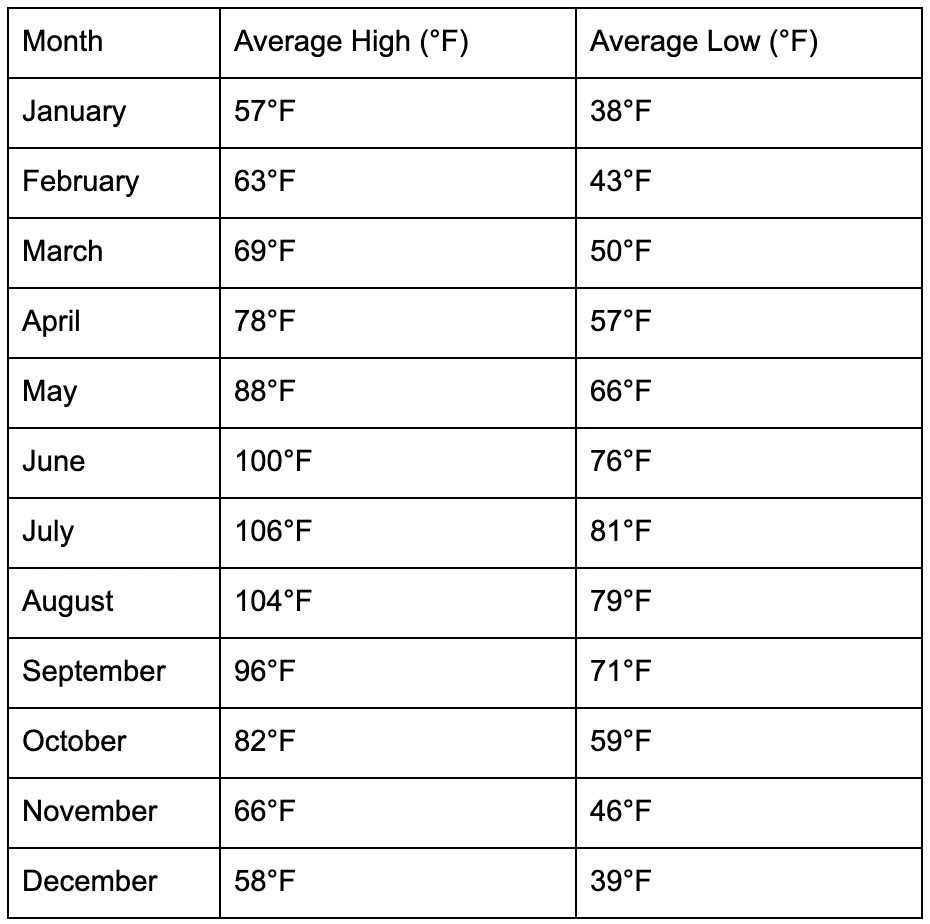
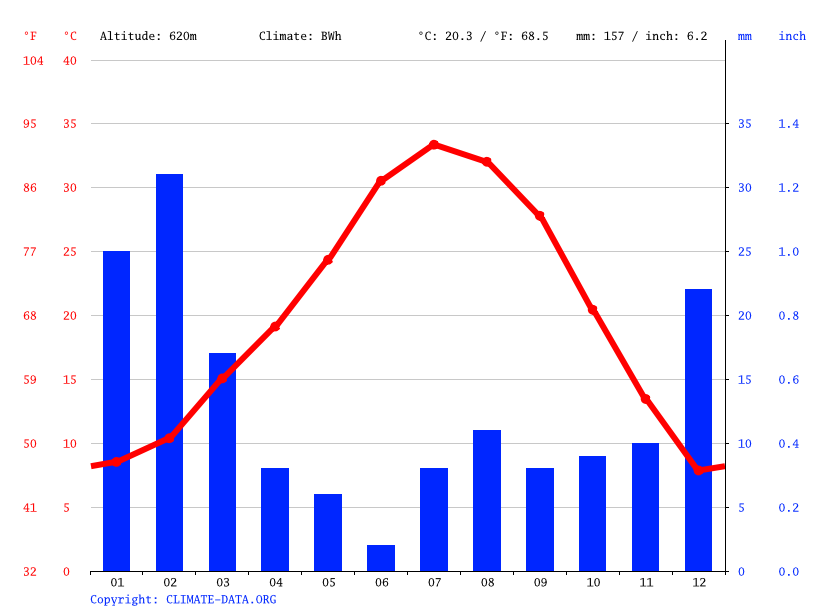
- Summer (June to August): This is when Las Vegas truly earns its desert reputation. Average daytime highs typically range from 100°F (38°C) to 105°F (41°C), with many days exceeding 110°F (43°C). The evenings offer some respite, with temperatures cooling down to the mid-70s°F (24-26°C). The heat is dry, but it’s intense. This season is perfect for those who embrace pool parties, indoor attractions, and staying within air-conditioned hotels and casinos.
- Fall (September to November): Often considered one of the best times to visit. September can still be quite warm, with averages in the low 90s°F (32-34°C). By October, temperatures become delightfully mild, averaging in the 70s°F (21-26°C) during the day and cooling to the 50s°F (10-15°C) at night. November continues this trend, with daytime highs in the 60s°F (15-20°C). This season is ideal for outdoor explorations and comfortable walks along The Strip.
- Winter (December to February): Las Vegas winters are surprisingly cool, especially for those accustomed to the city’s summer inferno. Daytime highs average in the 50s°F (10-15°C), with nighttime lows often dipping into the 30s°F (0-4°C). Frost is not uncommon, and while snow in the city is rare, the nearby Mount Charleston often sees significant snowfall, offering winter sports opportunities just an hour’s drive away. This season is excellent for indoor shows, gourmet dining, and enjoying the festive holiday decorations without the intense heat.
- Spring (March to May): Similar to fall, spring is another prime season for visiting. March offers mild temperatures in the 70s°F (21-26°C), progressing to the low 80s°F (27-30°C) in April, and reaching the low 90s°F (32-34°C) by May. Nights remain pleasantly cool. This period strikes a perfect balance, allowing for both comfortable outdoor tourism and enjoyable poolside relaxation before the summer heat truly sets in.
Understanding these seasonal shifts is crucial for planning your Las Vegas lifestyle experience, whether you’re seeking a budget-friendly trip during the off-peak heat or a luxurious escape during the balmy shoulder seasons.
Navigating Las Vegas Weather: Tips for Every Traveler
Regardless of when you choose to visit, Las Vegas offers a plethora of activities and experiences tailored to its unique climate. The key to an enjoyable trip lies in preparing for the temperatures and embracing the seasonal offerings.
Summer Survival: Embracing the Heat
Visiting during the peak summer months requires a strategic approach to stay comfortable and safe. Hydration is non-negotiable; drink plenty of water throughout the day. Opt for light-colored, breathable clothing, and always wear sunscreen, hats, and sunglasses when outdoors.
The secret to enjoying summer in Las Vegas lies in leveraging the city’s incredible indoor environments and world-class hotel amenities. Spend your afternoons lounging by one of the many elaborate resort pools, such as those at the Bellagio, MGM Grand, or The Venetian Resort, which often feature shaded cabanas and refreshing water features. Explore the extensive indoor shopping malls, acclaimed restaurants, and captivating shows. The evenings, while still warm, are much more tolerable for venturing out to enjoy the illuminated Fremont Street Experience or strolling along The Strip to admire the various hotel landmarks and fountains.
Winter Wonders: Cooler Adventures
Winter in Las Vegas presents a different set of opportunities. While the days are often sunny and mild, the evenings can be quite chilly. Pack layers, including sweaters and a medium-weight jacket, especially if you plan to be out after dark. This is an excellent time for tourism focused on indoor attractions and local culture. Enjoy prolonged sessions at the casinos, indulge in high-end dining, or catch a resident performer.
For those who enjoy a touch of winter, a day trip to Mount Charleston offers a dramatic change of scenery with pine trees and often snow-covered slopes, perfect for a snowy hike or even skiing. This contrast highlights the diverse geographical experiences available just outside the metropolitan area. Additionally, the cooler temperatures are perfect for exploring downtown Las Vegas and its burgeoning arts district without the discomfort of intense heat.

Spring & Fall: The Golden Seasons
These shoulder seasons are arguably the most comfortable times to visit Las Vegas. The mild temperatures create ideal conditions for a wide range of activities. Pack versatile clothing, including light layers for cooler evenings. This is the perfect time for exploring the region’s natural landmarks. Take a scenic drive through Red Rock Canyon, hike the trails of Valley of Fire State Park, or plan a full-day excursion to the Grand Canyon or Hoover Dam, both of which are much more enjoyable in temperate weather.
Within the city, outdoor attractions like the High Roller Observation Wheel at The LINQ Promenade, or simply wandering and admiring the impressive architecture of Caesars Palace or Paris Las Vegas with its iconic Eiffel Tower replica, are incredibly pleasant. Outdoor dining becomes a highly sought-after experience, allowing visitors to soak in the vibrant atmosphere of The Strip as the sun sets. These seasons offer the best of both worlds, balancing comfortable outdoor exploration with the city’s renowned indoor entertainment, making them popular choices for family trips, couples’ getaways, and business stays alike.
Beyond the Thermometer: Activities & Attractions by Season
Las Vegas is expertly crafted to offer year-round entertainment, skillfully adapting to its desert climate. The city’s developers and tourism boards have ensured that visitors can find compelling activities regardless of whether the thermometer is soaring or dropping.
Indoor Escapes: When the Heat (or Cold) is On
When the temperatures are at their most extreme – scorching in summer or crisp in winter – Las Vegas’s myriad indoor attractions truly shine.
The city boasts some of the world’s most spectacular resorts, each a destination in itself. You can spend days exploring the various themed properties like The Venetian with its Grand Canal Shoppes and gondola rides, or the luxurious Wynn Las Vegas with its opulent spas and exquisite dining. From the aquariums at Mandalay Bay to the fine art collections at the Bellagio Gallery of Fine Art, there are countless ways to stay entertained in climate-controlled comfort.
Shopping is another prime indoor activity, with high-end boutiques and sprawling malls like the Forum Shops at Caesars Palace and Fashion Show Mall providing endless retail therapy. Of course, the iconic casinos offer a timeless appeal, drawing visitors into their vibrant gaming floors. Beyond gaming, Las Vegas is synonymous with world-class entertainment, featuring a rotating lineup of Cirque du Soleil productions, headliner concerts, magic shows, and comedy acts. These indoor experiences are perfectly suited for any extreme weather, ensuring your trip is packed with excitement regardless of the forecast.
Outdoor Exploits: Making the Most of Mild Weather
The shoulder seasons (spring and fall) are when outdoor activities truly come alive. With pleasant temperatures, exploring the exterior marvels of Las Vegas and its environs becomes a delight.
Along The Strip, take leisure strolls to witness the famous Bellagio Fountains show, the volcano eruption at Mirage Hotel & Casino, or ascend the Stratosphere Tower (now The STRAT Hotel, Casino & Skypod) for panoramic views of the city and desert. Dining al fresco at one of the many patios becomes a sought-after experience, allowing you to savor delicious food while soaking in the vibrant atmosphere.
For nature enthusiasts, day trips are a must. The vibrant red rocks of Red Rock Canyon National Conservation Area are perfect for hiking, rock climbing, and scenic drives. A visit to the architectural marvel of the Hoover Dam and the expansive Lake Mead offers both historical insight and recreational opportunities like boating or kayaking. Further afield, the majestic Grand Canyon, situated partly in Arizona, becomes a comfortable and breathtaking day trip, or even an overnight stay, in milder weather. These natural landmarks showcase the unparalleled beauty of the American Southwest and are best explored when temperatures are agreeable.
Accommodation and Comfort: Your Oasis in the Desert
Selecting the right accommodation in Las Vegas is always a crucial decision, but it becomes even more significant when considering the varying temperatures. From luxury suites to budget-friendly hotels, each option offers different levels of comfort and access to amenities designed to mitigate the effects of the weather.
Hotel Amenities for Climate Control
Las Vegas hotels are masters of climate control. Every hotel room, suite, or apartment offers robust air conditioning for summer and heating for winter, ensuring guests remain comfortable indoors. Beyond the individual rooms, the communal areas – casinos, restaurants, convention centers, and shopping arcades – are meticulously climate-controlled.
During summer, the emphasis shifts to refreshing pool areas. Many resorts feature elaborate complexes with multiple pools, lazy rivers, and splash pads, often complete with shaded cabanas, poolside service, and misters to keep guests cool. Examples include the MGM Grand’s Grand Pool Complex or the Cosmopolitan of Las Vegas’ Boulevard Pool. In winter, while outdoor pools may be too cold for some, many hotels offer heated pools or enticing indoor spas and wellness centers, providing a relaxing escape from the cooler outdoor air.
For those considering long-term stays or apartment rentals, verifying the efficiency of the HVAC system is paramount, as energy costs can be significant in a desert climate. Reviews often provide valuable insights into a property’s ability to maintain a comfortable indoor environment throughout the year.
Choosing the Right Stay for Your Seasonal Visit
Your choice of accommodation should align with the season and your planned activities.
- Summer: Prioritize hotels with exceptional pool areas and a strong array of indoor attractions. Proximity to The Strip’s climate-controlled walkways or tram systems can also be a major plus, minimizing exposure to the intense heat when moving between resorts.
- Winter: Look for hotels with appealing indoor amenities like spas, high-quality restaurants, and easy access to shows. While outdoor pools might be heated, if swimming is a top priority, confirm pool operating schedules and temperatures.
- Spring & Fall: These seasons offer the most flexibility. Almost any hotel can provide an excellent base. Consider properties that offer a good balance of indoor comfort and access to outdoor spaces, perhaps with balconies or pleasant outdoor dining options. This is also a great time to explore boutique hotels or villas that might not have extensive indoor entertainment but offer unique charms that are best appreciated in milder weather.
In conclusion, while Las Vegas’s temperature swings widely throughout the year, the city’s infrastructure and wealth of attractions are meticulously designed to ensure comfort and enjoyment in any season. By understanding the climate and planning accordingly, travelers can confidently choose the best time to visit and curate an unforgettable Las Vegas experience. Whether you’re seeking a vibrant summer pool party, a serene winter cultural escape, or a spring adventure exploring the desert’s natural landmarks, Las Vegas promises an unparalleled travel destination, ready to dazzle you with its constant innovation and enduring appeal.
LifeOutOfTheBox is a participant in the Amazon Services LLC Associates Program, an affiliate advertising program designed to provide a means for sites to earn advertising fees by advertising and linking to Amazon.com. Amazon, the Amazon logo, AmazonSupply, and the AmazonSupply logo are trademarks of Amazon.com, Inc. or its affiliates. As an Amazon Associate we earn affiliate commissions from qualifying purchases.