
Embarking on a new chapter in the breathtaking landscapes of Montana often means navigating a few administrative necessities, one of the most important being vehicle registration. Whether you’re moving to Big Sky Country for its serene lifestyle, purchasing a new vehicle within the state, or simply ensuring your mode of travel is road-legal for exploring the state’s incredible destinations, understanding the registration process is key. This comprehensive guide aims to demystify the steps, ensuring a smooth transition so you can focus on enjoying all that Montana has to offer, from its majestic Rocky Mountains to its vibrant cities like Bozeman and Missoula.

Vehicle registration is more than just a legal requirement; it’s your ticket to freely explore Montana’s vast nature and landmarks. Imagine driving through Glacier National Park‘s Going-to-the-Sun Road, or heading south towards the Yellowstone National Park entrance, knowing your vehicle is properly registered and ready for any adventure. For those planning a long-term stay or considering Montana as their permanent home, understanding this process is a foundational step in establishing your presence in the state. From budget travel enthusiasts exploring State Parks to those indulging in luxury travel at resorts like The Ranch at Rock Creek or Paws Up Resort, a properly registered vehicle is indispensable.
Why Register Your Vehicle in Montana?
The reasons for registering a vehicle in Montana are as diverse as its landscapes, often stemming from significant life changes or transactions. Understanding these core motivations helps set the stage for the practical steps that follow.
New Residents: Embracing the Montana Lifestyle
Many individuals and families are drawn to Montana’s unique blend of rugged wilderness and friendly communities, seeking a change of pace or new opportunities. Whether you’re relocating for work, retirement, or simply to embrace the outdoor-centric lifestyle offered by cities like Helena or Billings, registering your out-of-state vehicle is a mandatory step once you establish residency. Montana defines a resident as someone who lives in the state for more than 180 days in a calendar year, registers to vote, files a Montana income tax return, or claims a homeowner’s property tax exemption. As a new resident, you typically have a grace period, often 60 days, to transfer your vehicle registration and driver’s license to Montana. This transition is vital not only for legal compliance but also for integrating into the local community and accessing local services. It’s a rite of passage for many, signifying a full embrace of the “Treasure State” way of life.
Purchasing a Vehicle Locally: Exploring Montana’s Destinations
If you purchase a vehicle from a dealership or a private seller within Montana, the registration process will differ slightly from an out-of-state transfer. New purchases, whether they’re cars, trucks, motorcycles, or recreational vehicles (RVs) designed for adventurous family trips to Flathead Lake or Lewis and Clark Caverns State Park, must be registered promptly. Dealerships often handle a significant portion of the initial paperwork, making the process smoother. However, private sales require the new owner to take full responsibility for submitting all necessary documents and fees to the County Treasurer’s Office or local Department of Motor Vehicles (DMV). Proper registration ensures that you can legally drive your new vehicle, allowing you to venture out and discover Montana’s many hidden attractions and famous places without concern.
Essential Documents and Prerequisites
Before you even step foot into a County Treasurer’s Office or DMV substation, gathering the correct documents is paramount. This proactive approach will save you time and prevent multiple trips, making your registration experience as efficient as possible. Think of it as preparing your travel itinerary; the more prepared you are, the smoother your journey.
Proof of Ownership: Titles and Bills of Sale
The bedrock of any vehicle registration is proving you legitimately own the vehicle.
- Vehicle Title: For all new registrations, whether an out-of-state transfer or a private sale within Montana, the original vehicle title (not a copy) is absolutely necessary. This document legally establishes ownership. If your vehicle has a lienholder (meaning you still owe money on a loan), the title might be held by the bank or financial institution. In such cases, you’ll need to work with your lienholder to ensure Montana can obtain an electronic title or for them to provide the title for the transfer.
- Bill of Sale: For vehicles purchased from a private seller, a bill of sale is crucial. This document should include the buyer’s and seller’s names, addresses, purchase price, vehicle make, model, year, and Vehicle Identification Number (VIN). It serves as proof of the transaction and purchase price for tax calculation.
- Manufacturer’s Statement of Origin (MSO) or Certificate of Origin (MCO): For brand-new vehicles purchased from a dealership, the MSO or MCO (along with the bill of sale) is the equivalent of a title for an unregistered vehicle. The dealership typically handles this as part of the sale.
Verifying Identity and Residency
Alongside vehicle ownership, you must prove who you are and that you are indeed a Montana resident.
- Driver’s License or State ID: A valid driver’s license or state-issued identification card is required. If you’re a new resident, you’ll ideally have already obtained your Montana driver’s license. If not, be prepared to present your out-of-state license along with proof of your new Montana residency.
- Proof of Residency: Documents like a utility bill, rental agreement, or mortgage statement with your current Montana address are acceptable forms of proof. This ensures that you are registering your vehicle in the correct county and that you meet the state’s residency requirements.
The Importance of Montana Auto Insurance
Before you can legally register a vehicle in Montana, you must have proof of current auto insurance that meets the state’s minimum liability requirements. Montana law mandates specific coverage levels to protect all drivers on its roads.
- Minimum Coverage: While specific figures can change, Montana typically requires a minimum of $25,000 for bodily injury per person, $50,000 for bodily injury per accident, and $20,000 for property damage per accident (often referred to as 25/50/20).
- Proof of Insurance: You’ll need to present your insurance card or a policy declaration page from a Montana-licensed insurance provider. Ensure the policy is active and covers the vehicle you intend to register. Obtaining Montana insurance is a simple step, easily done online or through local agents in communities like Kalispell or Whitefish, ensuring you’re protected as you explore.
The Step-by-Step Registration Process
Once you have your documents in order, you’re ready to tackle the physical process of registration. While the general steps are consistent, minor variations might occur based on your specific county or the type of vehicle.
Obtaining a Vehicle Identification Number (VIN) Inspection
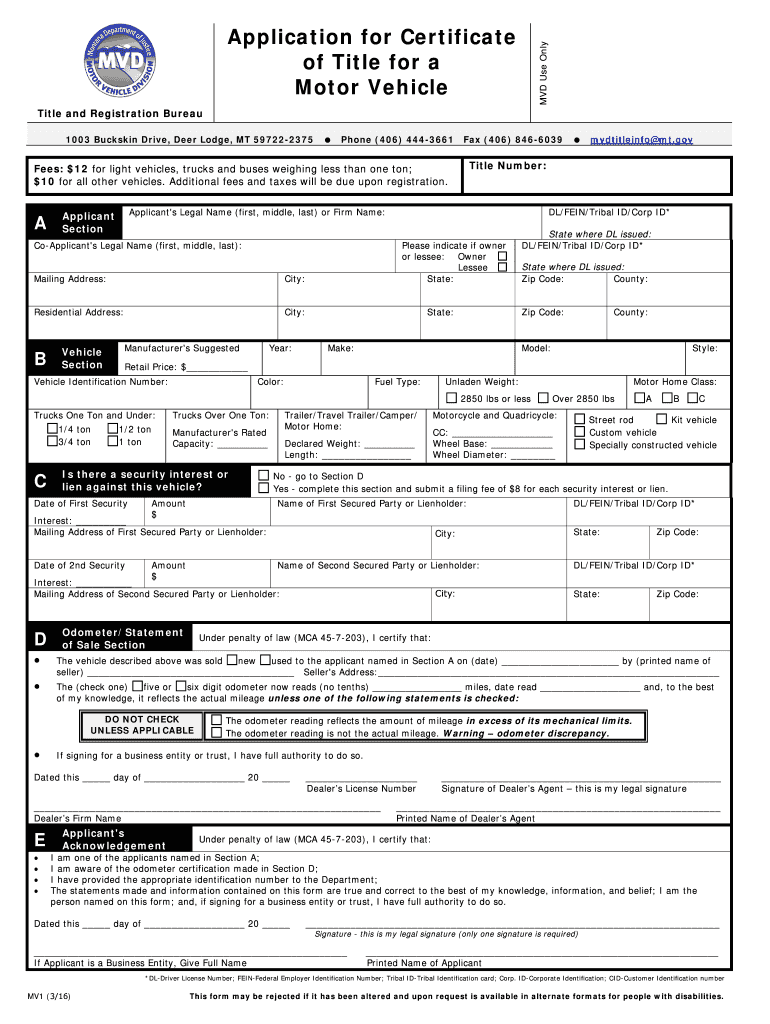
For vehicles previously registered out-of-state, a VIN inspection is often required. This ensures the vehicle’s identity matches its documentation and helps deter theft.
- Where to Get It: VIN inspections are typically performed by authorized law enforcement personnel (e.g., at the local Sheriff’s office or highway patrol station) or, in some cases, by licensed dealers. Some DMV locations may also offer this service. It’s advisable to call ahead to confirm location, hours, and any associated fees.
- What to Bring: You’ll need to bring the vehicle itself, your valid driver’s license, and all ownership documents (title, bill of sale). The inspector will verify the VIN on your vehicle matches the paperwork and note the odometer reading. This step is crucial for new residents, guaranteeing your vehicle is properly identified before it can hit the open roads leading to Big Sky Resort or Custer Gallatin National Forest.
Visiting Your Local County Treasurer’s Office
Unlike many states where the DMV handles all vehicle registrations, Montana delegates this responsibility to the County Treasurer’s Office in each county.
- Find Your Office: Locate the County Treasurer’s Office for the county where you reside. For instance, if you live in Bozeman, you’d visit the Gallatin County Treasurer’s Office.
- What to Bring (Again): Gather all your essential documents: original title/MSO, bill of sale, VIN inspection form, proof of insurance, and your Montana driver’s license/ID and proof of residency. Having everything organized in a folder will significantly speed up the process.
- The Process: A clerk will review your documents, calculate fees, and guide you through the necessary forms. Be prepared for potential wait times, especially during peak hours. Some offices may offer online appointment booking or forms to expedite the visit.
Understanding Fees and Taxes
Vehicle registration in Montana involves several fees and taxes, which can vary based on the vehicle’s age, weight, type, and the county of registration.
- Registration Fees: These are typically annual fees, with a fixed amount for certain vehicle types and a sliding scale based on age for others. For passenger vehicles, Montana implements a fee schedule that decreases as the vehicle ages.
- Vehicle Property Tax: Montana assesses an annual property tax on vehicles. This tax is paid at the time of registration and is based on a percentage of the vehicle’s market value, often using values determined by the Montana Department of Revenue.
- License Plate Fees: There’s an additional fee for standard license plates. Montana also offers a wide array of specialty plates, supporting various causes and organizations, which come with an additional annual fee.
- Administrative Fees: Expect small processing or administrative fees.
- Payment Methods: Most County Treasurer’s Office locations accept cash, checks, and often credit/debit cards (though a processing fee might apply for card payments). Ensure you confirm acceptable payment methods before your visit.
Receiving Your Montana License Plates and Registration
Once all documents are verified and fees are paid, you will receive your new Montana license plates, a registration decal (to be affixed to your plate), and your official registration receipt.
- License Plates: Affix your new plates to the front and rear of your vehicle (unless it’s a motorcycle or specific trailer type, which only require one).
- Registration Decal: This small sticker indicates the expiration date of your registration and must be prominently displayed on your license plate as instructed.
- Registration Receipt: Keep this document in your vehicle at all times, along with proof of insurance. It is your official proof of current registration.
- Title Processing: For out-of-state transfers, your new Montana title will typically be mailed to you (or your lienholder) within a few weeks. If you’re engaging in business stays or extended travel across the Western United States, this paperwork completion is essential.
Beyond Initial Registration: Renewals and Special Cases
Registering your vehicle is not a one-time event. Understanding renewals and special circumstances will ensure continuous compliance.
Annual Renewals: Staying Compliant
Vehicle registrations in Montana typically require annual renewal.
- Renewal Notices: The County Treasurer’s Office usually mails renewal notices a few weeks before your registration expires.
- How to Renew: Renewals can often be completed in person at the County Treasurer’s Office, by mail, or increasingly, online. Online renewal is a convenient option for many, allowing you to update your registration from anywhere, whether you’re relaxing in one of Montana’s exquisite hotels or planning your next adventure.
- Required for Renewal: You’ll generally need your previous registration receipt, proof of insurance, and payment for the applicable fees and taxes.
Special Vehicle Types: RVs, Commercial, and More
Montana’s diverse terrain and industries mean there are specific considerations for certain vehicle types.
- RVs and Travel Trailers: These vehicles are popular for exploring Montana’s National Forests and Wildlife Sanctuaries. Their registration process is similar to passenger vehicles but may involve different fee structures based on length or weight.
- Commercial Vehicles: Trucks and vehicles used for business purposes, especially those crossing state lines, have more complex registration requirements, often involving International Registration Plan (IRP) plates and specific weight-based fees. Businesses operating in Montana should consult the DMV or relevant state agencies for detailed guides.
- Motorcycles and Off-Highway Vehicles (OHVs): These also have their own registration categories and fees, especially OHVs used on designated trails which require specific permits from Montana Fish, Wildlife & Parks.
- Permanent Registration Option: Some older vehicles (typically those 11 years or older) may qualify for permanent registration, which involves a one-time fee instead of annual renewals. This can be a cost-effective option for long-term residents.
Tips for a Smooth Montana Registration Experience
Navigating administrative processes can sometimes be daunting, but with a few insider tips, your Montana vehicle registration can be a breeze.
Planning Ahead: Online Resources and Appointments
- Check Online First: Before visiting any office, check the official website of the Montana DMV (often part of the Department of Justice) and your specific County Treasurer’s Office. Many forms can be downloaded and completed in advance, and detailed instructions are usually available. Some counties even provide specific tips for new residents.
- Make an Appointment: If your County Treasurer’s Office offers appointments, take advantage of it. This can significantly reduce your wait time.
- Gather All Documents: We can’t stress this enough. Create a checklist and double-check that you have every required document (originals, where specified) before you leave your home or accommodation. Missing even one piece of paperwork can lead to frustrating delays.
- Timing is Key: Aim to visit during off-peak hours if possible (e.g., mid-morning or mid-afternoon, mid-week). Avoid Mondays, Fridays, and lunchtimes if you don’t have an appointment.

Connecting with Local Montana Communities
While the process itself is administrative, feeling connected to your new surroundings can make it more pleasant.
- Ask Locals: Don’t hesitate to ask neighbors or colleagues who have recently gone through the process for their experiences and tips. Communities in Montana are generally very welcoming.
- Explore While You Wait: If you find yourself with a bit of a wait, use the opportunity to explore the local culture of the town you’re in. Grab a coffee, visit a local shop, or enjoy the architecture near the County Treasurer’s Office. In towns like Bigfork or Philipsburg, even mundane errands can turn into pleasant travel moments.
- Stay Informed: Keep an eye on local news or county websites for any changes in regulations or office hours, especially around holidays.
Registering your vehicle in Montana is a straightforward process once you understand the requirements and gather the necessary documents. By following these guides and preparing in advance, you can ensure a smooth experience, freeing you up to fully immerse yourself in the natural beauty and vibrant lifestyle of this remarkable state. Soon, you’ll be driving confidently through picturesque valleys like Paradise Valley or heading to the slopes of Bridger Bowl and Lone Peak, ready for whatever Montana adventure awaits. From exploring Native American history to world-class skiing at Yellowstone Club or enjoying the vibrant food scene in the Gallatin Valley, your properly registered vehicle is your key to unlocking endless activities and experiences in the Northern Rockies.
LifeOutOfTheBox is a participant in the Amazon Services LLC Associates Program, an affiliate advertising program designed to provide a means for sites to earn advertising fees by advertising and linking to Amazon.com. Amazon, the Amazon logo, AmazonSupply, and the AmazonSupply logo are trademarks of Amazon.com, Inc. or its affiliates. As an Amazon Associate we earn affiliate commissions from qualifying purchases.