
The question “Is Yellowstone National Park in Montana?” is one often asked by aspiring travelers, hinting at a common misconception about the exact geographical footprint of America’s first national park. While Montana certainly plays a significant role in the Yellowstone experience, the full answer reveals a fascinating multi-state marvel that spans beyond a single border. Understanding its true location is the first step in planning an unforgettable journey to one of the world’s most iconic natural landmarks.
Unveiling Yellowstone’s Multi-State Grandeur
Yellowstone National Park is not confined to just one state; it proudly extends across three distinct states, making it a unique geographical entity. While the perception that it resides primarily in Montana is popular, the vast majority of its awe-inspiring wilderness, including many of its most famous features, actually lies within Wyoming. Idaho also claims a small, but notable, slice of this geological and ecological wonder.
The Geographical Footprint: Where Yellowstone Truly Lies
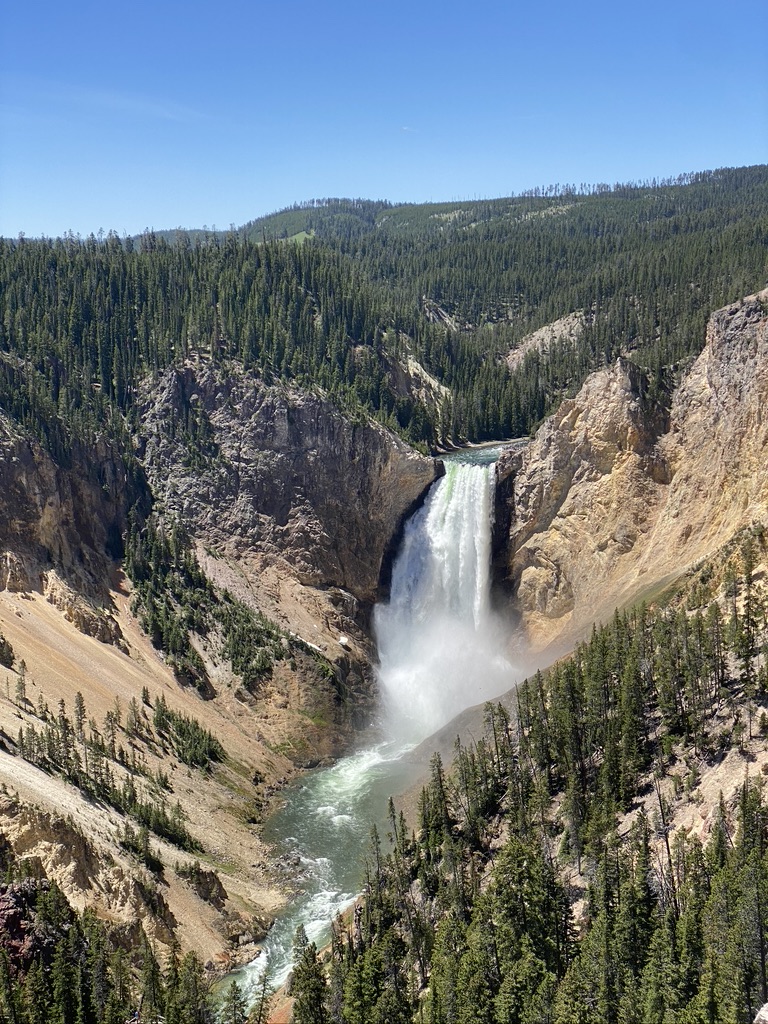
Approximately 96% of Yellowstone National Park is located within the borders of Wyoming. This includes legendary attractions like Old Faithful geyser, the vibrant Grand Prismatic Spring, the magnificent Grand Canyon of the Yellowstone with its thunderous Lower Falls, and the vast expanse of Yellowstone Lake. These areas, often central to any visitor’s itinerary, are firmly rooted in Wyoming.
Montana hosts about 3% of the park’s land, primarily along its northern and northwestern borders. Key features in the Montana section include parts of Mammoth Hot Springs, the scenic Gardiner entrance, and sections of the beloved Lamar Valley, renowned for its abundant wildlife viewing opportunities. The administrative headquarters of the park, Mammoth Hot Springs, is also situated in Montana, making it a significant gateway and historical hub.
The smallest portion, roughly 1%, is found in southeastern Idaho. While this section might not contain the blockbuster attractions, it encompasses critical wilderness areas and important ecological zones, contributing to the park’s overall biodiversity and pristine natural state. For visitors entering from Idaho, these areas offer a unique perspective and access to less-traveled routes.
Main Entrances and Gateway Communities
The multi-state nature of Yellowstone is also reflected in its five main entrances, each serving as a gateway from a different direction and often a different state.
- North Entrance (Gardiner, Montana): Open year-round, this entrance leads directly to Mammoth Hot Springs and offers access to the northern range, including Lamar Valley. The town of Gardiner is a vibrant community offering various accommodations and services.
- West Entrance (West Yellowstone, Montana): The busiest entrance, providing direct access to the park’s geyser basins, including Old Faithful. West Yellowstone is a bustling tourism hub with numerous hotels, restaurants, and shops.
- Northeast Entrance (Cooke City/Silver Gate, Montana): This scenic entrance provides access to the Lamar Valley and the stunning Beartooth Highway. The remote towns of Cooke City and Silver Gate offer a rugged charm.
- East Entrance (Cody, Wyoming): Accessed via the scenic Buffalo Bill Cody Scenic Byway, this entrance is a popular choice for those coming from the eastern Wyoming plains, with Cody serving as a significant western town with rich history.
- South Entrance (Jackson Hole, Wyoming): This entrance seamlessly connects Yellowstone with Grand Teton National Park and the popular resort town of Jackson, offering a combined national park experience.
Each gateway community offers a unique flavor and set of amenities, ranging from luxury resorts and cozy hotels to rustic cabins and budget-friendly apartments, catering to diverse lifestyle preferences for travel and accommodation.
The Allure of Yellowstone: A Tapestry of Natural Wonders
Regardless of which state you enter from, the true magnet for visitors is the unparalleled natural beauty and geological wonders that define Yellowstone. It’s a destination that consistently ranks high on every adventurer’s bucket list, offering a diverse array of attractions and experiences.
Geothermal Marvels: Earth’s Fiery Heartbeat
Yellowstone sits atop one of the world’s largest active supervolcanoes, the Yellowstone Caldera. This geological hotspot manifests in an astonishing array of geothermal features, unlike anywhere else on Earth.
- Geysers: The park is home to over half of the world’s geysers, with Old Faithful being the most famous. Its predictable eruptions awe crowds daily, but others like Grand Geyser and Castle Geyser also put on spectacular shows.
- Hot Springs: From the vibrant terraces of Mammoth Hot Springs to the kaleidoscopic beauty of Grand Prismatic Spring in Midway Geyser Basin, these steaming pools display an incredible palette of colors, created by thermophilic bacteria.
- Mud Pots and Fumaroles: Bubbling mud pots like those at Mud Volcano and hissing fumaroles release gases from deep within the Earth, offering a sensory experience of the planet’s raw power.
- Travertine Terraces: Mammoth Hot Springs is a prime example of limestone terraces formed by hot, mineral-rich water flowing over the landscape, creating intricate and ever-changing formations.
These geothermal wonders provide a unique glimpse into the dynamic processes shaping our planet, making Yellowstone an unparalleled natural laboratory and a mesmerizing attraction for all.
Wildlife Encounters: A Living Ecosystem
Beyond its geological wonders, Yellowstone is an ecological stronghold, home to the largest concentration of wildlife in the lower 48 states. Wildlife viewing is a primary activity for many visitors.
- Bison and Elk: Herds of bison roam freely, often causing “bison jams” on park roads, while elk are frequently seen grazing in meadows, particularly in Lamar and Hayden Valleys.
- Bears and Wolves: Yellowstone is one of the few places where both grizzly and black bears thrive. The reintroduction of wolves has been a significant conservation success, making the park one of the best places in the world to spot them, particularly in the northern range.
- Other Mammals: Moose, bighorn sheep, mountain goats, and a myriad of smaller mammals and birds complete the diverse ecosystem, offering endless opportunities for nature photography and observation.
Responsible wildlife viewing is emphasized by the National Park Service through various tips and guides to ensure both visitor and animal safety.
Majestic Landscapes and Water Features
The scenery in Yellowstone is as diverse as its wildlife, encompassing vast forests, alpine lakes, and dramatic canyons.
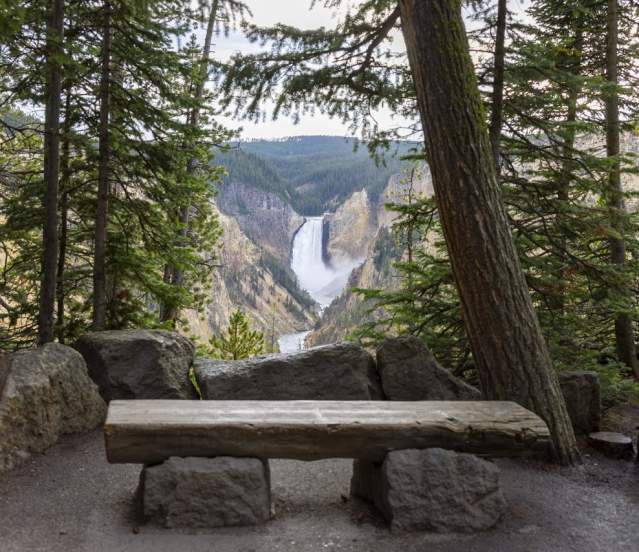
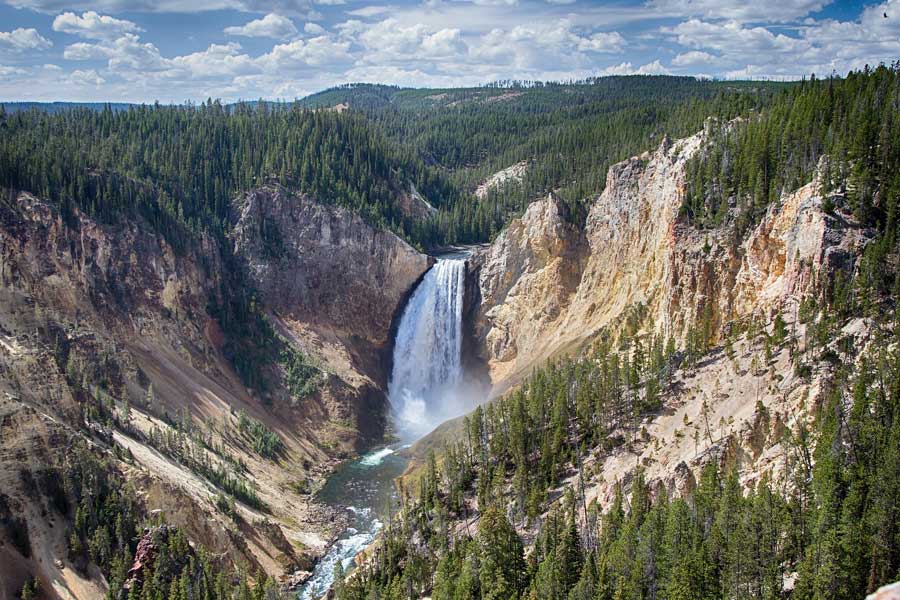
- Grand Canyon of the Yellowstone: Carved by the Yellowstone River, this canyon boasts vibrant yellow and orange walls and two magnificent waterfalls, the Upper Falls and the more famous Lower Falls, which plunges 308 feet. Several viewpoints offer breathtaking vistas.
- Yellowstone Lake: The largest high-altitude lake in North America, Yellowstone Lake is a stunning expanse of water, offering opportunities for boating, fishing, and serene contemplation.
- Rivers and Waterfalls: Beyond the grand canyon, numerous rivers like the Gibbon River and Firehole River wind through the park, punctuated by picturesque waterfalls like Gibbon Falls and Tower Fall, adding to the park’s majestic beauty.
Planning Your Unforgettable Yellowstone Adventure
A trip to Yellowstone requires thoughtful planning to maximize the experience. From choosing the right time to visit to securing accommodations, a well-prepared traveler can ensure a smooth and memorable journey.
Optimal Times to Visit and What to Expect Seasonally
Yellowstone offers distinct experiences throughout the year, each with its own charm and considerations.
- Summer (June-August): This is peak season, offering warm weather, full access to all roads and facilities, and the widest range of activities. Expect large crowds, especially around popular attractions. Booking accommodations and tours well in advance is crucial.
- Spring (April-May): A quieter time with fewer crowds, blooming wildflowers, and abundant newborn wildlife. Some roads and facilities may still be closed, and weather can be unpredictable. This is an excellent time for wildlife viewing without the summer rush.
- Fall (September-October): The park transforms with vibrant autumn colors, cooler temperatures, and the captivating sounds of the elk rut. Crowds thin out, but many facilities begin to close in mid-October. It’s a fantastic time for hiking and photography.
- Winter (November-March): The park transforms into a snow-covered wonderland. Most roads close to vehicular traffic, but oversnow travel (snowmobiles, snowcoaches) provides access to unique experiences like cross-country skiing, snowshoeing, and witnessing steam rising dramatically from geysers against a white backdrop. The North Entrance (to Cooke City) remains open for conventional vehicles.
Accommodation Choices: From Rustic Campsites to Luxurious Lodges
Yellowstone provides a spectrum of accommodation options to suit every budget and lifestyle.
- In-Park Lodges: Operated by Xanterra Parks & Resorts, there are nine distinct lodges within the park, ranging from the historic Old Faithful Inn and elegant Lake Yellowstone Hotel to more rustic cabins at Roosevelt Lodge. These offer unparalleled access to attractions and are typically booked up to a year in advance.
- Campgrounds: Twelve campgrounds across the park provide options for tent and RV camping. Five are reservable through the National Park Service (managed by Recreation.gov), while the rest are first-come, first-served. Camping is a popular budget travel choice, allowing for immersion in nature.
- Gateway Town Hotels: Towns like West Yellowstone and Gardiner in Montana, or Cody and Jackson in Wyoming, offer a wide selection of hotels, motels, suites, resorts, and vacation rentals. These typically provide more amenities and dining options. Booking platforms and comparison sites are invaluable resources for finding the best deals and reading reviews.
Navigating the Park and Essential Travel Tips
Getting around Yellowstone primarily involves driving the Grand Loop Road, a figure-eight shaped system connecting most major attractions.
- Vehicle Rental: A personal vehicle is almost essential for exploring the park at your own pace. Rental car services are available at major airports like Bozeman (Montana) or Jackson (Wyoming).
- Park Pass: Entry requires a park pass, which can be purchased at any entrance station or online. Consider an America the Beautiful Pass if you plan to visit multiple national parks.
- Safety First: Yellowstone is wild country. Stay on marked trails, maintain safe distances from wildlife (at least 25 yards from most animals, 100 yards from bears and wolves), and never approach geothermal features. Bear spray is highly recommended for hikers.
- Visitor Centers: Utilize the park’s numerous visitor centers for maps, current conditions, ranger programs, and educational exhibits.
- Connectivity: Cell service is notoriously spotty throughout the park, so download maps and important information offline beforehand.
Beyond the Park Borders: Exploring the Greater Yellowstone Ecosystem
The Yellowstone experience often extends beyond the park’s official boundaries into the vast Greater Yellowstone Ecosystem (GYE), a region of immense ecological significance spanning parts of Montana, Wyoming, and Idaho.
Montana’s Northern Gateways and Charms
Montana offers a wealth of attractions and entry points into the northern sections of the park.
- Bozeman, Montana: A vibrant university town and a popular base for Yellowstone visitors, located approximately 90 minutes north of the West Entrance. Bozeman boasts a thriving local culture, excellent restaurants, and a range of hotels and resorts. It’s also home to the Museum of the Rockies, a significant paleontological museum.
- Livingston, Montana: Situated along the Yellowstone River and known for its historic downtown and artistic community. It’s a great stop for fly fishing enthusiasts and those seeking a more laid-back Montana experience.
- The Beartooth Highway: Accessible from the Northeast Entrance, this incredibly scenic route (US-212) offers breathtaking alpine vistas, winding through the Beartooth Mountains and connecting to Red Lodge, Montana. It’s often called “America’s most beautiful drive.”
Wyoming’s Southern Treasures: Jackson Hole and Grand Teton
Wyoming’s contribution to the Yellowstone experience is immense, particularly with the proximity of Grand Teton National Park.
- Grand Teton National Park: Just south of Yellowstone, this park is renowned for its dramatic, jagged mountain peaks, pristine lakes, and abundant wildlife. Many visitors combine a trip to both parks, easily accessible via the South Entrance of Yellowstone.
- Jackson Hole, Wyoming: This valley, encompassing the town of Jackson, is a premier destination for outdoor activities and luxury travel. It offers world-class skiing in winter and endless hiking, rafting, and wildlife viewing opportunities in summer. From upscale resorts and gourmet food to quaint boutique hotels, Jackson provides a sophisticated base for exploration.
- Cody, Wyoming: Known as the “Rodeo Capital of the World,” Cody offers a slice of the Old West with nightly rodeos, the Buffalo Bill Center of the West, and access to the park via the scenic East Entrance.
Idaho’s Role in the Yellowstone Experience
While Idaho holds the smallest portion of the park, it serves as an important gateway and offers unique scenic routes for travelers.
- Island Park, Idaho: This community, bordering the park’s western side, is known for its vast forest, numerous lakes, and opportunities for snowmobiling in winter. It provides a quieter, more rustic base compared to West Yellowstone.
- Ashton, Idaho: A charming agricultural town that serves as another entry point for visitors approaching from the southwest. Its proximity to the Mesa Falls Scenic Byway offers stunning waterfall views.
Crafting Your Ideal Yellowstone Lifestyle Experience
Yellowstone National Park is a destination that can be tailored to a variety of lifestyles and travel preferences, whether you’re seeking a rugged adventure, a luxurious escape, a memorable family trip, or even a peaceful solo journey.
Budget-Friendly Exploration vs. Luxury Escapes
The park and its surrounding areas cater to a wide financial spectrum.
- Budget Travel: Camping within the park or staying in more affordable motels in gateway towns like West Yellowstone can significantly reduce costs. Packing your own food and utilizing the park’s free ranger programs are also excellent tips for budget-conscious travelers.
- Luxury Travel: For those seeking a more opulent experience, options include premium suites at in-park lodges like the Lake Yellowstone Hotel, upscale resorts in Jackson Hole, or even private villas in surrounding communities. Exclusive tours with private guides and fine dining experiences can elevate the trip to a truly indulgent affair.
Family Adventures and Solo Journeys
Yellowstone’s diverse attractions and activities make it perfect for all types of travelers.
- Family Trips: The park offers countless opportunities for family-friendly activities. Kids will love spotting wildlife, watching geysers erupt, and participating in Junior Ranger programs. Easy boardwalk trails make many geothermal areas accessible for all ages. Planning well for accommodation and food is key for a smooth family trip.
- Solo Journeys: For the individual adventurer, Yellowstone provides an unparalleled setting for introspection and connection with nature. Extensive hiking trails, photography opportunities, and quiet spots for contemplation cater perfectly to solo travelers seeking solitude and self-discovery.
- Business Stays & Extended Trips: While not a typical business destination, some lodges offer meeting facilities. For longer stays, apartments or villas in gateway towns can provide a comfortable base for deeper exploration, combining work with unparalleled natural beauty for those considering a digital nomad lifestyle or long-term stay.
In conclusion, while a portion of Yellowstone National Park does indeed lie within Montana, the full picture reveals a majestic destination that proudly spans three states. This multi-state grandeur only adds to its mystique and the richness of the experience it offers to millions of visitors each year. By understanding its diverse geography and planning accordingly, you can unlock the full potential of this incredible natural treasure, experiencing its geothermal wonders, abundant wildlife, and breathtaking landscapes from every angle.
LifeOutOfTheBox is a participant in the Amazon Services LLC Associates Program, an affiliate advertising program designed to provide a means for sites to earn advertising fees by advertising and linking to Amazon.com. Amazon, the Amazon logo, AmazonSupply, and the AmazonSupply logo are trademarks of Amazon.com, Inc. or its affiliates. As an Amazon Associate we earn affiliate commissions from qualifying purchases.