
Embarking on a journey to Montana, often referred to as “Big Sky Country,” promises an unparalleled experience of rugged beauty, vast wilderness, and vibrant culture. From the majestic peaks of the Rocky Mountains to the sprawling plains, this northwestern state of the United States offers an escape into nature’s grandeur. However, before you pack your bags and set off, there’s a fundamental aspect of travel planning that often gets overlooked but can significantly impact your trip: understanding the local time zone. For any traveler, whether you’re meticulously planning your itinerary, booking accommodations, or simply wanting to catch the perfect sunrise, knowing the time is paramount.
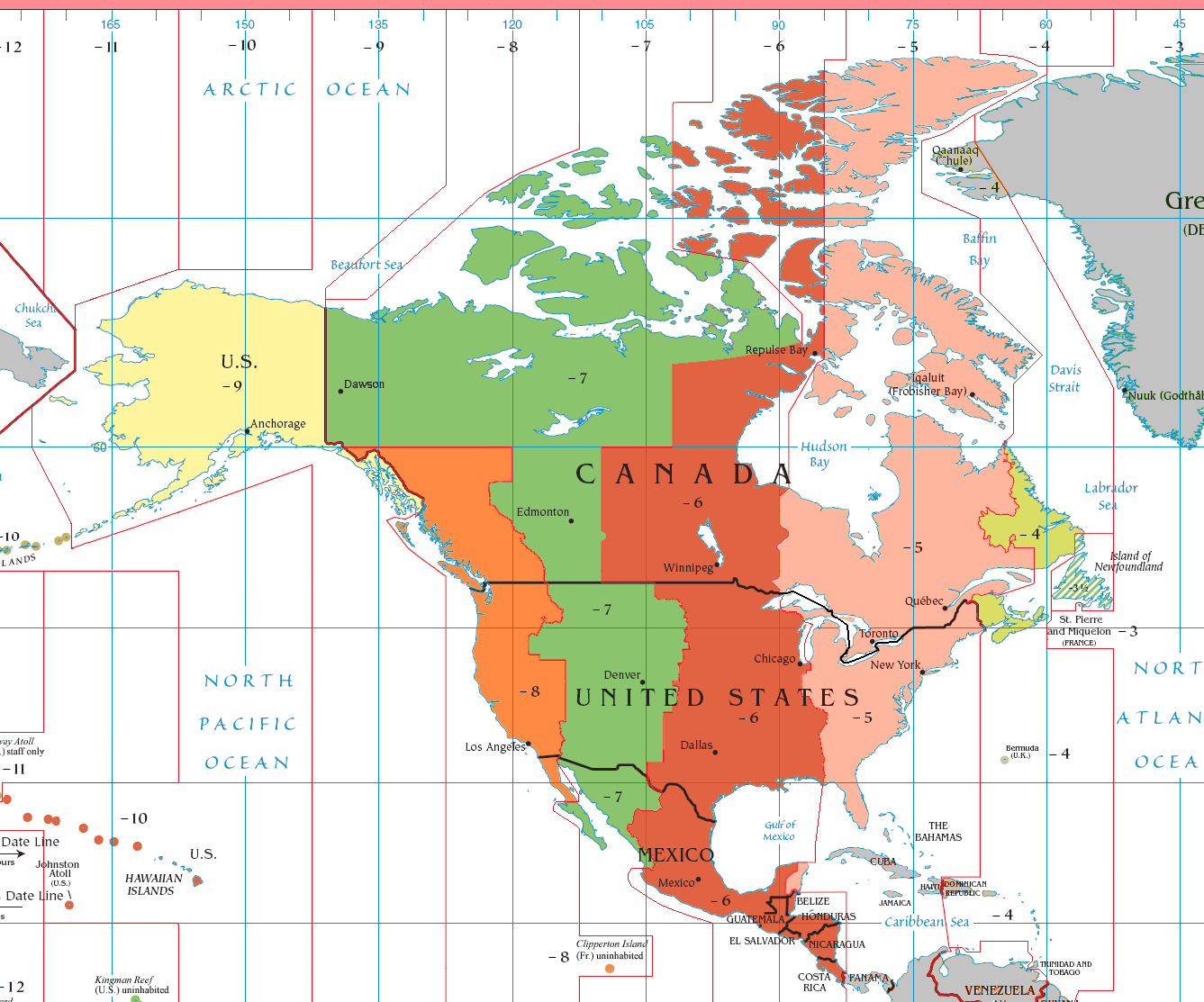
Montana operates exclusively within one primary time zone, ensuring a consistent experience across the entire state. This simplifies planning considerably compared to states that straddle multiple time zones. This comprehensive guide will delve into Montana’s time zone, its implications for travelers, and how to seamlessly integrate this knowledge into crafting an unforgettable adventure amidst its breathtaking landscapes. We’ll explore how time affects everything from catching your flight to Bozeman to timing your Yellowstone National Park wildlife viewing or scheduling a dinner reservation in Missoula. Understanding Montana’s time zone is not just a logistical detail; it’s a key to unlocking a stress-free and fully immersive travel experience in this remarkable destination.
The Heart of the Mountain Time Zone: What You Need to Know
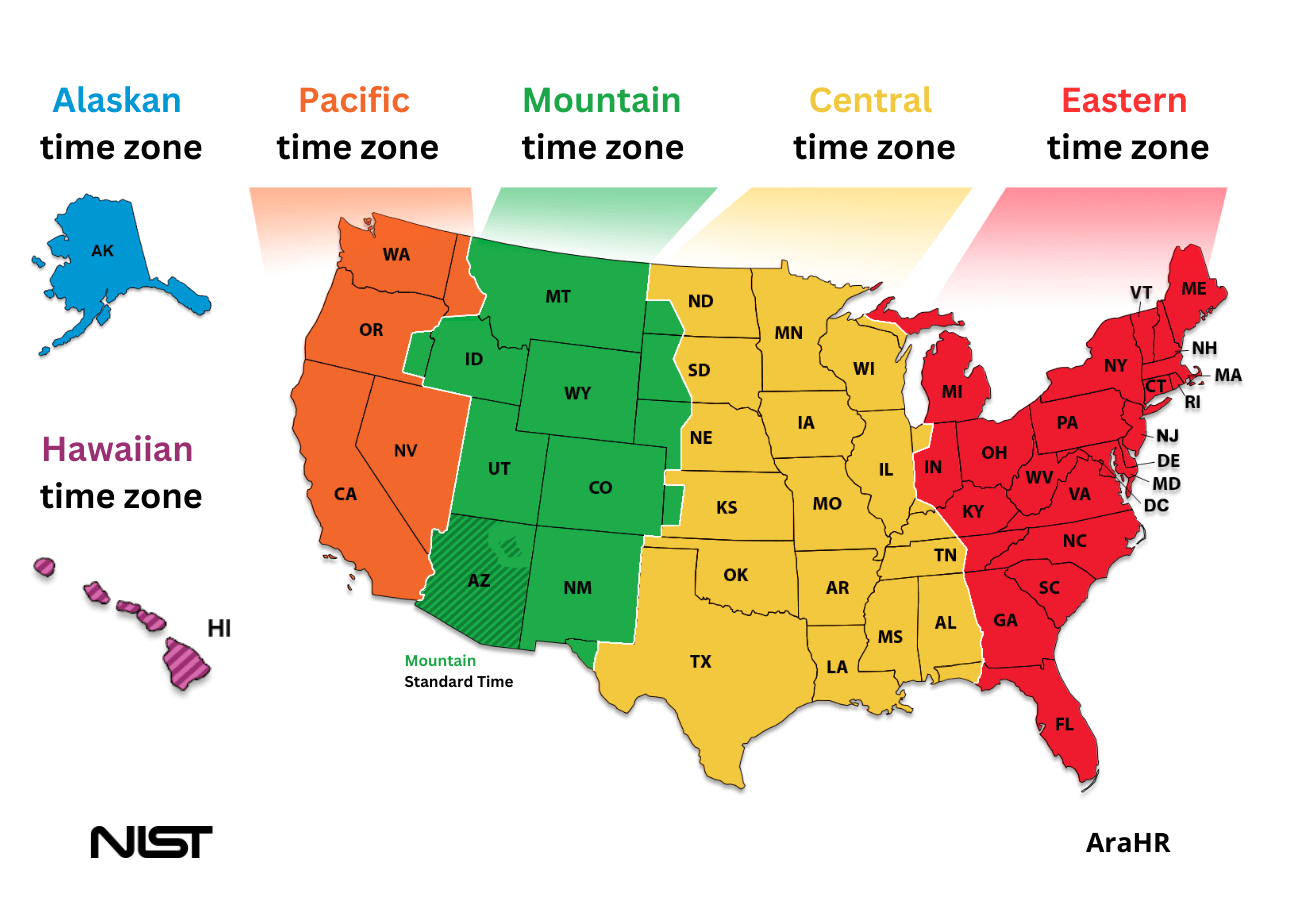
At its core, Montana firmly sits within the Mountain Time Zone (MT), a standard across many western North American states and parts of Canada. This consistent time zone simplifies travel logistics within the state, eliminating the confusion that can arise when crossing multiple time lines. For travelers heading to Montana, understanding MT is the first step in successful planning.
Mountain Standard Time vs. Mountain Daylight Time: A Quick Primer
The Mountain Time Zone observes two distinct phases throughout the year, dictated by the practice of Daylight Saving Time.
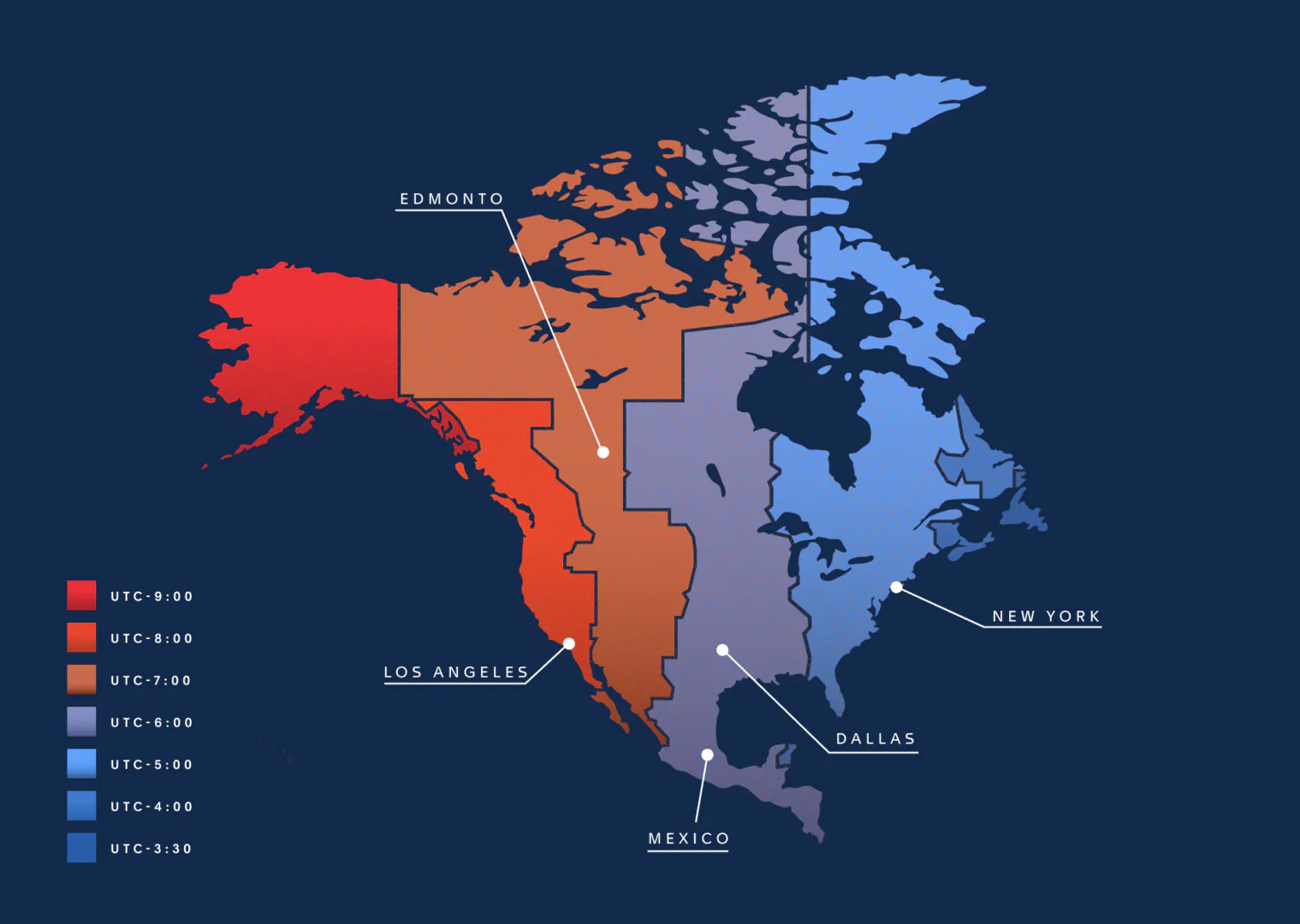
During the colder months, typically from early November to mid-March, Montana operates on Mountain Standard Time (MST). This means the local time is seven hours behind Coordinated Universal Time (UTC-7). If you’re planning a winter ski trip to resorts near Big Sky or exploring the festive atmosphere in Helena, you’ll be on MST.
As spring arrives, usually in mid-March, the clocks “spring forward” one hour, and Montana switches to Mountain Daylight Time (MDT). This adjustment sets the time to UTC-6, providing an extra hour of daylight in the evenings. MDT remains in effect through the summer and early fall, until early November when clocks “fall back” to MST. This period is prime time for hiking in Glacier National Park, fly-fishing in the Yellowstone River, or scenic drives along the Going-to-the-Sun Road. Travelers planning summer adventures will find the extended daylight hours incredibly beneficial for maximizing their outdoor activities and sightseeing. This annual shift is crucial to remember when scheduling flights, tours, and making reservations, especially if your trip spans the transition dates.
The Impact on Your Travel Plans: Why Time Matters
Understanding the Mountain Time Zone and its seasonal shifts is more than just a trivial detail; it’s a cornerstone of effective travel planning for Montana. For international visitors or those traveling from significantly different time zones, the transition can lead to jet lag, affecting your energy levels and initial enjoyment of the trip. Planning for this adjustment period, perhaps by scheduling a lighter itinerary on your arrival day, can make a significant difference.
Beyond personal comfort, time zones directly influence logistical aspects of your trip. Flight schedules, particularly connecting flights, are always listed in local time. Confirming the time zone of your departure and arrival airports is crucial to avoid missing a connection. Hotel check-in and check-out times, as well as pre-booked tour departures and restaurant reservations, are all strictly observed according to local Montana time. Imagine arriving an hour late for a coveted wildlife safari in Yellowstone National Park or missing the allocated time slot for a ranger-led hike in Glacier National Park simply because of a time zone miscalculation. Such oversights can lead to disappointment and wasted travel funds.
Furthermore, being aware of the time zone also affects your communication with those outside Montana. Coordinating with family or colleagues means adjusting for the time difference, whether you’re making a quick call or managing remote work. For those looking to fully embrace the local culture, understanding the rhythm of the day—when local businesses open, when dinner is typically served, or when evening events begin—is key to a truly immersive experience. From catching a live music performance in Bozeman to enjoying a quiet evening in a Glacier National Park lodge, being in sync with Montana’s clock ensures you don’t miss a beat.
Montana’s Allure: A Journey Through Its Diverse Landscapes and Experiences
Montana is a destination that captivates the soul, offering a tapestry of experiences woven into its magnificent landscapes. Its sheer size and natural diversity mean there’s something for every type of traveler, from the avid adventurer to those seeking serene contemplation. Understanding the local time zone doesn’t just help with logistics; it helps you strategically plan your days to make the most of the unique opportunities each region of Montana presents.
Iconic Destinations and Natural Wonders
At the forefront of Montana’s appeal are its world-renowned national parks. Glacier National Park, often called the “Crown of the Continent,” boasts pristine forests, alpine meadows, rugged mountains, and spectacular lakes. Here, the extended daylight of Mountain Daylight Time during summer allows for longer hikes on trails like the Highline Trail or leisurely cruises on Lake McDonald. Being punctual for ranger programs or shuttle services along the iconic Going-to-the-Sun Road is crucial, as these operate on strict schedules.
Part of Yellowstone National Park, the world’s first national park, also extends into Montana, particularly the northern range near Gardiner and West Yellowstone. This area is famed for its wildlife viewing opportunities, hot springs, and geysers like Old Faithful. Early morning and late evening, when the sun is lower and temperatures cooler, are often the best times for spotting bison, elk, and wolves. Adjusting to the local Mountain Time Zone ensures you’re up and ready for these prime viewing hours, maximizing your chances of incredible encounters. Beyond the parks, Montana offers a plethora of other natural landmarks, including the Gates of the Mountains Wilderness, the dramatic cliffs of the Missouri River breaks, and numerous state parks that offer hiking, fishing, and camping under the vast sky.
Cities and Towns: Hubs of Culture and Convenience
Montana’s vibrant cities and charming towns serve as excellent bases for exploring the surrounding wilderness, while also offering a taste of local culture, history, and hospitality. Each city has its own distinct character, and staying in sync with their local Mountain Time Zone is essential for enjoying their unique offerings.
Bozeman, a rapidly growing hub, is often seen as the gateway to Yellowstone National Park and a mecca for outdoor enthusiasts. It boasts a lively downtown, excellent dining, and a thriving arts scene. Booking popular restaurants or catching a performance at the Ellen Theatre requires adherence to local time. Missoula, nestled in the western part of the state, offers a more laid-back, bohemian vibe with a strong emphasis on outdoor recreation and a vibrant craft beer scene. Its proximity to the Bitterroot Mountains makes it ideal for hiking and fly-fishing.
Billings, Montana’s largest city, acts as an economic and cultural center for the eastern half of the state. It’s home to the Rimrocks, unique sandstone formations, and the historic Moss Mansion. Great Falls, situated on the Missouri River, is known for its namesake waterfalls and the Lewis and Clark National Historic Trail Interpretive Center. Finally, Helena, the state capital, blends historic charm with a growing outdoor recreation scene, featuring the impressive State Capitol Building and a rich gold rush history. In any of these cities, being mindful of the local time zone ensures smooth transitions between sightseeing, dining, and experiencing local events, allowing you to immerse fully in Montana’s diverse urban offerings.
Crafting Your Montana Experience: Accommodation and Lifestyle Considerations
Beyond the sheer beauty of its landscapes, Montana provides an array of accommodation options and caters to various travel lifestyles. From rustic charm to luxurious indulgence, the state offers diverse ways to experience its magic. Your awareness of the Mountain Time Zone plays a subtle yet critical role in ensuring your chosen lifestyle and accommodation fit seamlessly into your overall travel plan.
Where to Stay: From Rustic Retreats to Luxury Lodges
Montana’s lodging landscape is as varied as its topography. For those seeking an authentic Western experience, ranch resorts offer everything from horseback riding and cattle drives to gourmet dining and spa services. Many of these, particularly in areas like the Bitterroot Valley or near Livingston, operate on specific daily schedules for activities and meals, making time zone awareness paramount. Imagine missing your morning trail ride because you’re still on East Coast time!
In and around popular national parks, you’ll find a mix of quaint bed and breakfasts, charming cabins, and more traditional hotels. In towns like Whitefish, near Glacier National Park, or West Yellowstone, on the doorstep of Yellowstone National Park, accommodation can range from budget-friendly motels to upscale boutique hotels. Booking these often requires adherence to their specific check-in windows, which are, of course, in Mountain Time Zone. For luxury travelers, exclusive lodges and opulent resorts provide unparalleled comfort and amenities, often with personalized itineraries that are carefully timed to optimize your experience, be it a private fly-fishing excursion or a guided heli-skiing adventure.
For those planning extended stays or family trips, vacation rentals – from spacious homes to cozy apartments in cities like Bozeman or Missoula – offer flexibility and a home-away-from-home feel. Even with self-check-in options, understanding local time is crucial for coordinating arrival with property managers or ensuring you don’t disturb neighbors during quiet hours. Camping, a popular choice for budget travelers and nature lovers, still requires time considerations for setting up camp before dark, adhering to quiet hours, and planning daylight activities like hiking and wildlife photography. Regardless of your chosen accommodation type, a conscious effort to adjust to the local time allows for a smoother, more enjoyable, and respectful travel experience.
Beyond the Clock: Maximizing Your Montana Adventure
The “lifestyle” aspect of travel in Montana is deeply intertwined with its natural rhythm, heavily influenced by the seasonal changes and, by extension, the time zone. For adventure travelers, the long summer days under Mountain Daylight Time provide ample opportunity for activities like whitewater rafting on the Flathead River, mountain biking through national forests, or embarking on multi-day backpacking trips. Conversely, during Mountain Standard Time in winter, shorter daylight hours mean carefully planning ski runs, snowmobiling routes, or ice fishing excursions to ensure safety and enjoyment.
Family trips to Montana benefit from a mindful approach to time. Children’s sleep schedules can be particularly sensitive to time zone changes, so gradually adjusting them before travel can help everyone acclimate faster. Planning age-appropriate activities like junior ranger programs in national parks or visits to museums in Great Falls becomes easier when you’re in sync with local hours.
For those engaging in budget travel, maximizing daylight for free activities like hiking or picnicking rather than relying on paid indoor entertainment can significantly cut costs. Conversely, luxury travelers might appreciate that their exclusive experiences, from private guided tours to bespoke culinary journeys, are meticulously orchestrated to fit the local schedule, ensuring a seamless flow of indulgence. Whether your lifestyle leans towards rugged exploration or pampered relaxation, the consistent rhythm of the Mountain Time Zone in Montana provides a stable backdrop for whatever adventure you choose to pursue. Embracing this rhythm allows you to fully immerse yourself in the state’s natural beauty and authentic experiences, making every moment count in the vast expanse of Big Sky Country.
Practical Pointers for Seamless Travel in Big Sky Country
A successful trip to [Montana](https://lifeoutofthebox.com/montana] hinges on careful preparation, and understanding its time zone is a pivotal part of that. Beyond simply knowing the current time, integrating this knowledge into your travel strategy will ensure a smooth, enjoyable, and hassle-free experience in the Big Sky Country. These practical pointers are designed to help you navigate the nuances of time and make the most of your adventure.
Time Zone Transitions and How to Adjust
One of the most common challenges for travelers, especially those arriving from the East Coast or international destinations, is dealing with time zone transitions. Montana is typically two hours behind Central Time and three hours behind Eastern Time in the United States. For international visitors, the difference can be even more substantial. The primary symptom is jet lag, which can manifest as fatigue, disorientation, and difficulty sleeping.
To mitigate the effects of time zone changes:
- Gradual Adjustment: If possible, try to adjust your sleep schedule by an hour or two a few days before your trip. This pre-adjustment can significantly ease the shock to your body.
- Hydration: Stay well-hydrated, especially during flights, and limit alcohol and caffeine intake.
- Embrace Local Time: As soon as you arrive in Montana, switch your watch and devices to the local Mountain Time Zone (Mountain Standard Time or Mountain Daylight Time). Try to eat and sleep according to local hours, even if you don’t feel tired.
- Sunlight Exposure: Seek out natural light during the day to help reset your circadian rhythm. Conversely, avoid bright lights before bed.
- Plan a Mellow First Day: Don’t overschedule your arrival day. Allow yourself time to settle into your accommodation in Bozeman, Missoula, or near Glacier National Park, and perhaps take a leisurely stroll to acclimate to the environment. This gentle introduction will pay dividends for the rest of your trip.
Remember that the transition to Mountain Daylight Time in spring and back to Mountain Standard Time in fall is also a factor. If your trip dates coincide with these shifts, be extra vigilant in confirming all your reservations and schedules. Your smartphone and most electronic devices will automatically update, but a quick manual check is always a good practice.
Planning Your Itinerary: Making Every Hour Count
With a solid understanding of Montana’s time zone, you can strategically plan your itinerary to maximize every precious hour of your vacation.
- Booking Travel and Accommodation: Always double-check that flight times, hotel check-in/check-out times, and car rental pick-up/drop-off times are confirmed in the local Mountain Time Zone. Some booking platforms may display times in your home time zone, so verify carefully to avoid confusion.
- Outdoor Activities: If you’re planning early morning wildlife viewing in Yellowstone National Park or a sunrise hike in Glacier National Park, factor in the Mountain Time Zone when setting your alarms. During summer, the extended daylight of Mountain Daylight Time offers more hours for exploration, allowing for longer scenic drives like the Going-to-the-Sun Road or extended fishing excursions on the Madison River. Conversely, in winter, shorter days mean you’ll need to start activities earlier and plan for earlier sunsets.
- Dining and Entertainment: Popular restaurants, especially in tourist hubs like Bozeman or Whitefish, can fill up quickly. Make reservations in advance, confirming the local time for your booking. Similarly, for evening entertainment, live music, or local events, ensure you know the start times in Mountain Time Zone to avoid disappointment.
- Communication: If you need to communicate with people outside of Montana, be mindful of the time difference. Use online time zone converters or world clock apps to schedule calls and virtual meetings at convenient times for all parties involved.
By being proactive about the Mountain Time Zone, you transform a potential logistical hurdle into a strategic advantage, ensuring that your Montana adventure unfolds seamlessly, allowing you to fully savor every moment of its unparalleled beauty and diverse offerings.
LifeOutOfTheBox is a participant in the Amazon Services LLC Associates Program, an affiliate advertising program designed to provide a means for sites to earn advertising fees by advertising and linking to Amazon.com. Amazon, the Amazon logo, AmazonSupply, and the AmazonSupply logo are trademarks of Amazon.com, Inc. or its affiliates. As an Amazon Associate we earn affiliate commissions from qualifying purchases.