
Understanding the temperature and climate of a destination is paramount for any well-planned travel experience, and Omaha, Nebraska, is no exception. This vibrant city, known for its rich history, burgeoning culinary scene, and welcoming Midwestern charm, offers a diverse climate that dramatically shifts through the seasons. For travelers planning a visit, knowing what to expect regarding the mercury levels can profoundly influence everything from packing choices and activity planning to accommodation selection and overall budget. Whether you’re a family seeking summer fun, a business traveler attending a winter conference, or an explorer eager to delve into local culture, grasping Omaha’s seasonal temperature variations is your first step towards an unforgettable trip.

The city experiences a true four-season climate, characterized by hot, humid summers, cold, snowy winters, and relatively mild springs and autumns. This climatic variability means that each season presents a unique set of opportunities and challenges for visitors. From the lively outdoor festivals of summer to the cozy indoor attractions of winter, Omaha’s temperature dictates the rhythm of life and the availability of various tourism and lifestyle experiences. This comprehensive guide will delve into the seasonal temperatures of Omaha, offering insights into what to expect and how to best prepare for your journey, ensuring your focus remains on enjoying your destination rather than battling the elements.
A Seasonal Guide to Omaha’s Climate
Omaha’s distinct seasons are a fundamental aspect of its identity and greatly influence the travel experience. Each period of the year brings its own charm, requiring different considerations for accommodation, activities, and even how you approach local culture and cuisine. Let’s explore the typical temperatures and what they mean for your visit.
Embracing the Warmth: Summer in Omaha (June-August)
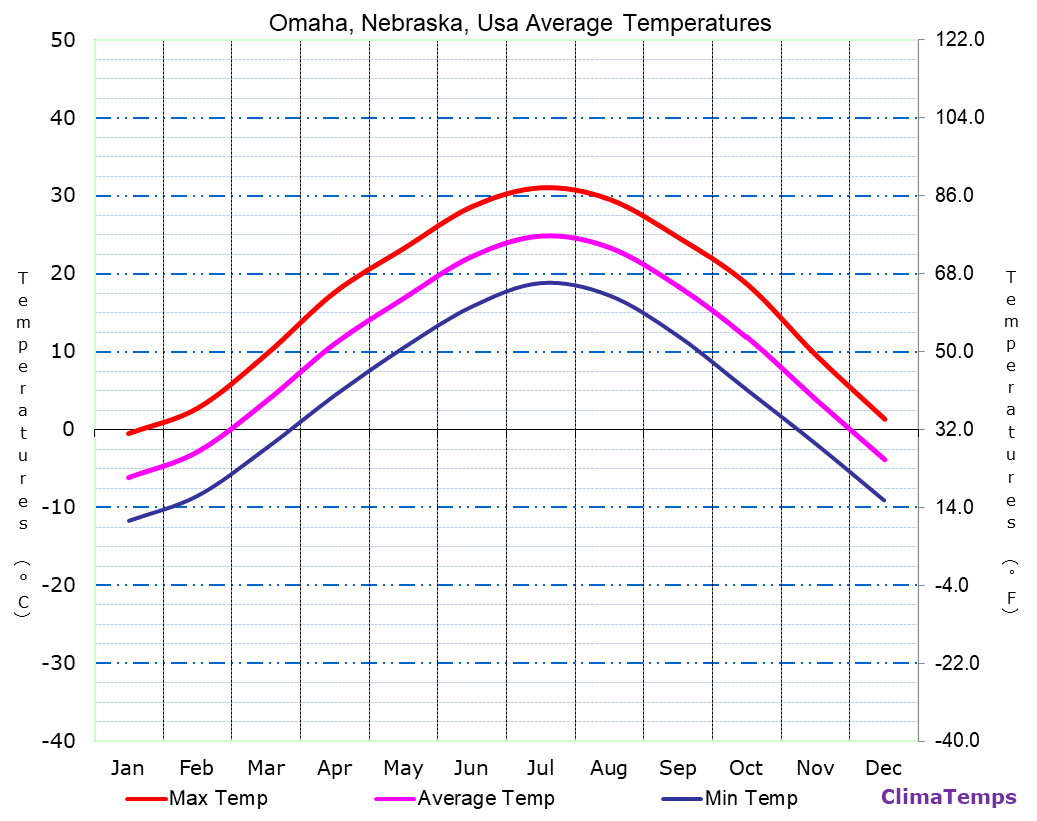
Summer in Omaha is a season of vibrant energy, sunshine, and warmth, drawing visitors who enjoy outdoor activities and a bustling atmosphere. Average daytime temperatures typically range from the high 70s to the low 90s Fahrenheit (25-35°C), with evenings cooling down slightly, often into the 60s F (15-20°C). Humidity can be a significant factor, especially in July and August, making the “feels like” temperature higher than the actual reading. Heatwaves pushing temperatures into the triple digits (over 38°C) are not uncommon but usually short-lived.
This is prime time for family trips and travelers looking to explore Omaha’s renowned attractions. The Henry Doorly Zoo and Aquarium, consistently ranked among the world’s best, is a must-visit, offering expansive outdoor exhibits that are best enjoyed on a sunny day. Lauritzen Gardens, a botanical oasis, also flourishes in the summer, providing beautiful landscapes for leisurely strolls. The historic Old Market district truly comes alive, with numerous patios for outdoor dining, street performers, and boutique shops to explore. For those seeking active experiences, walking or biking across the iconic Bob Kerrey Pedestrian Bridge offers unique views of the city skyline and the Missouri River.
Accommodation during the summer months should prioritize air conditioning, and hotels with outdoor or indoor pools are highly sought after. Resorts catering to families, such as the Embassy Suites by Hilton Omaha Downtown Old Market, often see increased bookings. It’s advisable to book well in advance, especially if your visit coincides with major events at venues like CHI Health Center Omaha or TD Ameritrade Park Omaha. The lifestyle during summer leans towards energetic exploration and enjoying the city’s vibrant outdoor scene, from concerts in the park to farmers’ markets showcasing local produce. Budget travelers might find some deals, but generally, this is peak season, so expect higher prices for flights and popular hotels.
The Golden Hues: Autumn in Omaha (September-November)
Autumn in Omaha is arguably one of the most picturesque times to visit, offering a delightful reprieve from the summer heat and a gradual transition into cooler weather. September still often feels like an extension of summer, with daytime temperatures in the 70s F (20-25°C), but by October, the crisp air of fall sets in, with averages typically ranging from the 50s to 60s F (10-20°C). November brings colder days, often in the 40s F (4-10°C), signaling the approach of winter. The humidity drops, and the landscape transforms into a breathtaking display of red, orange, and gold foliage, particularly in late October.
This season is perfect for travelers who appreciate comfortable walking weather and stunning natural beauty. Exploring parks like Gene Leahy Mall or taking scenic drives outside the city to places like Fontenelle Forest becomes a truly immersive experience. Fall festivals, pumpkin patches, and apple orchards are popular tourism activities, allowing visitors to connect with Omaha’s local culture and agricultural heritage. It’s also an excellent time for delving into history at places like The Durham Museum or enjoying the vibrant arts scene at venues like The Orpheum Theater or the Omaha Community Playhouse.
Accommodation choices remain plentiful, and prices might begin to soften slightly after the summer rush, offering good value for various travel styles. Boutique hotels in the Old Market or modern options in The Capitol District provide cozy bases for exploration. Business travelers often find autumn ideal for conferences, benefiting from the pleasant weather and slightly reduced crowds compared to summer. Lifestyle choices lean towards cultural immersion, culinary exploration—with seasonal menus highlighting local ingredients—and enjoying the city’s parks and trails before winter arrives.
Winter Wonderland: Omaha’s Colder Months (December-February)
Winter in Omaha is a season of transformation, bringing cold temperatures, potential for significant snowfall, and a cozy, often serene atmosphere. Daytime temperatures typically hover between the 20s and 30s F (-6 to 0°C), with nighttime lows frequently dropping into the single digits or even below 0°F (-18°C). January is usually the coldest month. While heavy snowfalls can occur, creating a picturesque winter wonderland, the city is well-equipped to handle the elements, ensuring roads and walkways are cleared.
For tourism, winter shifts the focus to indoor attractions and festive events. The Henry Doorly Zoo and Aquarium remains a fantastic option, with many indoor exhibits like the Desert Dome and Lied Jungle providing a tropical escape from the cold. Museums such as The Durham Museum and Joslyn Art Museum offer rich cultural experiences. Holiday light displays, ice skating rinks, and cozy cafes become central to the local lifestyle. This is also a fantastic time for foodies to indulge in Omaha’s renowned steak houses and comfort food offerings.
Accommodation during winter can be more budget-friendly, especially outside the holiday season, making it an attractive option for budget travel. Hotels like Hilton Omaha or Hyatt Place Omaha Downtown Old Market with skywalk access to convention centers or indoor amenities like heated pools and fitness centers are highly desirable. Long-term stays can also be more economical. For business stays, the winter months see fewer tourists, potentially allowing for a more focused trip. Dress warmly in layers, including a heavy coat, hat, gloves, and waterproof boots, to fully enjoy any outdoor exploration, such as walking through a snow-covered Gene Leahy Mall.
Blooming Anew: Spring in Omaha (March-May)
Spring in Omaha is a season of renewal, marked by fluctuating temperatures and the gradual return of warmer weather and blossoming landscapes. March can still feel quite wintry, with averages in the 30s and 40s F (0-10°C), often bringing late-season snow or freezing rain. By April, temperatures typically climb into the 50s and 60s F (10-18°C), and May sees a delightful jump to the 60s and 70s F (18-25°C). Spring weather can be unpredictable, with rapid shifts from warm sunny days to cool, rainy, or even snowy conditions, especially in the early part of the season.
This variability makes spring an exciting time for travel, particularly for those who enjoy witnessing nature’s reawakening. Lauritzen Gardens bursts into color with tulips and other early blooms, while parks like Papaschnell Park and Fontenelle Forest become ideal for hiking and birdwatching. Farmers’ markets begin to open, offering fresh produce and local crafts, signifying the return of outdoor communal activities. As the weather warms, outdoor dining in the Old Market and exploring the vibrant Aksarben Village become popular pastimes again. It’s also an excellent season to visit historical landmarks like Boys Town or explore the legacy of the Lewis & Clark National Historic Trail as the natural surroundings become more inviting.
Accommodation during spring should consider the potential for cooler evenings or sudden showers, so amenities like comfortable indoor spaces are still a plus. Booking ahead is wise, especially for graduation weekends or spring break periods, which can impact hotel availability and prices. Spring offers a good balance for different travel styles, from romantic getaways enjoying the burgeoning beauty to family trips beginning to explore outdoor attractions. Lifestyle in spring is about shedding winter’s layers and embracing the renewed energy of the city, from outdoor sports to enjoying the first al fresco meals of the year.
Practical Tips for Planning Your Omaha Visit
Armed with knowledge about Omaha’s seasonal temperatures, you can now fine-tune your travel plans for a seamless experience.
- Packing Essentials: Always check the forecast a few days before your trip. For summer, light clothing, sunscreen, and a hat are crucial, but a light jacket for cooler evenings is also advisable. Autumn calls for layers, with sweaters, jeans, and a medium-weight jacket. Winter necessitates heavy coats, hats, gloves, scarves, and waterproof boots. Spring demands adaptability, with layers, an umbrella, and waterproof outerwear being key.
- Best Time to Visit: If you love warm weather and bustling outdoor activities, summer is your pick. For pleasant temperatures, vibrant foliage, and fewer crowds, aim for autumn. Budget travelers and those interested in indoor cultural experiences might prefer winter, while spring offers the joy of reawakening nature despite potentially unpredictable weather.
- Understanding Local Forecasts: Omaha’s weather can change quickly. Rely on reputable local weather sources for the most up-to-date information. Be prepared for occasional severe weather warnings, especially during spring and summer (e.g., thunderstorms, tornadoes), and know what to do in such events.
- Accommodation Booking: Given the seasonal fluctuations, consider amenities like air conditioning in summer, heating in winter, and perhaps indoor pools or covered access to major venues like the CHI Health Center Omaha or Mid-America Center for business travelers. Booking ahead is always a good practice, especially during peak seasons or for specific events.
- Transportation: While Omaha has public transport, renting a car offers the most flexibility, particularly for exploring areas beyond downtown or during colder months. Ensure your rental car is suitable for the expected conditions (e.g., all-wheel drive for winter snow).

Experiencing Omaha Beyond the Thermometer
While temperature is a critical factor in planning, it’s merely one dimension of Omaha’s allure. The city’s spirit transcends the thermometer, offering a wealth of experiences rooted in its friendly people, rich history, and dynamic growth. Whether you’re marveling at the innovative design of the Mutual of Omaha Tower, exploring the converted industrial spaces of The Mastercraft Building, or simply enjoying a meal in the historic Old Market, each season presents a unique backdrop to these engagements.
Ultimately, your experience in Omaha will be shaped by your preparedness and willingness to embrace its distinctive climate. A well-planned trip, informed by an understanding of seasonal temperatures, ensures that you can fully immerse yourself in the destination, enjoying its attractions, accommodations, and local lifestyle to the fullest. From the lively warmth of summer to the cozy charm of winter, Omaha invites travelers to discover its unique character, no matter what the temperature gauge reads.
LifeOutOfTheBox is a participant in the Amazon Services LLC Associates Program, an affiliate advertising program designed to provide a means for sites to earn advertising fees by advertising and linking to Amazon.com. Amazon, the Amazon logo, AmazonSupply, and the AmazonSupply logo are trademarks of Amazon.com, Inc. or its affiliates. As an Amazon Associate we earn affiliate commissions from qualifying purchases.