
Navigating the intricacies of travel often involves more than just booking flights and hotels; understanding local nuances, such as time zones, plays a crucial role in ensuring a seamless and enjoyable experience. For those planning a captivating journey to the Land of Enchantment, New Mexico, a fundamental piece of information is its time zone. This vibrant state, known for its rich history, diverse landscapes, and unique cultural tapestry, observes Mountain Time (MT) throughout the entire year. Whether you’re an avid explorer, a history enthusiast, or someone simply seeking a tranquil escape, being aware of New Mexico’s time zone will help you synchronize your itinerary, optimize your bookings, and fully immerse yourself in all the wonders this southwestern gem has to offer.
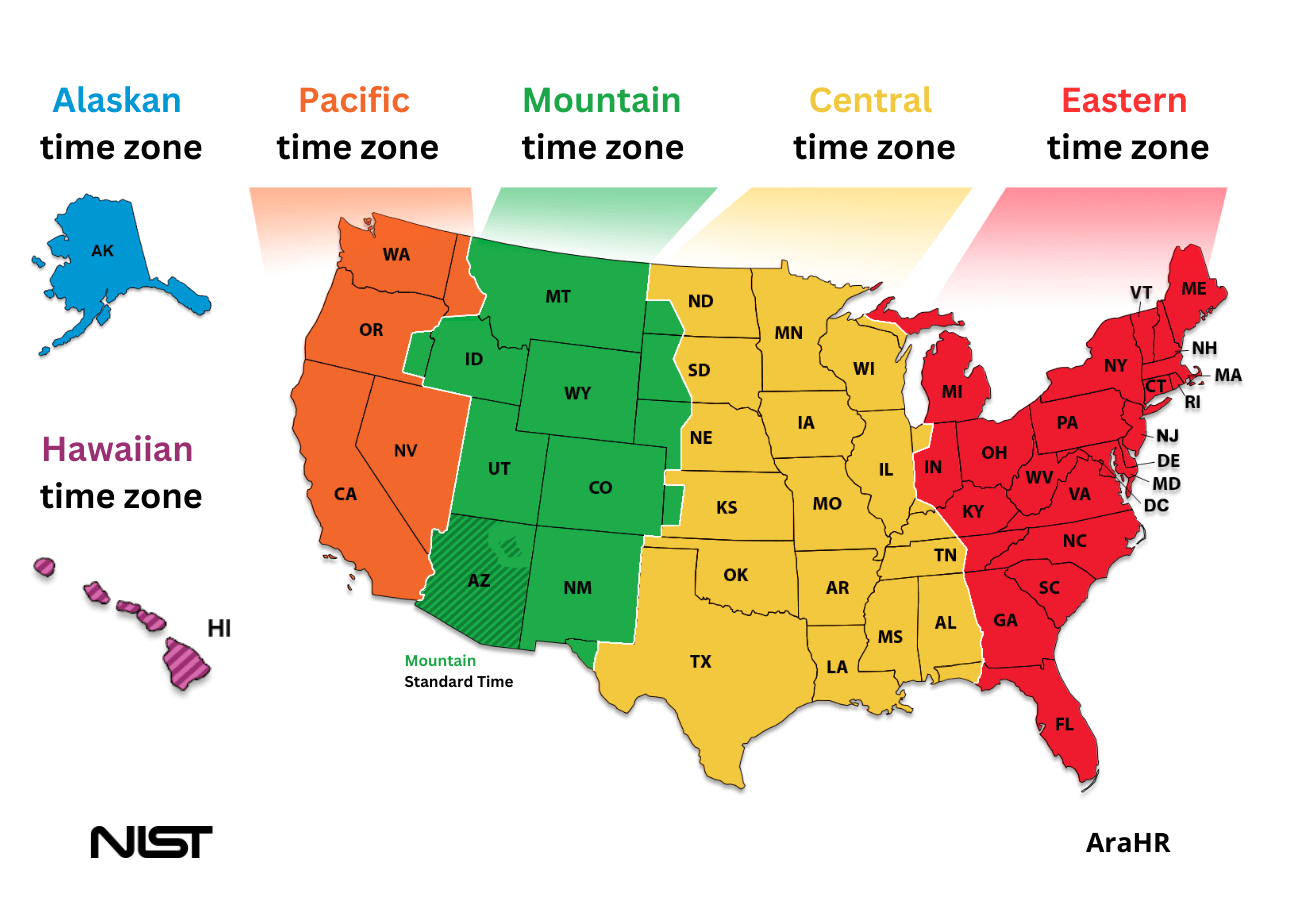
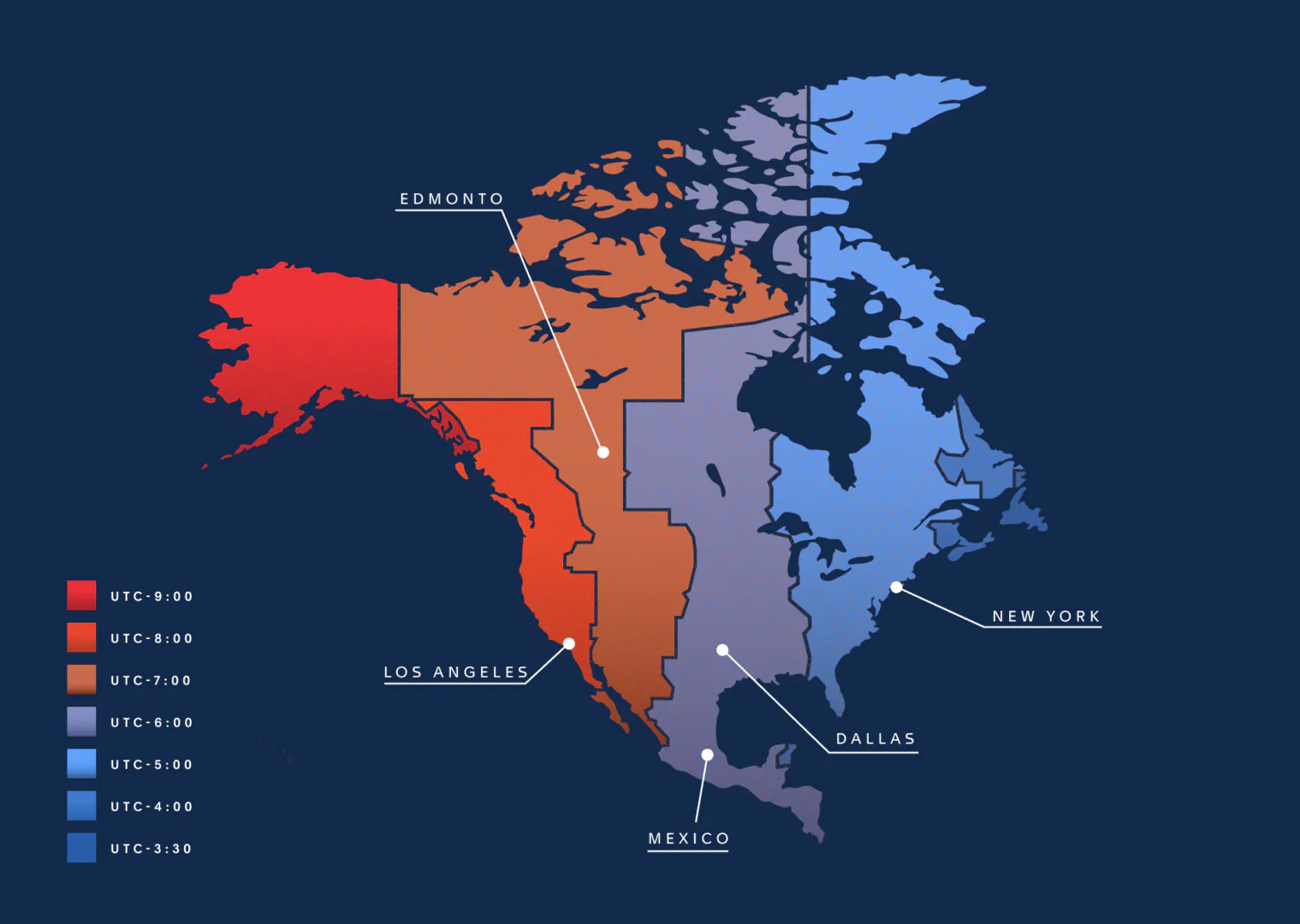
Mountain Time is one of the six standard time zones used in the United States and Canada, and one of nine in the Americas. Specifically, during the cooler months, from early November to mid-March, New Mexico adheres to Mountain Standard Time (MST), which is seven hours behind Coordinated Universal Time (UTC-7). As spring ushers in longer days, the state switches to Mountain Daylight Time (MDT) from mid-March to early November, advancing clocks by one hour to UTC-6. This biannual adjustment for Daylight Saving Time is a standard practice across much of the United States, excluding a few notable exceptions like most of Arizona and Hawaii.
Understanding this time distinction is paramount for travelers. It impacts everything from catching your flight on time at Albuquerque International Sunport to making dinner reservations in Santa Fe, or ensuring you arrive promptly for a guided tour of the ancient cliff dwellings. This comprehensive guide delves into the specifics of New Mexico’s time zone, its implications for travel planning, and offers practical tips to help you make the most of your visit to this captivating corner of the Southwest.
Understanding Mountain Time in New Mexico
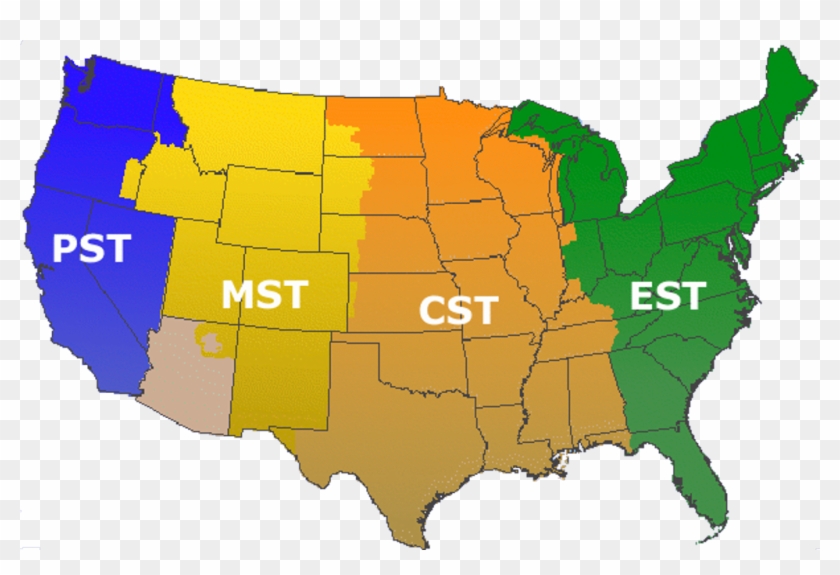
New Mexico’s adherence to Mountain Time places it alongside several other western United States states, including Colorado, Utah, Wyoming, Montana, and parts of Idaho, Nevada, and Arizona (excluding the Navajo Nation, which observes Daylight Saving Time). For those traveling from the East Coast (Eastern Time) or Central United States (Central Time), this means setting your watch back by two or one hour respectively. Conversely, visitors from the West Coast (Pacific Time) will need to advance their clocks by one hour. This shift, while seemingly minor, can have significant ramifications for travel logistics and personal comfort.
The Impact of Daylight Saving Time
The transition between Mountain Standard Time and Mountain Daylight Time is a critical factor for travelers to consider. In the spring, clocks “spring forward” an hour, meaning you lose an hour of sleep on the night of the change but gain an hour of daylight in the evening. In the fall, clocks “fall back,” providing an extra hour of sleep but earlier sunsets. For tourists, this impacts planning for outdoor activities, attraction closing times, and even adjusting to meal schedules. If your trip spans these transition dates, typically the second Sunday in March and the first Sunday in November, double-check all pre-booked arrangements to confirm they reflect the correct local time. Many modern devices automatically update, but it’s always wise to manually confirm, especially for critical appointments.
For example, an early morning hot air balloon ride in Albuquerque could mean a departure time that feels significantly earlier or later depending on whether Daylight Saving Time is in effect and your origin time zone. Likewise, sunset photography sessions at White Sands National Park or star-gazing tours will be scheduled according to local Mountain Daylight Time during the summer months, offering extended golden hours.
Navigating Time Zone Changes for Travelers
Effective planning is the cornerstone of any successful trip, and understanding time zones is integral to that process. From booking flights and accommodations to scheduling tours and dining experiences, every aspect of your New Mexico adventure is intertwined with the local time.
Accommodation and Booking Considerations
When booking accommodation in New Mexico, be mindful of check-in and check-out times. A hotel that lists a 3:00 PM check-in will adhere to Mountain Time. If you are arriving from an Eastern Time zone, 3:00 PM MT will feel like 5:00 PM to you, potentially shortening your first day or impacting plans. Similarly, early morning departures might feel even earlier if you’re still adjusting. Many hotels, resorts, and apartments offer amenities like 24-hour reception, but being punctual for specific appointments like spa treatments or shuttle services is crucial. When comparing different booking platforms, always ensure the times displayed are local to New Mexico to avoid any confusion. For longer stays or special requests, confirming arrival times directly with the property can save a lot of hassle.
Travel Logistics: Flights, Road Trips, and Tours
For air travel, flight schedules are always listed in the local time of departure and arrival. Therefore, a flight departing Chicago (Central Time) at 8:00 AM and arriving in Albuquerque (Mountain Time) at 9:30 AM will represent a 2.5-hour duration, despite the apparent one-hour time difference when you adjust your watch. This is where many travelers encounter initial confusion. When planning road trips, especially if crossing state lines from areas like Texas (Central Time) or Arizona (which largely doesn’t observe Daylight Saving Time), consistently checking your device’s automatic time zone update is essential. Missing a pre-booked tour, a museum’s closing hour, or a train departure by an hour can significantly disrupt your carefully crafted travel itinerary. Always set calendar reminders with time zone awareness for all your scheduled activities, especially those involving guided tours or specific entry times to landmarks like Carlsbad Caverns National Park.
Mitigating Time Zone Adjustment (Internal Jet Lag)
Even within the continental United States, crossing a few time zones can lead to a mild form of jet lag. If you’re coming from the East Coast, your body might still feel like it’s two hours ahead. To minimize this, try to adjust your sleep schedule gradually a few days before your trip. Once in New Mexico, embrace the local rhythm: expose yourself to natural light in the mornings, stay hydrated, and try to eat meals at local times. Many New Mexico attractions and activities, like hiking in the Organ Mountains-Desert Peaks National Monument or exploring the historic Plaza in Santa Fe, encourage early starts to beat the heat or crowds, making a quick adjustment to the local time zone even more beneficial.
Top Destinations and Their Time Considerations
New Mexico boasts a plethora of diverse destinations, each offering unique experiences. While all operate on Mountain Time, understanding the local nuances of each city or natural landmark can further enhance your trip.
Santa Fe: Historic Charm and Cultural Experiences
The capital city, Santa Fe, is a hub for arts, culture, and history. Famous for its Pueblo Revival architecture and vibrant art scene, planning your visit requires careful consideration of museum hours, gallery openings, and performance schedules. Museums like the Georgia O’Keeffe Museum and the New Mexico Museum of Art typically open between 9:00 AM and 10:00 AM MT and close by 5:00 PM MT. Many restaurants in Santa Fe offer early bird specials or specific reservation times for popular dining experiences. Being an hour or two off can mean missing out on a prime table at a coveted spot or arriving after the last entry for a historical site like the Palace of the Governors.
Albuquerque: Urban Exploration and Adventure
New Mexico’s largest city, Albuquerque, offers a blend of urban attractions and outdoor adventures. The famous Albuquerque International Balloon Fiesta is an early morning event, with “dawn patrol” balloons lifting off before sunrise. If you’re visiting in October, adjusting to these very early starts (sometimes 4:00 AM or 5:00 AM MT) is crucial to witness the spectacle. For other attractions, such as the Sandia Peak Tramway or the Indian Pueblo Cultural Center, adhering to their operating hours, which are naturally in Mountain Time, is key. Evenings might involve exploring the Old Town district or enjoying the vibrant nightlife, where knowing the local time helps ensure you don’t miss any events or closing times.
Taos: Artistic Spirit and Outdoor Pursuits
Further north, Taos beckons with its artistic community, ancient Pueblo history, and stunning mountain landscapes. Taos Ski Valley operates on strict lift schedules during winter, while summer hiking and rafting tours on the Rio Grande have specific departure times. Many Taos art galleries and studios have shorter operating hours compared to larger cities, making it vital to plan your visits precisely. For those exploring the Taos Pueblo, an UNESCO World Heritage Site, it’s important to respect their local hours of operation and any cultural considerations, all of which are governed by Mountain Time.
Las Cruces and Southern New Mexico: Desert Beauty and Southern Hospitality
In southern New Mexico, Las Cruces serves as a gateway to natural wonders like the Organ Mountains-Desert Peaks National Monument and White Sands National Park. These natural landmarks often have specific entry times, especially for facilities or visitor centers, and closure times that change with the seasons. White Sands, for example, has varying gate closure times that are strictly enforced for safety, particularly around sunset. Planning to visit Carlsbad Caverns National Park requires checking tour availability and timings, which can be booked months in advance and are all time-sensitive. Even exploring smaller towns like Roswell with its International UFO Museum and Research Center will require awareness of their specific operating hours in Mountain Time.
Planning Your New Mexico Itinerary: Time-Saving Tips
A well-structured itinerary can make all the difference, transforming a good trip into an unforgettable one. Incorporating time zone awareness into your planning stages is a simple yet powerful strategy.
Digital Tools and Resources
Leverage modern technology to your advantage. Most smartphones, smartwatches, and laptops automatically update their time zone settings when you arrive in New Mexico, provided they have internet connectivity. However, it’s always prudent to double-check manually. Use world clock apps to easily compare your home time with Mountain Time. When booking online, many websites will default to your local time zone, but always look for an option to switch to the destination’s local time zone, or manually calculate the difference. Google Calendar and other scheduling tools allow you to specify time zones for each event, which is an invaluable feature for multi-time zone trips.
Creating a Buffer for Time Adjustments
Don’t overschedule your first day or two. Allow yourself some flexibility to adjust to the new time zone, especially if you’re traveling a significant distance. This buffer can be used for leisurely activities like exploring your immediate surroundings, enjoying a relaxing meal, or simply unwinding at your hotel. Trying to cram too much into your initial hours can lead to fatigue and frustration. This is particularly relevant if you’re arriving late in the day from the East Coast; a 9:00 PM MT arrival will feel like 11:00 PM to your body.
Early Bird vs. Night Owl Planning
Consider your personal lifestyle preferences when planning your schedule. If you’re an early riser, plan morning hikes or visits to popular attractions to beat the crowds and the afternoon heat. During Daylight Saving Time, the longer evenings mean more opportunities for sunset photography, outdoor dining, or enjoying cultural performances in cities like Santa Fe and Albuquerque. If you’re more of a night owl, factor in later starts and focus on evening events or leisurely mornings, perhaps enjoying a late brunch featuring New Mexico’s famous green chile.
For example, a scenic drive along the Billy the Kid Scenic Byway might be more enjoyable in the morning before temperatures rise, ensuring you have ample time to stop at various points of interest without feeling rushed. Conversely, an evening visit to the International UFO Museum and Research Center in Roswell might be perfect for a cooler, less crowded experience, aligning perfectly with later closing times.
Embracing the Land of Enchantment Across Time
New Mexico’s unique position in the Mountain Time zone, coupled with its observation of Daylight Saving Time, provides a distinctive rhythm to life and travel within the state. From the majestic canyons of the Gila National Forest to the vibrant art markets of Santa Fe, every experience is framed by this time standard. By approaching your trip with a clear understanding of “What Time Zone In New Mexico?”, you are not just preventing scheduling mishaps; you are actively enhancing your ability to connect with the state’s natural beauty, rich history, and welcoming culture.
Whether you’re exploring ancient ruins at Bandelier National Monument, soaring above the Rio Grande in a hot air balloon, or simply enjoying the tranquil desert sunsets near Truth or Consequences, being synchronized with local time allows for deeper engagement. It means arriving at Carlsbad Caverns just in time for the bat flight program, ensuring you catch the last tramway ride up Sandia Peak, or leisurely savoring a New Mexican meal without worrying about restaurant closing times.
Ultimately, New Mexico offers an abundance of experiences for every type of traveler. From luxury resorts in Santa Fe to budget-friendly accommodation in Alamogordo, the key to unlocking its full potential lies in meticulous planning and an awareness of its unique rhythm. So, set your watches, adjust your expectations, and prepare to be enchanted by the timeless beauty and vibrant spirit of New Mexico, all enjoyed in perfect Mountain Time harmony.
LifeOutOfTheBox is a participant in the Amazon Services LLC Associates Program, an affiliate advertising program designed to provide a means for sites to earn advertising fees by advertising and linking to Amazon.com. Amazon, the Amazon logo, AmazonSupply, and the AmazonSupply logo are trademarks of Amazon.com, Inc. or its affiliates. As an Amazon Associate we earn affiliate commissions from qualifying purchases.