
The journey between Atlanta, Georgia, and New Orleans, Louisiana, is a classic Southern adventure, connecting two of the region’s most vibrant and historically rich cities. Whether you’re planning a quick business trip, a family vacation, or a leisurely road trip, understanding the distance, travel times, and various transportation options is crucial for a smooth and enjoyable experience. This guide delves into all aspects of traveling between these iconic destinations, offering insights into routes, attractions, accommodation, and lifestyle considerations, all designed to help you plan your perfect Southern escape.
The Journey: Distance, Time, and Routes
The geographical distance between Atlanta and New Orleans is a fundamental piece of information for any traveler. While a straight line might suggest one figure, the practical travel distance varies slightly based on the mode of transport and the specific route taken. Each option offers a distinct experience, catering to different preferences for speed, scenery, and budget.
By Car: The Classic Southern Road Trip
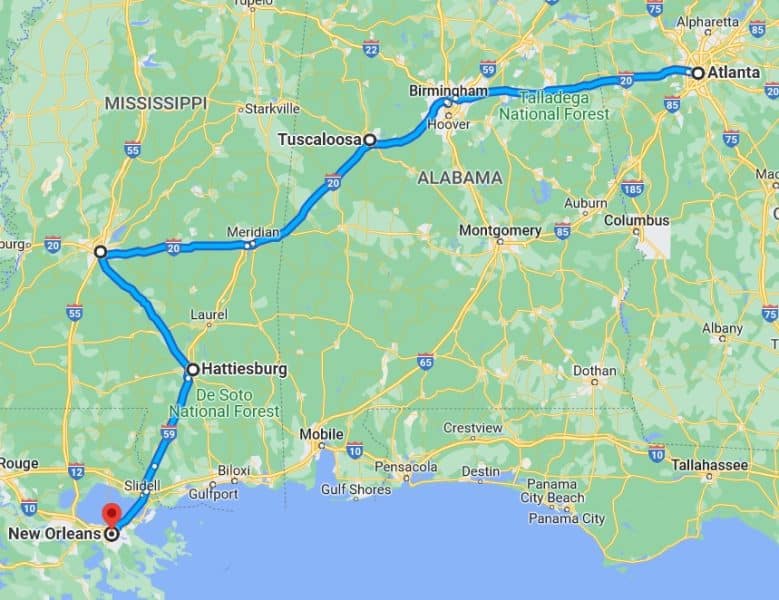
For many, the idea of a road trip through the American South is synonymous with adventure, freedom, and the chance to discover hidden gems along the way. The driving distance between Atlanta and New Orleans is approximately 470 to 500 miles (756 to 805 kilometers), depending on the exact starting and ending points within each city. This translates to an estimated driving time of 7 to 8 hours without significant stops or heavy traffic. However, anyone familiar with Southern hospitality knows that a true road trip involves much more than just reaching the destination; it’s about the journey itself.
The primary route for this drive involves taking Interstate 20 (I-20) west from Atlanta into Alabama, then connecting to Interstate 59 (I-59) south, which leads directly to New Orleans via Mississippi. This well-maintained interstate system makes for a relatively straightforward drive. Along the way, travelers have the opportunity to break up the journey with interesting stopovers. Birmingham, Alabama, a city with a rich Civil Rights history and a burgeoning culinary scene, is roughly halfway and offers excellent options for a meal or an overnight stay. Further south, near the Mississippi Gulf Coast, towns like Hattiesburg or Slidell in Louisiana can also provide convenient rest stops. For those with a little more time, a slight detour to Montgomery, Alabama, allows for a deeper dive into Civil Rights landmarks, or a swing down to Mobile, Alabama, to experience its port city charm and Mardi Gras history (predating New Orleans’ celebrations). Planning these stops not only makes the drive more manageable but also enhances the overall travel experience, turning a simple commute into a discovery of Southern culture and history.
Taking to the Skies: Flights Between the Cities
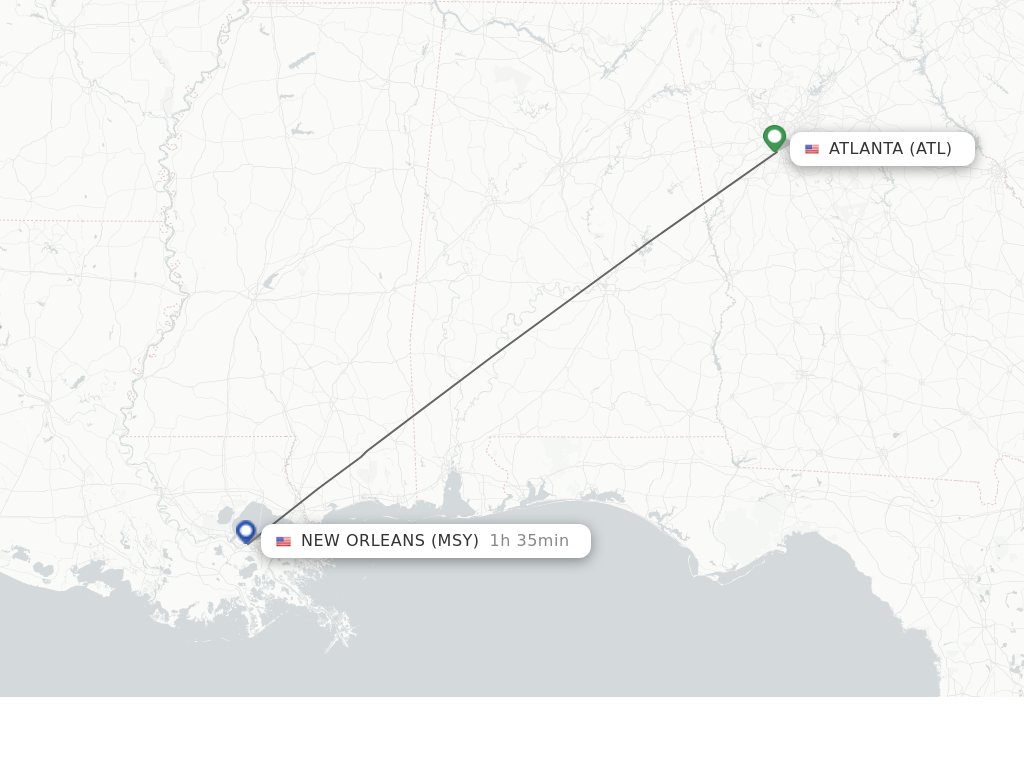
For travelers prioritizing speed and convenience, flying is undoubtedly the fastest way to get from Atlanta to New Orleans. The direct flight time is typically around 1 hour and 20 minutes to 1 hour and 30 minutes. When factoring in airport procedures – check-in, security, boarding, and deplaning – the total travel time from city center to city center usually averages around 4 to 5 hours.
Atlanta is home to Hartsfield-Jackson Atlanta International Airport (ATL), one of the busiest airports in the world, serving as a major hub for Delta Air Lines and offering numerous daily flights to Louis Armstrong New Orleans International Airport (MSY). Other airlines such as Southwest Airlines, Spirit Airlines, and Frontier Airlines also operate this route. The frequency of flights means travelers have a wide range of options throughout the day. Booking in advance generally secures better fares, especially for peak travel seasons or major events in either city. While airfare can fluctuate, competitive pricing is often available, making flying a viable option for budget-conscious travelers who prefer to minimize transit time. Additionally, the ease of reaching both city centers from their respective airports via public transport or ride-sharing services further streamlines the journey.
Alternative Transportation: Bus and Train
For those seeking a more relaxed pace, an economical option, or simply an alternative perspective, bus and train services connect Atlanta and New Orleans.
Amtrak, the national passenger rail system, offers service between the two cities via its historic Crescent line. This route travels overnight, providing passengers with the opportunity to sleep through much of the journey. The train ride typically takes around 10 to 12 hours, departing Atlanta in the evening and arriving in New Orleans the following morning. While slower than driving or flying, Amtrak offers a unique travel experience, with comfortable seating, dining cars, and scenic views that are otherwise missed. For a more luxurious experience, sleeper cars are available, offering private accommodations. It’s an excellent choice for leisure travelers who enjoy the journey as much as the destination and are not bound by tight schedules.
Bus services, primarily provided by Greyhound, represent the most budget-friendly option. A bus trip can take anywhere from 9 to 12 hours, with multiple departures daily. While it involves longer travel times and usually includes stops, bus travel is an accessible and often very affordable way to traverse the distance. Modern buses generally offer amenities like Wi-Fi and power outlets, making the journey more comfortable. Both bus and train stations are typically located in or near the downtown areas of Atlanta and New Orleans, offering convenient access to local attractions and accommodations upon arrival.
Why Make the Trip? Unveiling Two Southern Gems
Beyond the practicalities of travel, the allure of the journey between Atlanta and New Orleans lies in the unique cultural experiences each city offers. These are not merely points on a map but vibrant hubs of history, music, food, and distinct Southern charm. Understanding what makes each city special helps travelers tailor their visit, whether for tourism, business, or a blend of both.
New Orleans: A Tapestry of Culture and Celebration
New Orleans, affectionately known as the “Big Easy,” is a city unlike any other in the United States. Its rich Creole and Cajun heritage, influenced by French, Spanish, African, and Caribbean cultures, has created a unique atmosphere of celebration, resilience, and unparalleled charm.
The historic French Quarter is the beating heart of New Orleans, with its iconic wrought-iron balconies, bustling Bourbon Street, and the serene beauty of Jackson Square, presided over by St. Louis Cathedral. Visitors can stroll through its labyrinthine streets, discovering art galleries, street performers, and centuries-old architecture. Food is an integral part of the New Orleans experience. From savoring beignets and café au lait at Café Du Monde to indulging in gumbo, jambalaya, and fresh seafood at renowned restaurants, the culinary scene is a journey in itself. Live music, particularly jazz, flows from every corner, with legendary venues on Frenchmen Street offering authentic performances nightly. Beyond the French Quarter, the elegant Garden District boasts stunning antebellum mansions, while a ride on the historic streetcar offers a glimpse into local life. Major festivals like Mardi Gras and the New Orleans Jazz & Heritage Festival draw millions, showcasing the city’s vibrant spirit and deep cultural roots. For history buffs, plantation tours along the Mississippi River offer a poignant look into the region’s complex past.
Atlanta: Modern Metropolis with Deep Roots
In stark contrast yet equally compelling, Atlanta presents itself as a modern, sprawling metropolis that has never forgotten its pivotal role in American history. Known as the “Capital of the New South,” Atlanta is a hub for business, innovation, and culture, with a diverse population and a dynamic urban landscape.
The city’s downtown is home to several major attractions, many clustered around Centennial Olympic Park, built for the 1996 Summer Olympics. Here, visitors can explore the Georgia Aquarium, one of the largest in the world; immerse themselves in the history of a beloved beverage at the World of Coca-Cola; or delve into journalistic history at the CNN Center. Atlanta’s significance in the Civil Rights Movement is profound, with the Martin Luther King Jr. National Historical Park offering powerful insights into Dr. King’s life and legacy. Other notable landmarks include the Fox Theatre, a majestic movie palace, and the beautiful green spaces of Piedmont Park. The culinary scene in Atlanta is just as diverse as its population, ranging from traditional Southern comfort food to upscale international cuisine. As a major business center, Atlanta frequently hosts conventions and corporate events, attracting business travelers alongside tourists. Its vibrant neighborhoods, like Midtown and Buckhead, offer distinct dining, shopping, and entertainment experiences, showcasing the city’s blend of modern sophistication and Southern charm.
Planning Your Stay: Accommodation and Experiences
Once the travel logistics are settled, the next critical step is planning where to stay and what experiences to pursue. Both Atlanta and New Orleans offer an extensive range of accommodation options, from luxury resorts to budget-friendly apartments, catering to every taste and travel style. Understanding these choices and how to align them with your travel lifestyle is key to maximizing your trip.
Where to Stay: Hotels, Resorts, and Unique Accommodations
The choice of accommodation significantly impacts the overall travel experience. In both cities, travelers can find everything from opulent hotels to charming boutique stays and practical long-term rentals.
New Orleans Options:
New Orleans’ accommodation scene reflects its unique character. For those seeking luxury travel, hotels like The Roosevelt New Orleans, A Waldorf Astoria Hotel or Hotel Monteleone in the French Quarter offer historical grandeur, exceptional service, and prime locations, often featuring rooftop pools and gourmet dining. Boutique hotels provide a more intimate and distinctive experience; examples include the art-filled Hotel Peter and Paul in the Marigny neighborhood or the secluded Audubon Cottages for a taste of old-world charm. For budget travel, numerous guesthouses, hostels, and smaller hotels in areas like the Central Business District (CBD) or further afield offer comfortable yet affordable stays. Travelers looking for a more authentic or long-term stay might consider vacation rentals – apartments and villas – available through various platforms, allowing for a deeper immersion into local life, especially in neighborhoods like the Garden District or Uptown. Many hotels offer suites perfect for family trips, providing extra space and amenities like kitchenettes.
Atlanta Options:
Atlanta’s accommodation landscape is geared towards its dual identity as a major business hub and a growing tourist destination. For luxury travel, establishments like The St. Regis Atlanta in Buckhead or the Four Seasons Hotel Atlanta in Midtown offer unparalleled service, spa facilities, and fine dining, appealing to discerning travelers and those on business stays. Large hotels such as the Hyatt Regency Atlanta or the Omni Atlanta Hotel at CNN Center are popular for their conference facilities and proximity to major attractions and business centers. Boutique options, like Hotel Clermont, offer unique character and local flair. For budget travel, a wide array of mid-range hotels and motels are available across the city, particularly around the airport and suburban areas, offering great value without sacrificing comfort. Long-term stay visitors, especially those on extended business stays or relocations, can find numerous serviced apartments and extended-stay hotels equipped with kitchenettes and extra living space, ensuring a comfortable stay. Family trips benefit from hotels offering pools and spacious suites, often found near attractions like the Georgia Aquarium.
Tailoring Your Trip: Lifestyle Travel Considerations
Every traveler has a unique set of priorities and preferences. Recognizing these “lifestyle” considerations can transform a good trip into an unforgettable one.
Budget Travel: Both cities offer plenty of free attractions (parks, historical markers, window shopping) and affordable dining options (food trucks, local diners). Utilizing public transportation, walking, and looking for deals on accommodation are essential for keeping costs down. Consider visiting during the off-season for lower prices.
Luxury Travel: Indulge in five-star hotels, private tours, exclusive dining experiences, and spa treatments. In New Orleans, this might mean a private cooking class or a balcony suite overlooking Bourbon Street. In Atlanta, it could involve a personal shopping experience in Buckhead or a suite with skyline views.
Family Trips: Look for hotels with kid-friendly amenities, such as pools, adjoining rooms, or complimentary breakfast. Plan itineraries that include attractions appealing to all ages, like the Georgia Aquarium in Atlanta or a swamp tour near New Orleans. Consider vacation rentals for space and convenience.
Business Stays: Prioritize hotels with strong Wi-Fi, business centers, meeting rooms, and convenient access to corporate offices or convention centers. Many hotels offer executive lounges and expedited check-in/check-out services tailored for business travelers. Location is often paramount, with easy access to transportation hubs.

Practical Tips for Your Southern Adventure
To ensure your journey between Atlanta and New Orleans is as seamless and enjoyable as possible, a few practical considerations are worth noting.
Best Time to Visit: Both cities experience hot, humid summers. The spring (March to May) and fall (September to November) offer the most pleasant weather for exploring on foot. These seasons also coincide with many festivals in New Orleans, like the Jazz Fest or French Quarter Festival, and outdoor events in Atlanta.
Packing Essentials: Light, breathable clothing is essential for most of the year. Comfortable walking shoes are a must for exploring the vibrant streets. Don’t forget sunscreen and insect repellent, especially if planning outdoor activities. A portable power bank for your devices will also prove invaluable.
Booking in Advance: Especially if traveling during peak season or for specific events (e.g., Mardi Gras in New Orleans or major conventions in Atlanta), booking flights, accommodations, and popular tours well in advance is highly recommended to secure availability and often better rates.
Local Etiquette: Southerners are generally known for their hospitality. A polite “please” and “thank you” go a long way. In New Orleans, tipping musicians on the street is customary, and it’s polite to acknowledge bartenders and service staff.
Food Recommendations: Be adventurous! In New Orleans, try the oysters, po’boys, and a hurricane cocktail. In Atlanta, explore the diverse international cuisine or indulge in classic Southern fried chicken and peach cobbler. Don’t hesitate to ask locals for their favorite hidden gems.
In conclusion, the distance between New Orleans and Atlanta is significant enough to warrant careful planning, yet easily conquerable by various modes of transport. Whether you choose the open road, the efficiency of a flight, or the scenic route by train, the journey promises an immersion into the rich tapestry of Southern culture. Both cities offer an abundance of landmarks, unique culinary experiences, diverse accommodation options, and a vibrant lifestyle that caters to every type of traveler. By understanding the practicalities and embracing the unique charms of each destination, your trip from Atlanta to New Orleans, or vice versa, will be an unforgettable adventure.
LifeOutOfTheBox is a participant in the Amazon Services LLC Associates Program, an affiliate advertising program designed to provide a means for sites to earn advertising fees by advertising and linking to Amazon.com. Amazon, the Amazon logo, AmazonSupply, and the AmazonSupply logo are trademarks of Amazon.com, Inc. or its affiliates. As an Amazon Associate we earn affiliate commissions from qualifying purchases.