
Planning a trip to the United States, especially to a state as vibrant and culturally rich as Louisiana, involves a myriad of considerations. From mapping out must-see landmarks and booking the perfect accommodation to savoring local cuisine and immersing oneself in unique traditions, every detail contributes to an unforgettable travel experience. Amidst all these exciting plans, a fundamental question often arises for travelers, particularly those crossing state lines or international borders: “What time zone is Louisiana in?” The answer, while seemingly straightforward, carries practical implications for scheduling flights, attending events, and even coordinating simple dinner reservations.
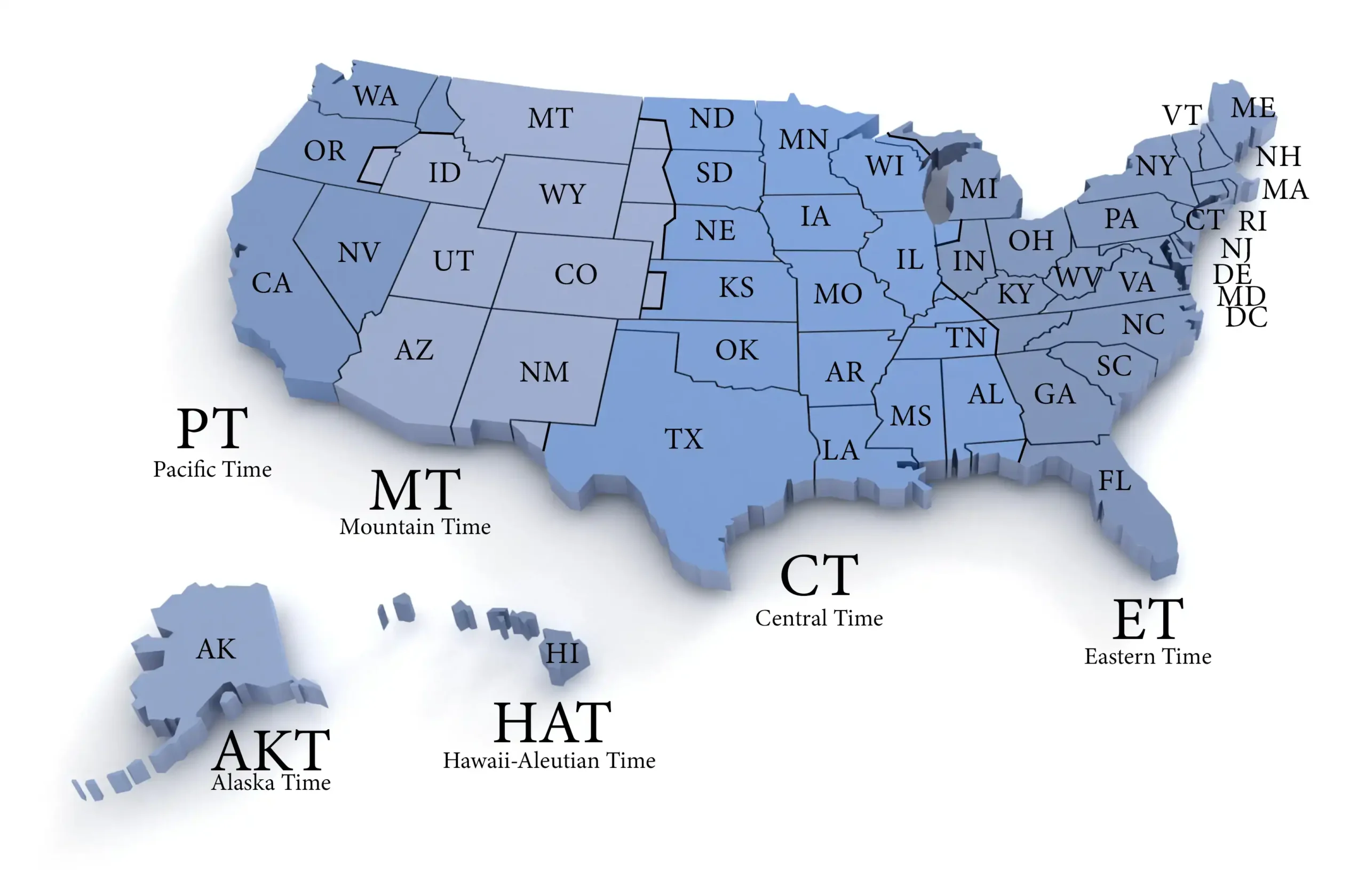
Louisiana proudly observes the Central Time Zone (CT). This means that throughout the year, the state operates on either Central Standard Time (CST) or Central Daylight Time (CDT), depending on the time of year. Understanding this crucial detail is the first step in seamlessly integrating into the rhythm of the Pelican State, allowing you to maximize every moment of your exploration from the bustling streets of New Orleans to the serene bayous and historic plantations. This guide will delve into the specifics of Louisiana’s time zone, its impact on travel and tourism, and how to best plan your itinerary to make the most of your visit, ensuring a smooth and enjoyable journey through this captivating Southern gem.
Central Time Zone: Understanding Louisiana’s Clock
The consistent adherence to the Central Time Zone across the entire state of Louisiana simplifies planning for visitors, eliminating the confusion that might arise in states spanning multiple time zones. This uniformity ensures that whether you’re exploring the northern reaches near Shreveport or the southern coast along the Gulf of Mexico, your clock will remain the same.
Central Standard Time (CST) and Central Daylight Time (CDT)
Louisiana follows the standard practice of observing Daylight Saving Time.
- Central Standard Time (CST): This is the base time, observed during the fall and winter months. CST is UTC-6, meaning it is six hours behind Coordinated Universal Time.
- Central Daylight Time (CDT): During the spring and summer, the clock “springs forward” by one hour for Daylight Saving Time. CDT is UTC-5, making it five hours behind Coordinated Universal Time. This shift typically occurs on the second Sunday in March, when clocks move forward an hour, and ends on the first Sunday in November, when they “fall back” an hour.
For travelers, understanding this biannual shift is crucial. If your trip spans these transition dates, remember to adjust your watches and devices accordingly. Most modern smartphones and computers will update automatically, but it’s always wise to double-check, especially for early morning flights or timed event tickets. The change aims to make better use of daylight, providing longer evenings during warmer months, which is particularly beneficial for enjoying outdoor activities and evening entertainment across Louisiana.
Geographical Context and Implications for Travelers
Louisiana’s geographical position within the heart of the Central Time Zone places it alongside neighboring states like Mississippi, Arkansas, and most of Texas. This regional consistency is a boon for those planning multi-state road trips or arriving from nearby destinations, as it minimizes the need for time adjustments en route.
- Bordering States: Traveling from Houston or Dallas, Texas, you won’t experience a time change when entering Louisiana. The same applies when driving from Jackson, Mississippi, or Little Rock, Arkansas. This seamless transition makes cross-state travel particularly convenient.
- Flights and Transportation: When booking flights into major Louisiana airports like Louis Armstrong New Orleans International Airport (MSY) or Baton Rouge Metropolitan Airport (BTR), departure and arrival times will always be listed in the local time zone. For travelers coming from the Eastern Time Zone (e.g., New York, Florida), expect to “gain” an hour upon arrival in Louisiana during Standard Time, and a similar adjustment during Daylight Saving Time. Conversely, those from the Mountain or Pacific Time Zones will “lose” time. This time difference can sometimes contribute to jet lag, particularly on eastbound journeys, so factor in some downtime upon arrival if needed.
- Event Scheduling: Concerts, sporting events, festivals, and tour departures are all scheduled according to Louisiana local time. Always confirm event start times with your current time zone in mind to avoid missing out on the unique experiences Louisiana has to offer. For instance, attending Mardi Gras parades or the New Orleans Jazz & Heritage Festival requires punctual planning.
Planning Your Louisiana Itinerary: Time and Tourism
Louisiana’s rich tapestry of culture, history, and natural beauty offers an incredible array of attractions. Efficiently planning your itinerary, especially when coordinating various activities and experiences, is paramount. Understanding the local time zone simplifies this process, allowing you to synchronize your visit with the state’s vibrant rhythm.
Navigating New Orleans Time
New Orleans, often called the “Big Easy,” is undoubtedly the crown jewel of Louisiana tourism, drawing millions with its unique charm. Its bustling atmosphere means events, tours, and dining experiences adhere strictly to the Central Time Zone.
- Exploring the French Quarter: From an early morning beignet at Cafe Du Monde to late-night jazz on Bourbon Street, New Orleans operates on its own lively schedule. Walking tours of the French Quarter or the historic Garden District, visits to Jackson Square and St. Louis Cathedral, or delving into the mysteries of Voodoo Authentica are all precisely timed. Ensure you account for travel time between attractions to make your scheduled bookings.
- Major Festivals and Events: New Orleans is world-renowned for its festivals. Mardi Gras parades begin at specific times, often early in the day, and extend late into the evening. Similarly, the New Orleans Jazz & Heritage Festival, typically held in late April or early May, has a daily schedule of performances across multiple stages. All these timings are local. Booking tickets, arranging transportation, and planning meal breaks around these events requires careful consideration of the Central Time Zone.
- Dining and Entertainment: The city’s legendary culinary scene thrives from morning brunch to late-night suppers. Many popular restaurants have specific seating times, and renowned jazz clubs operate on performance schedules. Always confirm operating hours and reservation times in advance, especially during peak seasons.
Beyond the Big Easy: Time in Other Louisiana Destinations
While New Orleans often takes center stage, Louisiana offers a wealth of diverse experiences across its other regions, all operating in the same Central Time Zone.
- Baton Rouge: The state capital, home to Louisiana State University (LSU) and historical sites like the Old State Capitol, adheres to the same schedule. This consistency is beneficial for business travelers or those combining a cultural trip with educational visits.
- Lafayette: The heart of Acadiana, famous for its Cajun and Creole culture, music, and food, provides a contrasting experience to New Orleans. Time here flows perhaps a little slower, but live music events, swamp tours through the Atchafalaya Basin, and restaurant timings are still dictated by the local clock.
- Shreveport and Bossier City: In the northwest, these twin cities offer a blend of casino entertainment, riverfront attractions, and cultural sites. Events, shows, and gaming hours are all set to Central Time Zone, making it easy to transition from other parts of the state.
- Lake Charles, Monroe, and Alexandria: Each of these cities and numerous smaller towns across the state offers unique attractions, from casinos and outdoor adventures to historical museums and local festivals. The consistent time zone across the entire state greatly simplifies planning, allowing travelers to move between these varied destinations without the hassle of time adjustments. Whether you’re embarking on a Mississippi River cruise or exploring a historic plantation, knowing the local time ensures a smooth experience.
Accommodation and Lifestyle: Maximizing Your Louisiana Experience
Your choice of accommodation and how you embrace the local lifestyle are integral to a fulfilling trip. Understanding how the time zone influences these aspects can help you make informed decisions and truly immerse yourself in the Louisiana way of life.
Hotels and Resorts: Timing Your Stays
Louisiana offers a diverse range of accommodations, from opulent luxury resorts to charming boutique hotels and cozy guesthouses. The time of year, influenced by seasonal events and weather, significantly impacts availability and pricing.
- Peak Season Bookings: Major events like Mardi Gras, Jazz Fest, and pleasant fall/spring weather draw huge crowds to New Orleans and other popular destinations. During these times, hotels such as The Roosevelt New Orleans, A Waldorf Astoria Hotel, the historic Hotel Monteleone, or the elegant Windsor Court Hotel can be fully booked months in advance, and rates soar. Booking well ahead, often 6-12 months out for major festivals, is essential. The specific dates of these events are tied to the calendar year and therefore to the Central Time Zone.
- Off-Peak and Shoulder Season: For budget-conscious travelers or those seeking a more relaxed pace, visiting during the quieter months can yield better deals on suites, resorts, and apartments. The summer months, while hot and humid, offer lower prices and fewer crowds. Early fall and late spring, outside of major festivals, also provide a good balance of pleasant weather and reasonable rates. Always check local event calendars, factoring in the Central Time Zone, to find the best time for your preferred style of travel.
- Check-in/Check-out Times: Standard check-in times are usually in the afternoon (e.g., 3:00 PM CST/CDT) and check-out times in the late morning (e.g., 11:00 AM CST/CDT). These are always local times, so coordinate your arrival and departure flights accordingly to avoid waiting or rushing. Many hotels offer luggage storage if your flight schedule doesn’t perfectly align with these times.
Culinary Adventures and Cultural Immersions
Louisiana’s food scene and cultural experiences are deeply interwoven with the rhythms of daily life, all dictated by the local time.
- Dining Experiences: From the hearty breakfasts found in diners across the state to long, leisurely brunches in New Orleans (a popular weekend activity) and late-night seafood boils in Lafayette, dining is a key part of the Louisiana lifestyle. Many acclaimed restaurants, particularly in New Orleans, require reservations, sometimes weeks or months in advance, so be mindful of the local time when making these bookings. Happy hours, often a great way to sample local flavors at a lower cost, also adhere to specific afternoon hours.
- Cultural Tours and Activities: Louisiana’s unique history is best explored through its various tours and attractions. Swamp tours, like those offered by fictional company Bayou Fantastique, typically depart in the morning or early afternoon to take advantage of cooler temperatures and active wildlife. Visits to historic plantations such as Oak Alley Plantation or Laura Plantation often have scheduled tour times that run throughout the day. Major museums like the National WWII Museum and the Audubon Aquarium of the Americas in New Orleans have set opening and closing hours, usually operating from around 9:00 AM or 10:00 AM until 5:00 PM or 6:00 PM. Always check the specific operating hours, which are always in Central Time Zone, before planning your day.
- Live Music: Whether it’s a blues club in Baton Rouge, a Cajun dance hall in Lafayette, or a jazz bar in New Orleans, live music is a cornerstone of Louisiana culture. Performance times are local, and some venues may have early shows for dinner crowds and later sets for night owls.
Essential Travel Tips for Louisiana
A successful trip to Louisiana involves more than just knowing the time zone; it requires a blend of practical planning and an eagerness to embrace its distinctive charm.
Practical Advice for Time Zone Adjustments
For those traveling from distant time zones, particularly the Eastern or Pacific coasts, some level of time zone adjustment or “jet lag” can occur.
- Gradual Adjustment: If possible, try to gradually adjust your sleep schedule a few days before your trip. For example, if flying from the East Coast, go to bed an hour later and wake up an hour later in the days leading up to your departure.
- Hydration and Light Meals: Stay well-hydrated during your flight and opt for lighter meals. Avoid excessive alcohol and caffeine, which can exacerbate jet lag symptoms.
- Sunlight Exposure: Once in Louisiana, try to get natural sunlight exposure, especially in the mornings. This helps reset your body’s internal clock to the new time zone.
- Stick to Local Schedule: As much as possible, try to eat and sleep according to Central Time from day one. Power naps (20-30 minutes) can be helpful, but avoid long naps that might disrupt your nighttime sleep.
Best Time to Visit and Event Planning
While Louisiana offers attractions year-round, certain seasons provide a more comfortable and vibrant experience, all within the framework of the Central Time Zone.
- Spring (March to May): This is arguably the best time to visit. The weather is pleasant, ideal for exploring cities and bayous. It’s also prime festival season, hosting Mardi Gras (which can sometimes fall in late February), Jazz Fest, and numerous smaller local events. Be prepared for crowds and higher prices, especially in New Orleans.
- Fall (September to November): After the summer heat subsides, fall brings cooler temperatures and a vibrant atmosphere, with fewer crowds than spring. This is an excellent time for outdoor activities, plantation tours, and enjoying the state’s natural beauty. Many food and music festivals also take place during these months.
- Winter (December to February): While cooler, Louisiana winters are generally mild compared to more northern states. This can be a great time for budget travel, enjoying holiday festivities, and experiencing a more local side of the state, especially outside of Mardi Gras season.
- Summer (June to August): Characterized by high heat and humidity, summer can be challenging for some travelers. However, prices for accommodation are typically lower, and it’s a good time to enjoy indoor attractions, air-conditioned museums, and water-based activities.
Always check specific event dates and local weather forecasts to tailor your trip. Remember that all schedules and times for festivals, tours, and attractions are based on the Central Time Zone.
In conclusion, Louisiana operates entirely within the Central Time Zone, observing Central Standard Time (UTC-6) during cooler months and Central Daylight Time (UTC-5) during warmer ones. This consistent timekeeping simplifies travel planning across the state’s diverse regions and myriad attractions. By understanding and accounting for the local time, particularly for those traveling from different time zones, visitors can effortlessly navigate the vibrant culture, indulge in world-class cuisine, explore historic landmarks, and enjoy the unique lifestyle that makes Louisiana an unparalleled destination. So, set your watches to Central Time, and prepare to immerse yourself in the unforgettable charm of the Pelican State.
LifeOutOfTheBox is a participant in the Amazon Services LLC Associates Program, an affiliate advertising program designed to provide a means for sites to earn advertising fees by advertising and linking to Amazon.com. Amazon, the Amazon logo, AmazonSupply, and the AmazonSupply logo are trademarks of Amazon.com, Inc. or its affiliates. As an Amazon Associate we earn affiliate commissions from qualifying purchases.