
New Orleans, often affectionately dubbed the “Big Easy,” is a city that pulses with an unparalleled zest for life. Renowned for its vibrant music scene, distinctive Creole and Cajun cuisine, spirited festivals like Mardi Gras, and rich history, it beckons millions of travelers each year to experience its unique charm. However, like many major tourist destinations in the United States, questions about safety often arise, prompting potential visitors to wonder: “Is New Orleans dangerous?”
The simple answer is complex, as safety is rarely black and white in any bustling urban environment. While statistics might paint a concerning picture in certain categories, focusing solely on broad crime rates can be misleading for the average tourist. The reality for visitors is often significantly different from that experienced by residents in specific, less-visited neighborhoods. With proper planning, awareness, and adherence to common-sense travel precautions, a trip to New Orleans can be both incredibly rewarding and safe. This comprehensive guide aims to demystify safety concerns, provide practical tips, and help you navigate the enchanting streets of this Louisiana gem with confidence.
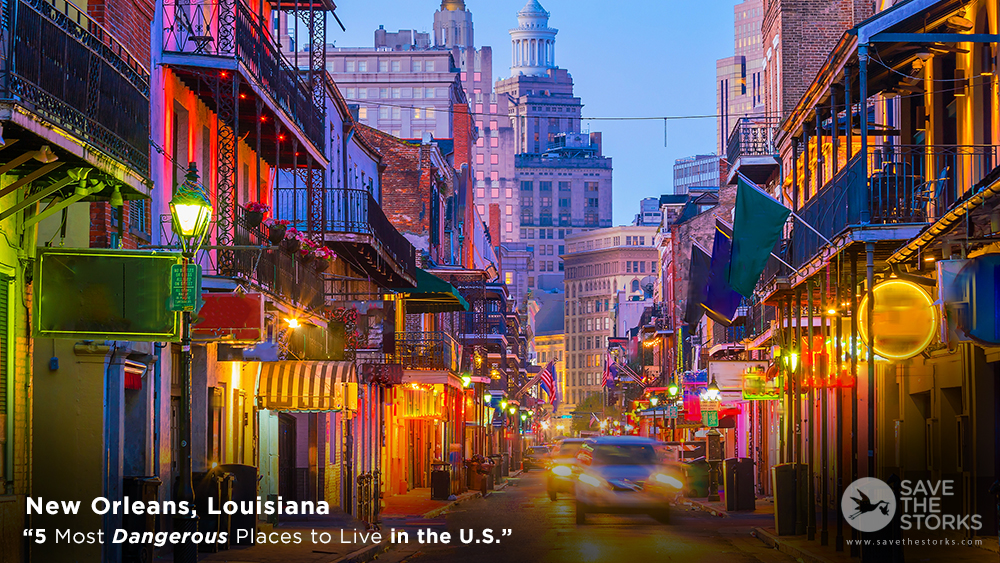
Understanding Safety in New Orleans: Perception vs. Reality
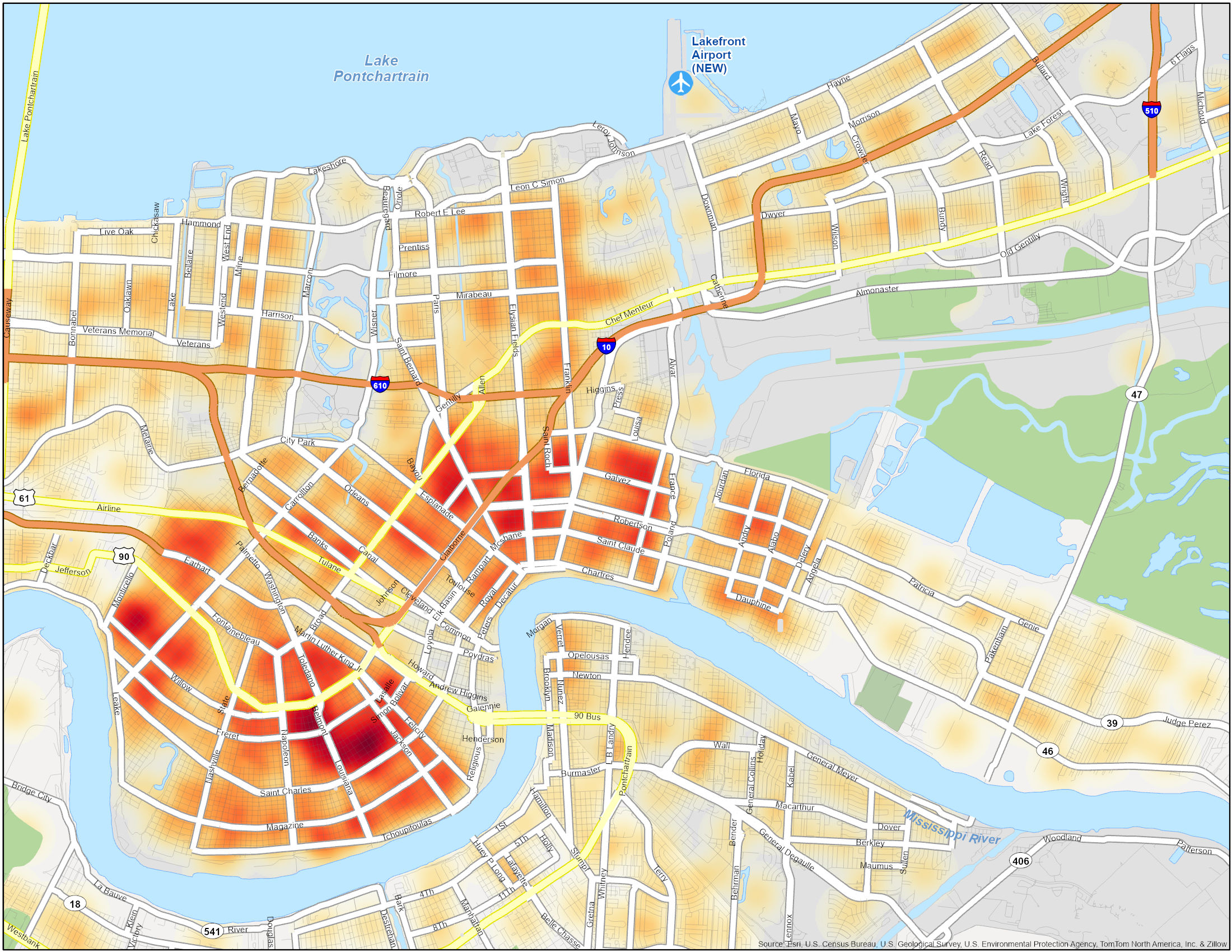
It’s undeniable that New Orleans has faced challenges with crime, particularly in the post-Katrina era. However, it’s crucial for travelers to understand the distinction between generalized crime statistics and the actual risk experienced in popular tourist zones. Most violent crime is concentrated in areas far removed from where tourists typically venture, often stemming from issues unrelated to visitors.
The Tourist Bubble: Where Visitors Stay and Play
The vast majority of tourist activity in New Orleans is concentrated within well-defined districts that are generally safer and more heavily patrolled. These areas include:
- The French Quarter: The historic heart of the city, home to Bourbon Street, Jackson Square, and St. Louis Cathedral. While it can get rowdy, especially at night, it’s typically bustling with people and has a visible police presence. Petty theft like pickpocketing is more common here, especially in crowded spots.
- Garden District: Known for its stunning antebellum mansions and oak-lined streets. This affluent residential area is generally very safe for walking during the day.
- Central Business District (CBD) and Warehouse District: These areas house many modern hotels, the National WWII Museum, and art galleries. They are generally safe, particularly during business hours and when attractions are open.
- Faubourg Marigny and Tremé: Adjacent to the French Quarter, these neighborhoods offer a more authentic local experience with live music venues. While increasingly popular with tourists, especially Frenchmen Street in Marigny, they require a bit more awareness, particularly when walking late at night.
The key takeaway is that most incidents affecting tourists are opportunistic crimes, such as purse snatching or phone theft, rather than violent assaults. By staying vigilant and making smart choices, you can significantly mitigate these risks.
Navigating the City Safely: Practical Tips for Travelers
Experiencing New Orleans fully means immersing yourself in its culture, but always with an eye towards personal safety. Here’s how to do it smart.
Daytime vs. Nighttime Exploration
During the day, most tourist areas are vibrant and safe for exploration. Stroll through the Garden District, browse shops on Magazine Street, or explore the museums in the Warehouse District without undue concern. Even the French Quarter is a charming place for a morning coffee and beignet.
Nighttime, however, brings a different dynamic. While the city truly comes alive after dark with its legendary music and dining scenes, increased caution is warranted.
- Stay in well-lit, populated areas: Stick to main streets and avoid cutting through dark alleys or deserted blocks, especially in the French Quarter and beyond.
- Travel in groups: There’s safety in numbers, particularly when walking at night.
- Limit alcohol intake: Enjoy the local libations, but maintain your awareness. Excessive drinking can impair judgment and make you a more vulnerable target.
- Be aware of your surroundings: Don’t walk with your head down, glued to your phone. Pay attention to who is around you.
Transportation and Personal Belongings
Getting around New Orleans is part of the experience, but choose your methods wisely.
- Ride-sharing and Taxis: For nighttime travel, especially if you’re venturing between neighborhoods or have had a few drinks, ride-sharing services (like Uber/Lyft) or traditional taxis are highly recommended. Always verify the driver and vehicle before entering.
- Streetcars: The historic New Orleans streetcars are a charming and safe way to explore areas like St. Charles Avenue and Canal Street during the day and early evening.
- Walking: While walking is encouraged during the day in tourist zones, avoid long walks between districts at night. A short walk from a restaurant to your hotel in the same district is usually fine, but consider a ride for anything longer.
- Protect Valuables:
- Don’t flash cash or expensive jewelry. Keep your wallet in a front pocket or use an anti-theft bag.
- Keep your phone secure. Avoid leaving it on tables at outdoor cafes or using it conspicuously in crowded areas.
- Be mindful of bags and purses. Keep them close to your body and never hang them over the back of a chair in a public place.
- Carry only what you need. Leave important documents, extra credit cards, and large sums of cash locked securely in your hotel room safe.
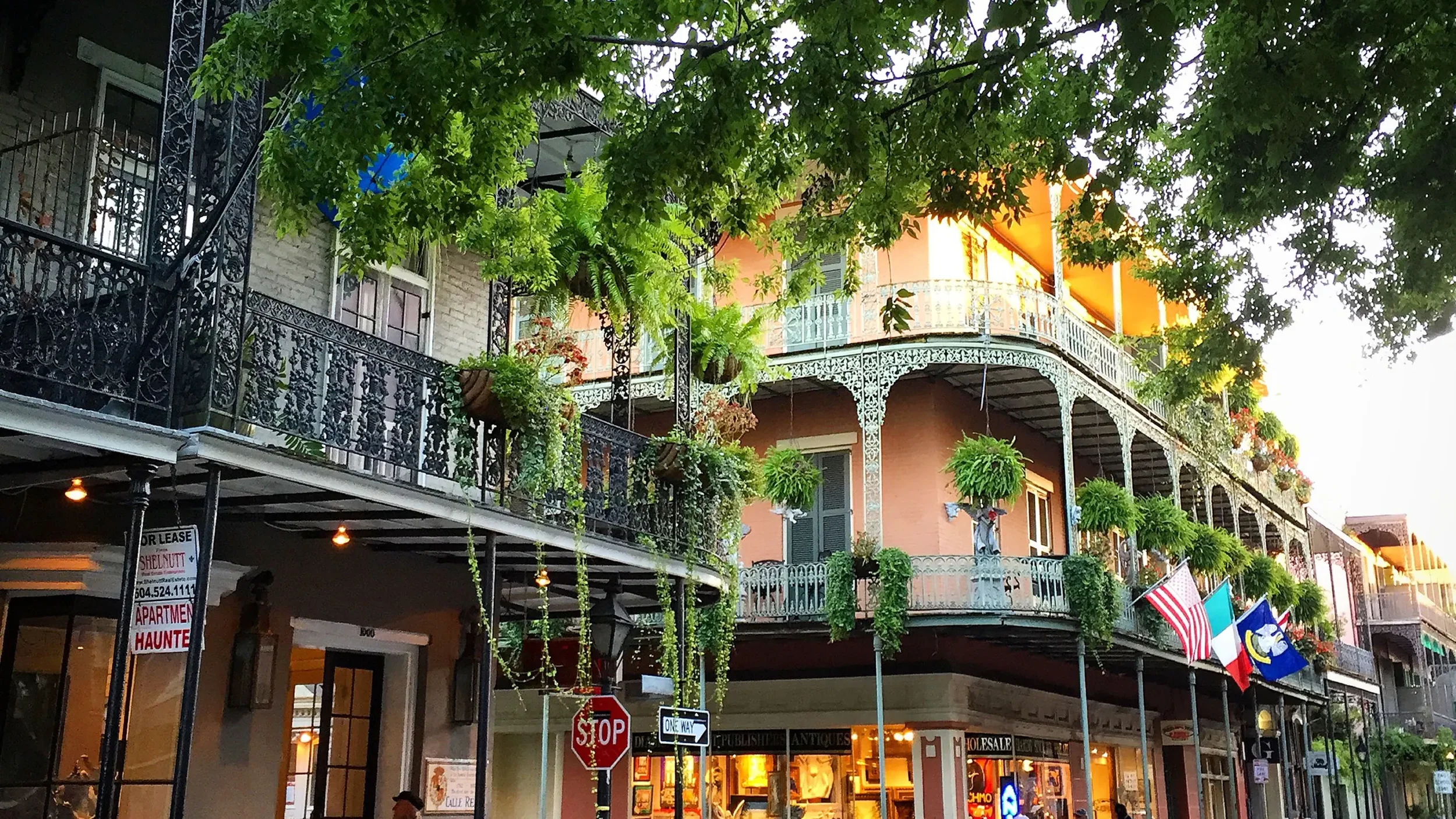
Accommodation and Neighborhoods: Choosing Your Safe Haven
Where you choose to stay plays a significant role in your overall sense of security and travel experience in New Orleans. The city offers a diverse range of accommodations, from historic boutique hotels to modern high-rises.
Selecting the Right Hotel and Area
Many travelers opt for hotels within the core tourist districts for convenience and perceived safety.
- French Quarter: Offers charm and immediate access to attractions, but can be noisy, especially around Bourbon Street. Hotels like Hotel Monteleone or W French Quarter provide luxury and security.
- Central Business District/Warehouse District: Ideal for those seeking modern amenities, business travelers, and proximity to museums and the Convention Center. Hotels such as The Roosevelt New Orleans, Hilton New Orleans Riverside, or The Ritz-Carlton, New Orleans are popular choices here, offering excellent security and services. These areas are also well-connected by streetcar and provide easy access to the Mississippi River attractions like the Aquarium of the Americas and the Riverwalk Marketplace.
- Garden District: A quieter, more upscale option for those who appreciate beautiful architecture and a serene atmosphere. Accommodation here often includes charming guesthouses and boutique hotels. It’s a short streetcar ride to the French Quarter.
When booking, always check recent reviews regarding neighborhood safety and hotel security. Many hotels in New Orleans have secure access and staff available 24/7, which adds an extra layer of peace of mind.
Beyond the Mainstay: Exploring Other Neighborhoods
While the core tourist areas offer plenty to see and do, venturing into other neighborhoods can provide deeper cultural insights.
- Tremé: America’s oldest black neighborhood and the birthplace of jazz. It’s rich in history and culture. During the day, attractions like Louis Armstrong Park and the Congo Square are worth visiting. It’s advisable to visit Tremé during daylight hours, perhaps as part of a guided tour, and avoid walking alone at night.
- Faubourg Marigny: Known for its vibrant music scene on Frenchmen Street. This area is generally safe around the main entertainment strip, even at night due to the crowds. However, be cautious when walking on side streets away from the main drag.
- Bywater: An eclectic, artsy neighborhood popular with younger residents. While it has some great restaurants and bars, it’s less frequented by tourists and warrants extra vigilance, especially after dark. Taxis or ride-shares are recommended for travel to and from this area.
When exploring these less-touristy areas, consider joining a reputable guided tour. Not only do guides offer invaluable historical context, but they also navigate you through neighborhoods safely.
Embracing the New Orleans Experience Responsibly
The charm of New Orleans lies in its ability to transport you to a world unlike any other. By adopting a mindset of responsible travel, you can fully embrace its magic without compromising your safety.
Local Culture, Etiquette, and Awareness
Being respectful of local culture is not just good etiquette; it’s also a component of safe travel.
- Respect private property: New Orleans residents often take pride in their homes. Be mindful not to trespass or cause disturbances in residential areas.
- Be courteous: A friendly demeanor can go a long way. Engage with locals, but be discerning about who you trust with personal information or accept favors from.
- Understand Voodoo and other local traditions: While fascinating, approach cultural practices with respect and avoid mocking or disrespecting beliefs, especially in areas like Cemetery No. 1.
- Stay informed about local events: Large festivals like Mardi Gras or Jazz Fest bring massive crowds, which can increase the risk of petty crime. Plan routes, be extra vigilant with belongings, and arrange transportation in advance during these times.
Essential Safety Tips for Every Traveler
Beyond location-specific advice, some general travel safety tips are universally applicable and particularly useful in New Orleans:
- Trust your instincts: If a situation or an area feels off, remove yourself from it.
- Inform someone of your plans: Let family or friends know your itinerary, especially if you’re traveling alone.
- Emergency contacts: Have local emergency numbers and your hotel’s contact information readily accessible. The general emergency number in the United States is 911.
- Use hotel safes: Lock up passports, extra cash, and other valuables when you leave your room.
- Be cautious of scams: Be wary of individuals offering unsolicited “help” or trying to sell you things that seem too good to be true. New Orleans, like any major tourist city, has its share of street performers and artists, but also opportunists.
- Stay hydrated and sun-protected: The New Orleans climate can be hot and humid. Dehydration and sunstroke are real risks that can impair judgment.
- Know your limits: Whether it’s walking distances or alcohol consumption, pacing yourself is crucial for an enjoyable and safe trip.
Conclusion: A Memorable and Safe Journey to New Orleans
Is New Orleans dangerous? Like many vibrant cities, it presents its share of challenges, but these are largely manageable for informed travelers. The perception of danger often overshadows the reality for the millions of visitors who safely enjoy its unparalleled culture, history, and revelry each year. By understanding the city’s geography, being mindful of your surroundings, making smart transportation choices, and protecting your belongings, you can significantly enhance your safety.
New Orleans offers an experience like no other – a blend of old-world charm, contemporary art, soulful music, and culinary delights that captivate the senses. Don’t let exaggerated fears deter you from discovering the magic of the “Big Easy.” Embrace the adventure, savor the flavors, dance to the rhythm, and with a conscious approach to safety, you’ll undoubtedly create unforgettable memories in this truly unique American city. Plan your accommodation wisely, research your destinations, and prepare to be enchanted by everything New Orleans has to offer, safely and spectacularly.
LifeOutOfTheBox is a participant in the Amazon Services LLC Associates Program, an affiliate advertising program designed to provide a means for sites to earn advertising fees by advertising and linking to Amazon.com. Amazon, the Amazon logo, AmazonSupply, and the AmazonSupply logo are trademarks of Amazon.com, Inc. or its affiliates. As an Amazon Associate we earn affiliate commissions from qualifying purchases.