
New Orleans, a city steeped in history, rich with vibrant culture, and renowned for its unique spirit, often conjures images of jazz music echoing through gaslit streets, the festive chaos of Mardi Gras, and the tantalizing aromas of Creole cuisine. But beneath the surface of this captivating destination lies a complex demographic story that profoundly shapes its identity, economy, and visitor experience. Understanding the population of New Orleans is not merely about reciting numbers; it’s about grasping the resilience of a community, the dynamics of urban recovery, and the interplay between its residents and the millions who visit each year. From its historic neighborhoods to its modern developments, the ebb and flow of its population dictate everything from the availability of local cultural experiences to the burgeoning scene of hotels and accommodations.

The Current Landscape: Unpacking New Orleans’ Population Data
The story of New Orleans’ population is one of both enduring charm and dramatic shifts, reflecting its unique position as a cultural melting pot and a city that has faced profound challenges. To truly appreciate its present, we must first look at the most recent figures and then contextualize them with its remarkable history.
A Snapshot of Today: Official Figures and Estimates
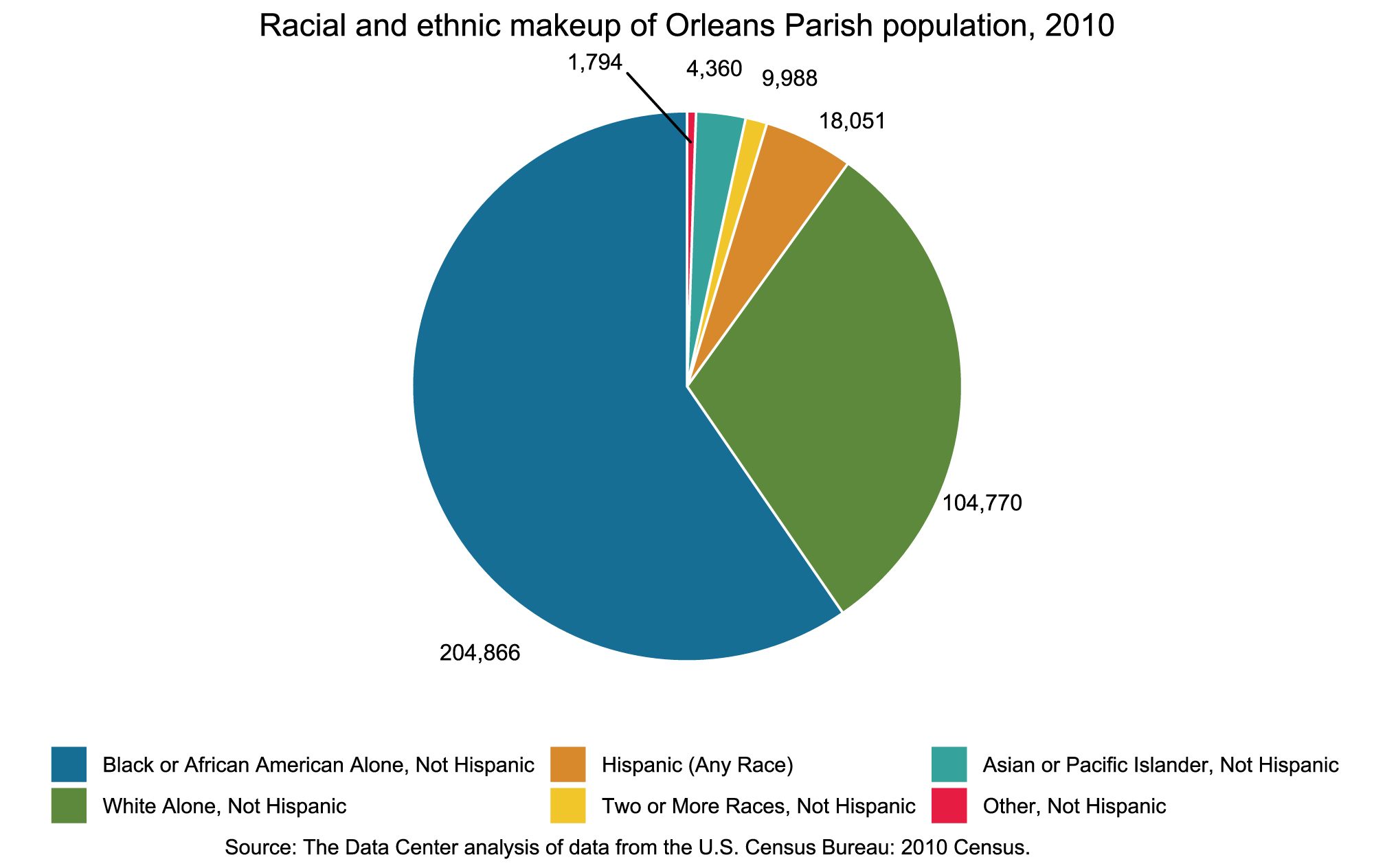
As of recent estimates, the population of New Orleans Parish (which is co-extensive with the city) hovers around 380,000 to 390,000 residents. While these numbers are significant, they represent a city still in the process of rebuilding and redefining itself after catastrophic events. The broader metropolitan area, which includes surrounding parishes like Jefferson Parish, St. Tammany Parish, and others, boasts a much larger population, often exceeding 1.2 million. This distinction between the city proper and its greater metropolitan statistical area is crucial, as it highlights the interconnectedness of the region and the sprawling nature of its residential and economic hubs.
Demographically, New Orleans is celebrated for its diverse tapestry. A significant portion of the population is African American, reflecting a deep historical legacy rooted in both slavery and the subsequent flourishing of unique cultural expressions like jazz and second-line parades. The city also has a notable white population, alongside growing Hispanic and Asian communities, each contributing to the distinctive cultural mosaic that makes New Orleans unlike any other city in the United States. This rich blend is evident in its cuisine, music, languages, and festivals, providing a compelling draw for travelers seeking authentic experiences.
Historical Trajectories: Growth, Decline, and Resilience
The history of New Orleans’ population is a narrative of peaks and valleys. For much of the 20th century, the city experienced steady growth, reaching its peak in the early 1960s with a population exceeding 600,000. It served as a vital port city, an economic engine for the South, and a cultural beacon. However, like many older American cities, it saw a gradual decline through the latter half of the century due to suburbanization and shifts in industrial landscapes.
The most dramatic and widely known demographic event in New Orleans’ recent history was Hurricane Katrina in 2005. The storm and the subsequent levee failures led to widespread devastation and a mass exodus of residents. The population plummeted to an estimated 150,000 in the immediate aftermath, a stark reminder of the vulnerability of coastal cities. The recovery, however, has been a testament to the city’s indomitable spirit. Over the past nearly two decades, New Orleans has steadily clawed its way back, with former residents returning, new ones arriving, and significant investments being made in infrastructure and community rebuilding. This resilience is a key part of the city’s modern narrative and greatly influences its contemporary culture and tourism appeal.
Factors Shaping New Orleans’ Demography
The population dynamics of New Orleans are influenced by a complex web of environmental, economic, and social factors. Understanding these elements provides deeper insight into the city’s character and its journey towards a sustainable future.
The Enduring Impact of Hurricane Katrina
The shadow of Hurricane Katrina looms large over any discussion of New Orleans’ population. The storm not only caused immense physical destruction but also initiated one of the largest internal displacements of people in U.S. history. Many residents, particularly from lower-income communities, relocated to cities across the United States, and while a significant portion has returned, the city’s demographic makeup was irrevocably altered. The repopulation process has been uneven, with some neighborhoods recovering faster than others. Areas like the French Quarter and the Garden District, which largely escaped the worst flooding, bounced back relatively quickly. In contrast, heavily damaged areas like the Lower Ninth Ward faced more protracted challenges in housing, infrastructure, and attracting residents back.
This event spurred a wave of urban planning and infrastructure projects aimed at making the city more resilient to future environmental threats. It also led to shifts in the local economy, with increased focus on tourism, healthcare, and technology sectors, influencing the types of jobs available and thus the demographics of new arrivals.
Economic Drivers and Lifestyle Allure
Beyond its historical resilience, New Orleans’ economic landscape and unique lifestyle serve as powerful magnets for residents. Tourism is undeniably the largest economic driver, attracting millions of visitors annually and supporting a vast array of jobs in hospitality, entertainment, and culinary arts. This constant influx of visitors, drawn to attractions like Jackson Square, the National WWII Museum, and the vibrant nightlife of Bourbon Street, creates a dynamic job market. The city’s port remains a crucial hub for trade, and industries such as healthcare, education, and energy also contribute significantly to the local economy.
However, it’s not just economic opportunity that draws people to New Orleans; it’s the lifestyle. The city offers a quality of life characterized by a rich cultural calendar, a legendary food scene that ranges from high-end dining to casual street food, and an unmatched musical heritage. While the cost of living can be a concern, particularly in desirable areas, many find the unique atmosphere, community spirit, and relatively affordable housing (compared to other major U.S. cities) to be incredibly appealing. This blend of economic opportunity and unparalleled lifestyle significantly influences who chooses to live in and move to New Orleans.
Migration Patterns and Urbanization Trends
Current migration patterns show a continued flow of people into New Orleans, although the pace varies. Many are young professionals and artists attracted to the city’s creative scene and burgeoning tech sector. There’s also a significant portion of “boomerang” residents – those who left after Hurricane Katrina and have since returned. The city is also seeing an increase in people from other parts of Louisiana and the broader Gulf South seeking opportunities or drawn by the city’s unique pull.
Urbanization trends within the city itself are also noteworthy. There’s a push for revitalization in historically neglected areas and a growing demand for urban living spaces. This includes the development of new apartment complexes, the renovation of historic homes, and the repurposing of commercial buildings into residential units. These trends contribute to denser urban cores and can sometimes lead to gentrification concerns, a common challenge for cities experiencing revitalization. The rise of short-term rentals, often linked to tourism, also impacts housing availability and affordability for long-term residents.
Population Dynamics and the New Orleans Visitor Experience
The relationship between New Orleans’ resident population and its tourism industry is symbiotic and complex. The city’s unique charm, largely shaped by its people, draws visitors, and in turn, tourism supports the livelihoods of many residents.
Tourism’s Role in a Dynamic City
Tourism is not merely an industry in New Orleans; it is woven into the very fabric of the city’s identity. The approximately 19 million visitors who flock to the city annually interact with its population in countless ways, from dining at local restaurants to enjoying live music in clubs like Preservation Hall. The population size and its composition directly influence the authenticity and diversity of these experiences. A healthy resident population ensures that the unique cultural traditions—from the culinary delights of gumbo and beignets to the vibrant brass band parades—remain alive and thriving, rather than becoming mere tourist spectacles. Iconic landmarks like St. Louis Cathedral, the historic streetcar lines, and the atmospheric cemeteries like St. Louis Cemetery No. 1 are preserved and animated by the ongoing presence of residents who cherish and maintain them. The city’s vibrant events, such as Jazz Fest and Mardi Gras, are community-driven, with local krewes and musicians forming the backbone of these world-famous celebrations.
Accommodation and Urban Development Challenges
The interplay between population and tourism also presents challenges, particularly in the realm of accommodation and urban development. The demand from tourists for places to stay has led to a boom in hotel development and the proliferation of short-term rental properties. High-end establishments like the Ritz-Carlton New Orleans and the historic Hotel Monteleone cater to luxury travelers, while boutique hotels and guesthouses offer more intimate experiences. However, the conversion of residential properties into short-term rentals can reduce the housing stock available for long-term residents, driving up rent prices and contributing to displacement. This tension highlights the delicate balance New Orleans must strike between supporting its vital tourism industry and ensuring affordable housing and stable communities for its population. Urban planners are constantly navigating these issues, seeking solutions that accommodate both visitors and locals while preserving the city’s unique character.
Navigating Local Culture and Community Life
Ultimately, the population of New Orleans is the guardian of its local culture and community life. The city’s distinct neighborhoods, each with its own character and traditions, thrive because of their residents. From the artistic enclave of the Bywater to the stately homes of the Uptown area, these communities contribute to the city’s multifaceted appeal. Visitors who venture beyond the main tourist corridors gain a deeper appreciation for the authentic rhythms of New Orleans life. Engaging with local shop owners, dining at neighborhood eateries, or simply observing daily life in public spaces like Audubon Park or City Park allows travelers to experience the city through the eyes of its people. The presence of a stable and engaged local population ensures that the unique dialects, customs, and community bonds that define New Orleans persist, offering an enriching and unforgettable experience for all.
Looking Ahead: The Future of New Orleans’ Population
The journey of New Orleans’ population is far from over. The city faces ongoing challenges and opportunities that will shape its demographic future.
Projections and Sustainability
Projections for New Orleans’ population suggest continued gradual growth, though it is unlikely to reach its pre-Katrina peak in the immediate future. Factors such as climate change and sea-level rise pose long-term questions about sustainability and urban planning in a vulnerable coastal region. Efforts towards sustainable development are critical, focusing on resilient infrastructure, green spaces, and environmentally conscious policies to ensure the city remains livable and attractive for future generations. These initiatives not only protect the existing population but also attract new residents who prioritize environmental responsibility.

Investing in Resilience and Community
For New Orleans to thrive, continued investment in its resilience and community is paramount. This includes ongoing efforts to upgrade flood protection systems, improve public education, and foster economic diversification beyond tourism. Programs aimed at supporting local businesses, empowering artists, and providing affordable housing are crucial for retaining current residents and attracting new ones. The city’s ability to maintain its unique cultural heritage, which is deeply intertwined with its diverse population, will depend on these sustained investments. By creating a strong, inclusive, and resilient community, New Orleans can ensure that its population continues to grow in a way that benefits everyone, from its longest-standing families to its newest arrivals.
In conclusion, the population of New Orleans is a dynamic tapestry reflecting a history of vibrant culture, profound challenges, and remarkable resilience. From its current numbers to its historical ebbs and flows, the demographic story of this iconic Louisiana city is intrinsically linked to its identity as a premier travel destination, a hub of unique accommodations, and a living museum of American history and culture. As New Orleans looks to the future, its population will continue to be the heartbeat of its unparalleled charm, ensuring that its legendary spirit endures for generations to come.
LifeOutOfTheBox is a participant in the Amazon Services LLC Associates Program, an affiliate advertising program designed to provide a means for sites to earn advertising fees by advertising and linking to Amazon.com. Amazon, the Amazon logo, AmazonSupply, and the AmazonSupply logo are trademarks of Amazon.com, Inc. or its affiliates. As an Amazon Associate we earn affiliate commissions from qualifying purchases.