
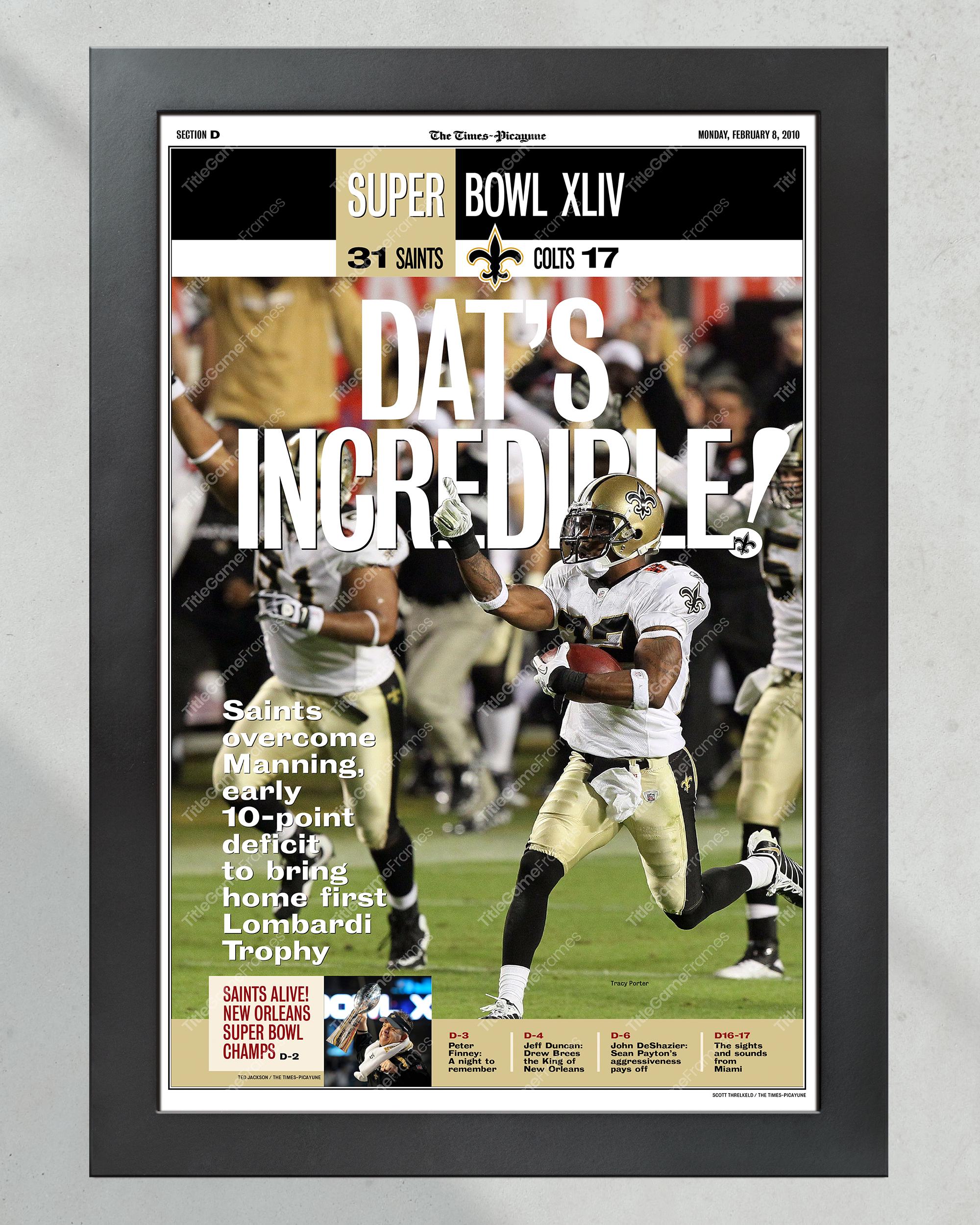
The vibrant city of New Orleans, a captivating jewel in the United States‘ crown, erupted in an unparalleled celebration on February 7, 2010. This was the momentous date when the beloved [New Orleans Saints](https://lifeoutofthebox.com/new-orleans-saints] secured their first and, to date, only Super Bowl victory, defeating the Indianapolis Colts 31-17 in Super Bowl XLIV. More than just a football game, this triumph became a powerful symbol of resilience, rebirth, and the unbreakable spirit of a city that had faced unimaginable adversity. For residents and fans, it wasn’t merely a championship; it was a collective sigh of relief, a validation of their enduring hope, and an explosion of joy that resonated far beyond the gridiron.

This historic win not only etched the New Orleans Saints into the annals of sports history but also highlighted New Orleans itself as a destination defined by its incredible heart, unique culture, and an unwavering ability to celebrate life. While the memory of the Super Bowl win remains a point of immense civic pride, the city offers a kaleidoscopic array of experiences that draw millions of visitors annually. From its historic landmarks and world-renowned culinary scene to its distinctive music and festive lifestyle, New Orleans promises a journey that is as enriching as it is exhilarating. This article delves into that iconic victory, then seamlessly transitions to exploring the many facets that make New Orleans an unforgettable travel destination, touching upon its diverse accommodations, cultural attractions, and unique tourism opportunities for every kind of traveler.
A Historic Victory: The Saints’ Super Bowl XLIV Triumph
The New Orleans Saints’ journey to their Super Bowl title was far more than a typical sports narrative; it was a saga deeply intertwined with the city’s own story of recovery and resurgence following Hurricane Katrina in 2005. The team’s success became a beacon of hope, providing a much-needed morale boost and a powerful unifying force for a community in the midst of rebuilding.
The Road to Glory: A City United
The 2009 NFL season saw the New Orleans Saints, under the leadership of head coach Sean Payton and the masterful arm of quarterback Drew Brees, embark on an extraordinary campaign. The team started with an astounding 13-0 record, capturing the imagination of not just New Orleans but the entire nation. Drew Brees, who arrived in New Orleans in 2006, just months after Hurricane Katrina devastated the region, quickly became a symbol of the city’s determination. His commitment to the community, both on and off the field, endeared him to locals and cemented his status as a true legend. The team’s gritty performances, innovative offensive schemes, and unwavering belief mirrored the spirit of the New Orleans people who were tirelessly working to restore their beloved home. Every victory was met with an outpouring of emotion, turning the Caesars Superdome into an echoing sanctuary of cheers and collective aspirations. The playoff run was fraught with tension and exhilarating moments, ultimately culminating in a dominant NFC Championship victory that sent the Saints to their first-ever Super Bowl.
The Game-Changing Moments of Super Bowl XLIV
Super Bowl XLIV took place at Dolphin Stadium (now Hard Rock Stadium) in Miami Gardens, Florida. The Saints faced a formidable opponent in the Indianapolis Colts, led by legendary quarterback Peyton Manning. The game itself was a tense, back-and-forth affair, but it was defined by a few audacious and unforgettable plays from New Orleans. Perhaps the most daring call came at the start of the second half: an onside kick dubbed the “Ambush.” Executed flawlessly, the Saints recovered the ball and swiftly scored, shifting the momentum irrevocably in their favor.
Later in the fourth quarter, with the Colts attempting to rally, Saints cornerback Tracy Porter intercepted a pass from Peyton Manning and returned it 74 yards for a game-sealing touchdown. This play, etched forever in the memories of Saints fans, sealed the victory and ignited the greatest celebration in the city’s modern history. Drew Brees was named the game’s Most Valuable Player, capping off a remarkable season and an even more remarkable comeback story for his team and his adopted city.
The Euphoria Back Home: A City in Ecstasy
As the clock ran out in Miami, the streets of New Orleans exploded into an ecstatic frenzy. The victory transcended sports; it was a deeply personal triumph for countless residents who had endured so much. Bourbon Street and the French Quarter immediately transformed into one massive, spontaneous party. People spilled out of bars and homes, dancing, singing, hugging strangers, and chanting “Who Dat!” – the iconic cheer of the Saints faithful. Car horns blared, church bells rang, and the sheer volume of collective joy was palpable.
The victory parade that followed days later was an unforgettable spectacle, drawing hundreds of thousands of people dressed in black and gold. It snaked through the city, with players and coaches celebrated as heroes. This collective outpouring of emotion served as a powerful testament to the resilience and vibrant spirit of New Orleans. The Super Bowl win became a tangible symbol of their ability to overcome, rebuild, and not just survive, but thrive. It instilled a sense of unity and pride that continues to resonate today, making the city an even more compelling destination for those seeking to experience a place with an unparalleled heart and soul.
New Orleans Beyond the Gridiron: A City of Culture and Celebration
While the Super Bowl victory holds a special place in the city’s narrative, New Orleans’ allure extends far beyond its sports achievements. It is a city that pulsates with a unique blend of cultures, traditions, and an irrepressible joie de vivre that captivates every visitor. From its distinct architecture to its world-famous festivals, New Orleans offers a rich tapestry of experiences.
The Vibrant French Quarter: A Step Back in Time
At the heart of New Orleans’ tourism lies the iconic French Quarter. This historic district, a National Historic Landmark, is a feast for the senses. Its narrow, cobblestone streets are lined with charming iron-laced balconies, pastel-colored Creole townhouses, and hidden courtyards brimming with lush greenery. Visitors can wander through Jackson Square, a bustling hub of street artists, musicians, and fortune tellers, all under the watchful gaze of the majestic St. Louis Cathedral, one of the oldest cathedrals in the United States.
By day, explore the boutiques, art galleries, and antique shops that dot Royal Street. By night, experience the legendary energy of Bourbon Street, where live music pours from every doorway and the atmosphere is perpetually festive. For a quieter, yet equally authentic experience, a morning visit to Café Du Monde for piping hot beignets and strong chicory coffee is an essential New Orleans tradition. The French Quarter is not just a collection of buildings; it’s a living museum, where every corner tells a story of centuries of history, resilience, and unbridled celebration.
Culinary Delights: A Gastronomic Journey Through Cajun and Creole Flavors

New Orleans is a mecca for food lovers, offering a culinary landscape that is as unique and diverse as its culture. The city is the birthplace of two distinct and delicious cuisines: Cajun and Creole. While often conflated, they each have their own heritage and flavor profiles, rooted in the region’s French, Spanish, African, and Caribbean influences.
Must-try dishes include rich, savory gumbo, a hearty stew often packed with seafood, chicken, or sausage; jambalaya, a flavorful rice dish; and etouffee, a thick, shellfish-based stew typically served over rice. Po’boys, classic sandwiches filled with fried shrimp, oysters, or roast beef, are perfect for a casual lunch. And no visit is complete without indulging in fresh Gulf oysters, served raw, grilled, or fried. For those seeking fine dining, historic establishments like Commander’s Palace, Antoine’s Restaurant, and Brennan’s offer exquisite culinary experiences in opulent settings, blending tradition with contemporary flair. Even street food, from hot dogs to pralines, adds to the city’s vibrant gastronomic tapestry, making every meal an adventure.
Music and Mardi Gras: The Soul of the City
Music flows through the veins of New Orleans like the Mississippi River itself. Widely recognized as the birthplace of jazz, the city continues to be a global hub for live music, fostering a dynamic scene that spans blues, funk, R&B, and traditional brass bands. Frenchmen Street, just outside the French Quarter, is a haven for music lovers, boasting numerous clubs where local and national acts perform nightly. Visitors can immerse themselves in authentic New Orleans sounds, often performed by musicians who are direct descendants of jazz pioneers.
Equally iconic is Mardi Gras, a world-famous carnival celebration that embodies the city’s spirit of revelry and elaborate spectacle. While the most famous parades and festivities occur in the weeks leading up to Fat Tuesday, the essence of Mardi Gras – the vibrant colors, intricate costumes, and celebratory parades – is woven into the city’s identity year-round. Beyond the main event, numerous other festivals, from the New Orleans Jazz & Heritage Festival to the French Quarter Festival, ensure that there’s always a reason to celebrate, offering visitors a continuous opportunity to experience the unique cultural pulse of New Orleans.
Planning Your Visit: Accommodation and Experiences in New Orleans
For travelers inspired by the spirited tales of victory and vibrant culture, planning a trip to New Orleans is an exciting endeavor. The city caters to a diverse range of preferences, offering everything from luxurious resorts to charming boutique hotels and unique local experiences.
Where to Stay: Hotels and Unique Accommodations
New Orleans boasts a wide array of accommodation options to suit every taste and budget, making it a versatile destination for all types of travelers. For those seeking luxury and historic grandeur, hotels like The Roosevelt New Orleans, a Waldorf Astoria Resort, or the iconic Hotel Monteleone in the French Quarter offer opulent settings, impeccable service, and a deep connection to the city’s past. These establishments often feature amenities such as rooftop pools, acclaimed restaurants, and vibrant bars, ideal for discerning guests.
Boutique hotels and charming guesthouses are abundant, particularly in the French Quarter, Garden District, and Marigny neighborhoods. These often reside in beautifully restored historic buildings, providing a more intimate and personalized stay with unique architectural details and local character. For travelers on a budget, numerous reputable mid-range hotels and hostels are available, particularly along the perimeter of the French Quarter and in the Central Business District, offering comfortable stays without compromising on accessibility to major attractions. Many accommodations offer special packages for family trips, business stays, or extended vacations, so checking reviews and comparing options online is always recommended to find the perfect fit for your New Orleans adventure.
Must-Do Activities and Excursions
Beyond the immediate charms of the French Quarter, New Orleans and its surrounding areas offer a wealth of captivating activities and excursions. A classic experience is a leisurely ride on the Natchez Steamboat, cruising along the mighty Mississippi River while enjoying live jazz music and panoramic views of the city skyline. For a taste of the region’s unique ecosystem, swamp tours provide an exciting opportunity to explore the bayous, spot alligators, and learn about the local wildlife and Cajun culture from experienced guides.
History buffs will find themselves engrossed by the world-class exhibits at the National WWII Museum, which offers a poignant and comprehensive look at the war effort. For a glimpse into New Orleans’ intriguing spiritual practices, guided voodoo and ghost tours offer a fascinating (and sometimes spooky) journey through the city’s supernatural folklore and historic cemeteries like St. Louis Cemetery No. 1. Exploring the opulent mansions and lush gardens of the Garden District via a walking tour or a ride on the historic St. Charles Streetcar provides a stark yet beautiful contrast to the French Quarter, showcasing another architectural and historical facet of this multi-layered city.
Embracing the Local Lifestyle: Tips for an Authentic Experience
To truly embrace the spirit of New Orleans, travelers should look beyond the main tourist routes and seek out authentic local experiences. One of the best ways to do this is to explore different neighborhoods. Wander through the artistic and bohemian Bywater, known for its colorful houses, vibrant street art, and eclectic bars. Or discover the live music scene beyond Bourbon Street on Frenchmen Street in the Marigny, where locals and visitors alike gather to enjoy world-class jazz and blues.
Public transportation, particularly the historic streetcars, offers a charming and economical way to traverse the city, allowing visitors to soak in the street scenes at a relaxed pace. Engage with locals at a neighborhood corner store or a casual eatery; their warmth and storytelling are an integral part of the New Orleans experience. Whether you’re on a luxury trip enjoying fine dining and upscale hotels or exploring on a budget, savoring street food and staying in cozy guesthouses, the key is to slow down, absorb the rhythm of the city, and let its unique charm wash over you. New Orleans thrives on its communal spirit and welcoming atmosphere, making every visitor feel like part of the family.
Conclusion
The question “When Did New Orleans Win The Super Bowl?” opens a door not just to a date – February 7, 2010 – but to a deeper understanding of a city that transformed a sporting triumph into a symbol of its enduring spirit. The New Orleans Saints’ Super Bowl XLIV victory was a moment of unparalleled joy and validation, a testament to resilience in the face of adversity. It underscored the city’s ability to unite, celebrate, and overcome, a narrative that continues to inspire.
Yet, this monumental win is but one thread in the rich tapestry that is New Orleans. The city beckons travelers with its unparalleled cultural heritage, epitomized by the historic charm of the French Quarter, the world-renowned flavors of its Cajun and Creole cuisine, and the ever-present sounds of jazz and blues that permeate its streets. From the lively revelry of Mardi Gras to the quiet beauty of its antebellum architecture, New Orleans offers a diverse range of attractions and experiences.
Whether you’re seeking luxury accommodations in a grand historic hotel or a budget-friendly stay in a charming guesthouse, exploring iconic landmarks or venturing into vibrant local neighborhoods, New Orleans promises an unforgettable journey. Its unique blend of history, hospitality, and an unwavering zest for life makes it a destination that leaves an indelible mark on every visitor. Come to New Orleans not just to remember a historic football victory, but to experience a city where every day feels like a celebration, a testament to its enduring strength and vibrant soul.
LifeOutOfTheBox is a participant in the Amazon Services LLC Associates Program, an affiliate advertising program designed to provide a means for sites to earn advertising fees by advertising and linking to Amazon.com. Amazon, the Amazon logo, AmazonSupply, and the AmazonSupply logo are trademarks of Amazon.com, Inc. or its affiliates. As an Amazon Associate we earn affiliate commissions from qualifying purchases.