
For passionate fans of American football, few experiences rival the electrifying atmosphere of a live New Orleans Saints game. Whether you bleed black and gold or simply want to immerse yourself in one of the most vibrant cities in the United States, planning a trip around a Saints match-up is an unforgettable way to combine the thrill of sports with an unparalleled cultural adventure. This comprehensive guide will not only help you pinpoint “When Do The New Orleans Saints Play?” but also transform your game day visit into a full-fledged New Orleans tourism experience, complete with accommodation insights, local attractions, and culinary explorations.
Planning Your Saints Game Day Experience
Attending a New Orleans Saints game is more than just watching football; it’s an event deeply woven into the fabric of the city. From the moment you arrive, you’ll feel the palpable excitement building up to kickoff. Strategic planning is key to maximizing your enjoyment, ensuring you secure the best seats, comfortable lodging, and ample time to soak in the local flavor.
The New Orleans Saints Season at a Glance
The New Orleans Saints compete in the National Football League (NFL), which typically kicks off its regular season in early September and concludes in late December or early January. Playoff games can extend into February, culminating in the Super Bowl. The exact schedule for each season is usually released in May, offering fans several months to plan their trips.
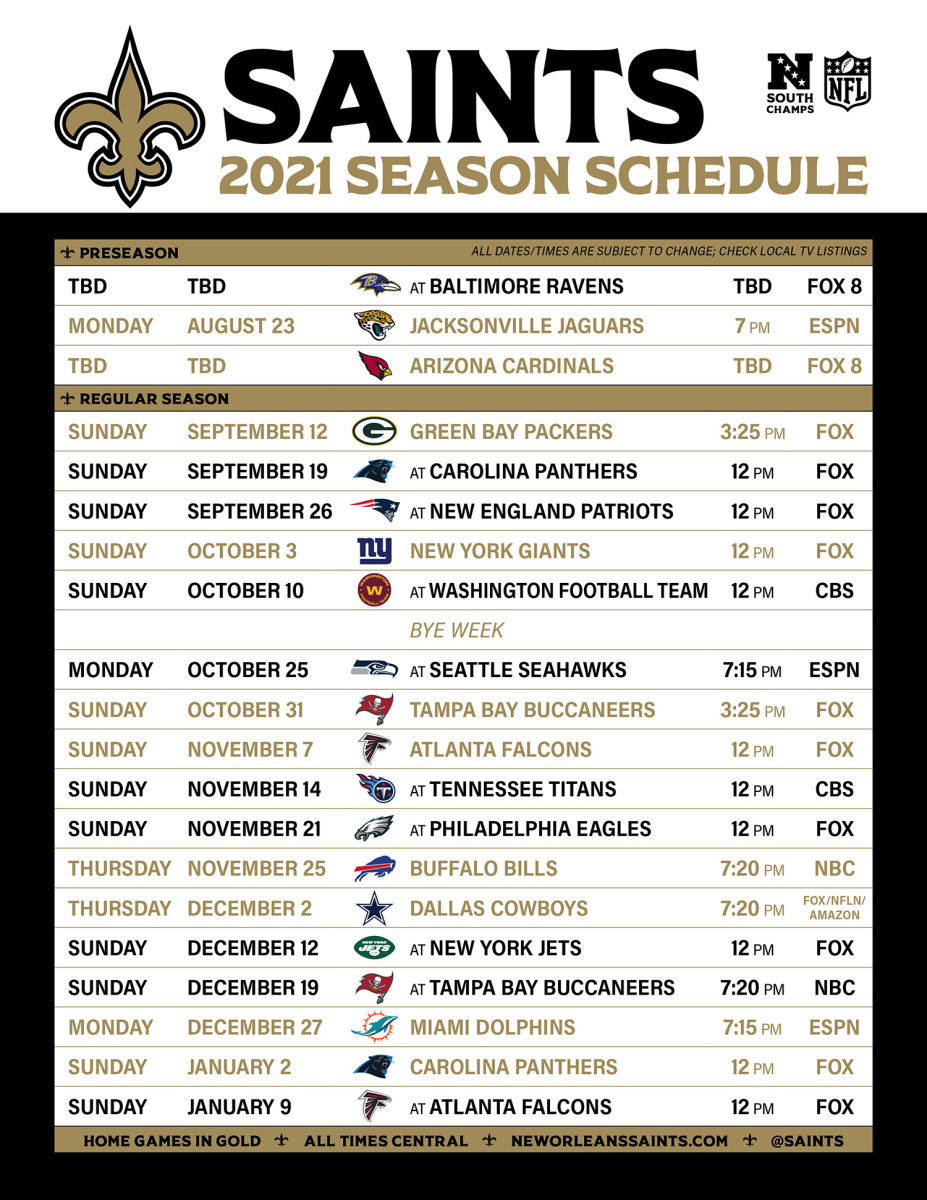
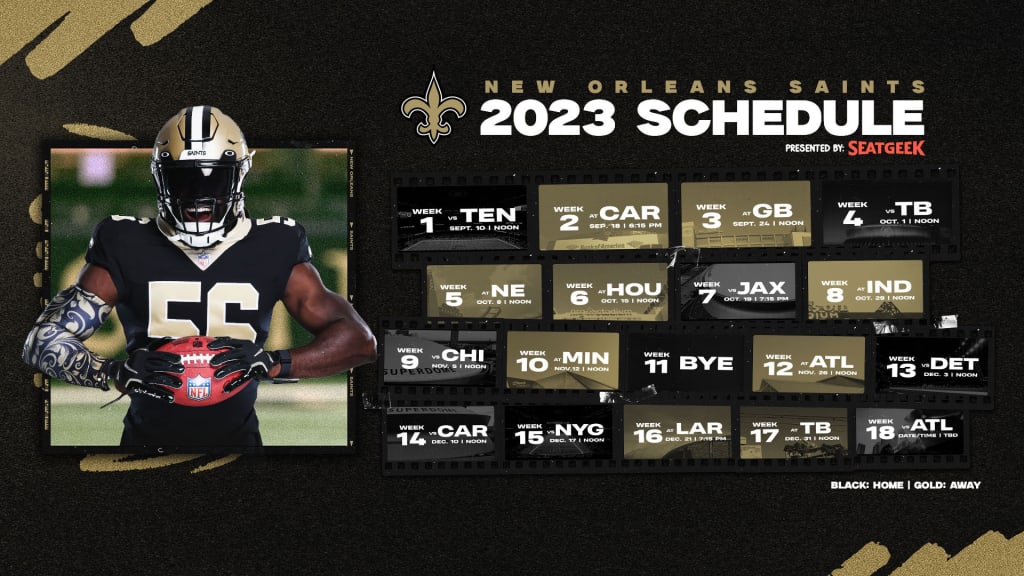
To find out “When Do The New Orleans Saints Play?”, you’ll want to consult the official NFL website, the New Orleans Saints official team site, or reputable sports news outlets. Key dates to look out for include:
- Preseason: Usually four games in August, offering a sneak peek at the team and often more affordable ticket options. While not as high-stakes as regular season games, they still provide an exciting atmosphere for dedicated fans.
- Regular Season: 17 games spread over 18 weeks, with roughly half of them played at the team’s home stadium, the Caesars Superdome. Home games are the primary draw for visitors and are typically played on Sundays, with occasional Thursday, Monday, or Saturday night games. These prime-time matchups often create an even more electric atmosphere.
- Postseason (Playoffs): If the Saints qualify, these high-stakes games are played in January. Tickets for playoff games are often in extremely high demand and command premium prices.
- Bye Week: Each team has one bye week during the regular season, a period when they do not play. It’s crucial to check for this when planning, as you wouldn’t want to arrive in New Orleans only to find there’s no game!
When selecting a game, consider opponent matchups (rivalry games are always intense!), time of year (November and December games can have cooler weather, while early season games might still be hot and humid), and your personal travel preferences. Many fans choose to attend games against long-standing rivals like the Atlanta Falcons or the Tampa Bay Buccaneers for an even more spirited experience.
Securing Your Tickets and Accommodation
Once you have identified your desired game date, the next critical steps are purchasing tickets and booking your accommodation. This is where the travel and hotel aspects of your journey truly come into play.
Game Tickets:
Official tickets can be purchased through platforms like Ticketmaster, the primary vendor for the Caesars Superdome. Resale markets such as SeatGeek or StubHub are also popular options, especially for sold-out games. Prices vary significantly based on the opponent, seating location, and demand. For crucial matchups or playoff games, expect higher prices. It’s advisable to buy tickets as soon as the schedule is released or well in advance, especially if you’re targeting a specific popular game. Consider purchasing tickets directly from season ticket holders if possible, to avoid some fees.
Accommodation:
New Orleans offers a diverse range of accommodation options to suit every budget and lifestyle. Given the city’s popularity, particularly during football season, booking your hotel, resort, or apartment well in advance is paramount.
- Proximity to the Caesars Superdome: Many visitors prefer hotels within walking distance or a short streetcar ride to the stadium. Areas like the Central Business District (CBD) and the Warehouse District are ideal for this.
- Types of Stays: From luxury hotels with opulent suites and resorts offering a full array of amenities to charming boutique hotels, budget-friendly motels, or unique Airbnb rentals, New Orleans has it all. Family trips might benefit from suites with kitchenettes, while a business stay could prioritize hotels with excellent conference facilities.
- Booking Tips: Compare prices across various booking sites. Look for packages that might include game tickets or other local attractions. Always check recent reviews to ensure the accommodation meets your expectations for cleanliness, service, and location. During peak season, prices can surge, so early booking often translates to better deals.
Beyond the Caesars Superdome: Immersing Yourself in New Orleans Culture
While the Saints game is undoubtedly a highlight, a trip to New Orleans is incomplete without exploring its rich tapestry of culture, history, and unparalleled gastronomy. The city itself is a landmark, a living museum of American history with a unique blend of French, Spanish, African, and Caribbean influences.
Iconic Neighborhoods and Landmarks to Explore
New Orleans is a city best explored on foot, allowing you to discover its hidden courtyards, colorful architecture, and vibrant street life.
- The French Quarter: This historic heart of New Orleans is a must-visit. Wander through its narrow streets, marvel at the distinctive ironwork balconies, and soak in the atmosphere. Key landmarks here include Jackson Square, a historic park where artists display their work, and the majestic St. Louis Cathedral, the oldest continuously active cathedral in the United States.
- The Garden District: Take a ride on the historic St. Charles Avenue streetcar to explore this stunning neighborhood, famous for its grand mansions, lush gardens, and oak-lined streets. A walking tour here offers a glimpse into New Orleans’ affluent past.
- Treme: One of the oldest African-American neighborhoods in the United States, Treme is a cradle of jazz music and a vibrant center of Creole culture. Visit Congo Square and discover the neighborhood’s deep historical significance.
- The Mississippi River Front: Enjoy a leisurely stroll along the river, take a ride on the Steamboat Natchez for a jazz dinner cruise, or visit the Audubon Aquarium of the Americas.
- Museums and Parks: For history buffs, the National WWII Museum offers an immersive experience. For nature lovers, Audubon Park and City Park provide expansive green spaces, often hosting local events and offering a peaceful escape from the city bustle. The Audubon Zoo is also a fantastic option for families.
A Taste of the Big Easy: Culinary Delights
New Orleans’ food scene is legendary, a fusion of Cajun, Creole, and Southern influences. Eating your way through the city is an experience in itself, a crucial part of any tourism itinerary.
- Iconic Dishes: You simply cannot leave without trying classics like gumbo, jambalaya, étouffée, po’boys, and beignets (fried dough fritters, typically dusted with powdered sugar).
- Must-Visit Eateries: For an authentic New Orleans breakfast, head to Café Du Monde in the French Quarter for coffee and beignets. For fine dining, consider historic institutions like Commander’s Palace in the Garden District, or Brennan’s, Antoine’s, and Galatoire’s in the French Quarter, each offering a taste of classic Creole cuisine and unparalleled service.
- Casual Eats and Food Tours: Explore local markets for fresh seafood or grab a casual po’boy from a neighborhood deli. Consider a food tour to sample a variety of dishes and learn about their cultural significance.
The Rhythms of New Orleans: Music and Nightlife
New Orleans is the birthplace of jazz, and its musical legacy is alive and well, pulsating through its streets and venues every night.
- Live Music: Head to Frenchmen Street in the Marigny neighborhood for an authentic local music experience, featuring intimate clubs with live jazz, blues, and funk. While Bourbon Street in the French Quarter is famous for its lively atmosphere, it caters more to tourists, offering a mix of music and lively bars.
- Cocktail Culture: New Orleans also boasts a rich cocktail history. Don’t miss trying a Sazerac, Ramos Gin Fizz, or a Hurricane at legendary establishments like Pat O’Brien’s.
Choosing Your Perfect Stay: New Orleans Accommodation Guide
The right accommodation can elevate your entire New Orleans experience, whether you’re seeking luxury, budget-friendliness, or a unique local flavor. The city’s hotels and resorts are as diverse as its neighborhoods, offering options for every type of traveler and lifestyle.
Luxury Resorts and Boutique Hotels
For those seeking an indulgent escape, New Orleans is home to several world-class luxury hotels and resorts, many offering suites, exquisite amenities, and impeccable service.
- Historic Grandeur: Iconic establishments like The Roosevelt New Orleans, a Waldorf Astoria Hotel, offer opulent interiors and a storied past. Hotel Monteleone in the French Quarter is famous for its Carousel Bar and literary history. The Windsor Court Hotel is another renowned choice, known for its afternoon tea and art collection. These hotels often provide concierge services that can assist with game day transportation and local tours.
- Modern Elegance: Newer luxury hotels, such as the Hyatt Regency New Orleans or Caesars New Orleans, often feature contemporary designs, rooftop pools, and state-of-the-art fitness centers. Many are conveniently located in the Central Business District, offering easy access to the Caesars Superdome.
- Boutique Charm: For a more intimate and unique experience, consider one of New Orleans’ many boutique hotels. These properties often boast distinctive architecture, personalized service, and a strong sense of local character, sometimes located in beautifully restored historic buildings in areas like the Garden District or Faubourg Marigny.
Budget-Friendly Options and Unique Stays
Travelers on a tighter budget or those seeking a more authentic local experience will find plenty of choices.
- Hostels and Guesthouses: New Orleans has a growing number of hostels and guesthouses, particularly outside the immediate French Quarter, offering affordable rates and a communal atmosphere. Areas like the Mid-City or Bywater neighborhoods provide more local immersion.
- Vacation Rentals: Platforms like Airbnb and VRBO offer a wide range of apartments, cottages, and even entire historic homes for rent. This can be an excellent option for families, groups, or those planning a long-term stay, providing amenities like full kitchens and more space. It also offers a chance to live like a local in residential neighborhoods.
- Chain Hotels Outside the Core: Many familiar hotel chains offer more competitive rates when located a short drive or public transport ride from the most central tourist areas. These are often great choices for budget-conscious travelers who prioritize comfort and amenities over immediate proximity to landmarks.
Practical Tips for Booking Your Stay
- Location, Location, Location: Consider your primary activities. If the game is your sole focus, staying near the Caesars Superdome (CBD or Warehouse District) is ideal. If you want to be immersed in the nightlife and culture, the French Quarter or Marigny might be better.
- Amenities: Prioritize amenities that matter to you. A pool can be a lifesaver during hot Louisiana months. Free Wi-Fi, breakfast, and parking (which can be expensive in New Orleans) are also key considerations.
- Booking Windows: For New Orleans Saints game weekends, especially against popular rivals, hotels can book up months in advance. Aim to reserve your accommodation as soon as you have your game tickets secured, typically 3-6 months out for best selection and prices. During major events like Mardi Gras or the New Orleans Jazz & Heritage Festival, this window needs to be even longer.
Essential Travel Tips for Your New Orleans Adventure
To ensure a smooth and enjoyable trip, keep a few practical considerations in mind for navigating the city and making the most of your time.
Getting Around New Orleans
- Walking: The French Quarter and surrounding areas are very walkable, allowing you to soak in the atmosphere at your own pace.
- Streetcars: The historic streetcar system is an iconic and charming way to get around, especially for visiting the Garden District via the St. Charles Avenue line. A day pass offers unlimited rides and is very affordable.
- Taxis and Ride-Shares: New Orleans has readily available taxis and ride-sharing services (Uber, Lyft), which are convenient for longer distances or late-night travel.
- Public Buses: The public bus system covers areas not reached by streetcars, offering an economical way to explore.
- Parking: If you rent a car, be aware that parking in popular areas can be scarce and expensive. Many visitors find they don’t need a car to enjoy the main attractions.
Best Time to Visit (Beyond Game Day)
While the Saints schedule dictates your game day, if you have flexibility, consider extending your stay during optimal weather or specific cultural events.
- Fall (October-November): Generally pleasant weather, ideal for walking tours, and coincides with much of the NFL season.
- Spring (March-May): Beautiful weather and home to major festivals like the New Orleans Jazz & Heritage Festival. This is often considered the peak tourist season outside of Mardi Gras.
- Winter (December-February): Cooler temperatures, perfect for exploring, though it can get chilly. Mardi Gras usually falls in February or early March, an incredible but incredibly crowded and expensive time to visit.
- Summer (June-September): Hot and humid, with a higher chance of rain. However, hotel prices tend to be lower, offering a budget-friendly option for those who don’t mind the heat.

Safety and General Advice
- Stay Aware: Like any major tourist destination, be aware of your surroundings, especially at night. Stick to well-lit, populated areas.
- Stay Hydrated: Especially during warmer months, drink plenty of water.
- Embrace the Vibe: New Orleans is a city with a unique energy. Be open to spontaneous street performances, lively conversations, and the general laissez-faire attitude that makes the Big Easy so special.
In conclusion, attending a New Orleans Saints game is an exhilarating experience, but it’s just the beginning of what a trip to New Orleans has to offer. By carefully planning your game day alongside your exploration of this iconic city’s rich culture, delicious food, historic landmarks, and diverse accommodation options, you are guaranteed an unforgettable travel adventure. So, check the Saints schedule, pack your bags, and prepare to say “Who Dat!” in the heart of Louisiana.
LifeOutOfTheBox is a participant in the Amazon Services LLC Associates Program, an affiliate advertising program designed to provide a means for sites to earn advertising fees by advertising and linking to Amazon.com. Amazon, the Amazon logo, AmazonSupply, and the AmazonSupply logo are trademarks of Amazon.com, Inc. or its affiliates. As an Amazon Associate we earn affiliate commissions from qualifying purchases.