
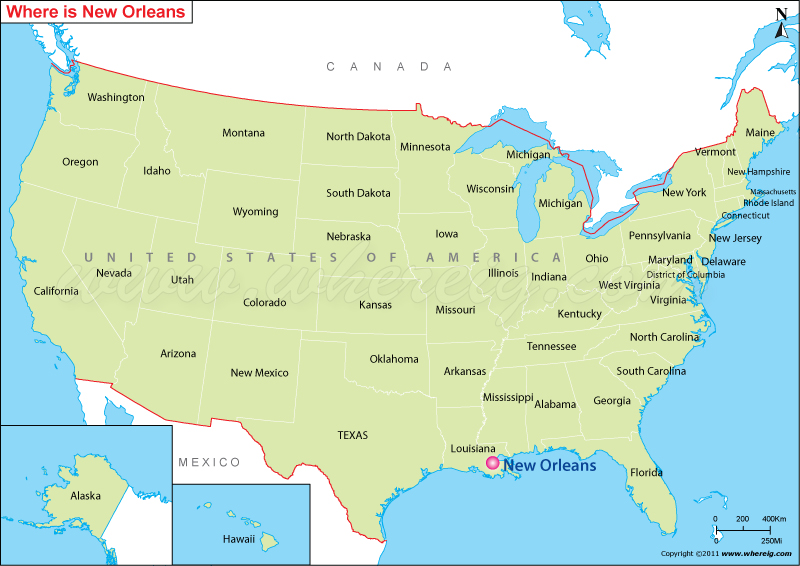
Perched majestically at the mouth of the Mississippi River and cradled by the shimmering waters of the Gulf of Mexico, New Orleans is far more than just a dot on the map of the USA. This vibrant metropolis, often referred to as “The Crescent City” due to the bend in the Mississippi River that shapes its historic core, is located in the southeastern part of Louisiana. Its geographical position has profoundly influenced its rich tapestry of culture, history, and unique identity, setting it apart as a truly singular destination for travelers seeking an experience unlike any other.
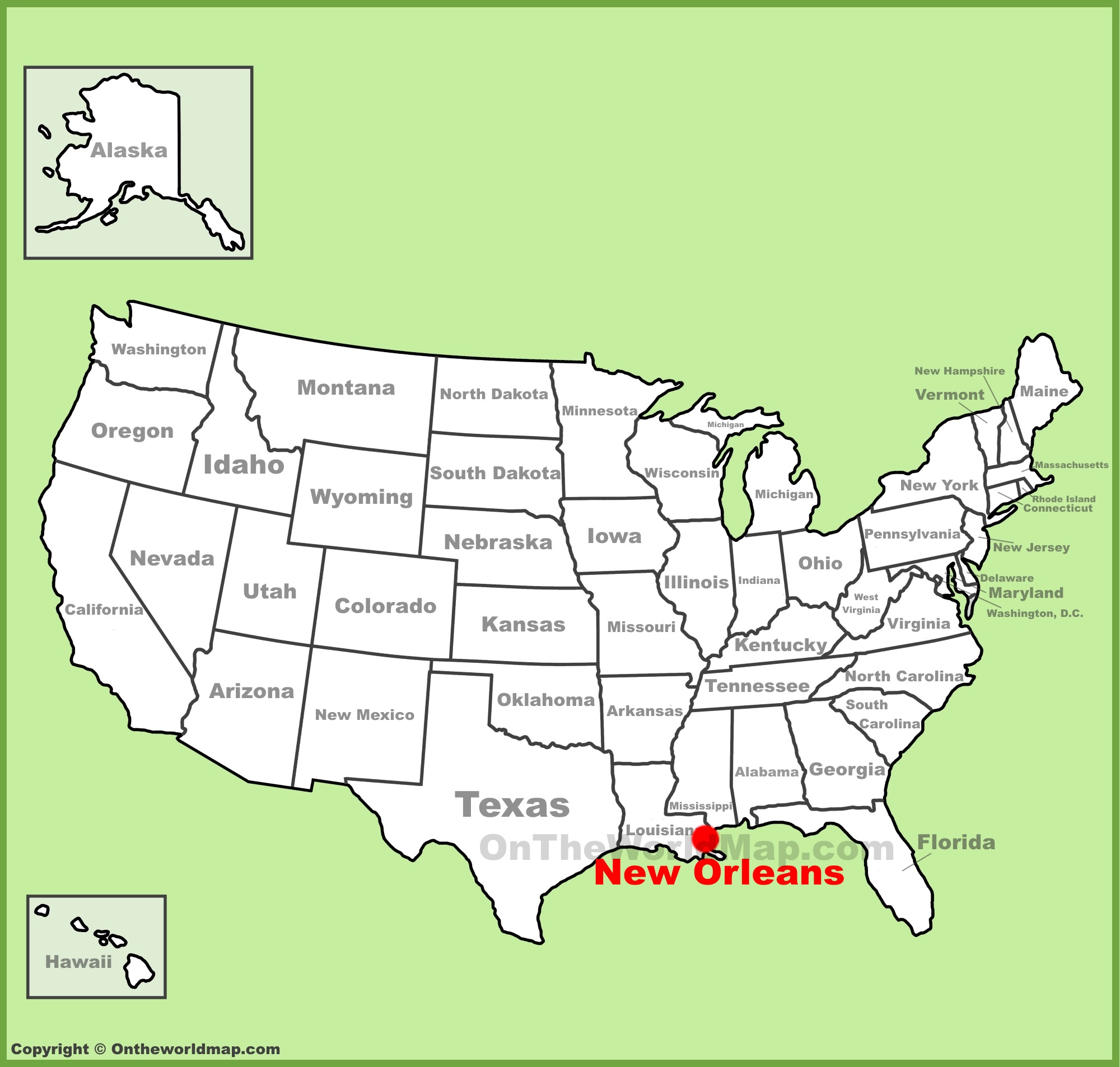
For those planning a journey to this iconic city, understanding its location is merely the first step. New Orleans offers an immersive adventure where history lives in its architecture, music flows through its streets, and culinary traditions tell tales of generations. From its bustling historic districts to its serene garden neighborhoods, and from its world-renowned festivals to its distinctive cuisine, New Orleans promises an unforgettable exploration of local culture, captivating attractions, and diverse accommodation options that cater to every type of traveler.
Pinpointing the Crescent City: New Orleans’ Geographical Significance
The precise location of New Orleans is a fundamental element in understanding its development and enduring allure. Situated approximately 105 miles upriver from the Gulf of Mexico, the city has historically served as a critical port, facilitating trade and cultural exchange for centuries. This strategic position at a major waterway crossroads made it a melting pot from its very inception.
A Strategic Location on the Gulf Coast
New Orleans lies in Orleans Parish, which is coterminous with the city itself. It is flanked by Lake Pontchartrain to the north and the winding Mississippi River to the south and west. This unique geography, much of which lies below sea level and is protected by an intricate system of levees, has shaped the city’s relationship with water, defining both its challenges and its character. Its close proximity to the Gulf of Mexico has also made it vulnerable to hurricanes but has simultaneously enriched its economy through shipping, fishing, and the oil industry.
The city’s location in Louisiana places it within a region celebrated for its distinct Cajun and Creole cultures. While New Orleans itself is predominantly Creole, day trips can easily lead visitors into the heart of Cajun Country, expanding the cultural experience. Its historical ties to France and Spain, alongside significant African influences from the transatlantic slave trade and Caribbean connections, have forged a culture unlike any other in the USA. This blend is evident in everything from its unique dialect to its legal system, architecture, and, most famously, its music and cuisine.
Beyond the Map: New Orleans as a Premier Travel Destination
Beyond its precise coordinates, New Orleans offers an unparalleled travel experience, making it a top destination for those seeking vibrant culture, rich history, and unforgettable memories. The city is a living museum, where every street corner tells a story and every melody beckons you closer.
Immerse Yourself in Iconic New Orleans Attractions and Experiences
A visit to New Orleans is incomplete without exploring its legendary landmarks and participating in its unique activities. The French Quarter, the oldest and most famous neighborhood, is a must-see. Its narrow streets are lined with colorful buildings featuring wrought-iron balconies, housing everything from bustling bars on Bourbon Street to quaint shops and art galleries. Here, you’ll find Jackson Square, a historic park dominated by the magnificent St. Louis Cathedral, a striking example of French Colonial and Spanish Colonial architecture. Don’t miss a stop at Café Du Monde for its famous beignets and café au lait, a quintessential New Orleans experience.
Venturing beyond the French Quarter, the elegant Garden District offers a stark contrast with its grand antebellum mansions and lush greenery. A ride on the historic St. Charles Avenue Streetcar provides a scenic tour of this opulent neighborhood, allowing glimpses into its past and visits to significant sites like Lafayette Cemetery No. 1, one of the city’s oldest and most atmospheric above-ground cemeteries.
For history buffs, the National WWII Museum offers a profound and moving exploration of America’s role in the war. Art enthusiasts will appreciate the collections at the New Orleans Museum of Art, located in the sprawling City Park, which also boasts ancient oak trees and a delightful sculpture garden.
Music is the soul of New Orleans, the birthplace of Jazz. Live music venues abound, especially on Frenchmen Street in the Marigny neighborhood, offering everything from traditional Jazz and Blues to contemporary sounds. The city is also famous for its vibrant festivals, most notably Mardi Gras, an extravagant celebration of parades, costumes, and revelry, and the New Orleans Jazz & Heritage Festival (commonly known as Jazz Fest), a world-class showcase of music, food, and crafts.
Beyond the urban core, river adventures on the historic Steamboat Natchez offer picturesque views of the city skyline and the bustling port. For a taste of Louisiana’s natural beauty, Swamp Tours provide thrilling encounters with alligators and other wildlife in their natural habitat. Exploring the unique local culture also involves delving into the city’s fascinating history of Voodoo, learning about the enduring traditions of its Creole and Cajun heritage, and understanding the resilience that defines its people.

Culinary Delights: A Taste of New Orleans’ Soul
The cuisine of New Orleans is a travel experience in itself, a delectable blend of French, Spanish, African, Caribbean, and Southern American influences. Visitors come from around the globe to savor authentic dishes like hearty Gumbo, spicy Jambalaya, rich Étouffée, and the iconic Po’boys sandwiches. The culinary scene ranges from world-renowned fine dining establishments such as Commander’s Palace and Galatoire’s, which have been serving classic dishes for over a century, to casual eateries and street food vendors offering everything from chargrilled oysters to powdered sugar-dusted Beignets.
The city also boasts a vibrant cocktail culture, home to classic drinks like the Sazerac, America’s oldest cocktail, and the potent Hurricane. Food tours and cooking classes offer deeper insights into the ingredients and techniques that define New Orleans’ legendary culinary traditions, allowing visitors to bring a taste of the city back home with them.
Finding Your Perfect Stay: Accommodation Options in New Orleans
To fully experience the magic of New Orleans, selecting the right accommodation is key. The city offers a diverse array of options, from historic hotels steeped in tradition to modern luxury resorts, ensuring every traveler finds their ideal retreat.
From Boutique Hotels to Luxury Resorts
For those seeking an authentic historical experience, the French Quarter is home to many iconic hotels. The Hotel Monteleone, a literary landmark with its famous Carousel Bar, and the Royal Sonesta Hotel, known for its elegant courtyard and Jazz club, offer a blend of grandeur and local charm. These establishments often feature beautifully preserved architecture, opulent suites, and easy access to the city’s main attractions.
In the more modern Central Business District, visitors will find upscale options like the Ritz-Carlton and the Four Seasons Hotel New Orleans, offering luxurious amenities such as spas, rooftop pools, and world-class dining. These properties often cater to both luxury travel and business stays, providing sophisticated comfort and convenience.
For a more intimate and charming experience, the Garden District and the Marigny neighborhoods boast numerous boutique hotels and charming bed and breakfasts. These accommodations often reside in beautifully restored historic homes, offering personalized service, unique decor, and a quieter, more residential feel. They are perfect for family trips or romantic getaways, providing a cozy base for exploration.
Beyond traditional hotels, New Orleans also offers a selection of apartments and villas, ideal for longer stays or groups. These self-catering options can provide a home-away-from-home experience, often equipped with kitchens and multiple bedrooms, offering greater flexibility and privacy. Whether you’re seeking budget travel friendly hostels or lavish resorts with extensive amenities, it’s advisable to check online booking platforms and read recent reviews to compare options and find the perfect match for your needs and preferences.
Planning Your New Orleans Adventure: Essential Tips and Practicalities
To make the most of your journey to New Orleans, a little planning goes a long way. Understanding the best times to visit and how to navigate the city will enhance your overall experience.
Navigating the City and Beyond
The best time to visit New Orleans is typically during the fall (October to November) or spring (February to May), when the weather is mild and pleasant. Summers can be hot and humid, while hurricane season runs from June to November. If you plan to attend Mardi Gras (which usually falls in February or March), be aware that hotels book up far in advance and prices soar. Similarly, Jazz Fest in late April and early May also draws huge crowds.
Getting around New Orleans is relatively easy. The French Quarter and surrounding areas are highly walkable, allowing visitors to explore its charming streets on foot. The historic streetcars offer an economical and scenic way to travel between neighborhoods like the Garden District and the Central Business District. Ride-sharing services and taxis are also readily available. While generally a safe city, it’s always wise to stay aware of your surroundings, especially at night, and stick to well-lit, populated areas.
For those interested in exploring beyond the city limits, Plantation Tours offer a glimpse into the region’s complex history, often located just an hour’s drive outside of New Orleans. As mentioned earlier, Swamp Tours are another popular excursion, providing an ecological adventure into Louisiana’s unique wetlands. Understanding local etiquette, which often emphasizes hospitality and a laid-back pace, can help visitors integrate more smoothly into the vibrant social fabric of the city.
In conclusion, New Orleans is more than just a pin on the map of the USA. It is a destination brimming with life, a vibrant confluence of cultures, flavors, and sounds nestled along the bend of the Mississippi River. Its strategic location has shaped its unparalleled character, creating a city that captivates and enchants every visitor. From the historic charm of the French Quarter to the culinary masterpieces served in its restaurants and the soulful melodies echoing through its streets, New Orleans invites you to discover its unique rhythm. Whether you seek luxury accommodations, budget-friendly stays, family adventures, or business travel amenities, this iconic city promises a travel experience that lingers long after you’ve departed. Prepare to be immersed in a destination where every moment is a celebration of life.
LifeOutOfTheBox is a participant in the Amazon Services LLC Associates Program, an affiliate advertising program designed to provide a means for sites to earn advertising fees by advertising and linking to Amazon.com. Amazon, the Amazon logo, AmazonSupply, and the AmazonSupply logo are trademarks of Amazon.com, Inc. or its affiliates. As an Amazon Associate we earn affiliate commissions from qualifying purchases.