
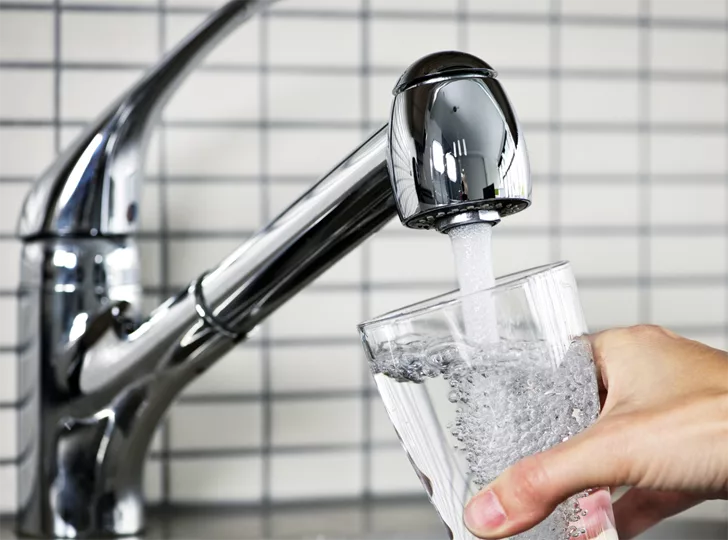
For anyone planning a trip to the bustling metropolis of New York, or even long-term residents, a common and crucial question often arises: Is the tap water safe to drink? The simple and resounding answer is yes, you can absolutely drink water from the tap in New York. In fact, the tap water in New York City is celebrated as some of the best and cleanest municipal water supplies in the entire United States. This isn’t merely a matter of convenience; it’s a point of civic pride, rooted in a meticulously maintained and historically significant water system that delivers exceptional quality straight to your glass.
This comprehensive guide will delve into the remarkable journey of New York’s tap water, from its pristine sources high in the mountains to the rigorous testing protocols that ensure its safety. We’ll explore why New York water has earned its stellar reputation, discuss its unique taste, and offer practical advice for both travelers and residents. Whether you’re staying in a luxurious hotel, exploring iconic landmarks, or settling into a new apartment, understanding the quality of your drinking water is essential for a healthy and enjoyable lifestyle in the Empire State.
The Pristine Source: New York’s Water Legacy
The exceptional quality of New York’s tap water isn’t by chance; it’s the result of an intricate and highly protected water supply system that has been meticulously developed and maintained for over a century. This system is a marvel of engineering and environmental protection, providing over a billion gallons of fresh, clean water daily to millions of people.
A Journey from the Catskills to Your Tap
The vast majority of New York City’s drinking water originates from a sprawling network of reservoirs and controlled watersheds located far Upstate New York, primarily within the Catskill Mountains and Delaware Watershed. This New York City Water Supply System encompasses nineteen reservoirs and three controlled lakes, covering an impressive 2,000-square-mile watershed area. Key reservoirs like the Ashokan Reservoir, Pepacton Reservoir, and Rondout Reservoir play critical roles in collecting and storing this precious resource.
What makes this system particularly unique and commendable is the natural purity of its sources. The watershed lands are largely undeveloped and protected, acting as a natural filtration system. As rainwater and snowmelt make their way through forests and wetlands, they are naturally filtered by soil and vegetation before reaching the reservoirs. This natural process significantly reduces the need for extensive chemical treatment, unlike many other major metropolitan areas that rely heavily on chemical filtration. The water travels by gravity through aqueducts, requiring minimal pumping and reducing energy consumption, a testament to sustainable infrastructure. This “source protection” strategy is a cornerstone of New York’s water quality, setting it apart from cities that must treat heavily polluted river water.
Rigorous Testing and Quality Assurance
While the natural purity of the source water is a significant advantage, it’s the diligent oversight and rigorous testing that truly guarantee its safety. The New York City Department of Environmental Protection (NYCDEP) is the agency responsible for safeguarding this vital resource. The NYCDEP conducts an astounding number of tests daily, weekly, monthly, and annually, collecting thousands of water samples from various points within the system. These samples are analyzed for a vast array of potential contaminants, including bacteria, viruses, chemicals, and heavy metals.
The standards followed are those set by the Environmental Protection Agency (EPA), considered some of the strictest in the world. Reports on water quality are regularly published and made available to the public, offering full transparency and accountability. This continuous monitoring, from the protected watersheds to the furthest taps in NYC, ensures that any potential issues are identified and addressed swiftly. For residents and visitors, this means unparalleled peace of mind; the water flowing from the tap has undergone more scrutiny and testing than most bottled waters on the market. This commitment to quality is a major draw for tourism and a point of pride for the state.
Beyond Safety: Taste, Texture, and Traveler Tips
Beyond merely being safe, New York’s tap water is often lauded for its distinct taste and quality, a characteristic that many locals swear by. For travelers, understanding this quality translates into practical and sustainable choices during their visit.
The Distinctive Taste of New York Water
The taste of New York City tap water is frequently described as exceptionally clean, crisp, and refreshing. Many attribute this unique flavor profile to its mountain origins and minimal chemical treatment. It’s often considered “soft” water, meaning it has a low concentration of mineral ions, which contributes to its smooth mouthfeel. This stands in contrast to “hard” water found in many other regions, which can taste chalky or metallic due to higher mineral content. The slight chlorination, necessary for disinfection, is typically subtle and rarely affects the taste significantly for most people.
While the vast majority of New York State enjoys excellent water, variations can occur. For instance, areas on Long Island often draw water from underground aquifers rather than the Catskill system, which can have a different mineral composition and, consequently, a different taste. However, for those within the New York City service area, the consistency of high-quality, great-tasting water is a given. It’s not uncommon to hear lifelong New Yorkers express a strong preference for their tap water over any bottled alternative, often stating they can “taste the difference.” This appreciation for local water quality is a subtle but significant part of the New York lifestyle.
Practical Advice for Visitors and Residents

Harnessing the reliability of New York’s tap water offers numerous benefits, especially for travelers navigating the city’s vibrant streets and for residents looking to adopt a more sustainable way of life.
For Travelers: When exploring New York City’s iconic attractions like Central Park, the Empire State Building, or wandering through the energetic crowds of Times Square, staying hydrated is key. Carrying a reusable water bottle is highly recommended. Many public spaces, including parks, museums like the Museum of Modern Art, and even subway stations, are increasingly offering public water fountains or refill stations, making it incredibly easy and free to replenish your supply. This practice not only saves money you’d otherwise spend on bottled water but also aligns with eco-conscious travel initiatives. Think of the convenience of refilling your bottle after a walk across the Brooklyn Bridge or after visiting the Statue of Liberty.
In Hotels & Accommodation: Whether you’re staying in a budget-friendly hotel or indulging in a luxurious stay at The Plaza Hotel or the Marriott Marquis, you can confidently drink the tap water in your room. Reputable hotels in New York receive their water from the same municipal supply. While some high-end luxury resorts or boutique hotels might offer complimentary bottled water as an amenity, this is typically for convenience or a touch of luxury, not due to concerns about tap water safety. If you have any doubts or prefer a colder option, simply ask the hotel staff; they can often provide ice or guide you to filtered water stations.
Environmental Impact: Opting for tap water significantly reduces plastic waste. The sheer volume of single-use plastic bottles consumed globally has a devastating impact on our environment. By choosing to drink New York’s excellent tap water, you contribute to a more sustainable planet, aligning with responsible tourism and a mindful lifestyle. It’s a small change with a large collective impact.
Addressing Concerns: When to Be Cautious
While New York’s municipal water supply is undeniably safe and high-quality, certain factors can occasionally influence the water at the point of delivery, primarily related to individual building plumbing. Understanding these nuances can help address any lingering concerns.
The Role of Building Plumbing
The most common factor that might affect the quality or taste of tap water, despite an impeccable municipal supply, is the age and condition of a building’s internal plumbing. In an old city like New York, many structures, particularly historic Brownstone buildings and older apartment complexes, can have plumbing systems that date back decades.
Lead Pipes: A primary concern in older buildings globally is the presence of lead service lines or lead solder in internal plumbing. While New York City has been proactive in replacing lead service lines, and the overall prevalence is lower than in some other major cities, it’s not entirely absent in some older private plumbing. The NYCDEP regularly tests for lead, and the city also treats water to make it less corrosive, thereby reducing the leaching of lead from pipes. However, if you live in a very old building, especially one where the water has sat in the pipes for several hours (e.g., overnight or while you’re at work), it’s a good practice to flush your tap for 30 seconds to two minutes before drinking or cooking with it. This simple action clears out any water that may have been stagnant and potentially absorbed lead from older internal plumbing. Building owners and landlords in New York are often responsible for maintaining their internal plumbing and should be able to provide information on their building’s water quality.
Other Plumbing Issues: Beyond lead, old pipes can sometimes introduce rust or sediment, affecting the water’s appearance or taste, though usually not its safety. These issues are typically localized to specific apartments or buildings and are the responsibility of the building management to address. If you notice persistent discoloration or an unusual taste, it’s always wise to inform your landlord or hotel management.
Personal Preference and Filtration Options
Despite the high quality of New York’s tap water, some individuals may still prefer to filter their water for personal reasons. This is often driven by a desire for a different taste, a habit from living in areas with less reliable water, or simply an added layer of psychological reassurance.
Common Household Filters: For those who prefer an extra step, readily available filtration systems are an excellent option. Pitcher filters like Brita or Pur, faucet-mounted filters, or even whole-house filtration systems can further enhance the water. These filters are primarily designed to remove residual chlorine, sediment, and sometimes trace amounts of certain organic compounds, which can subtly alter taste or odor. In the context of New York City tap water, such filtration is generally for taste improvement and peace of mind rather than a critical safety measure. It’s important to change filters regularly as per manufacturer guidelines to ensure they remain effective and don’t become breeding grounds for bacteria themselves.
For most visitors and residents, the peace of mind offered by the municipal system’s robust testing and natural sourcing is more than sufficient. However, these filtration options provide a customizable approach for those with specific preferences, seamlessly integrating with various lifestyles and accommodation setups.

Conclusion
In conclusion, the answer to “Can you drink water from tap in New York?” is a definitive and enthusiastic yes. New York City’s tap water is not only safe but is renowned globally for its exceptional quality, purity, and taste. Rooted in a naturally protected watershed system in the Catskill Mountains and rigorously monitored by the NYCDEP, it represents a shining example of public health and environmental stewardship.
For travelers, embracing New York’s tap water by carrying a reusable bottle is an excellent way to stay hydrated, save money, and make a positive environmental impact as you explore the city’s countless landmarks and attractions. For residents, it’s a daily luxury that often goes unappreciated. While minor concerns related to older building plumbing can occasionally arise, simple precautions like flushing your tap can easily mitigate them.
So, whether you’re enjoying a stay at a vibrant hotel, immersing yourself in New York’s rich tourism scene, or simply going about your daily life, rest assured that the water flowing from your tap is a testament to the city’s commitment to quality and well-being. Drink up and enjoy one of New York’s most fundamental and finest amenities!
LifeOutOfTheBox is a participant in the Amazon Services LLC Associates Program, an affiliate advertising program designed to provide a means for sites to earn advertising fees by advertising and linking to Amazon.com. Amazon, the Amazon logo, AmazonSupply, and the AmazonSupply logo are trademarks of Amazon.com, Inc. or its affiliates. As an Amazon Associate we earn affiliate commissions from qualifying purchases.