
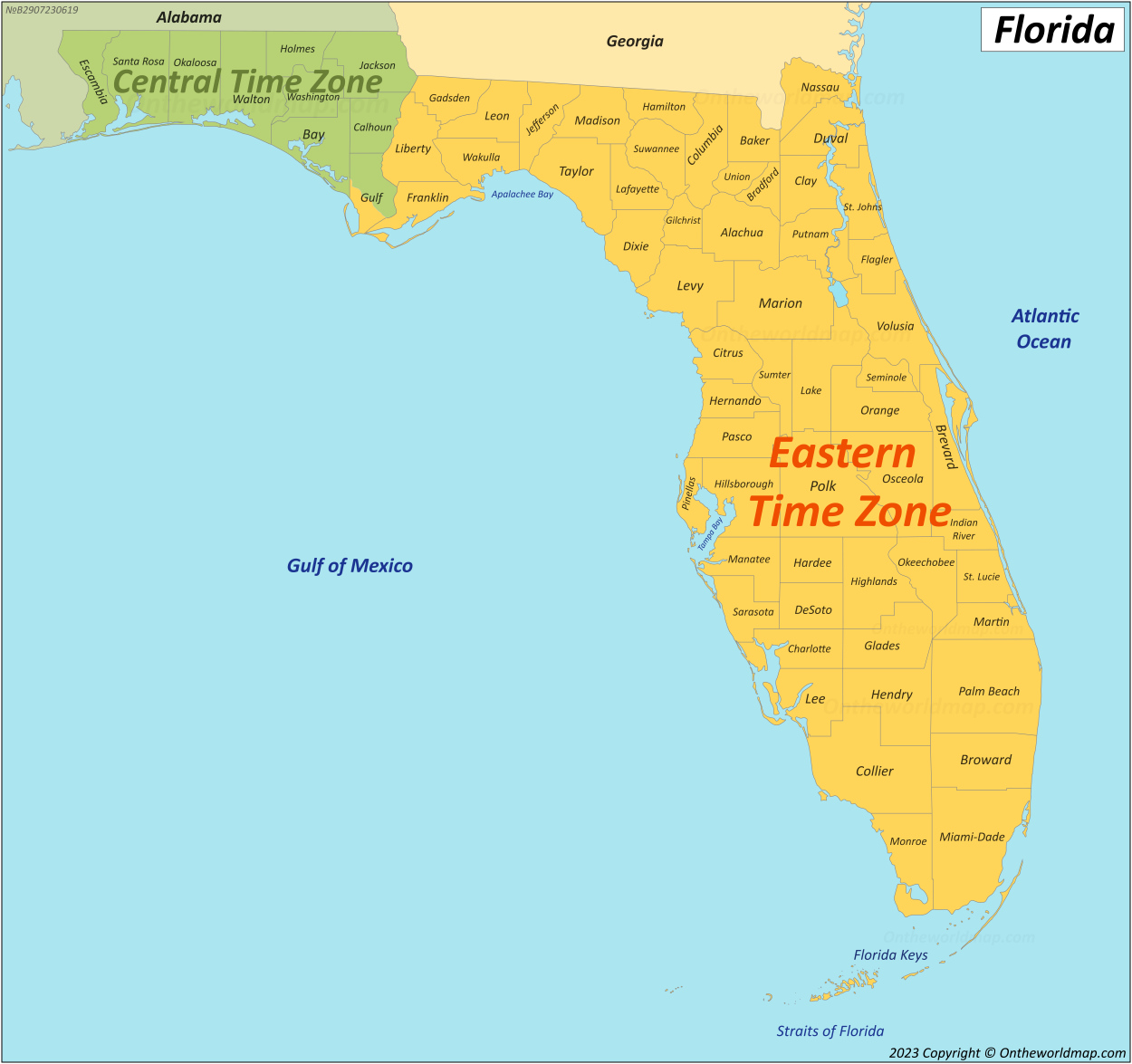
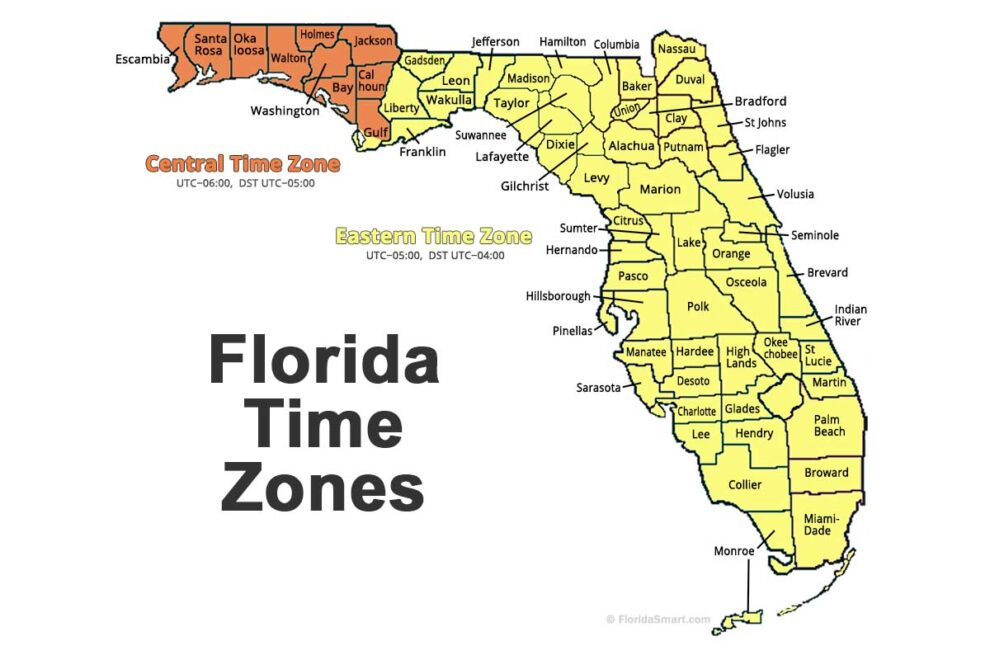
Planning a trip to a vibrant, sun-drenched destination like Miami involves more than just booking flights and selecting the perfect resort. A crucial, yet often overlooked, detail that can significantly impact your travel experience is understanding the local time zone. For those setting their sights on the Magic City, a common question arises: “What time zone is Miami in?” The answer is straightforward: Miami, Florida, observes the Eastern Time Zone, alternating between Eastern Standard Time (EST) and Eastern Daylight Time (EDT) throughout the year.
This seemingly simple fact holds a cascade of implications for travelers, influencing everything from flight schedules and hotel check-ins to the timing of your visits to iconic landmarks and enjoying the city’s renowned nightlife. Whether you’re a leisure traveler seeking relaxation on South Beach, a business traveler attending conferences in the downtown area, or an adventurer eager to explore the Everglades National Park, a clear grasp of Miami’s time zone will empower you to plan a seamless and enriching journey. This guide will delve into the specifics of Miami’s time zone, its practical implications for various types of travelers, and how to optimize your itinerary to fully embrace the allure of this dynamic destination.
Understanding Miami’s Time Zone: EST/EDT
The Eastern Time Zone is one of the most populous time zones in the United States and Canada, encompassing major cities like New York City, Washington D.C., and Orlando, in addition to Miami. This shared time zone is a significant convenience for domestic travelers, but for those arriving from further afield, understanding its nuances is key.
The Basics: Eastern Standard Time and Eastern Daylight Time
During roughly half the year, from early November to mid-March, Miami operates on Eastern Standard Time (EST). This means the local time is UTC-5 (Coordinated Universal Time minus five hours). This period generally coincides with the cooler, drier months, which are often considered peak tourist season in South Florida due to its pleasant weather. Travelers arriving during this time will find long, comfortable days ideal for beach activities, outdoor dining, and exploring the city’s myriad attractions.
From mid-March to early November, Miami switches to Eastern Daylight Time (EDT). During EDT, the clocks are advanced by one hour, making the local time UTC-4. The primary purpose of Daylight Saving Time is to make better use of natural daylight, pushing an hour of daylight from the morning into the evening. This shift is particularly noticeable in the long summer days, offering extended hours of sunlight for evening strolls along Ocean Drive, sunset cruises on Biscayne Bay, and enjoying al fresco dining under the stars.
The Impact of Daylight Saving Time
The transition between EST and EDT can sometimes catch travelers off guard. On the second Sunday in March, clocks “spring forward” one hour, meaning you lose an hour of sleep or an hour of your travel day if you’re in Miami during the change. Conversely, on the first Sunday in November, clocks “fall back” one hour, granting an extra hour but also signaling the end of the longer daylight evenings.
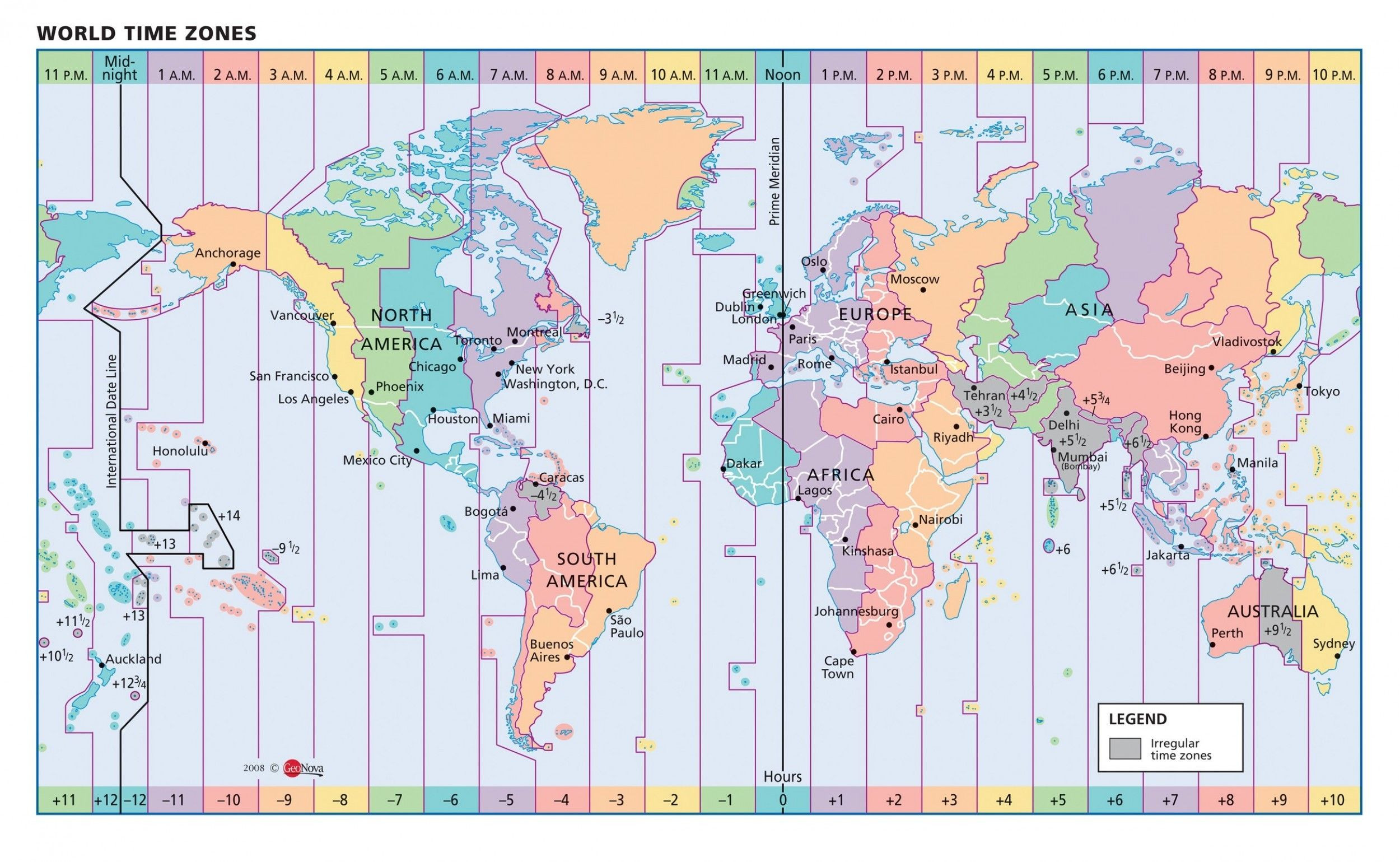
For international travelers, especially those arriving from continents like Europe, Asia, or Australia, this shift can add an extra layer to the challenge of managing jet lag. For instance, if you’re arriving from London, which observes Greenwich Mean Time (GMT) or British Summer Time (BST), the time difference will be five hours during EST and six hours during EDT. Always double-check the current time in Miami relative to your departure city to avoid any scheduling mishaps.
Navigating Time Zones as a Miami Traveler
Understanding Miami’s time zone is not merely an academic exercise; it’s a practical necessity that underpins the success of your entire trip. From the moment you book your flight to the last souvenir you purchase, time zone awareness will be your invaluable companion.
Planning Your Itinerary: Flights, Check-ins, and Reservations
The single most critical aspect influenced by time zones is travel logistics. Flight arrival and departure times are always listed in local time, so ensure you convert accurately if you’re flying in from a different time zone. A flight departing Los Angeles (Pacific Time, UTC-8) at 9:00 AM will land in Miami (Eastern Time, UTC-5) at approximately 5:00 PM, assuming a 5-hour flight duration. This 3-hour time difference means you effectively “lose” 3 hours of your day upon arrival. This calculation is crucial for connecting flights, airport transfers, and making it to your accommodation at a reasonable hour.
Hotel check-in and check-out times are strictly observed according to local Miami time. Most hotels, from budget-friendly options to luxury resorts like The Setai Miami Beach or Fontainebleau Miami Beach, typically have a 3:00 PM check-in and an 11:00 AM or 12:00 PM check-out. If your flight arrives early in the morning, consider booking an extra night or contacting your hotel in advance to arrange an early check-in, often subject to availability and a fee. The same applies to late departures; a late check-out can provide valuable extra hours to relax before heading to the airport. Restaurants, tours, and attraction bookings also adhere to local time, so confirm all reservation times meticulously to avoid missing out on planned experiences.
Beating Jet Lag: Tips for a Seamless Miami Experience
For those crossing multiple time zones, jet lag can be a real impediment to enjoying your Miami vacation. The shift to Eastern Time can disrupt your internal body clock, leading to fatigue, irritability, and difficulty sleeping. However, with a few proactive strategies, you can minimize its impact:
- Adjust Before You Go: A few days before your trip, gradually shift your sleep schedule by an hour or two in the direction of Miami’s time zone.
- Stay Hydrated: Drink plenty of water before, during, and after your flight to combat dehydration, which can worsen jet lag symptoms.
- Adjust Immediately: Once you land, try to adapt to Miami time as quickly as possible. Eat meals at local times and expose yourself to natural sunlight, especially in the mornings, to help reset your circadian rhythm.
- Limit Caffeine and Alcohol: While tempting, these can interfere with your sleep patterns and exacerbate jet lag.
- Strategic Naps: If you must nap, keep it short (20-30 minutes) and avoid napping too close to bedtime.
- Choose the Right Accommodation: Many hotels, particularly luxury ones like the Mandarin Oriental Miami or the Faena Hotel Miami Beach, offer amenities like blackout curtains, soundproofing, and even spa treatments designed to promote relaxation and combat fatigue, helping you adjust to the new time zone more comfortably.
Miami Through the Hours: Tourism, Attractions, and Local Life
Miami’s vibrant culture and diverse attractions come alive at different times of the day, all governed by the Eastern Time Zone. Understanding this rhythm allows you to plan your sightseeing and activities effectively, maximizing your enjoyment of local culture, food, and experiences.
Making the Most of Miami’s Daylight Hours
Miami is synonymous with sunshine, and its daylight hours are packed with opportunities for exploration and relaxation. During EDT months, the sun rises early, often around 6:30 AM, and sets much later, sometimes past 8:00 PM, providing ample time for outdoor adventures. Even during EST, daylight hours are generous compared to more northern latitudes.
Start your day early with a stroll or bike ride along South Beach or a visit to the iconic Art Deco Historic District, where the morning light beautifully illuminates the pastel buildings. Attractions like Vizcaya Museum & Gardens open around 9:30 AM or 10:00 AM, allowing for several hours of exploration before the afternoon heat peaks. A boat tour of Biscayne Bay or a trip to Key Biscayne are perfect daytime activities, offering stunning waterfront views. For a taste of Cuba in Miami, head to Little Havana for lunch and live music, where shops and restaurants typically open by mid-morning. Even the vibrant street art of Wynwood Walls and the high-end boutiques of the Design District are best enjoyed during daylight hours.
Evening Experiences and Nightlife
As the sun dips below the horizon in the Eastern Time Zone, Miami transforms into a glittering hub of evening entertainment. The longer daylight hours of EDT mean that sunset often occurs late enough to enjoy a relaxed dinner before the darker hours set in, perfect for families and those who prefer an early night.
Dining experiences range from casual eateries to world-class restaurants, many of which begin dinner service around 6:00 PM or 7:00 PM. A walk along Bayside Marketplace offers live music and waterside dining, while South Beach pulsates with energy, its clubs and bars coming alive typically after 10:00 PM and continuing into the early morning hours. Consider a sunset cruise for breathtaking views of the Miami skyline, or catch a live performance at the Adrienne Arsht Center for the Performing Arts. For those venturing to the Everglades National Park, remember that evening tours or airboat rides will still operate on Miami’s time, so plan your return journey accordingly.
Accommodating Your Stay: Hotels and Time Zone Considerations
Your choice of accommodation and how you manage your stay are intrinsically linked to Miami’s time zone. Whether you’re seeking luxury, budget-friendly options, or extended stays, time zone awareness helps optimize your experience.
Choosing Your Miami Accommodation Wisely
When booking hotels, suites, resorts, apartments, or villas in Miami, remember that arrival and departure dates are always based on the local calendar and clock. If you arrive from Tokyo, for example, where the time difference is 13 hours during EST, what feels like morning to you might be late evening in Miami. This could mean arriving too late for dinner service or too early for your room to be ready.
Many luxury accommodations, such as the Ritz-Carlton South Beach or Loews Miami Beach Hotel, offer 24-hour concierge services, which can be a lifesaver for travelers arriving at odd hours. If you’re planning a long-term stay in an apartment or villa, coordinating key collection or entry times will be crucial, often requiring direct communication with property managers in Miami time. Always confirm these details well in advance, especially if your travel schedule is complex or involves significant time zone changes. Reading reviews and comparing amenities related to traveler comfort (e.g., quiet rooms, good breakfast hours) can be particularly helpful for mitigating the effects of time changes.
Business Travel and Time Zone Management
For business travelers heading to Miami, time zone management is paramount. Miami’s position as a gateway to Latin America and the Caribbean means business deals often span multiple time zones. If you’re conducting meetings with partners in Mexico City (Central Time, UTC-6), São Paulo (Brazilia Time, UTC-3), or Europe, precise scheduling is critical.
Booking accommodations that cater to business travelers, such as hotels with reliable high-speed internet, 24-hour business centers, and executive lounges, is essential. Hotels like the Hyatt Regency Miami or the InterContinental Miami are well-equipped to support business needs. Remember to factor in potential time differences when scheduling virtual calls or sending important emails. An email sent at 5:00 PM Miami time might be received at midnight in London, affecting response times. Many business travelers create a “time zone cheat sheet” for their common contacts to streamline communication. The goal is to maximize productivity during your business stay while also allowing time to experience the unique lifestyle Miami offers.
Beyond the Clock: Miami’s Irresistible Appeal
While the practicalities of time zones are important, they merely provide the framework for experiencing the rich tapestry that is Miami. From its stunning natural beauty to its vibrant cultural heartbeat, the city offers an unparalleled blend of relaxation, adventure, and sophistication. The consistent sunshine, warm waters of the Atlantic Ocean, and diverse neighborhoods create an environment where every hour on the Eastern Time Zone clock can be filled with memorable moments.
Whether you’re indulging in luxury travel experiences at a five-star resort in Miami Beach, exploring the budget-friendly culinary delights of Little Havana, embarking on a family trip to the Miami Zoo, or attending a critical business conference, understanding Miami’s time zone ensures that your schedule aligns with your aspirations. It allows you to synchronize with the city’s rhythm, ensuring you don’t miss that breathtaking sunrise over the ocean or that late-night salsa lesson. Ultimately, Miami’s time zone is just one small piece of the puzzle, but a crucial one that helps unlock the full potential of your visit to this incredible destination. With careful planning and an awareness of the clock, you’re well on your way to creating unforgettable memories in the Sunshine State.
LifeOutOfTheBox is a participant in the Amazon Services LLC Associates Program, an affiliate advertising program designed to provide a means for sites to earn advertising fees by advertising and linking to Amazon.com. Amazon, the Amazon logo, AmazonSupply, and the AmazonSupply logo are trademarks of Amazon.com, Inc. or its affiliates. As an Amazon Associate we earn affiliate commissions from qualifying purchases.