
Embarking on a transatlantic journey from the historic streets of London to the bustling metropolis of New York is an experience many travelers dream of. Whether you’re planning a business trip, a family vacation, or a solo adventure, one of the most common and crucial questions that arises during the planning phase is: “How long is the flight?” While a direct answer might seem simple, the actual duration can vary due to a fascinating array of factors, transforming a straightforward query into an exploration of aeronautical science, global logistics, and travel planning.
The journey connecting Europe and North America across the vast Atlantic Ocean is a modern marvel. For centuries, such a voyage would take weeks or even months by sea. Today, advanced aviation technology has compressed this immense distance into a matter of hours, making international travel more accessible than ever before. This comprehensive guide will delve into the average flight times, the variables that can influence your journey, the major airports and airlines facilitating this popular route, and offer valuable tips to ensure your transatlantic experience is as smooth and enjoyable as possible. Understanding these nuances not only helps in managing expectations but also in optimizing your travel plans, from booking the best flights to preparing for arrival in a different time zone.
The Average Flight Duration: Getting from London to New York
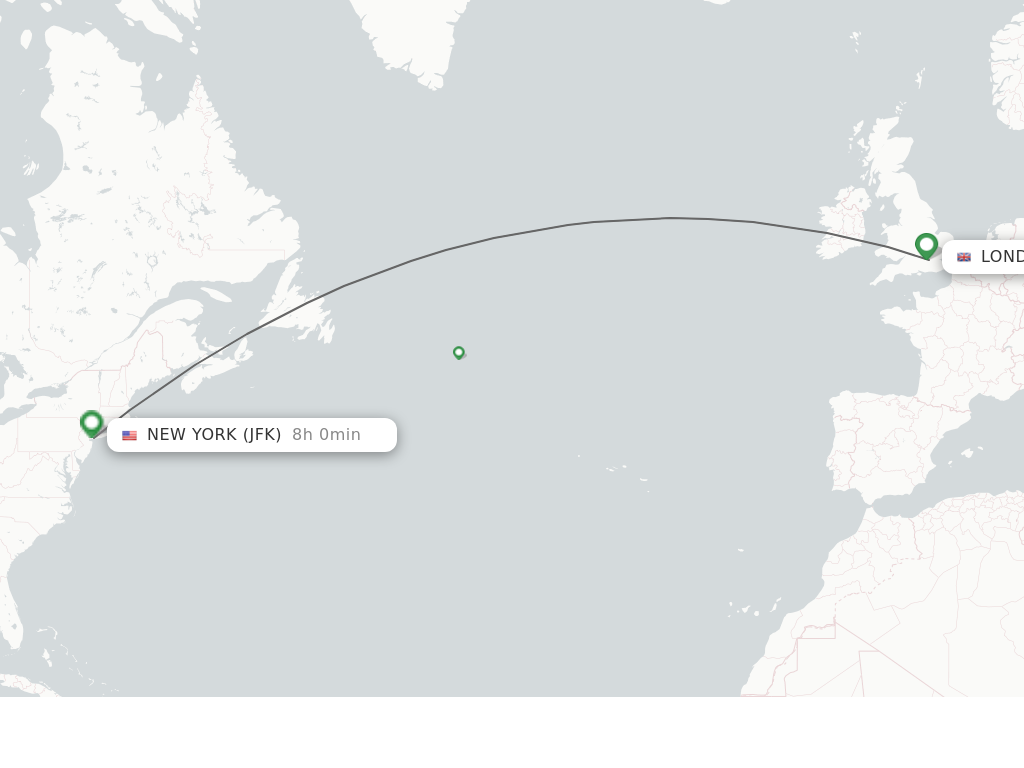
For a direct, non-stop flight from London, United Kingdom to New York, United States, you can generally expect the flight time to range between 7 to 8 hours. This is the most frequently quoted duration for this popular route, representing the actual air travel time without considering ground delays or gate-to-gate taxiing.
It’s important to note that this average duration is for flights traveling westward. Flights departing from London and heading towards New York typically take longer than eastbound flights returning from New York to London. The reason for this difference lies primarily in the powerful atmospheric phenomenon known as the jet stream, which we will explore in more detail shortly. While the precise minute-by-minute duration will fluctuate, travelers can confidently budget approximately eight hours of in-air time for their journey across the Atlantic. This relatively short flight time, considering the immense distance covered, is a testament to the efficiency and speed of modern commercial aircraft.
What to Expect on a Typical Transatlantic Flight
A flight of this duration typically covers approximately 3,450 miles (around 5,550 kilometers) depending on the specific flight path. Passengers can anticipate a full-service experience on most major airlines operating this route. This usually includes at least one hot meal, often two depending on the exact flight time, a selection of beverages, and a wide array of in-flight entertainment options such as movies, TV shows, music, and games. Many airlines now offer Wi-Fi access, though often for a fee, allowing travelers to stay connected throughout their journey. The comfort level can vary significantly based on the class of travel, with Economy offering standard seating, Premium Economy providing more legroom and enhanced services, and Business or First Class delivering luxurious amenities, lie-flat beds, and gourmet dining for a truly elevated lifestyle travel experience. Regardless of your chosen class, the flight is designed to transport you comfortably and efficiently from one global hub to another.
Factors Influencing Flight Duration from London to New York
While the 7 to 8-hour window provides a good baseline, several dynamic factors can influence the exact flight time. Understanding these variables can help travelers appreciate the complexities of modern air travel and potentially even make more informed decisions when booking.
The Impact of the Jet Stream
The most significant factor affecting transatlantic flight times is the jet stream. These are fast-flowing, narrow air currents found in the atmospheres of planets, including Earth. On Earth, the polar jet stream and the subtropical jet stream are the most significant. For flights between London and New York, the North Atlantic jet stream plays a crucial role.
- Westbound Flights (London to New York): When flying westward, aircraft often have to fly against the jet stream. This acts as a powerful headwind, effectively slowing the plane down relative to the ground and increasing the flight duration. A strong headwind can add anywhere from 30 minutes to over an hour to the journey.
- Eastbound Flights (New York to London): Conversely, when flying eastward, aircraft can often ride with the jet stream. This acts as a strong tailwind, boosting the plane’s ground speed and reducing the flight duration. It’s not uncommon for an eastbound flight to be 1 to 2 hours shorter than its westbound counterpart, sometimes taking as little as 6 to 7 hours. This is why if you look at flight schedules, the return leg is almost always quicker.
Airlines meticulously plan their flight paths to either utilize or mitigate the effects of the jet stream, choosing routes that balance fuel efficiency, passenger comfort, and scheduled arrival times.
Aircraft Type and Speed
The type of aircraft used also plays a role in flight duration, albeit a less dramatic one than the jet stream. While modern commercial airliners generally cruise at similar speeds, there are subtle differences:
- Modern Wide-Body Jets: Most transatlantic flights utilize wide-body aircraft like the Boeing 747, Boeing 777, Boeing 787 Dreamliner, Airbus A330, Airbus A350, or Airbus A380. These planes are designed for long-haul efficiency and comfort. While their cruising speeds are all in a similar range (typically Mach 0.80 to 0.86, or about 490-530 knots / 900-980 km/h), minor differences in engine performance, aerodynamic design, and optimal cruising altitudes can lead to slight variations in flight time.
- Historical Context: In the past, the supersonic Concorde could complete the journey in a breathtaking 3.5 hours. However, commercial supersonic passenger flights are no longer in operation, making today’s subsonic flight times the standard.
Flight Path and Air Traffic Control
The shortest distance between two points on a sphere is a great circle route. However, commercial flights rarely follow a perfect great circle. Several factors influence the actual flight path:
- Air Traffic Control (ATC): The skies over the Atlantic Ocean are highly regulated, especially within the North Atlantic Treaty Organization (NATO) airspace. ATC directs planes along specific corridors, known as the North Atlantic Tracks (NATs), to ensure safe separation and efficient flow. These tracks change daily based on weather patterns (especially the jet stream) and traffic volume. A less direct route due to ATC instructions can add minutes to the flight.
- Weather Diversions: While the jet stream is the primary weather factor, other phenomena like thunderstorms or turbulence can cause pilots to deviate from their planned route, extending the flight.
- Fuel Efficiency: Airlines might choose slightly longer routes if it means flying at a more fuel-efficient altitude or avoiding stronger headwinds, which ultimately saves operational costs.
Ground Delays and Taxiing
While not part of the “flight duration” in terms of air travel, the overall journey time can be significantly impacted by ground operations.
- Taxiing: Large international airports like Heathrow or JFK often involve long taxi times to and from the gate, especially during peak hours. This can add 15-30 minutes to the overall gate-to-gate experience.
- Air Traffic Congestion: Takeoff and landing slots are tightly managed. Delays in air traffic control, runway congestion, or unexpected events can lead to holds on the ground or in the air, extending the total time spent at the airport and in transit.
These factors, when combined, demonstrate why a precise, immutable flight duration is elusive and why airlines provide estimated times that account for these variables.
Major Airports and Airlines on the London-New York Route
The popularity of the London to New York route means it is exceptionally well-served by numerous airlines operating out of major international airports on both sides of the Atlantic. This high volume of service provides travelers with a wide range of choices in terms of departure times, airline preferences, and price points, catering to various travel styles from budget travel to luxury travel.
Departing from London: Key Airports

London is served by several major airports, but the transatlantic flights to New York primarily depart from two:
- Heathrow Airport (LHR): As the busiest airport in the United Kingdom and one of the busiest in the world, Heathrow is the primary hub for flights to New York. It offers the widest selection of airlines and flight times, making it a popular choice for both business and leisure travelers. Its extensive amenities, from luxury lounges to diverse dining options, contribute to a seamless travel experience.
- Gatwick Airport (LGW): Gatwick is London’s second-largest airport and also operates direct flights to New York, often providing competitive pricing. While slightly further from central London than Heathrow, it offers good transport links and a range of facilities.
- Other London Airports: While less common for direct transatlantic routes, London City Airport (LCY), Luton Airport (LTN), and Stansted Airport (STN) primarily serve short-haul European destinations or offer connecting flights for transatlantic journeys.
Arriving in New York: Gateway Airports
Upon arrival, most international flights from London will land at one of New York’s three major airports:
- John F. Kennedy International Airport (JFK): JFK is the busiest international airport serving New York City and is the most common destination for flights from London. Located in Queens, it offers extensive ground transportation options to Manhattan and beyond, from the AirTrain to taxis and ride-shares. Its numerous terminals are equipped with a vast array of services and amenities.
- Newark Liberty International Airport (EWR): Located in Newark, New Jersey, just across the Hudson River from Manhattan, EWR is another major hub for transatlantic flights. It offers convenient access to New York City via NJ Transit trains, which connect directly to Penn Station in Manhattan.
- LaGuardia Airport (LGA): Primarily serving domestic routes, LaGuardia typically does not host direct international flights from London. If your itinerary shows LGA, it will involve a connection within the United States.
Leading Airlines on the Route
Many world-class airlines operate daily, sometimes multiple daily, direct flights between London and New York. These include:
- British Airways: As the flag carrier of the United Kingdom, British Airways offers a premium service with a wide range of cabins, primarily operating from Heathrow to JFK and EWR.
- Virgin Atlantic: Known for its vibrant service and modern fleet, Virgin Atlantic also operates extensively on this route, mainly from Heathrow and Gatwick to JFK and EWR.
- American Airlines: A major U.S. carrier, American Airlines has a strong presence, often in partnership with British Airways as part of the Oneworld alliance.
- Delta Air Lines: Another prominent U.S. airline, Delta frequently flies this route, often in partnership with Virgin Atlantic.
- United Airlines: Operating out of Newark Liberty International Airport (EWR), United Airlines offers numerous daily flights to London Heathrow.
- Other Airlines: Lufthansa, Air France, KLM, Aer Lingus, and others also offer flights between the two cities, though these may involve layovers.
When booking your flight, comparing options across these airlines and airports can yield better deals or more convenient schedules, enhancing your overall travel experience.
Preparing for Your Transatlantic Journey: Tips for a Smooth Trip
A transatlantic flight, even a relatively short one like London to New York, requires some preparation to ensure maximum comfort and a smooth transition. From managing your time to dealing with potential jet lag, a little foresight can significantly enhance your travel experience and help you quickly immerse yourself in the local culture and activities upon arrival.
Booking Your Flight and Managing Expectations
- Flexibility is Key: If your travel dates are flexible, you might find better deals and more convenient flight times. Mid-week flights (Tuesday-Thursday) are often cheaper and less crowded than weekend travel. Consider flying during the off-season if possible.
- Direct vs. Connecting Flights: While this article focuses on direct flights, connecting flights can sometimes be cheaper. However, they will significantly extend your overall journey time, often adding 4-8 hours or more depending on the layover duration and location. For the London to New York route, direct flights are plentiful and usually worth the slight premium for convenience.
- Check Arrival/Departure Times: Always account for the full gate-to-gate time when planning ground transportation and appointments. Remember the time difference: New York is 5 hours behind London during standard time, and 5 hours behind during daylight saving time (though the precise shift dates can differ slightly). So, a 7-hour flight departing London at 1 PM GMT would arrive in New York around 3 PM EST the same calendar day.
Comfort and Amenities Onboard
To make your 7-8 hour flight as comfortable as possible:
- Stay Hydrated: The cabin air can be very dry. Drink plenty of water and avoid excessive alcohol and caffeine, which can contribute to dehydration and worsen jet lag.
- Dress Comfortably: Wear loose, layered clothing. Cabin temperatures can fluctuate, and layers allow you to adjust.
- Move Around: To prevent stiffness and reduce the risk of deep vein thrombosis (DVT), get up and walk around the cabin periodically, or do simple stretches in your seat.
- Bring Entertainment: While airlines offer in-flight entertainment, having your own loaded tablet, e-reader, or book can provide a welcome alternative. Don’t forget noise-canceling headphones for peace and quiet.
- Pack Essentials in Carry-on: Keep items like medications, a change of clothes, toiletries, and any important documents readily accessible in your carry-on luggage. A travel pillow, eye mask, and earplugs can also be invaluable for rest.
- Consider Upgrades: If your budget allows, a premium economy, business, or first-class seat can significantly enhance comfort with more space, better food, and superior service, turning the journey into a luxury travel experience.
Beating Jet Lag
Jet lag is almost inevitable when crossing multiple time zones. With a 5-hour time difference between London and New York, your body clock will need to adjust.
- Adjust Before You Fly: A few days before your trip, gradually shift your sleep schedule closer to New York time. Go to bed and wake up a bit later each day.
- Onboard Strategy: Try to sleep on the plane if it aligns with the New York nighttime. If it’s daytime in New York when you fly, try to stay awake.
- Upon Arrival: The most effective strategy is to immediately adopt the local time zone.
- Sunlight Exposure: Seek natural light during the day to help reset your circadian rhythm.
- Stay Active (but don’t overdo it): Gentle walks or exploring your surroundings can help keep you awake.
- Hydrate and Eat Well: Maintain good hydration and try to eat meals at local times.
- Avoid Naps (if possible): If you absolutely need to nap, keep it short (20-30 minutes) to avoid falling into deep sleep.
- Prioritize Sleep: Get a full night’s sleep on your first night in New York. Booking comfortable accommodation, whether a hotel suite, resort, or apartment, is essential for a good night’s rest.
What to Expect Upon Arrival in New York
After landing, you’ll go through customs and immigration. Processing times can vary significantly depending on the time of day, the number of flights arriving, and the efficiency of agents.
- Immigration Lines: Expect potential queues at JFK or EWR. Ensure you have all necessary documents, including your passport and any required visa or ESTA (Electronic System for Travel Authorization) approval.
- Baggage Claim: Factor in time to collect your checked luggage.
- Ground Transportation: Plan your onward journey from the airport to your accommodation. New York City airports offer various options, including taxis, ride-sharing services, shuttle buses, and public transport (AirTrain, subway, commuter rail). Knowing your preferred method in advance will save time and stress.
By preparing for these aspects of your journey, you can minimize potential discomfort and maximize your enjoyment of the incredible experiences awaiting you in New York, from its iconic landmarks like the Statue of Liberty and Times Square to its vibrant local culture and diverse food scene.
Conclusion
The flight from London to New York is a quintessential transatlantic journey, typically lasting between 7 to 8 hours for a direct westbound flight. This duration is influenced by fascinating factors such as the powerful jet stream, the specific type of aircraft, and the intricate dance of air traffic control determining the flight path. While these elements can cause slight variations, the modern aviation industry has perfected this route to offer a consistently efficient and generally comfortable travel experience.
From the bustling terminals of Heathrow or Gatwick to the welcoming gates of JFK or Newark Liberty International Airport, world-class airlines like British Airways, Virgin Atlantic, American Airlines, Delta Air Lines, and United Airlines ensure a high frequency of service. This makes planning your trip convenient, offering numerous choices to suit various preferences and budgets, whether you’re embarking on a budget travel adventure or a luxurious escape.
Beyond the technicalities of flight duration, the journey itself is a significant part of the travel experience. By understanding the factors at play and following practical tips for comfort and jet lag management, travelers can transform a long-haul flight into a productive and even enjoyable segment of their overall adventure. So, whether you’re flying for business or leisure, preparing to explore the vibrant culture, iconic landmarks, and endless attractions of the Big Apple, rest assured that your flight from London will be a swift and well-managed bridge connecting two of the world’s most dynamic cities. Safe travels, and enjoy every moment of your journey and your stay!
LifeOutOfTheBox is a participant in the Amazon Services LLC Associates Program, an affiliate advertising program designed to provide a means for sites to earn advertising fees by advertising and linking to Amazon.com. Amazon, the Amazon logo, AmazonSupply, and the AmazonSupply logo are trademarks of Amazon.com, Inc. or its affiliates. As an Amazon Associate we earn affiliate commissions from qualifying purchases.