
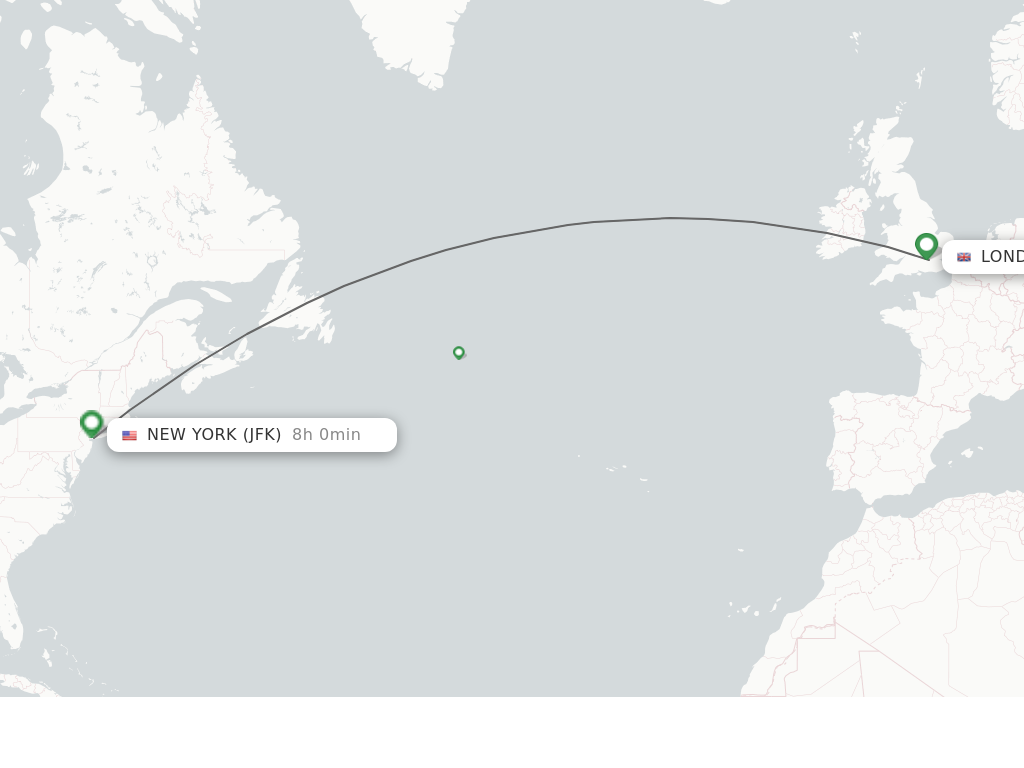
Embarking on a transatlantic journey from the historic streets of London to the bustling metropolis of New York is an experience many travelers dream of. Whether it’s for business or leisure, understanding the duration of this iconic flight is crucial for planning an efficient and enjoyable trip. While the direct distance between these two global hubs is approximately 3,450 miles (5,550 kilometers), the actual flight time can vary significantly due to a multitude of factors. On average, a non-stop flight typically ranges from 7 to 8 hours when flying westbound (to New York) and slightly less, around 6 to 7 hours, when flying eastbound (back to London). This comprehensive guide delves into the specifics, offering insights into what influences flight times, how to choose the best route, and tips for optimizing your transatlantic travel experience, aligning perfectly with the diverse offerings of lifeoutofthebox.com from travel guides to accommodation and lifestyle considerations.
Factors Influencing Flight Duration
The perceived simplicity of a direct flight often belies a complex interplay of atmospheric conditions, aviation technology, and logistical planning that ultimately determines how long you’ll spend in the air. Understanding these elements can help set realistic expectations and even assist in selecting the optimal flight.
Aircraft Type and Speed
Modern aviation boasts a diverse fleet of aircraft, each with varying capabilities. For the London to New York route, airlines primarily deploy wide-body jets designed for long-haul international travel. Aircraft like the Boeing 747, Boeing 777, Boeing 787 Dreamliner, Airbus A330, and Airbus A350 are common choices. These aircraft typically cruise at speeds between 550 and 600 miles per hour (885 to 965 kilometers per hour). While subtle, differences in cruising speed between models can contribute to minor variations in flight duration. For instance, a slightly faster aircraft might shave 15-30 minutes off a flight compared to a marginally slower one, depending on prevailing conditions. The evolution of aircraft technology continues to push boundaries, making transatlantic travel increasingly efficient.
Wind Conditions (The Jet Stream)
Perhaps the most significant natural factor influencing flight times between Europe and North America is the jet stream. This powerful, fast-flowing, narrow air current found in the atmospheres of some planets, including Earth, typically flows from west to east. When flying westbound from London to New York, aircraft often fly against the jet stream. This ‘headwind’ acts as a natural brake, increasing the flight time, sometimes by as much as an hour or more, depending on the jet stream’s strength. Conversely, eastbound flights from New York to London are aided by the jet stream, transforming it into a ‘tailwind’ that significantly reduces travel time. This natural phenomenon is why you consistently see a shorter duration for the return journey across the Atlantic Ocean. Pilots and air traffic controllers carefully monitor and utilize weather patterns, including the jet stream, to optimize routes for fuel efficiency and passenger comfort.
Flight Path and Air Traffic Control
While the straight-line distance is a constant, actual flight paths are not always perfectly direct. Air traffic control (ATC) dictates specific corridors and altitudes to manage the vast volume of aerial traffic, ensure safety, and avoid congested airspace. Deviations from the most direct route can occur due to weather systems (e.g., thunderstorms), military airspace restrictions, or simply to follow more favorable wind patterns. Additionally, holding patterns near congested airports like John F. Kennedy International Airport (JFK) in New York or Heathrow Airport in London can add minutes, or even longer, to the overall journey. Pilots continuously communicate with ATC to navigate the most efficient and safe path possible, balancing directness with prevailing conditions.
Typical Flight Times and Route Options
Having understood the variables, let’s look at what travelers can generally expect regarding flight durations for this popular route.
Non-Stop Flights (Eastbound vs. Westbound)
The fastest way to travel between London and New York is via a non-stop flight. These are offered by major carriers such as British Airways, Virgin Atlantic, Delta Air Lines, American Airlines, and United Airlines, among others.
- Westbound (London to New York): Expect the flight duration to be in the range of 7 hours to 8 hours and 30 minutes. The average typically hovers around 7 hours and 45 minutes. This accounts for battling the prevailing westerly winds.
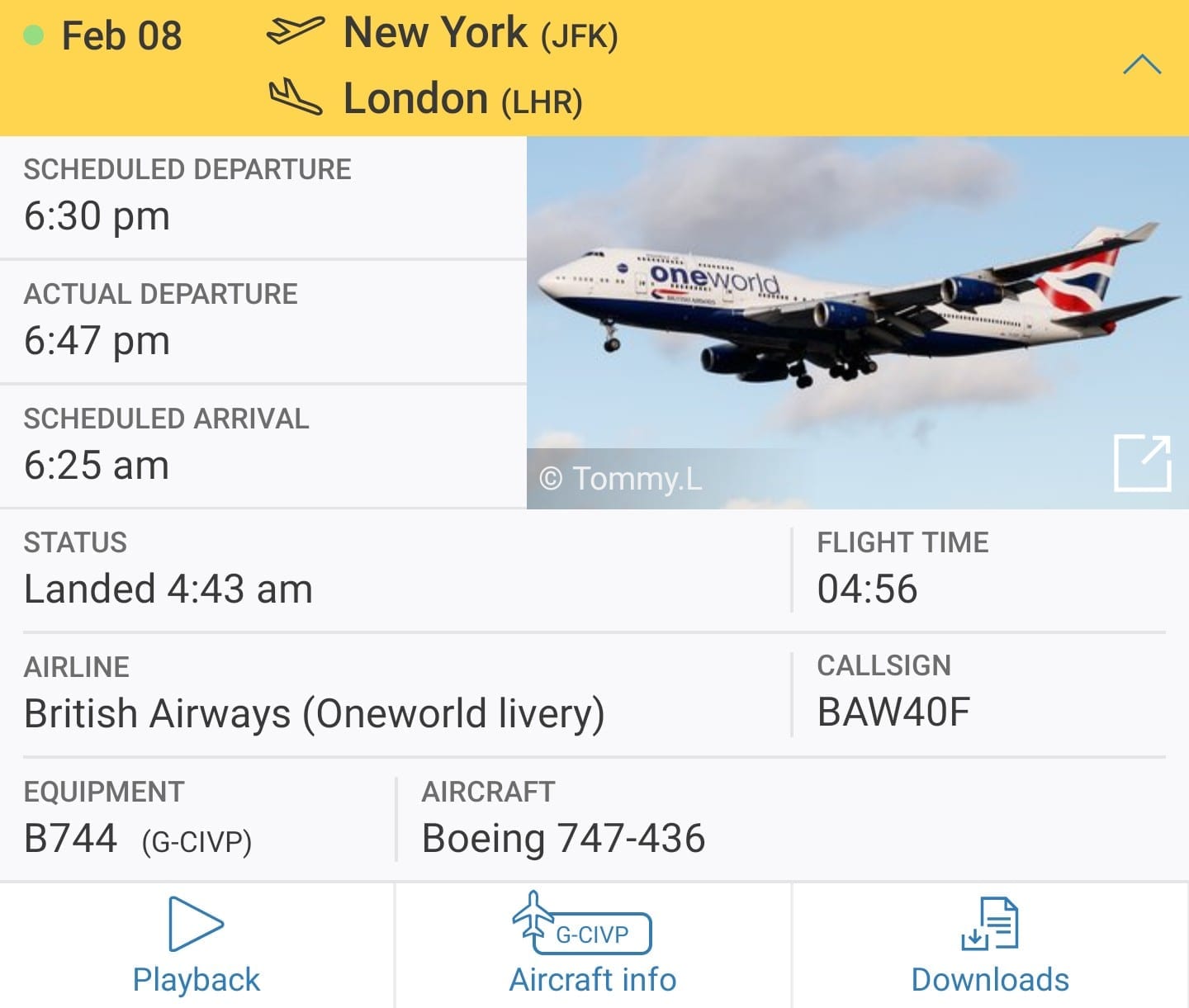
- Eastbound (New York to London): The return journey is noticeably quicker, usually taking between 6 hours and 30 minutes to 7 hours and 45 minutes. An average flight duration is often closer to 6 hours and 50 minutes, thanks to the helpful push from the jet stream.
These times represent actual airborne duration. Factoring in taxiing, take-off, and landing procedures, the total gate-to-gate time might be slightly longer, but the quoted flight time primarily refers to the journey once airborne.
Connecting Flights: A Longer Journey
While non-stop flights are ideal for speed, connecting flights can sometimes offer more budget-friendly options or serve as a necessity if direct routes are unavailable or inconvenient. However, they significantly extend the overall travel time. A connecting flight involves at least one layover, usually in a major hub city.
- Total Journey Time: This will include the duration of each flight segment plus the layover time. Layovers can range from a quick 1-hour sprint between gates to an extended 10-hour stop, or even an overnight stay.
- Common Layover Cities: For flights originating from London and heading to New York with a connection in Europe, popular hubs include Dublin, Reykjavik, or other major European capitals. For connections within the United States (though less common for this specific route as most are direct), cities like Boston, Chicago, or Washington D.C. could be used as transit points if travelers are flying into a secondary airport in New York or elsewhere.
Always factor in potential delays at connection points when booking. While connecting flights offer flexibility and cost savings, they demand more patience and add considerably to the overall travel duration, transforming a 7-8 hour flight into a 12-hour or much longer odyssey.
Planning Your Transatlantic Journey Beyond the Flight
The journey from London to New York involves more than just the flight itself. Strategic planning, from airport selection to in-flight experience, can transform a long trip into a comfortable and seamless adventure, a core tenet of the lifeoutofthebox.com philosophy.
Choosing Your Departure Airport in London
London is served by several major international airports, each offering distinct advantages:
- Heathrow Airport (LHR): The primary hub for transatlantic flights, Heathrow offers the widest selection of airlines and flight times to New York. Its extensive amenities, lounges, and accessibility via the Heathrow Express from Paddington Station make it a popular choice for business and luxury travelers. However, its size can mean longer walks to gates.
- Gatwick Airport (LGW): Gatwick is the second-largest airport and also handles a significant number of long-haul flights. It offers competitive pricing and can sometimes be easier to navigate than Heathrow. The Gatwick Express provides a fast link to Victoria Station.
- London City Airport (LCY): Located closer to the financial district, London City Airport offers a more boutique, swift experience, often preferred by business travelers. While it historically had limited transatlantic service (often with a fuel stop in Shannon, Ireland, for customs pre-clearance), its offerings can change. Check current schedules if convenience is paramount.
When selecting your departure point, consider not only the flight time but also your proximity to the airport and the ease of transport, as these add to your overall travel duration and stress levels.
Selecting Your Arrival Airport in New York
New York is primarily served by three major airports, each with connections to the wider New York City area:
- John F. Kennedy International Airport (JFK): JFK is the busiest international gateway and the most common arrival point for flights from London. It’s located in Queens and offers extensive public transport options (AirTrain connecting to subway/LIRR) and taxi services into Manhattan and Brooklyn.
- Newark Liberty International Airport (EWR): Although technically located in New Jersey, EWR is a major hub for New York City travel, particularly for United Airlines. It provides easy access to Manhattan via NJ Transit trains or buses. For travelers staying on the west side of Manhattan, Newark can sometimes be a more convenient option.
- LaGuardia Airport (LGA): Primarily serves domestic flights and a few short-haul international routes (mostly to Canada). Flights from London generally do not land directly at LaGuardia.
Consider your final destination within New York City when choosing an arrival airport to minimize ground transportation time and cost.

Optimizing Your Travel Experience
A long-haul flight doesn’t have to be arduous. Strategic planning can significantly enhance your comfort and overall experience:
- Booking Strategy: Book in advance for better prices and seat selection. Consider flying during off-peak seasons or mid-week for potentially lower fares and less crowded flights.
lifeoutofthebox.comoffers resources for smart booking and comparison. - Seat Selection: For a journey of 7-8 hours, a comfortable seat is paramount. Consider paying for extra legroom, exit row seats, or even upgrading to premium economy, business, or first class if your budget allows. Many airlines offer seat maps during booking that show seat pitch and recline.
- In-Flight Amenities: Modern aircraft on this route typically offer extensive in-flight entertainment, Wi-Fi (often for a fee), and meal services. Pack noise-canceling headphones, a good book, and a travel pillow. Staying hydrated by drinking plenty of water and moving around the cabin regularly can help combat jet lag and improve circulation.
- Connectivity: Many airlines provide power outlets or USB ports, but it’s always wise to fully charge devices before boarding and carry a portable power bank.
Making the Most of Your New York Arrival
Once your flight from London touches down in New York, a new adventure begins. Seamlessly transitioning from the airport to your accommodation and starting your exploration is key to a rewarding trip.
Navigating New York’s Airports
Upon arrival, navigating the New York airports efficiently is crucial. All major airports offer various ground transportation options:
- JFK: The AirTrain JFK connects all terminals to the subway and Long Island Rail Road (LIRR) at Jamaica Station or Howard Beach. Taxis, ride-shares, and private car services are also readily available, though often subject to traffic.
- EWR: The AirTrain Newark connects terminals to the NJ Transit rail station, offering direct train service to New York Penn Station in Manhattan. Taxis and ride-shares are also options.
Pre-booking airport transfers or having your public transport route planned can save time and reduce stress, especially after a long flight.
Accommodation in New York
New York City boasts an unparalleled range of accommodations, from luxury hotels to budget-friendly apartments and boutique stays. lifeoutofthebox.com is an excellent resource for exploring these options:
- Luxury Hotels: Iconic establishments like The Plaza Hotel, The St. Regis New York, or Mandarin Oriental, New York offer unparalleled service and amenities, often with stunning views of Central Park or the Hudson River.
- Mid-Range Options: Numerous hotels across Manhattan, Brooklyn, and Queens provide comfortable stays with excellent access to attractions. Brands like Hyatt, Marriott, and Hilton have a strong presence.
- Boutique Hotels & Apartments: For a unique local experience, consider a boutique hotel in neighborhoods like Greenwich Village or SoHo, or explore apartment rentals for longer stays or family trips.
Booking in advance, especially during peak season, is highly recommended to secure your preferred accommodation and potentially better rates. Reviews and comparisons available on lifeoutofthebox.com can guide your decision.
Exploring New York’s Landmarks and Attractions
With your accommodation sorted, it’s time to dive into the vibrant culture of New York City. From world-famous landmarks to hidden gems, there’s an endless array of experiences:
- Iconic Sights: No trip to New York is complete without visiting the Statue of Liberty and Ellis Island, ascending the Empire State Building or Top of the Rock for panoramic views, or experiencing the dazzling lights of Times Square and a Broadway show.
- Culture & Arts: Explore the vast collections of the Metropolitan Museum of Art, the Museum of Modern Art (MoMA), or the Guggenheim Museum.
- Outdoor Spaces: Wander through the expansive beauty of Central Park, stroll across the Brooklyn Bridge, or discover the elevated urban oasis of the High Line.
- Culinary Adventures: New York is a foodie paradise, offering everything from Michelin-starred restaurants to diverse street food. Explore specific neighborhoods like Little Italy or Chinatown for authentic flavors.
lifeoutofthebox.com offers comprehensive guides and tips for making the most of your time in New York, whether you’re interested in local culture, top attractions, or budget-friendly activities.
Bridging Continents: The London to New York Experience
The journey from London to New York is more than just covering distance; it’s an experience that connects two of the world’s most dynamic cities, a popular route for both vital business and enriching leisure.
Time Zones and Jet Lag Management
Crossing five time zones from the United Kingdom’s Greenwich Mean Time (GMT) to New York’s Eastern Standard Time (EST) invariably leads to jet lag. When flying westbound, you gain time, often arriving on the same calendar day you departed, which can feel disorienting. To minimize the effects of jet lag:
- Adjust before you fly: Try to shift your sleep schedule by an hour or two in the days leading up to your flight.
- Hydrate and avoid alcohol/caffeine: Staying well-hydrated is crucial.
- Adjust to local time immediately: Once you land, try to adapt to New York time as quickly as possible. Get some sunlight, stay active during the day, and resist the urge to nap for too long.
- Strategic napping: If you must nap, keep it short (20-30 minutes) to avoid deeper sleep cycles that can worsen jet lag.
What to Expect On Board
Airlines operating the London to New York route strive to provide a comfortable experience for their passengers. Expect:
- Multiple meal services: Typically dinner or lunch shortly after take-off, and breakfast or a snack before landing. Special meals can usually be requested in advance.
- Extensive entertainment: Personal seat-back screens with a wide selection of movies, TV shows, music, and games are standard.
- Comfort amenities: Blankets, pillows, and basic amenity kits are often provided, especially in premium cabins.
- Duty-free shopping: Opportunities to purchase items in-flight.
Why This Route is Popular
The London to New York corridor is one of the busiest international air routes globally, driven by several factors:
- Economic Ties: Both cities are major financial and business centers, leading to significant corporate travel.
- Tourism: They are top tourist destinations, attracting millions with their cultural landmarks, shopping, and entertainment.
- Cultural Exchange: Strong historical and cultural links between the United Kingdom and the United States foster frequent personal travel for family visits and leisure.
- Gateway Hubs: Both airports serve as crucial gateways for onward travel to other parts of Europe and the United States, making the route a popular connection point.
This constant flow of travelers ensures a competitive market, often translating to a wide range of flight options and services.
In conclusion, a non-stop flight from London to New York typically ranges from 7 to 8 hours when flying west and 6.5 to 7.5 hours when flying east, primarily influenced by the powerful jet stream. However, the true duration of your travel experience encompasses far more than just the time spent in the air. From choosing your ideal departure and arrival airports to optimizing your in-flight comfort and planning your seamless arrival in the Big Apple, every detail contributes to the overall success of your transatlantic adventure. With careful planning and the insights provided by resources like lifeoutofthebox.com, your journey between these two magnificent cities can be as enjoyable and memorable as the destinations themselves. Safe travels!