
Embarking on a journey from the vibrant metropolis of New York to the historic charm of London is a classic transatlantic adventure, connecting two of the world’s most iconic cities. Whether you’re traveling for business, a much-anticipated vacation, or to visit loved ones, one of the most common questions travelers ask is, “How long is the flight?” While a direct flight typically spans between 6.5 to 8 hours, this seemingly straightforward answer masks a fascinating interplay of factors that influence your actual travel time.
Understanding these variables is key to planning a seamless journey and managing your expectations. From the powerful forces of nature to the advanced engineering of modern aircraft and the intricate dance of air traffic control, every element plays a role in determining how quickly you bridge the approximately 3,450-mile (5,550-kilometer) gap between North America and Europe. This comprehensive guide delves into the specifics of flight durations, the operational nuances that affect them, and practical tips to ensure your New York to London experience is as comfortable and efficient as possible.
Understanding the Flight Duration: Key Factors at Play
The flight duration between New York and London is not a fixed number carved in stone; rather, it’s a dynamic calculation influenced by a variety of factors. While most travelers are primarily concerned with the time spent in the air, a deeper dive reveals the complex mechanics behind this popular transatlantic route.
Direct Flight Times: The Standard Experience
For a direct, non-stop flight, the average journey from New York to London is generally:
- Eastbound (New York to London): Approximately 6 hours and 30 minutes to 7 hours and 30 minutes.
- Westbound (London to New York): Approximately 7 hours and 30 minutes to 8 hours and 30 minutes.
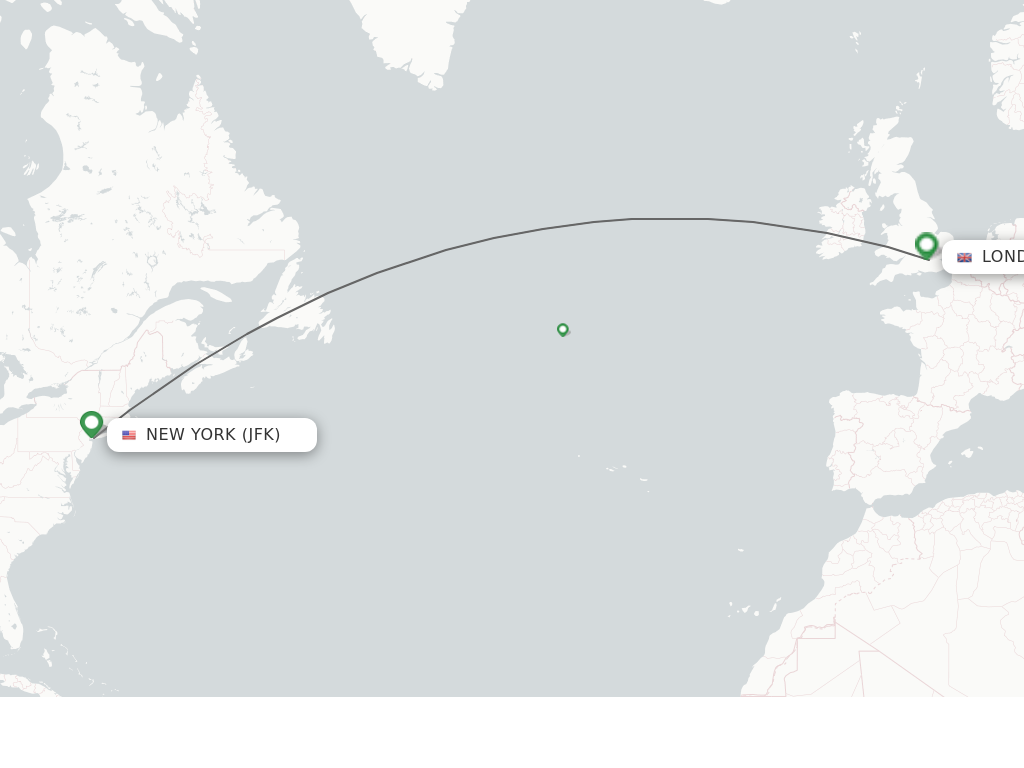
This difference of about an hour is significant and is primarily due to powerful atmospheric conditions, which we will explore shortly. The actual flight time can also vary slightly depending on the specific airline, the aircraft model used, and the departure and arrival airports. Modern, fuel-efficient aircraft like the Boeing 787 Dreamliner, Airbus A350, and Boeing 777 are commonly deployed on this route. Older models like the Boeing 747 or Airbus A380 might have slightly different cruising speeds but typically stay within the same general range for this distance. The flight path usually follows a Great Circle route, which is the shortest distance between two points on a sphere, often taking planes over parts of Canada, Greenland, and Iceland.
The Invisible Hand of Nature: Jet Streams and Wind Patterns
The single most influential natural phenomenon affecting flight duration across the Atlantic Ocean is the jet stream. These are fast-flowing, narrow air currents found in the atmospheres of some planets, including Earth. On our planet, the major jet streams are located at altitudes of about 20,000–50,000 feet (6–15 km), precisely where commercial airliners cruise.
- Eastbound Flights (New York to London): When flying from west to east, aircraft often ride the tailwinds of the prevailing jet stream. These powerful currents can push a plane along at speeds of up to 100-200 mph (160-320 km/h) or even more, effectively shortening the flight time. It’s like having a constant, strong push from behind, which explains why journeys to London are usually quicker.
- Westbound Flights (London to New York): Conversely, when flying from east to west, planes typically fly against these same jet streams. This creates a headwind, which slows the aircraft down, requiring more thrust and thus extending the flight time. Pilots often try to navigate around the strongest parts of the jet stream to minimize its effect, but it remains a significant factor in the longer westbound duration.
Seasonal variations also play a role; jet streams tend to be stronger and more northerly in winter, potentially leading to even faster eastbound flights and slower westbound ones during those months.
Air Traffic Control, Route Optimization, and Operational Efficiency
Beyond the natural elements, human-controlled factors significantly impact flight duration. Air Traffic Control (ATC) systems in both the United States and the United Kingdom, as well as over the Atlantic, meticulously manage aircraft movements to ensure safety and efficiency.
- Route Optimization: Airlines continuously work to optimize their flight paths. While the Great Circle route is the most direct, variations may occur due to weather patterns (avoiding severe storms or turbulence), airspace restrictions, or to take maximum advantage of tailwinds or minimize headwinds.
- Air Traffic Congestion: Major international airports like London Heathrow (LHR) and John F. Kennedy (JFK) are among the busiest in the world. Delays on the ground, such as waiting for takeoff slots, or in the air, such as holding patterns before landing, can add significant time to the overall journey. These are often more prevalent during peak travel seasons or adverse weather conditions.
- Operational Efficiency: Each airline has its own operational protocols, including how quickly they can turn around an aircraft, fueling procedures, and boarding processes. While these primarily affect ground time, they contribute to the overall punctuality and perceived efficiency of a flight.
Navigating the Hubs: Major Airports and Airlines
The choice of departure and arrival airports, along with the airline you select, can also subtly influence your flight experience, including the nominal flight duration and certainly the overall travel time from your home to your final destination.
Departing from the Big Apple: New York’s Gateways
New York is served by three major international airports, each offering various flight options to London:
- John F. Kennedy International Airport (JFK)): This is the primary gateway for transatlantic flights from New York. JFK hosts a vast number of daily flights to London from nearly all major carriers, offering the most frequent and diverse options. Its location in Queens can mean varying travel times from different parts of New York City and surrounding areas.
- Newark Liberty International Airport (EWR)): Located in New Jersey, EWR is a significant hub for United Airlines and also offers numerous direct flights to London with other major airlines. For those coming from New Jersey or parts of Manhattan, EWR can be a convenient alternative to JFK.
- LaGuardia Airport (LGA)): While LaGuardia is a major airport for domestic flights and short-haul international travel to Canada, it typically does not offer direct flights to London due to runway length and international operating restrictions. Passengers flying from LGA would require a connection, significantly increasing overall travel time.
Arriving in the UK Capital: London’s International Airports
London is served by six international airports, but two stand out as the primary entry points for flights from New York:
- London Heathrow Airport (LHR)): Undoubtedly the busiest airport in the United Kingdom and one of the busiest globally, LHR is the preferred destination for most transatlantic flights. Its proximity to central London and excellent transport links (like the Heathrow Express and the Underground) make it highly desirable for travelers. Most major airlines operate out of LHR.
- London Gatwick Airport (LGW)): The second-largest airport in London, Gatwick also handles a significant volume of long-haul flights, including those from New York. It’s located south of London and is well-connected to the city center via the Gatwick Express and other rail services.
- Other London Airports: London Stansted Airport (STN), London Luton Airport (LTN), and London City Airport (LCY) typically cater to shorter-haul European flights or specific business routes and do not regularly feature direct New York services. While some budget airlines might offer indirect routes through these, direct options are rare.

Leading Airlines Connecting the Continents
The New York to London corridor is one of the most competitive airline markets in the world, with numerous carriers offering daily services. The main players include:
- British Airways: As the flag carrier of the United Kingdom, British Airways operates a high frequency of flights, primarily to LHR, from both JFK and EWR.
- Virgin Atlantic: Known for its distinctive service and brand, Virgin Atlantic is another major player, offering numerous flights to both LHR and LGW from New York airports.
- Delta Air Lines: A key U.S. carrier, Delta operates frequent flights to London, often in partnership with Virgin Atlantic.
- American Airlines: Also a major U.S. airline, American Airlines offers extensive service to LHR, often in collaboration with British Airways.
- United Airlines: With a strong hub at Newark (EWR), United provides numerous direct connections to London, primarily to LHR.
- Other Carriers: Depending on the season and specific offerings, airlines like JetBlue and Norse Atlantic Airways have also entered this competitive market, often providing more budget-friendly options, though sometimes with connections or different airport pairings.
Beyond Direct: Connecting Flights and Travel Considerations
While direct flights are the most convenient, understanding connecting options and strategic booking can significantly impact your overall travel experience and even the total time spent journeying between New York and London.
The Reality of Layover Flights
Choosing a connecting flight instead of a direct one typically adds several hours to your total travel time, often ranging from 10 to 15 hours or more. However, there are compelling reasons why travelers opt for them:
- Cost Savings: Flights with layovers are frequently less expensive than direct routes, appealing to budget-conscious travelers or those extending their trip.
- Specific Destinations: If your ultimate destination in the UK isn’t London, a connecting flight might route you more efficiently to another regional airport in the United Kingdom or Europe without passing through London first.
- Opportunity for a Stopover: Some travelers intentionally choose flights with long layovers in interesting cities like Dublin, Reykjavik, Amsterdam, or Paris, turning a simple connection into a mini-adventure and adding an extra “destination” to their trip.
- Route Availability: During peak seasons or for last-minute bookings, direct flights might be fully booked, making connecting flights the only viable option.
When considering connecting flights, remember to factor in the layover duration, the efficiency of the connecting airport, and the potential for delays affecting subsequent legs of your journey.
Optimizing Your Journey: Booking Strategies and Best Times to Travel
Strategic planning can make a world of difference for your transatlantic trip, not just in terms of cost, but also convenience and overall comfort.
- When to Book: For the best prices and widest selection of direct flights, it is generally recommended to book your tickets several months in advance, ideally 2-4 months ahead for economy class and even further out for premium cabins (Premium Economy, Business Class, First Class). Last-minute bookings, especially for direct flights, tend to be significantly more expensive.
- Seasonality: Travel demand fluctuates significantly throughout the year.
- Peak Season (Summer: June-August, and Christmas/New Year holidays): Flights are more expensive, and airports are busier. Expect higher prices and potentially longer waits.
- Shoulder Seasons (Spring: April-May, and Fall: September-October): These months often offer a sweet spot of pleasant weather, fewer crowds, and more reasonable prices. Direct flights are still plentiful, and delays due to extreme weather are less common.
- Off-Peak Season (Winter: November-March, excluding holidays): Generally the cheapest time to fly, though weather can be less predictable, and some services might be reduced. However, this is also when jet streams are strongest, potentially leading to faster eastbound flights.
- Flexibility in Dates: If your schedule allows, being flexible with your travel dates, even by a day or two, can yield significant savings and better flight availability. Mid-week flights (Tuesday, Wednesday) are often cheaper and less crowded than weekend departures.
- Impact of Travel Class: While the actual flight duration remains the same across cabins, the experience differs immensely.
- Economy Class: The most budget-friendly option, offering standard seating and service.
- Premium Economy: Provides more legroom, wider seats, and enhanced meal service, significantly improving comfort for a long flight.
- Business Class & First Class: These cabins offer lie-flat seats, gourmet dining, priority boarding, lounge access, and superior amenities, transforming the journey into a luxurious experience. While a splurge, for those on longer trips or flying for business, the ability to sleep comfortably can make arrival in London much more pleasant.
Enhancing Your Long-Haul Experience: Tips for the New York-London Route
A transatlantic flight, even a direct one, is a significant commitment of time. Maximizing comfort and minimizing potential disruptions like jet lag can turn a long journey into a much more enjoyable part of your travel experience.
Conquering Jet Lag and Maximizing Comfort
Jet lag is almost an inevitable consequence of crossing multiple time zones. With a 5-hour time difference between New York (Eastern Time) and London (Greenwich Mean Time/British Summer Time), your body will need to adjust.
- Pre-Flight Preparation:
- Adjust Sleep Gradually: A few days before your eastbound flight, try to shift your sleep schedule by going to bed an hour earlier each night. For westbound, try going to bed an hour later.
- Stay Hydrated: Drink plenty of water in the days leading up to your flight and avoid excessive caffeine and alcohol, which can exacerbate dehydration.
- During Flight:
- Hydrate Consistently: Continue drinking water throughout the flight.
- Move Around: Get up and walk the aisles every hour or two to promote circulation and prevent stiffness. Perform simple stretches in your seat.
- Dress Comfortably: Wear loose, breathable clothing.
- Manage Light Exposure: Try to align your sleep on the plane with the destination’s nighttime. Use an eye mask and earplugs or noise-cancelling headphones to create a dark, quiet environment for rest.
- In-Flight Entertainment: Most airlines offer a wide array of movies, TV shows, and music. Alternatively, bring your own tablet loaded with content.
- Post-Arrival:
- Embrace Local Time: As soon as you land, try to adapt to London’s time zone for meals and sleep.
- Seek Sunlight: Exposure to natural light helps reset your body clock. Try to spend time outdoors, even if it’s just a walk.
- Stay Active: Light exercise can help combat fatigue.
- Avoid Napping (if possible): Power through the first day until a reasonable bedtime in London. If you must nap, keep it short (20-30 minutes).
Packing Smart and Staying Connected
Thoughtful packing can significantly enhance your comfort and readiness upon arrival.
- Carry-On Essentials: Pack a small bag with items that will make your flight more comfortable:
- Travel Pillow: A good neck pillow can make a huge difference for sleeping upright.
- Eye Mask and Earplugs/Noise-Cancelling Headphones: Essential for blocking out light and noise.
- Snacks: While meals are provided, having your favorite snacks can be reassuring.
- Rechargeable Power Bank: Keep your phone or tablet charged, especially if relying on personal devices for entertainment.
- Travel Adaptor: Don’t forget a Type G adaptor for the UK so you can charge your devices immediately.
- Medications: Keep any essential prescription medications in your carry-on.
- Change of Clothes: A fresh set of clothes for arrival can make you feel instantly refreshed.
- Staying Connected: Many transatlantic flights now offer Wi-Fi, though it often comes at a cost and can be inconsistent. Download any movies, books, or work you need offline before you depart.
Beyond the Flight: Planning Your London Stay
Once you touch down in London, the next phase of your adventure begins. Careful planning for your arrival and stay will help maximize your tourism and experience.
- Accommodation: London offers an incredible array of accommodation options, catering to every budget and lifestyle. From luxurious hotels in Mayfair or Knightsbridge to charming boutique stays in Notting Hill, family-friendly apartments in Kensington, or budget-conscious hostels in Shoreditch, research and book your stay well in advance, especially during peak seasons.
- Airport Transfers: Plan how you’ll get from the airport to your hotel or accommodation.
- From LHR, the Heathrow Express offers a quick 15-minute journey to Paddington Station, or the Piccadilly Line on the Underground provides a more economical, though longer, route into central London.
- From LGW, the Gatwick Express takes you to Victoria Station in about 30 minutes.
- Exploring London’s Landmarks: Once settled, dive into London’s rich history and vibrant culture. Must-visit landmarks include the iconic Big Ben and [Houses of Parliament](https://lifeoutofthebox.com/houses-of- parliament), the majestic Buckingham Palace, the historic Tower of London, and world-class museums like the British Museum and the National Gallery. Consider booking tours or passes in advance to save time and money.
In conclusion, a direct flight from New York to London typically takes between 6.5 and 8.5 hours, with eastbound journeys being quicker due to jet streams. However, the total travel time can be influenced by many factors, from your chosen airports and airlines to natural phenomena and how well you prepare for your journey. By understanding these elements and employing smart travel strategies, you can ensure your transatlantic trip is not just a necessity but an enjoyable part of your overall adventure.
LifeOutOfTheBox is a participant in the Amazon Services LLC Associates Program, an affiliate advertising program designed to provide a means for sites to earn advertising fees by advertising and linking to Amazon.com. Amazon, the Amazon logo, AmazonSupply, and the AmazonSupply logo are trademarks of Amazon.com, Inc. or its affiliates. As an Amazon Associate we earn affiliate commissions from qualifying purchases.