
New York, often called the Empire State, is a region defined by its incredible diversity, bustling cities, serene landscapes, and, perhaps most notably, its intricate network of waterways. From the sprawling urban expanse of New York City to the majestic Hudson River Valley and the Great Lakes, water plays a crucial role in the state’s geography and history. Consequently, bridges are not merely structures for crossing; they are vital arteries, engineering marvels, and iconic landmarks that symbolize connectivity, progress, and resilience.
The question “How many bridges in New York?” is far more complex than it first appears, largely due to the sheer scale and variety of structures. Do we count only the famous spans in New York City, or every single crossing over every creek and highway throughout New York State? The number is staggering, running into the thousands, reflecting centuries of infrastructure development and the ongoing needs of one of the world’s most dynamic regions. These bridges facilitate everything from daily commutes and global business stays to essential travel and tourism, connecting communities and economies. They are a testament to human ingenuity and a constant reminder of the state’s pivotal role in global commerce and culture. For anyone planning family trips, exploring local food scenes, or simply seeking unique experiences, understanding this infrastructure is key to navigating and appreciating the vastness of New York.
The Astounding Number of New York City Bridges
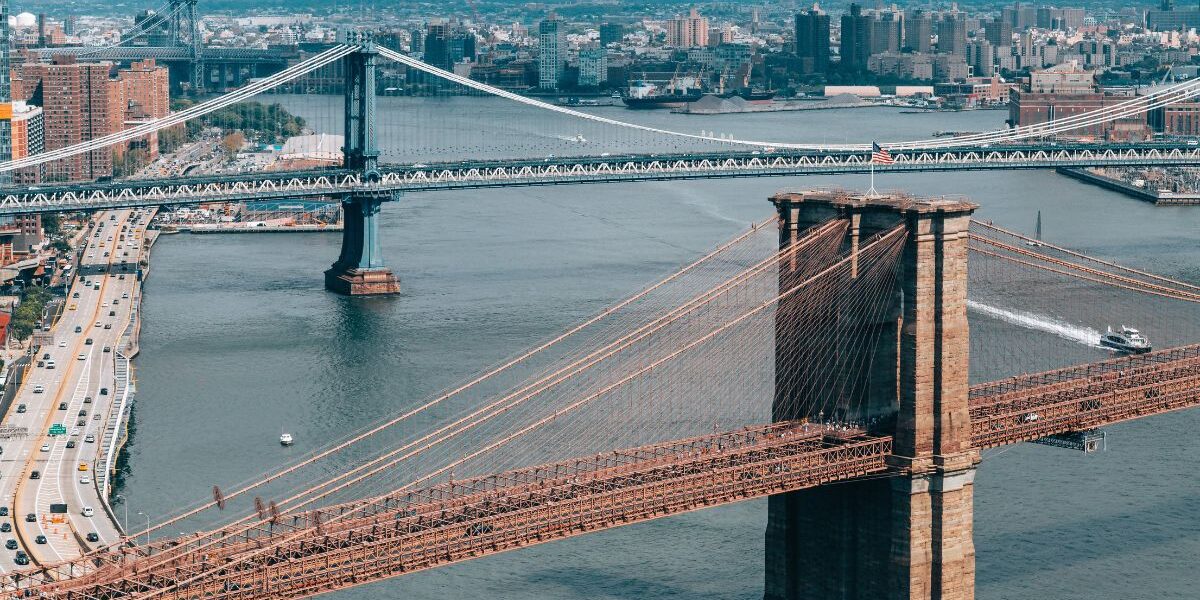
When people ask about bridges in New York, their minds often first turn to the iconic structures of New York City. This urban metropolis, composed of five boroughs separated by major rivers and waterways – the East River, Hudson River, and Harlem River – relies heavily on its bridges. Without them, the city as we know it simply wouldn’t exist. These crossings are not just functional; they are integral to the city’s identity and its legendary skyline.
The actual count of bridges within New York City alone is immense. The New York City Department of Transportation (DOT) is responsible for over 790 bridges and tunnels, but this number doesn’t include structures managed by other entities like the Metropolitan Transportation Authority (MTA), the Port Authority of New York and New Jersey, or the New York State Thruway Authority. When you factor in every pedestrian bridge, rail bridge, and smaller vehicular bridge overseen by these various agencies, the number easily climbs well over 2,000 within the city limits. This vast network is a testament to the city’s relentless growth and its continuous effort to connect its diverse communities. Each bridge tells a story of urban development, engineering challenges, and the relentless spirit of a city that constantly reinvents itself. From the oldest stone arch bridges to the most modern cable-stayed spans, these structures are essential for transportation, enabling millions of residents and visitors to commute, explore, and access the city’s myriad destinations and attractions. They are pillars of daily life, silently facilitating the rhythm of one of the world’s greatest cities.
More Than Just a Crossing: The Functional Heartbeat of the City
Beyond the sheer numbers, the bridges of New York City are marvels of architecture and engineering that serve a crucial, multi-faceted purpose. They knit together the five boroughs: Manhattan, Brooklyn, Queens, Bronx, and Staten Island, allowing for the seamless flow of people, goods, and services that are vital to the city’s economy and social fabric. These bridges carry commuters to their jobs, deliver goods to local businesses, and transport tourists to iconic sights. They are instrumental in reducing congestion on already strained subway and road systems, providing alternative routes and maintaining accessibility across the water barriers that naturally divide the city.
For travelers and residents alike, these bridges are much more than mere infrastructure. They represent arteries of opportunity, allowing access to different neighborhoods, job markets, cultural institutions, and recreational spaces. A trip across the Brooklyn Bridge on foot, for instance, offers not just passage but an unforgettable panoramic view of the Manhattan skyline, the Statue of Liberty, and the vast New York Harbor. Similarly, the Robert F. Kennedy Bridge (formerly the Triborough Bridge) connects three boroughs, streamlining interstate travel and daily commutes. These structures are economic drivers, historical artifacts, and sources of immense civic pride, making them indispensable to the narrative of New York City. Understanding their functional importance provides a deeper appreciation for their presence and role in the city’s vibrant life, enriching any visit or long-term stay.
Iconic Spans: New York’s Most Famous Bridges
While thousands of bridges crisscross New York State, a handful in New York City have achieved global recognition, becoming symbols of the city itself. These aren’t just pathways; they are landmarks steeped in history, boasting groundbreaking architecture, and offering unparalleled views.
The Brooklyn Bridge: A Masterpiece of Engineering and History
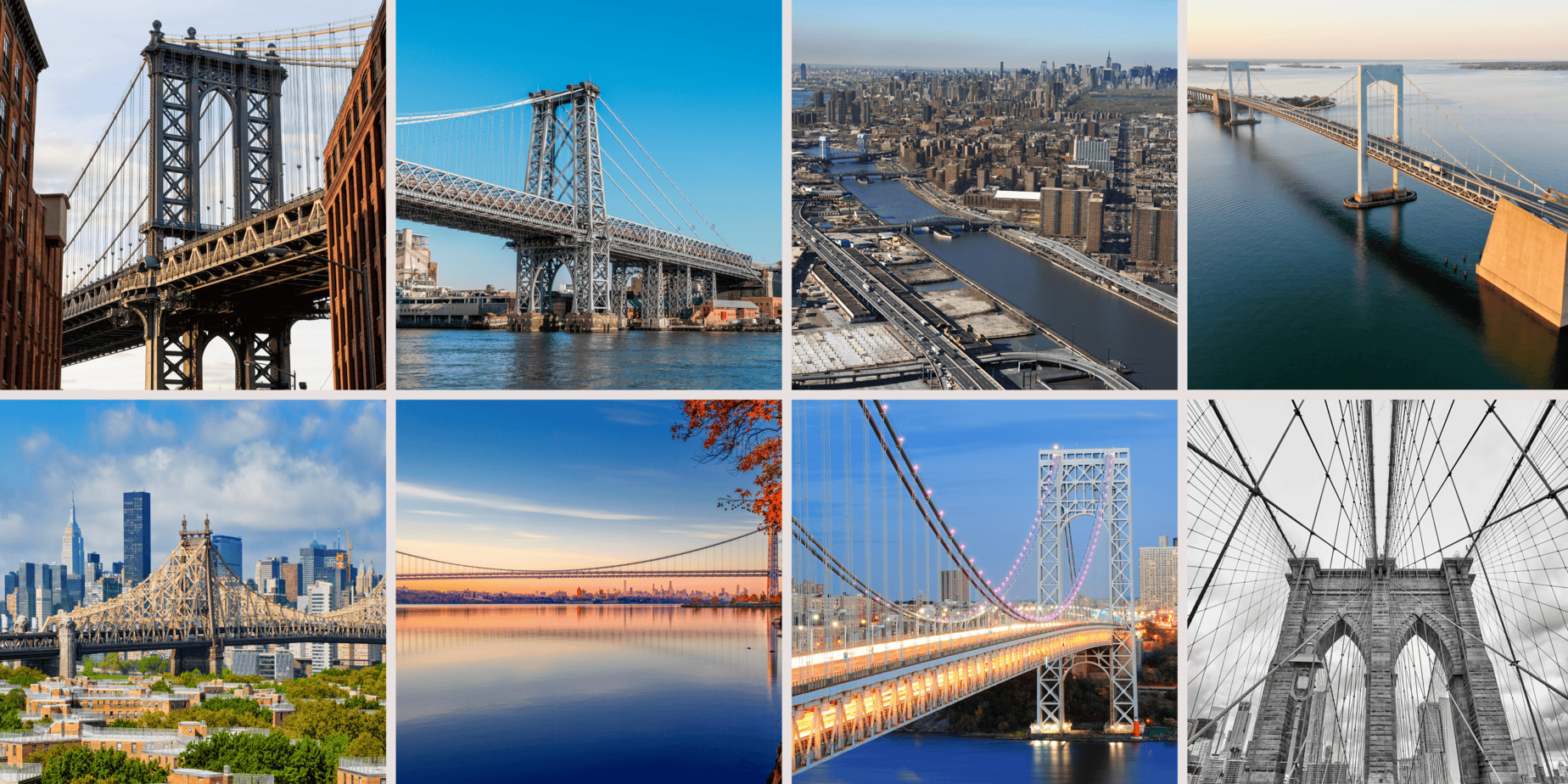
Undoubtedly the most famous, the Brooklyn Bridge is an engineering marvel completed in 1883. Connecting Manhattan and Brooklyn over the East River, it was the longest suspension bridge in the world at the time and the first to use steel wire. Its gothic arches and intricate cable network are instantly recognizable. Walking or cycling across the Brooklyn Bridge is a quintessential New York experience, offering breathtaking vistas of the Manhattan skyline, the Statue of Liberty, and the charming neighborhood of DUMBO below. It’s a journey through history and a prime spot for photography, drawing millions of visitors annually. The construction itself was a monumental undertaking, fraught with challenges and tragedies, making its completion a triumph of human spirit and innovation. Today, it remains a bustling artery, carrying vehicles, cyclists, and pedestrians, serving as a powerful reminder of New York City’s relentless ambition and its capacity for grandeur.
The Manhattan Bridge and Williamsburg Bridge: Connecting Manhattan to Brooklyn
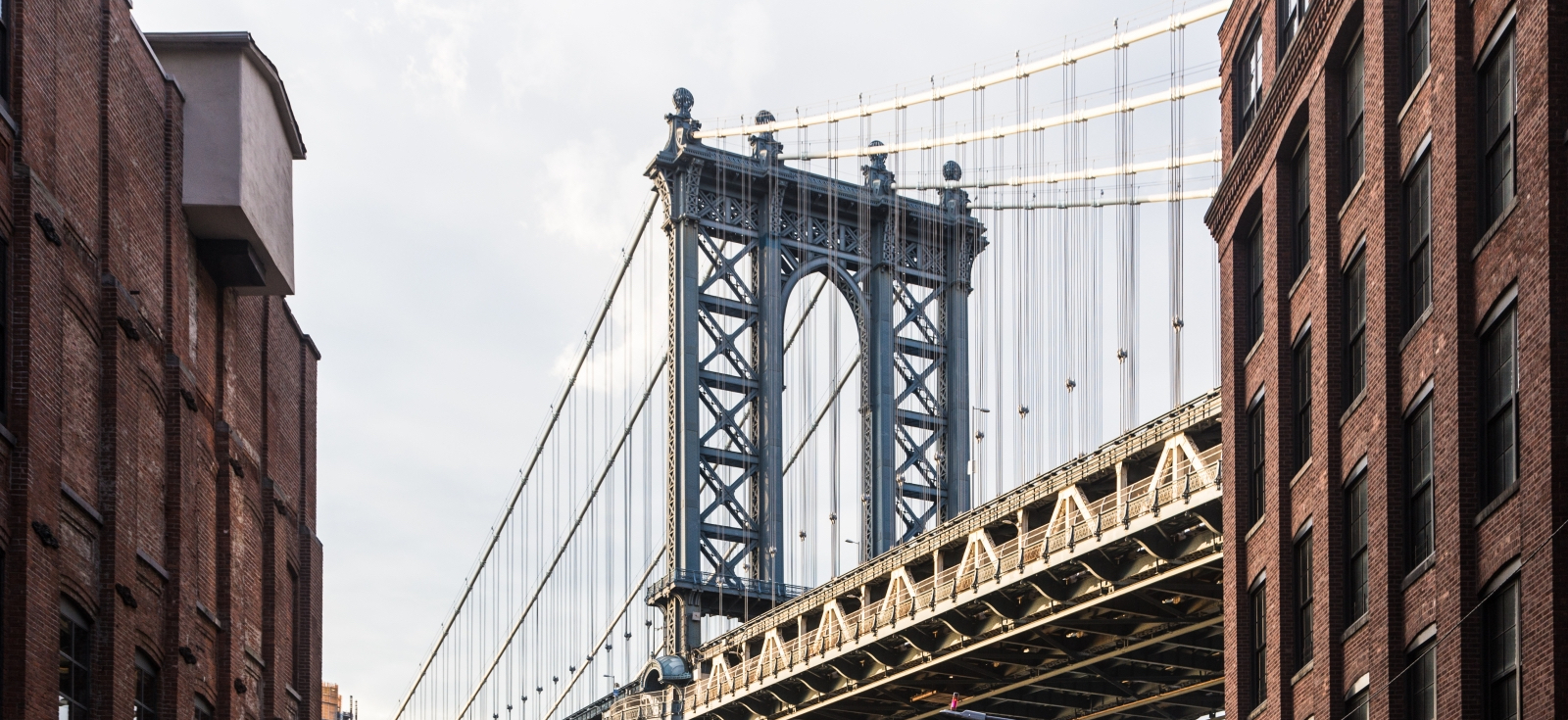
Flanking the Brooklyn Bridge are two other vital East River crossings to Brooklyn: the Manhattan Bridge and the Williamsburg Bridge. The Manhattan Bridge, opened in 1909, is another suspension bridge known for its iconic blue towers and for carrying not just cars, but also multiple subway lines. It offers equally stunning, albeit different, views of the Manhattan skyline and the Brooklyn Bridge itself. Its distinctive design is often celebrated by urban planners and photographers.
Further north, the Williamsburg Bridge, completed in 1903, was the longest suspension bridge span in the world upon its opening, surpassing even the Brooklyn Bridge. It is a heavier, more utilitarian structure, crucial for commuters and freight, connecting Manhattan’s Lower East Side with Brooklyn’s vibrant Williamsburg neighborhood. Both bridges offer dedicated pedestrian and bike paths, making them excellent choices for those seeking less crowded, yet equally rewarding, scenic experiences while exploring New York City on foot or by bike.
The Queensboro Bridge (Ed Koch Queensboro Bridge): Gateways to Queens
The Queensboro Bridge, officially the Ed Koch Queensboro Bridge, is a cantilever bridge completed in 1909. It spans the East River, connecting Manhattan to Queens and also crosses over Roosevelt Island. This double-decked bridge is an essential conduit for vehicular traffic, and its lower deck once accommodated trolleys, reflecting its long history as a major transportation artery. Featured prominently in films and literature, its industrial architecture stands in contrast to the suspension bridges, offering a different aesthetic and a different perspective on the city. The bridge provides crucial access to the diverse neighborhoods of Queens and is a key link for residents and visitors exploring further east.
The George Washington Bridge: A Vital Interstate Link
Connecting Manhattan to Fort Lee, New Jersey, over the Hudson River, the George Washington Bridge is one of the world’s busiest motor vehicle bridges. Opened in 1931, this impressive double-decked suspension bridge was, for a time, the longest main span bridge in the world. Its sheer scale and traffic volume underscore its importance as a regional transportation hub, linking New York with its neighbor New Jersey. The views from its pedestrian walkways, especially from the Manhattan side near Washington Heights, are spectacular, encompassing the Hudson River and the dramatic Palisades cliffs. It’s a critical route for commerce, commuters, and interstate travel.
The Verrazzano-Narrows Bridge: A Majestic Gateway to the Harbor
Spanning the Narrows at the mouth of New York Harbor, the Verrazzano-Narrows Bridge connects Brooklyn to Staten Island. Completed in 1964, it was the longest suspension bridge in the world until 1981. Its majestic presence serves as a gateway to the harbor, under which all large ships must pass to reach the inner ports of New York City. The bridge is famous for being the starting point of the New York City Marathon, and its immense scale is best appreciated from a distance, perhaps from a ferry or one of the city’s many waterside parks. It symbolizes the grandeur and accessibility of New York as a port city, greeting visitors arriving by sea and providing an unforgettable vista for those departing.
Experiencing New York’s Bridges: A Tourist’s Perspective
For travelers visiting New York, its bridges offer far more than just transportation; they provide some of the city’s most memorable experiences and photographic opportunities. Exploring these engineering wonders is an activity in itself, enriching any New York City itinerary.
Walking and Cycling: Immersive Journeys
One of the best ways to appreciate the sheer scale and architectural beauty of New York’s famous bridges is to cross them on foot or by bicycle. The Brooklyn Bridge is the prime example, with its elevated promenade offering unparalleled views. Imagine walking from Lower Manhattan to Brooklyn, gazing at the Financial District skyline behind you and the picturesque neighborhoods of DUMBO and Brooklyn Heights ahead. Cyclists will find dedicated lanes on many bridges, including the Manhattan Bridge and Williamsburg Bridge, providing exhilarating rides with stunning backdrops. These active explorations offer a unique perspective, allowing you to feel the pulse of the city and appreciate the intricate details of each structure’s design up close. It’s an ideal activity for budget travel and offers a healthy way to sightsee.
Best Viewpoints and Photography Spots
The bridges themselves are fantastic viewpoints. From the Brooklyn Bridge walkway, you capture classic shots of Manhattan. For views of the Brooklyn Bridge itself, head to Brooklyn Bridge Park or the DUMBO waterfront, where you can frame the bridge with the Manhattan Bridge behind it. The Jane’s Carousel area in DUMBO offers another iconic photo op. The Staten Island Ferry, a free service, provides fantastic views of the Verrazzano-Narrows Bridge, Governors Island, Ellis Island, and the Statue of Liberty. Rooftop bars and elevated parks like The High Line also offer unique angles to view the urban landscape interwoven with these majestic spans. Many hotels in Lower Manhattan and Brooklyn boast rooms with bridge views, providing a luxury travel experience for those seeking to wake up to these iconic sights. When considering accommodation, looking for properties with such vistas can greatly enhance your overall trip.
Guided Tours and Historical Insights
To truly delve into the history and architecture of New York’s bridges, consider joining a guided tour. Expert guides can share captivating stories about their construction, the engineers and workers who built them, and their impact on the city’s development. These tours often provide fascinating insights into the social, economic, and political context of each bridge’s creation, bringing these seemingly static structures to life. Learning about the challenges overcome, from early caisson disease to political wrangling, adds layers of appreciation to their enduring presence. Whether it’s a walking tour focusing on the Brooklyn Bridge’s secrets or a boat tour cruising under several spans, these activities offer a richer understanding of these vital landmarks. They are highly recommended for history buffs and anyone seeking deeper experiences beyond typical sightseeing, offering invaluable tips for appreciating these marvels.
The Unsung Heroes: Beyond the Famous Spans
While the major New York City bridges command attention, it’s important to remember the vast majority of bridges that serve less glamorous but equally crucial roles. These are the unsung heroes of New York’s infrastructure, quietly facilitating daily life. Think of the hundreds of smaller bridges connecting neighborhoods within boroughs, spanning local creeks, or crossing highways and railway lines. For instance, the Hell Gate Bridge, an impressive steel arch rail bridge connecting Queens and the Bronx, is a crucial link for freight and passenger trains, though it lacks the pedestrian paths of its more famous counterparts.
These smaller bridges are vital for local commerce, emergency services, and the daily commutes of millions. They are maintained by various city and state agencies, constantly inspected and repaired to ensure safety and functionality. While not tourist attractions in themselves, their collective presence underscores the immense logistical challenge of maintaining a sprawling metropolitan area built on islands and carved by rivers. Each one represents a solution to a geographical barrier, enabling the intricate web of urban life to thrive. Their importance might be overlooked by the casual observer, but for urban planners, engineers, and local communities, they are indispensable components of the city’s complex ecosystem.
Bridges in the Wider New York State
Stepping outside New York City limits, the number of bridges in New York State becomes truly staggering. The New York State Department of Transportation (NYSDOT) alone maintains over 7,500 state and local bridges. This figure doesn’t even include structures managed by other authorities, like the New York State Thruway Authority, which oversees a significant number of its own bridges, or railway bridges.
These bridges span everything from the mighty Hudson River (like the Mario M. Cuomo Bridge, replacing the old Tappan Zee Bridge), to countless smaller rivers, canals, gorges, and valleys across the state’s diverse geography. They are critical for connecting agricultural regions, facilitating access to natural destinations like the Adirondack Mountains and Niagara Falls, and ensuring the smooth flow of commercial traffic. From the iconic covered bridges of upstate New York that evoke a sense of rural charm and history, to modern expressway overpasses, each bridge plays a role in the state’s infrastructure. These structures enable everything from cross-country road trips and regional exploration to the everyday lives of residents in suburban and rural communities. They are essential for tourism in less urban areas, allowing easy access to resorts, villas, and nature retreats. The vast number and variety of bridges across New York State underscore its rich history of infrastructural development and its continuous commitment to connectivity and progress.
In conclusion, the question “How many bridges in New York?” doesn’t have a simple answer. In New York City alone, the number runs into the thousands when all agencies are accounted for, and throughout the entire New York State, the total easily exceeds 17,000 structures. These bridges are more than just functional crossings; they are enduring symbols of ingenuity, vital arteries of commerce and community, and captivating landmarks that offer unique experiences for both residents and millions of travelers each year. Whether admiring the grandeur of the Brooklyn Bridge or simply crossing an anonymous overpass, one cannot help but appreciate the immense network of structures that hold New York together, facilitating its ceaseless movement and vibrant life. For anyone planning a trip, be it a short visit or a long-term stay, exploring these architectural wonders offers a profound insight into the heart and soul of this extraordinary destination.
LifeOutOfTheBox is a participant in the Amazon Services LLC Associates Program, an affiliate advertising program designed to provide a means for sites to earn advertising fees by advertising and linking to Amazon.com. Amazon, the Amazon logo, AmazonSupply, and the AmazonSupply logo are trademarks of Amazon.com, Inc. or its affiliates. As an Amazon Associate we earn affiliate commissions from qualifying purchases.