
The allure of a marathon is undeniable, a test of endurance, spirit, and determination that captivates athletes and spectators alike. Among the most celebrated and iconic races worldwide is the New York City Marathon. Every year, tens of thousands of runners descend upon New York City, ready to tackle its legendary course. But for those new to the world of long-distance running or simply curious about this monumental event, a fundamental question often arises: “How many miles is the New York City Marathon?” The answer, steeped in history and athletic tradition, is precisely 26.2 miles (or 42.195 kilometers).

This seemingly specific distance isn’t arbitrary; it carries a rich historical narrative that defines every marathon, from the bustling streets of New York to ancient Greece. For runners, it represents the ultimate challenge, a journey through five vibrant boroughs culminating in an unforgettable finish. For visitors, it’s an unparalleled opportunity for Travel and Tourism, offering a unique perspective on one of the world’s greatest cities. This article delves into the origins of the marathon distance, explores the unique experience of the New York City Marathon, and offers insights into making your visit to this spectacular event truly memorable.
The Iconic Distance: Understanding the Marathon
The number 26.2 miles has become synonymous with human endurance, a benchmark for athletes globally. To understand why the New York City Marathon, and indeed all official marathons, adhere to this precise length, we must journey back in time to the very roots of the race.
The Standard Marathon Length
A full marathon is unequivocally 26.2 miles. This is not a distance decided by modern organizers or a convenient round number, but rather a historically established standard. It’s a distance that pushes the limits of human physiology and mental fortitude, demanding months of rigorous training and unwavering dedication. For the thousands who participate in the New York City Marathon each November, crossing that finish line after 26.2 miles is the culmination of a deeply personal and physically demanding quest.
The specific nature of this distance also plays a crucial role in race organization and athlete preparation. Courses are meticulously measured and certified to ensure they meet the exact standard, guaranteeing fair competition and allowing runners to compare their performances across different events globally. This standardization is vital for races that are part of prestigious series like the World Marathon Majors, of which the New York City Marathon is a proud member.
Why 26.2 Miles? A Brief History
The story behind the 26.2-mile marathon distance is a fascinating blend of ancient legend and modern sport, originating from a legendary feat of endurance in ancient Greece. The tale centers around Pheidippedes, a Greek messenger, who in 490 BC, is said to have run from the battlefield of Marathon to Athens to announce the Greek victory over the Persians, reportedly exclaiming “Nike!” (victory!) before collapsing and dying. The distance of this run was estimated to be around 25 miles.
When the modern Olympic Games were revived in 1896, the marathon was included as a nod to this historical event. The first Olympic marathon in Athens covered approximately 40 kilometers, or just under 25 miles, mirroring the mythical run.
However, the precise 26.2-mile distance wasn’t officially adopted until the 1908 London Olympics. The race organizers decided the marathon would start at Windsor Castle (to allow the royal family’s children to watch the start) and finish at the Olympic stadium’s royal box. This specific route measured exactly 26 miles and 385 yards, which translates to 42.195 kilometers or 26.21875 miles. The drama of that particular race, coupled with the royal connection, led to this distance becoming the official standard for marathons worldwide, a standard upheld by the New York City Marathon to this day. It’s a testament to tradition, a connection to history that every runner feels with each stride.
Experiencing the New York City Marathon: More Than Just Miles
While the 26.2-mile distance is a constant, the experience of running or watching the New York City Marathon is anything but standard. It is a vibrant, exhilarating journey that weaves through the diverse tapestry of New York City, offering a unique blend of athletic challenge and urban spectacle. For those interested in Travel and exploring dynamic destinations, the marathon weekend offers a quintessential New York experience.
The Course: A Journey Through Five Boroughs
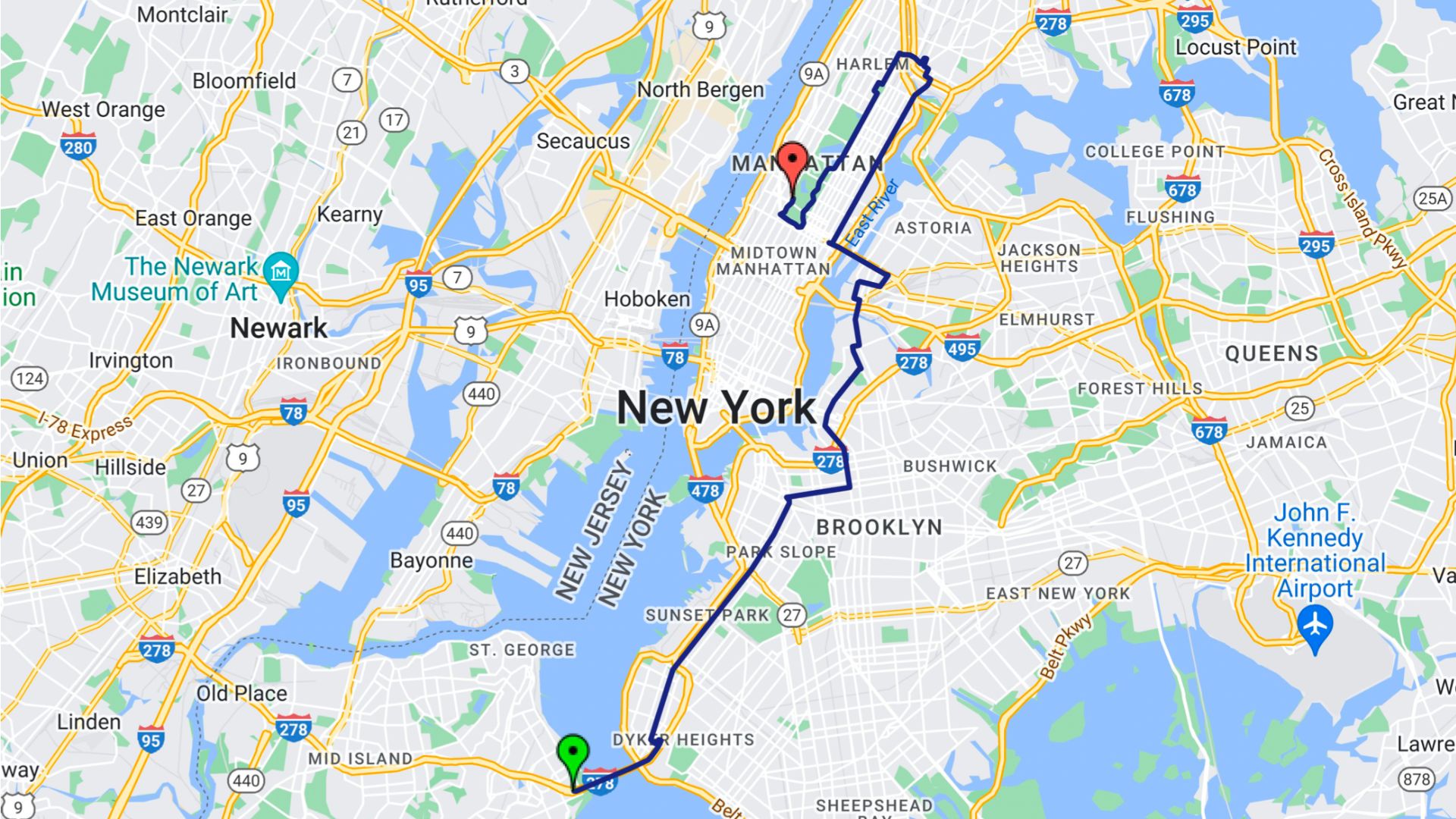
The New York City Marathon is renowned for its iconic course, which takes runners on an unparalleled tour through all five boroughs of New York City. The race typically kicks off on the Staten Island side of the magnificent Verrazzano-Narrows Bridge. From the moment the starting gun fires, runners are treated to breathtaking views of the Manhattan skyline as they cross into Brooklyn.
The route then winds its way through diverse neighborhoods, each with its own character and cheering crowds. Runners traverse through miles of Brooklyn’s vibrant streets, crossing into Queens and then over the Queensboro Bridge into Manhattan. The energy dramatically shifts as they hit First Avenue in Manhattan, greeted by a deafening roar of spectators that can rejuvenate even the most weary legs. A brief detour into the Bronx via the Willis Avenue Bridge and Madison Avenue Bridge provides another change of scenery before the final triumphant return to Manhattan and the famous finish line in Central Park.
Each mile offers a distinct flavor of New York, showcasing its architectural marvels, cultural diversity, and the sheer enthusiasm of its residents. For spectators, strategic spots along the course in different boroughs offer varying vantage points and experiences, making the race a true city-wide festival.
The Spectacle: A Global Tourism Event

The New York City Marathon is more than just a race; it’s a global phenomenon and a significant Tourism driver for the United States. Attracting over 50,000 runners annually, with participants hailing from over 125 countries, and drawing millions of spectators, it transforms the city into a monumental celebration of human spirit.
For runners, qualifying or getting into the race is often a multi-year endeavor, making the achievement of participating even more profound. The diverse field includes elite athletes vying for world records, seasoned amateurs pursuing personal bests, and thousands running for charitable causes, adding layers of inspiration and purpose to the event.
The economic impact is substantial, with visitors flocking to the city, filling Hotels, dining in restaurants, and exploring local attractions. The marathon weekend is a prime example of event-Tourism, drawing a dedicated segment of travelers seeking unique experiences. The festive atmosphere, characterized by live music, cheering crowds, and countless signs of encouragement, creates an electrifying environment that is contagious for both participants and observers. It’s a masterclass in how a sporting event can become a cultural highlight and a major international destination in itself.
Planning Your Trip to the New York City Marathon
Whether you’re lacing up your running shoes or planning to cheer from the sidelines, attending the New York City Marathon requires careful planning, especially when it comes to Accommodation and making the most of your visit to one of the world’s most exciting cities. Integrating elements of Lifestyle and smart Travel choices will ensure a smooth and enjoyable experience.
Accommodation and Hotels in New York City
New York City offers an unparalleled array of Accommodation options, but during the marathon weekend, demand for Hotels is exceptionally high. It is highly advisable to book your stay well in advance, ideally months before the first Sunday in November when the race traditionally takes place.
Consider your priorities when choosing a place to stay. For runners, proximity to the race start (requiring early morning transportation to Staten Island) or the finish line in Central Park can be a major factor. Many runners prefer Hotels in Midtown Manhattan or the Upper West Side for easier access to post-race recovery. For spectators, choosing a hotel near a desired cheering spot along the course in Brooklyn, Queens, or Manhattan can simplify logistics.
Options range from luxury resorts and boutique hotels that offer world-class amenities to more budget-friendly apartments and extended-stay options. Researching different neighborhoods is key; Lower Manhattan might offer a different vibe than Times Square or the quieter residential areas near Central Park. Websites dedicated to Accommodation reviews and comparisons can be invaluable tools for finding the perfect fit for your needs and budget. Remember, comfort and convenience are paramount, especially if you’re a runner needing to rest and prepare.
Exploring New York City: Beyond the Race
While the marathon is the main event, a trip to New York City offers countless opportunities for exploration and enjoyment, embodying the very best of urban Travel. Whether you have a few days before or after the race, dedicate time to experience the city’s iconic Landmarks and vibrant culture.
Walk through Times Square and marvel at its dazzling lights, ascend the Empire State Building or Top of the Rock for panoramic views, or take a ferry to see the Statue of Liberty and Ellis Island. Immerse yourself in the arts with a Broadway show, explore the world-class museums along Museum Mile, or simply enjoy a leisurely stroll through Central Park – perhaps even running a few casual miles on its scenic paths if your legs allow!
New York City is also a culinary paradise, offering everything from Michelin-starred restaurants to diverse street food. Take advantage of the myriad of dining experiences, reflecting the city’s multicultural fabric. Local guides and experiences can help you discover hidden gems and immerse yourself in the local culture beyond the well-trodden tourist paths. Integrating these sightseeing opportunities into your marathon trip enhances the overall value and creates a more fulfilling Travel experience.
Lifestyle Considerations for Runners and Spectators
Participating in or attending the New York City Marathon involves specific Lifestyle considerations. For runners, the days leading up to the race are critical for final preparations, carbohydrate loading, and staying hydrated. Navigating the expo, managing pre-race jitters, and getting to the starting line on race morning requires meticulous planning. Familiarize yourself with public transportation options, as many roads will be closed, and traffic will be impacted.
For spectators, comfortable shoes, warm layers (especially if the November weather is chilly), and a plan for moving between cheering spots are essential. Utilize the subway system to jump from one borough to another to catch your runner multiple times. Download a marathon tracking app to follow your friends or family in real-time. Consider carrying snacks and drinks, as finding open shops near the course can sometimes be challenging.
Beyond the logistics, embrace the unique Lifestyle that surrounds this event. The camaraderie among runners, the spirit of generosity from volunteers, and the sheer joy of the crowd create an atmosphere of collective achievement. Whether you’re crossing the finish line or simply soaking in the incredible energy, the New York City Marathon offers a profound and unforgettable experience. It’s a reminder of what human determination can achieve, set against the backdrop of one of the world’s most dynamic cities.
The Enduring Legacy of the New York City Marathon
The New York City Marathon, with its steadfast 26.2-mile distance, has cemented its place not just as a premier athletic event, but as a cultural institution. It’s a testament to the enduring human desire to push boundaries, to celebrate community, and to experience the raw exhilaration of achievement. Each year, as thousands of runners cross that finish line in Central Park, they become part of a legacy that spans continents and centuries, connecting them to the ancient messenger Pheidippedes and to countless marathoners who have run before them.
For those considering running or visiting, the experience offers a powerful blend of Travel, Tourism, and personal discovery. It’s an opportunity to see New York City from a unique perspective, to be swept up in its vibrant energy, and to witness firsthand the incredible power of the human spirit. The 26.2 miles of the New York City Marathon are not just a measure of distance; they are a measure of dreams, determination, and the unforgettable journey that defines one of the world’s greatest races.
LifeOutOfTheBox is a participant in the Amazon Services LLC Associates Program, an affiliate advertising program designed to provide a means for sites to earn advertising fees by advertising and linking to Amazon.com. Amazon, the Amazon logo, AmazonSupply, and the AmazonSupply logo are trademarks of Amazon.com, Inc. or its affiliates. As an Amazon Associate we earn affiliate commissions from qualifying purchases.