
Planning a trip to the Empire State? Whether you’re dreaming of the dazzling lights of New York City, the serene beauty of the Adirondacks, or the historic charm of Albany, understanding the local tax landscape is crucial for any traveler or prospective resident. New York is renowned for its vibrant culture, iconic landmarks, and diverse lifestyle offerings, but it’s also known for a relatively complex tax structure that can impact everything from your hotel bill to your daily purchases. This comprehensive guide will break down the various taxes you’re likely to encounter, helping you budget wisely and make the most of your New York State adventure, whether you’re embarking on luxury travel or sticking to budget travel.
For those immersing themselves in New York’s rich tourism scene, whether visiting iconic attractions like the Statue of Liberty and Times Square or exploring local culinary experiences, taxes are an inherent part of almost every transaction. From the moment you book your accommodation — be it a swanky Manhattan hotel, a cozy Brooklyn apartment, or a tranquil resort upstate — until you purchase that last souvenir, taxes play a significant role in your overall expenditure. Understanding these costs upfront allows for better financial planning, ensuring that hidden fees don’t detract from your unforgettable travel experience.
Understanding New York’s Tax Landscape for Visitors
When planning your journey through New York, the first taxes you’ll likely encounter are sales tax and hotel occupancy taxes. These are the most direct financial impacts on travelers and tourists, affecting everything from shopping to where you lay your head at night.
The Ubiquitous Sales Tax: What You’ll Pay on Goods and Services
Sales tax is arguably the most common tax visitors encounter daily. New York State imposes a statewide sales tax, but local jurisdictions, especially New York City, add their own rates on top. This means the total sales tax can vary significantly depending on where you are within the state.
The base New York State sales tax rate is 4%. However, counties and cities levy additional local sales taxes. In New York City, for instance, the combined sales tax rate is typically 8.875%. This is composed of the 4% state tax, 4.5% New York City local tax, and a 0.375% Metropolitan Commuter Transportation District (MCTD) surcharge. So, if you’re shopping for high fashion on Fifth Avenue, dining at a Michelin-starred restaurant in Greenwich Village, or buying tickets for a Broadway show, expect to add nearly 9% to the sticker price.
This sales tax applies to most tangible personal property and many services. Here’s a breakdown of common items and services that are subject to sales tax:
- Retail Purchases: Clothing (with some exceptions), electronics, souvenirs, books, and most general merchandise.
- Restaurant Meals and Prepared Foods: Whether you’re grabbing a bagel from a corner deli or indulging in fine dining, prepared food and restaurant meals are subject to sales tax. This includes beverages, both alcoholic and non-alcoholic, consumed on-site.
- Entertainment and Admissions: Tickets to museums like the Metropolitan Museum of Art, shows, concerts, sporting events, and amusement parks are typically subject to sales tax.
- Certain Services: While most personal services are exempt, some, particularly those related to tangible personal property (e.g., car repairs, certain cleaning services), might be taxed.
Exemptions to Note:
Not everything is taxed at the full rate. Key exemptions for travelers include:
- Most Food and Groceries: Unprepared food items purchased at grocery stores for consumption at home are generally exempt from sales tax. This can be a significant saving for those staying in accommodations with kitchenettes, such as apartments or extended-stay hotels.
- Clothing and Footwear Under a Certain Price: In New York State, individual items of clothing and footwear costing less than $110 are exempt from the state’s 4% sales tax. However, local sales taxes (like New York City’s 4.5%) still apply to these items. For items $110 or more, the full state and local sales tax applies. This unique rule can lead to significant savings for shoppers looking for more affordable fashion finds.
Understanding these sales tax nuances is essential for budgeting your shopping sprees and dining experiences, especially if you plan to explore the fashion districts of Manhattan or the diverse culinary scene across the boroughs of Brooklyn, Queens, The Bronx, and Staten Island.
Hotel Occupancy Taxes: A Major Consideration for Accommodation
One of the most significant tax burdens for visitors is the hotel occupancy tax, also known as the transient occupancy tax. This tax is levied on short-term stays in hotels, motels, resorts, and even certain vacation rentals. Like sales tax, hotel occupancy tax is a combination of state and local rates, with New York City having some of the highest rates in the United States.
In New York City, the hotel occupancy tax structure includes:
- A 5.875% New York State occupancy tax.
- A 5.875% New York City occupancy tax.
- A $1.50 per night unit fee for hotels within the city.
- The standard 8.875% New York City sales tax also applies to the room rate.
When combined, these can easily add 14.75% plus the $1.50 per night unit fee to your nightly rate in New York City. This means a $300-a-night room could easily cost you over $344 once taxes and fees are factored in. This significantly impacts your overall accommodation budget, especially for longer stays or for those seeking luxury hotels in prime locations like Midtown Manhattan or near Central Park.
Outside of New York City, hotel tax rates vary by county and municipality. For example, popular tourist destinations like the Hamptons on Long Island, or cities like Buffalo, Rochester, and Syracuse will have their own local occupancy tax rates in addition to the state rate. Always check the specific rates for your chosen destination when booking your hotel or villa.
Impact on Accommodation Choices:
The high hotel taxes often influence travelers’ accommodation choices. For budget travelers, this might mean:
- Considering Alternatives: Exploring platforms like Airbnb or other vacation rentals, though many are now also subject to similar occupancy taxes, especially in New York City. Always confirm the total price, including all taxes and cleaning fees, before booking.
- Staying Outside Core Tourist Areas: Opting for hotels in neighboring areas or boroughs like Queens or Brooklyn might offer slightly lower rates, though the city-wide taxes generally apply.
- Booking Longer Stays: Some taxes or fees might be structured differently for stays exceeding a certain number of days (e.g., 30 days), making long-term accommodation potentially more cost-effective per night.
For those engaging in business stays or luxury travel, while the percentage might be the same, the absolute dollar amount of tax will be higher on premium suites and resorts. It’s crucial for travel planners to factor these significant costs into their overall budget to avoid surprises. Many hotel booking websites now clearly display the total price including taxes, but it’s always wise to double-check the breakdown.
Beyond the Basics: Deeper Dives into New York’s Tax System
While sales and hotel taxes are the most visible to short-term visitors, other taxes and fees can come into play, especially for those considering longer stays, working remotely from New York, or engaging in specific activities.
Income Tax Implications for Longer Stays and Work
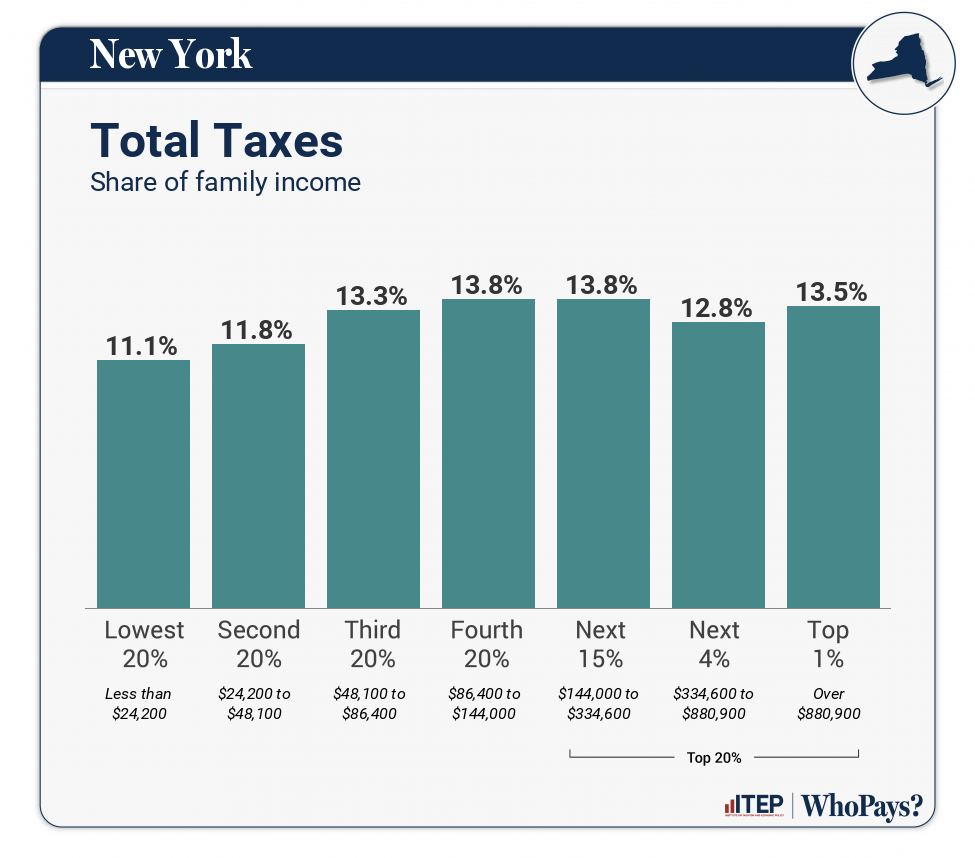
For most tourists on short vacations, income tax is not a direct concern. However, for individuals on extended business stays, those working remotely while residing in New York, or digital nomads enjoying an extended lifestyle experience, New York State and New York City income taxes become highly relevant.
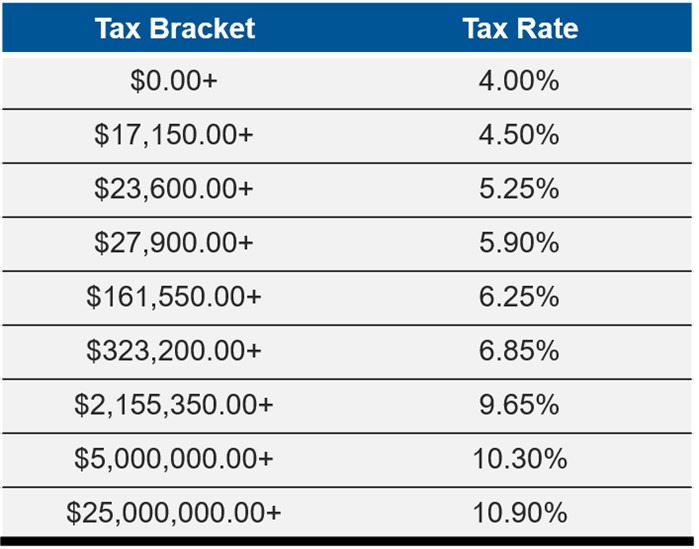
New York State has a progressive income tax system, meaning higher earners pay a higher percentage. Rates range from 4% to over 10% depending on income brackets. What makes New York unique is that New York City also imposes its own income tax on residents. This tax, in addition to the state tax, adds another layer of complexity.
Key considerations:
- Residency Status: Generally, if you spend more than 183 days in New York State during a calendar year and maintain a permanent place of abode there, you may be considered a New York State resident for tax purposes. Similarly, for New York City income tax, similar residency rules apply. Even if you consider another state your primary home, spending significant time working in New York could subject you to its income taxes.
- Source Income: Even non-residents can be taxed on income sourced from New York State. This includes wages, business income, or rental income from properties located within the state.
- Impact on Digital Nomads and Remote Workers: The rise of remote work has made this an increasingly complex area. If you live in a New York apartment for an extended period while working for a company based elsewhere, you might still owe New York income tax. It’s crucial to consult a tax professional specializing in multi-state taxation if you plan an extended stay (e.g., a few months or more) that involves working. This could significantly impact your overall lifestyle budget, even if you’re enjoying a supposedly tax-free lifestyle back home.
For those considering a long-term relocation or an extended work-and-play scenario in the Big Apple or other parts of New York, understanding these income tax implications is as vital as choosing the right boutique hotel or luxury resort.
Exploring Other Fees and Surcharges in Your Travel Budget
Beyond the primary taxes, travelers should also be aware of various fees and surcharges that can add to the cost of their New York experience. These are not always “taxes” in the traditional sense but often function similarly by increasing the final price.
- Resort Fees/Destination Fees: Many hotels, particularly in popular destinations or those offering extensive amenities like pools and fitness centers, levy daily resort or destination fees. These fees are typically mandatory and charged per night, often regardless of whether you use the services. They are usually added after the initial room rate and often subject to sales tax themselves, further inflating the final cost. Always look for these disclosures when booking hotels online or directly. A quick search for “resort fees” in New York City will reveal that many prominent hotels, including major chains like Hilton or Marriott, incorporate these into their pricing.
- Gratuities (Tips): While not a tax, tipping is an ingrained part of the service lifestyle in the United States, and especially in New York. For restaurant service, taxi rides, bellhops, and other service providers, standard gratuities range from 15% to 20% or even higher for exceptional service. Some restaurants, particularly for larger groups, may automatically add a service charge, which usually covers gratuity. Factor this into your dining and service budget, as it’s an expected part of the cost.
- Car Rental Taxes and Fees: If you plan to rent a car to explore upstate New York or venture beyond the city, be prepared for substantial taxes and fees. These can include state and local sales taxes, daily vehicle license fees, concession recovery fees (at airports), and other surcharges, which can collectively add 20-30% or more to your base rental rate. Parking fees in New York City are also notoriously high, making public transportation a more fiscally sound option for many travelers.
- Property Taxes (Indirect Impact): While tourists don’t directly pay property taxes, these are a significant cost for property owners and indirectly affect the cost of accommodation, especially for owners of apartments or villas who rent them out. High property taxes in areas like Manhattan contribute to the higher rental prices you see for both short-term vacation rentals and long-term apartment leases.
Being mindful of these additional costs ensures a more accurate travel budget and a smoother, more enjoyable New York experience, whether you’re here for sightseeing, business, or a prolonged lifestyle change.
Strategizing Your New York Trip: Tax-Smart Travel and Lifestyle Tips
Navigating the various taxes in New York doesn’t have to be daunting. With a bit of strategic planning, you can minimize surprises and maximize your enjoyment of this incredible state. Tailoring your approach based on whether you’re on a family trip, a business stay, or a luxury getaway can make a significant difference.
Budgeting for Your Big Apple Adventure
Effective budgeting is your best friend when tackling New York’s tax structure. Here’s how to build a tax-aware budget:
- Always Assume Taxes are Extra: Unless explicitly stated as “all-inclusive,” always factor in an additional 10-20% for taxes and tips on almost every purchase, especially for accommodation, dining, and larger retail items. For example, if a hotel room is advertised at $250, mentally add another $35-$50 for taxes and fees.
- Research Specific Rates: Before you travel, do a quick online search for the current sales tax and hotel occupancy tax rates in the specific New York localities you plan to visit. Rates in New York City will differ from those in Niagara Falls or the Finger Lakes region.
- Utilize Tax-Exempt Options:
- Groceries: Maximize savings by purchasing unprepared food items and snacks from grocery stores (e.g., Trader Joe’s or Whole Foods) rather than constantly eating out, as these are mostly sales tax-exempt. This is especially useful if your chosen accommodation has a kitchenette.
- Clothing Under $110: If you’re on a shopping spree, remember the $110 clothing exemption for the state sales tax. Focus on buying individual items under this threshold to reduce your overall tax burden, particularly for family trips where clothing purchases can add up.
- Consider Transportation Costs: While not directly a tax, the cost of getting around is a major budget item. Public transportation via the MTA subway and bus system in New York City is generally the most cost-effective way to explore and avoids exorbitant parking fees and tolls.
- Use Booking Sites Wisely: Many major hotel booking websites now show “total price including taxes and fees.” Always look for this option to get the most accurate picture of your accommodation costs upfront.
- Factor in “Free” Attractions: Balance paid attractions (which might include sales tax on tickets) with many of New York City’s fantastic free offerings, such as walking across the Brooklyn Bridge, exploring Central Park, or visiting Staten Island via the free ferry for unparalleled Statue of Liberty views.
By meticulously planning and keeping these tax factors in mind, you can stretch your budget further and enjoy more of New York’s incredible destinations and experiences.
How Taxes Influence Luxury vs. Budget Travel Choices
The impact of New York taxes is felt differently depending on your travel style, heavily influencing decisions for both luxury and budget travelers.
For Luxury Travelers:
While cost might not be the primary concern, understanding how taxes inflate high-end experiences is crucial for accurate budgeting and appreciation of value.
- High-End Accommodation: A luxury suite in a prestigious hotel like The Plaza or a Four Seasons Hotel that costs $1,000 per night will incur over $150 in hotel occupancy taxes and fees alone. Over a multi-night stay, these taxes can quickly add up to hundreds or even thousands of dollars.
- Fine Dining: Luxury dining experiences, which often include expensive wines and spirits, will have the 8.875% sales tax applied to the entire bill, followed by a substantial tip (often 20% or more). A $500 dinner could easily become $600+ after tax and tip.
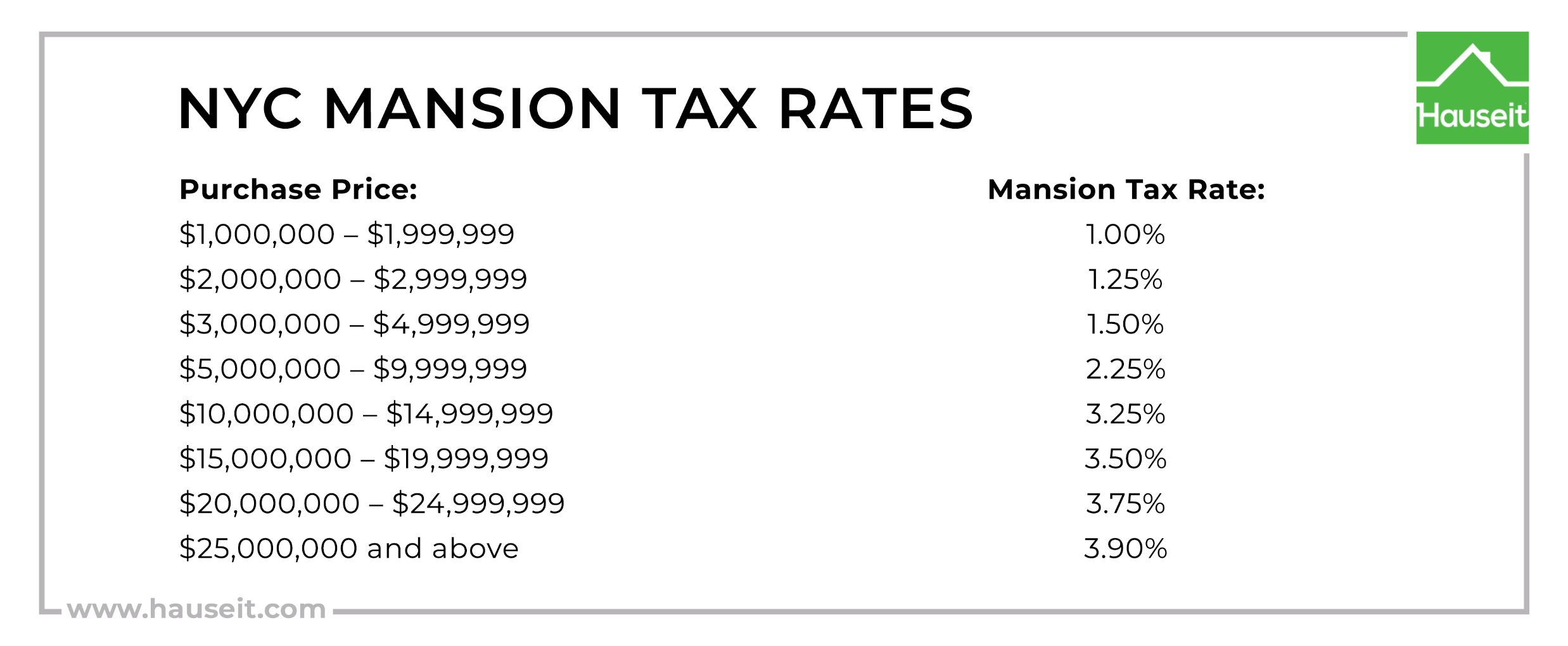
- Exclusive Shopping: Purchasing designer goods or fine jewelry will also incur significant sales tax, making large purchases notably more expensive.
- Private Services: Whether it’s a private tour guide, a personal shopper, or a chauffeured car service, the underlying costs may be subject to various taxes or expected gratuities.
For those accustomed to luxury travel, these taxes are simply part of the overall premium experience. However, recognizing their magnitude helps in managing expectations and allocating funds for the true cost of opulent New York living.
For Budget Travelers:
Taxes and fees have a more pronounced impact on budget travelers, as every dollar saved matters.
- Accommodation Strategies: To mitigate high hotel taxes, budget travelers often:
- Opt for hostels or budget hotels outside Manhattan.
- Consider long-term stays if possible, as some daily fees might be reduced for longer durations, and monthly apartment rentals can sometimes be exempt from certain hotel taxes.
- Actively seek out accommodations that explicitly state “taxes included” or have lower resort fees.
- Food and Dining: Prioritize grocery store purchases, cook meals if possible, and seek out food trucks, deli counters, and casual eateries where the base cost of food is lower, making the sales tax a smaller dollar amount. The aforementioned sales tax exemption on most raw groceries is a game-changer for those watching their spending.
- Free and Low-Cost Activities: Focus on New York’s myriad free attractions and activities to avoid paying sales tax on tickets. Many museums offer “pay-what-you-wish” days or free admission hours.
- Transportation: Rely almost exclusively on public transportation to avoid the high sales tax and other fees associated with car rentals and the steep costs of ride-sharing services during peak hours.
Ultimately, whether you’re chasing the high life or making every dollar count, a clear understanding of New York’s tax structure empowers you to make informed decisions. It transforms the abstract concept of taxes into practical strategies for smarter travel, accommodation choices, and overall lifestyle management in one of the world’s most dynamic destinations. By preparing for these costs, you ensure that your New York experience remains magical, not financially stressful.
LifeOutOfTheBox is a participant in the Amazon Services LLC Associates Program, an affiliate advertising program designed to provide a means for sites to earn advertising fees by advertising and linking to Amazon.com. Amazon, the Amazon logo, AmazonSupply, and the AmazonSupply logo are trademarks of Amazon.com, Inc. or its affiliates. As an Amazon Associate we earn affiliate commissions from qualifying purchases.